
Sauces & Condiments
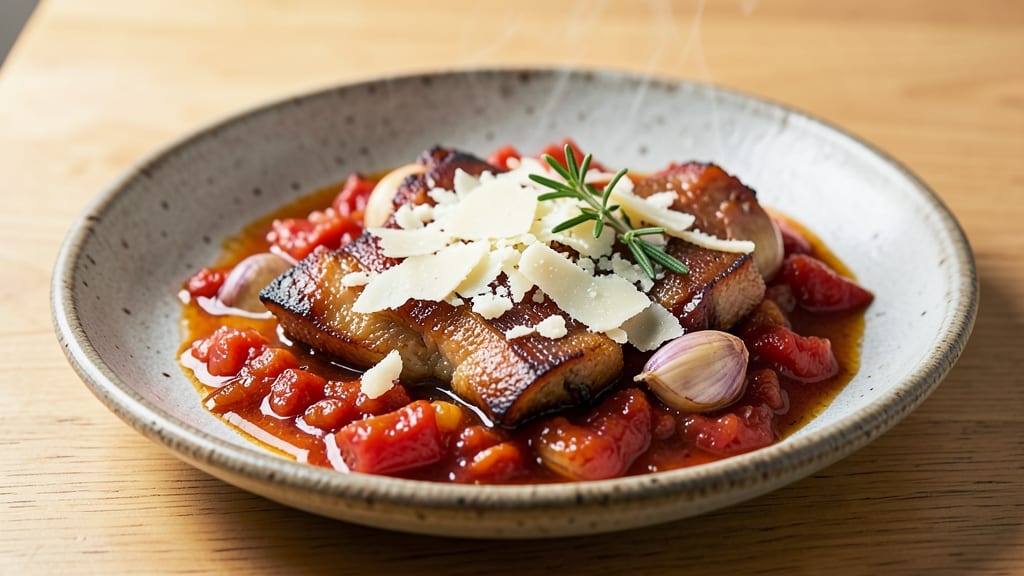
Jamie Oliver's Amatriciana sauce transforms simple ingredients into a rich, peppery tomato masterpiece that captures Rome's soul in every spoonful. The secret lies in guanciale—cured pork cheek—that delivers unmatched depth, though pancetta works beautifully as a substitute. This sauce builds flavor through slow simmering, where tomatoes caramelize into a velvety consistency that clings perfectly to pasta.
What sets this recipe apart is its balance of traditional technique and modern accessibility. While authentic Amatriciana relies on guanciale, we've adapted it for home cooks with readily available ingredients like pancetta or bacon.
The sauce develops its signature complexity through proper cooking times—never rushing the reduction—and the right amount of pecorino cheese, which adds a sharp, salty finish that cuts through the richness.
By the time you twirl that first forkful through al dente spaghetti, you'll taste layers of flavor: sweet caramelized tomatoes, smoky cured pork, and the bright tang of chili flakes. The sauce should coat the pasta without overwhelming it, leaving just enough texture to cling to each strand.
This is the kind of sauce that turns a simple weeknight dinner into an Italian trattoria experience.
Store leftovers in the refrigerator for up to 3 days, or freeze for longer storage—though with this flavor profile, you'll likely use it all up.
The beauty of Amatriciana lies in its versatility: serve it with spaghetti for a classic presentation, or use it as a robust topping for bruschetta and grilled meats. Let's create this sauce that's as satisfying as it is authentic.
Ingredients for amatriciana sauce recipe jamie oliver
Nine essential ingredients transform into Jamie Oliver's signature guanciale-infused Amatriciana sauce.
| Ingredient | Amount | Notes |
|---|---|---|
| Guanciale or Pancetta 🥓 | 6 oz | Diced small for maximum flavor |
| San Marzano Crushed Tomatoes 🍅 | 2 cups | High-quality canned tomatoes preferred |
| Extra-Virgin Olive Oil 🫒 | ½ cup | Fruity, peppery variety recommended |
| Red Wine Vinegar 🍷 | 1 tbsp | Dry, bold red wine preferred |
| Pecorino Romano Cheese 🧀 | ¾ cup | Freshly grated, aged variety |
| Garlic Cloves 🧄 | 4 cloves | Peeled, finely chopped |
| Chili Flakes 🌶️ | 1 tsp | Adjust for heat preference |
| Diamond Crystal Kosher Salt 🧂 | 1 tsp | Fine grain preferred |
| Freshly Ground Black Pepper 🌶️ | ½ tsp | Freshly cracked for optimal flavor |
The guanciale or pancetta is non-negotiable for authentic flavor, though pancetta is more accessible. Whole Foods or specialty Italian markets carry guanciale, while pancetta can be found in most grocery stores' deli sections. Look for thick-cut pancetta and slice it into small cubes—1/4-inch pieces work best. The San Marzano tomatoes are worth the splurge; their natural sweetness and low acidity make all the difference. If you can't find them, whole peeled tomatoes in a can are a decent substitute. The olive oil should be fruity and peppery—California extra-virgin brands like Corto or Colavita are excellent choices.
No guanciale or pancetta? Thick-cut bacon works in a pinch, though it lacks the same depth. For the tomatoes, high-quality crushed tomatoes are essential—avoid the watery brands. The red wine vinegar should be dry and bold; Bartles & Jaymes or Bragg are reliable options. Pecorino Romano must be freshly grated—pre-shredded cheese lacks the sharp, salty bite. For garlic, freshly minced is ideal, but powdered garlic at half the amount suffices. The chili flakes should be bright red and aromatic—avoid dull, grayish ones. Salt and pepper should be freshly ground for the best flavor profile.
This sauce develops best when made fresh, but leftovers keep for 3 days in the refrigerator. For longer storage, freeze in 1-cup portions—it reheats beautifully. The sauce thickens as it cools, so add a splash of water or pasta water if it seems too stiff. Always store the Pecorino Romano in an airtight container to prevent drying out. The guanciale or pancetta can be prepped ahead and stored in the fridge for up to 3 days before use, making this a convenient sauce to build in stages.
Why You'll Love This Recipe
- One-Pan Magic: I swear by this sauce because it’s all in one skillet—no chopping, no fuss. Just toss in the pancetta (or guanciale if you’re fancy), let it render, then add the tomatoes and vinegar. The only real work is grating the Pecorino at the end, and honestly? That’s the best part.
- Salty-Sweet Crunch: The moment the pancetta crispies up and you pour in the San Marzano tomatoes? That’s when it gets good. The vinegar cuts through the richness, and the Pecorino melts into a creamy, tangy blanket—like a hug for your taste buds. (Yes, even on a Tuesday night.)
- Leftovers That Lie: Between us, this sauce only gets better the next day. I make a big batch on Sunday, toss it with spaghetti, and it’s still the star of Wednesday’s lunch. The flavors meld overnight, and the cheese pulls together like it’s been simmering for hours. (Spoiler: It hasn’t.)
- Budget-Friendly Flex: Pancetta’s cheaper than you think, and a can of San Marzano tomatoes stretches across three meals. Use half the batch on pasta, save the rest for bruschetta or eggs—it’s my go-to when I’m broke but still want to feel fancy. (No one needs to know.)
Step-by-step instructions for Amatriciana sauce
This classic Roman sauce delivers rich, umami depth in just 30 minutes—here's how to nail it.
Render the Guanciale for Maximum Flavor
Heat a large, heavy-bottomed skillet over medium-low heat and add the 6 oz diced guanciale or pancetta. Let it render undisturbed for 8-10 minutes until the fat becomes golden and the meat releases easily from the pan. I press down gently on the pieces during the first minute—this prevents curling and ensures even contact with the pan.
Resist the urge to stir frequently—this allows the fat to render slowly and develop deep, nutty flavors. You're looking for about ¼ cup of rendered fat remaining in the pan when the guanciale is golden brown and crispy. If the fat starts smoking, reduce the heat slightly. This rendered fat is the foundation of your sauce—don't drain it.
Build the Base with Aromatics and Tomatoes
Add the 4 cloves finely chopped garlic and 1 tsp chili flakes to the skillet, stirring for 30 seconds until the garlic becomes fragrant but doesn't brown. Immediately pour in the 2 cups San Marzano crushed tomatoes, scraping up all those flavorful browned bits from the bottom of the pan with a wooden spoon.
Bring the mixture to a gentle simmer, then reduce heat to medium-low. Let it cook uncovered for 12-15 minutes, stirring occasionally, until the sauce thickens slightly and the liquid reduces by about ⅓. You'll notice the sauce darkens and develops a rich, tomatoey aroma—this is where the magic happens. If the sauce looks too thick, add 1-2 tablespoons of water to loosen it slightly.
Add Vinegar and Season to Perfection
Stir in the 1 tbsp red wine vinegar and 1 tsp Diamond Crystal kosher salt. The vinegar brightens the sauce and cuts through the richness of the guanciale. Let the sauce simmer for another 5 minutes to allow the flavors to meld completely.
Taste and adjust seasoning with freshly ground black pepper—I add about ½ tsp to start. The sauce should be well-seasoned but balanced, with the acidity of the vinegar complementing the sweetness of the tomatoes and the saltiness of the guanciale. This is where you can taste the difference between good and exceptional—don't rush this step.
Finish with Pecorino for Creamy Richness
Remove the skillet from heat and stir in the ¾ cup freshly grated Pecorino Romano cheese until fully melted and smooth. The cheese should create a velvety texture that coats the back of a spoon. If the sauce is too thick, add 1-2 tablespoons of hot water or pasta water to reach your desired consistency.
Return the sauce to low heat for just 1-2 minutes to prevent the cheese from separating. The sauce should be silky, with visible strands of melted cheese. Real talk: this is the moment that matters—if you overcook it now, the cheese will curdle. Taste one last time and adjust seasoning if needed. Serve immediately over al dente spaghetti, reserving some sauce to toss with the pasta.
Pro Tips For Making Amatriciana Sauce Recipe Jamie Oliver
- CRISP THE GUANCIALE FIRST: Don’t skip the initial render—let that fat bloom over medium-low heat until the guanciale releases its golden oil and the edges crisp. I used to rush this, and the sauce always tasted flat. Give it 8-10 minutes, stirring occasionally, until the meat is browned but not burned. That fat is liquid gold for the sauce.
- USE THE VINEGAR LATE: Add the red wine vinegar after the tomatoes have simmered for at least 15 minutes. Too early, and it’ll cook off into oblivion, leaving your sauce tasting dull. I learned this the hard way—now I wait until the sauce is thickened and the tomatoes have broken down before splashing it in. One tablespoon is enough; don’t overdo it.
- STIR THE PECORINO IN: Grate the Pecorino Romano fresh and fold it into the sauce off the heat. The residual heat melts it smoothly, avoiding clumps. I used to dump it in while stirring, and it’d turn into a gluey mess. Let the sauce cool for 2-3 minutes first—your future self will thank you.
- SALT THE TOMATOES: Sprinkle a pinch of salt directly over the crushed San Marzano tomatoes before adding them to the pan. It draws out moisture and concentrates their sweetness. I was skeptical until I tried it—now it’s non-negotiable. Just a quarter teaspoon, but it makes a real difference.
Common mistakes when making your amatriciana sauce recipe jamie oliver
Skipping the Rendering Step
Don't rush the guanciale or pancetta rendering—this is where the sauce gets its signature depth. I've seen beginners try to speed this up by cranking the heat, but that creates bitter flavors and smoky notes.
Let it cook 8-10 minutes on medium-low heat for that perfect golden fat. If you skip this step or drain the fat, you'll lose half the flavor. 🔥
Overcooking the Tomatoes
Watch that tomato reduction like a hawk—12-15 minutes is ideal, not 20+. Overcooking concentrates the acidity and turns the sauce bitter. I've ruined batches by letting it simmer too long, especially when using lower-quality tomatoes.
If the sauce starts looking syrupy or develops a sharp tang, it's time to remove it from heat. A splash of pasta water can rescue over-reduced sauce, but prevention is better.
Using Pre-Shredded Cheese
Freshly grated pecorino romano is non-negotiable for authentic texture and flavor. Pre-shredded cheese contains anti-caking agents that prevent proper melting and create a grainy, clumpy sauce.
I keep a block of pecorino in my fridge specifically for this recipe—I grate it myself using a microplane right before adding it to the sauce. If you must use pre-shredded, try Parmigiano-Reggiano as a substitute, but it won't have the same sharp, salty punch.
Ignoring the Vinegar
The red wine vinegar isn't just for acidity—it brightens the entire sauce and balances the richness. I've made this mistake by omitting it, and the sauce tasted flat and one-dimensional. Add it after the tomatoes have reduced but before the final cheese addition.
If you're sensitive to vinegar's sharpness, start with ½ tbsp and adjust to taste. The key is letting it simmer for 5 minutes to integrate fully with the other flavors.
Not Tasting as You Go
Seasoning amatriciana sauce is all about balance, and you can't achieve that without tasting at each critical stage. After adding the tomatoes, after the vinegar, and definitely before adding the cheese—taste! I keep a small spoon handy and sample the sauce directly from the pan.
This is where you'll catch if the guanciale needs more salt, if the tomatoes need a pinch of sugar, or if the vinegar needs more balance. Trust your palate—it's your best quality control tool. ✨
Adding Cheese Too Early
Cheese is the final touch, and adding it too soon can cause it to separate or curdle. I've learned this the hard way by adding pecorino when the sauce was still hot from simmering.
Always remove the sauce from heat before stirring in the cheese, then return it to low heat for just 1-2 minutes to melt. The goal is a silky, velvety texture—not a lumpy, broken sauce.
If you see the cheese starting to separate, immediately remove it from heat and whisk vigorously to restore smoothness.
Nutrition facts
Frequently asked questions
Can I substitute pancetta for guanciale in this recipe?
Yes! Pancetta works beautifully as a substitute for guanciale, especially for home cooks. Use the same amount (6 oz) and dice it into small cubes. Pancetta has a slightly milder flavor but still delivers that essential smoky depth. For extra authenticity, look for thick-cut pancetta from Italian markets—it renders more flavorful fat than regular bacon.
How do I prevent the sauce from becoming too acidic?
The red wine vinegar adds brightness, but you can adjust the acidity to taste. Start with ½ tablespoon and taste before adding the full 1 tablespoon. If it's too sharp, a pinch of sugar (½ teaspoon) or a splash of pasta water can mellow it out. The key is balancing the vinegar with the natural sweetness of the tomatoes and the saltiness of the cured pork.
What's the best way to store leftover Amatriciana sauce?
Store leftovers in an airtight container in the refrigerator for up to 3 days. The sauce will thicken as it cools, so add a splash of water or pasta water when reheating. For longer storage, freeze in 1-cup portions—it reheats beautifully. Just thaw overnight in the fridge and warm gently on the stove, stirring occasionally to restore smoothness.
Can I make this sauce without wine vinegar?
You can substitute with lemon juice (1 tablespoon) or even a pinch of sugar (½ teaspoon) to balance the tomatoes. However, red wine vinegar adds a unique depth that's hard to replicate. If you're avoiding vinegar entirely, try adding an extra pinch of salt (¼ teaspoon) to compensate for the missing acidity, but the sauce may taste slightly flatter without it.
Why does my sauce look too thick after adding cheese?
The cheese naturally thickens the sauce as it melts. If it's too stiff, simply stir in 1-2 tablespoons of hot water or pasta water to reach your desired consistency. The sauce should coat the back of a spoon but still flow smoothly. Avoid adding liquid too early—wait until after the cheese has melted completely before adjusting the texture.