
Sauces & Condiments
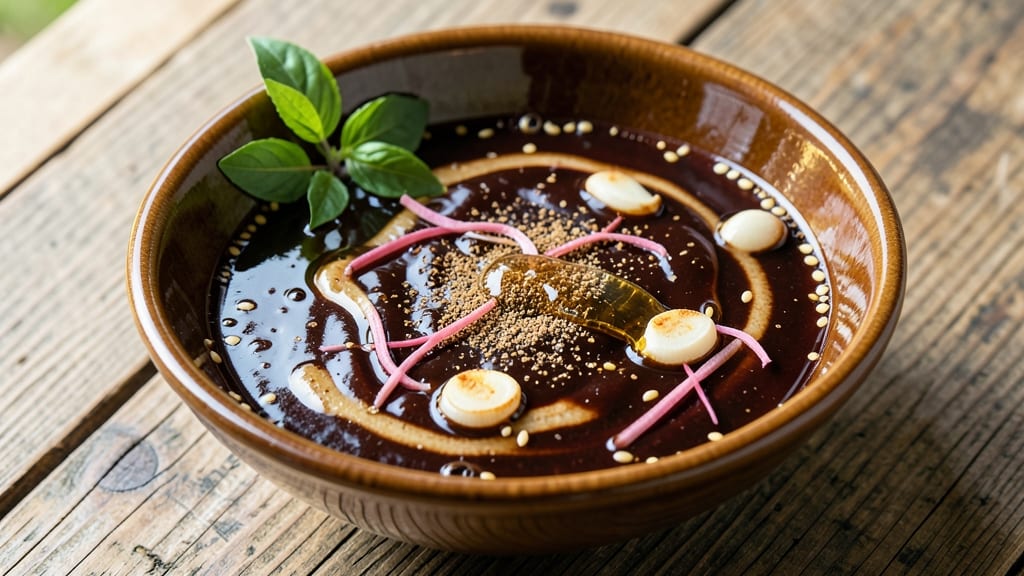
This Asian style BBQ sauce recipe transforms ordinary grilled meats into restaurant-quality masterpieces with its bold five-spice heat and honey-glazed finish. The secret lies in balancing fermented soy sauce, hoisin, and fresh ginger—a combination that delivers deep umami with a touch of sweetness and subtle spice.
Unlike heavy Western BBQ sauces, this version stays light enough to glaze without overwhelming, yet packs enough flavor to stand up to tough cuts of pork or beef.
What sets this sauce apart is its versatility—use it as a marinade for tenderizing meats, a glaze for crispy edges, or a dipping sauce for fresh spring rolls. The process is straightforward: simmering soy, hoisin, honey, and aromatics until thickened into a glossy, sticky consistency.
No special equipment required beyond a saucepan and patience for the flavors to meld. The result is a sauce that bridges East and West, perfect for everything from Asian-inspired ribs to grilled tofu skewers.
By the time you're done, you'll have a small batch of intensely flavorful sauce that keeps well in the fridge for up to two weeks.
The honey adds just enough sweetness to caramelize beautifully when brushed over hot meat, while the five-spice powder introduces layers of warmth that linger on the palate. This isn't just another BBQ sauce—it's a flavor multiplier that turns simple proteins into showstopping centerpieces.
Whether you're hosting a summer cookout or craving takeout flavors at home, this sauce delivers restaurant-quality results with minimal effort. The best part? You can adjust the heat level to your preference—add chili flakes for extra kick or sesame oil for nutty depth.
Let's get started on this game-changing condiment that will become a staple in your kitchen.
Ingredients for asian style bbq sauce
Nine essential ingredients blend into a restaurant-quality Asian BBQ sauce with bold five-spice heat and honey caramelized richness.
| Ingredient | Amount | Notes |
|---|---|---|
| Fermented Soy Sauce 🥢 | ½ cup | Use high-quality light soy for balance |
| Hoisin Sauce 🍶 | ½ cup | Thick, sweet-savory Chinese condiment |
| Raw Honey 🍯 | ⅓ cup | Local or wildflower preferred |
| Fresh Ginger 🌿 | 2 tbsp | Finely grated, aromatic freshness |
| Five-Spice Powder 🌶️ | 1 tsp | Authentic Chinese blend for depth |
| Garlic Cloves 🧄 | 3 cloves | Minced for aromatic punch |
| Sesame Oil 🌰 | 1 tbsp | Toasted, nutty finish |
| Rice Vinegar 🍶 | 2 tbsp | Light, acidic balance |
| Water 💧 | ¼ cup | Adjust for desired consistency |
| Red Chili Flakes 🔥 | ½ tsp | Optional for heat adjustment |
The soy sauce and hoisin are your flavor foundation—look for authentic brands like Lee Kum Kee for that deep umami punch. Trader Joe's often carries excellent hoisin, and the fermented soy sauce should have a rich, slightly sweet aroma. Fresh ginger is non-negotiable here: the younger, more tender ginger you find near the produce section works best. Five-spice powder is what elevates this from ordinary BBQ sauce—Penzeys or Spicewalla carry authentic blends with star anise, cinnamon, and clove notes that shine through. If you're using pre-minced garlic, drain it well to avoid watery sauce.
No hoisin? Substitute 2 tbsp soy sauce plus 1 tbsp molasses for sweetness. Running low on sesame oil? Toasted peanut oil works beautifully—just reduce the amount slightly. The honey can be swapped for maple syrup or agave, though it won't caramelize as dramatically. For extra depth, add 1 tsp fish sauce (if not vegetarian) or 1 tsp soy sauce for umami. The rice vinegar can be omitted if you prefer a sweeter profile, but it's what keeps the sauce from tasting too heavy. If you love heat, double the chili flakes or add a pinch of Sichuan peppercorns for numbing spice.
This sauce thickens as it cools, so stir well before each use. Keeps in an airtight jar in the fridge for 2 weeks, or freeze portions for 3 months. I always make extra—it disappears fast when grilling. The honey glaze caramelizes best when brushed over hot, searing meat, so have your grill or pan screaming hot before applying. For leftovers, reheat gently with 1 tsp water to restore glossiness. The five-spice powder loses potency over time, so store it in a dark, airtight container away from light.
Why You'll Love This Recipe
- Five-Ingredient Magic: I swear by this combo—fermented soy and hoisin alone give that deep, umami punch, while the honey and ginger keep it from feeling heavy. No fancy techniques, just a quick simmer and stir.
- Glaze That Sticks: Between us, this sauce clings like a dream to everything—grilled chicken, roasted pork, even stir-fried veggies. That five-spice powder? It’s the secret that makes it taste like a restaurant dish, not a weeknight hack.
- Weeknight to Party Ready: Slap it on skewers for a quick dinner or drizzle it over crispy tofu for a crowd-pleasing appetizer. Honestly, I’ve used it for everything from lazy Tuesdays to BBQ potlucks, and no one’s ever asked what’s in it.
- Makes Leftovers Look Good: The sauce thickens beautifully when reheated, so I double the batch and stash it in the fridge. Budget-friendly? Absolutely—these pantry staples cost pennies, and a little goes a long way. (Yes, even on a Tuesday night.)
Step-by-step instructions for Asian style BBQ sauce
This sauce delivers complex layers of umami, sweetness, and aromatic heat in just minutes.
Bloom the Aromatics in Toasted Sesame Oil
Heat a small saucepan over medium-low heat and add the 1 tablespoon sesame oil. Let it warm for 30 seconds until fragrant—you'll smell those nutty, toasted aromas develop. This is where the foundation of your sauce begins.
Add the 3 minced garlic cloves and 2 tablespoons finely grated fresh ginger to the oil. Cook for 1-2 minutes until the garlic turns golden and the ginger becomes translucent. Be careful not to let it brown—just fragrant and ready. The raw honey will caramelize later, so we want these aromatics to develop their base flavors first.
Combine Wet Ingredients and Simmer
Pour in the 0.5 cup fermented soy sauce and 0.5 cup hoisin sauce, stirring constantly to dissolve any ginger bits. Add the 0.33 cup raw honey and 2 tablespoons rice vinegar, then bring the mixture to a gentle simmer over medium heat. The sauce should bubble softly—this is where the magic happens.
Let it simmer for 5-7 minutes until it thickens slightly and reduces by about 20%. You'll notice the honey starts to caramelize, creating that glossy sheen we want. If it reduces too quickly, add 1 tablespoon water at a time to control the process. The sauce should coat the back of a spoon but still be pourable.
Add Spices and Reduce to Perfect Consistency
Stir in the 1 teaspoon five-spice powder and 0.5 teaspoon red chili flakes, letting them toast in the sauce for 30 seconds to release their aromatic oils. Then add the remaining 0.25 cup water and continue simmering for another 3-4 minutes until the sauce reaches your desired consistency.
Here's the thing—this sauce should be glossy but still cling to whatever you're glazing. If it's too thick, add another 1 tablespoon water and simmer for 1 more minute. If it's too thin, simmer uncovered for 2 more minutes to reduce further. The perfect balance is when it coats the back of a spoon but still flows freely when drizzled.
Finish with Taste Adjustments
Remove the sauce from heat and let it cool for 5 minutes. Taste and adjust the balance—this is where you decide if it needs more sweetness, acidity, or heat. I usually add a pinch more honey if it's too tangy, or a splash more rice vinegar if it's too sweet. The five-spice powder adds complexity, but if you want more warmth, add another ¼ teaspoon.
Once satisfied, transfer the sauce to a clean jar and let it cool completely. It will thicken as it cools, so don't worry if it looks perfect now—it'll be even better tomorrow. Store in the refrigerator for up to 2 weeks, or freeze for up to 3 months. This sauce gets better with age as the flavors meld and deepen.
Pro Tips For Making Asian Style Bbq Sauce
- Simmer Slow and Steady: This sauce isn’t a race—low heat for 15-20 minutes lets the ginger and five-spice powder meld instead of burning. I used to crank the heat and ended up with a bitter, overcooked mess. Trust me, the flavor builds gradually.
- Peel and Mince Ginger Like a Pro: Skip the pre-peeled jars—fresh ginger adds depth, but only if you prep it right. Use a microplane or fine grater for tiny, even pieces, then let it sit in the sauce for 10 minutes before simmering. Larger chunks stay tough and chewy.
- Balance the Sweet Early: Taste as you go, especially with honey—it’s easy to overdo it. Start with half the honey, simmer, then add more if needed. I’ve ruined batches by dumping all the honey at once and ending up with a cloying, one-note sauce.
- Use Dark Soy for Depth: Swap half the fermented soy sauce for dark soy sauce—it adds a richer, caramelized note without extra salt. I was skeptical until I tried it; the color and complexity improved instantly, and it pairs better with grilled meats.
Health benefits of this dish
Umami Powerhouse
This sauce is a nutritional powerhouse thanks to its fermented soy sauce base, which provides isoflavones—plant compounds linked to heart health and reduced inflammation. A 2-tablespoon serving delivers about 10% of your daily iron, supporting energy levels and oxygen transport.
The hoisin sauce adds fermented bean protein, which aids digestion and keeps you feeling satisfied longer. 💪
Natural Sweetness
Instead of refined sugar, this recipe uses raw honey, which contains trace amounts of antioxidants and enzymes that support immune function. The 1/3 cup of honey provides natural sweetness without the blood sugar spikes of processed sugars.
Plus, honey's slow-release energy helps maintain stable glucose levels—ideal for post-meal energy. I always choose local honey when possible for extra pollen benefits.
Anti-Inflammatory Spices
The five-spice powder (cinnamon, clove, fennel, star anise, and pepper) contains compounds that act as natural anti-inflammatory agents. Cinnamon helps regulate blood sugar, while cloves provide eugenol, a compound with powerful antioxidant properties.
The ½ teaspoon red chili flakes add capsaicin, which may boost metabolism and reduce joint pain. These spices work together to create a flavor profile that's both delicious and beneficial.
Gut-Friendly Fermentation
Both the soy sauce and hoisin sauce contain beneficial probiotics from fermentation, which support gut health and digestion. The rice vinegar adds acetic acid, which helps with nutrient absorption and may even aid in weight management.
Together, these fermented ingredients create a sauce that's not just flavorful but also promotes a healthy microbiome—your gut will thank you after every use. 🌱
Low-Calorie Glaze
For those watching calories, this sauce is surprisingly light considering its rich flavor. A 2-tablespoon serving contains about 50 calories, making it perfect for drizzling on grilled proteins or vegetables without derailing your diet.
The combination of vinegar and honey creates a satisfying sweet-savory balance that keeps cravings at bay. It's the ideal condiment for health-conscious cooks who still want bold flavors.
Vitamin Boost
Fresh ginger and garlic in this sauce provide a vitamin C and B6 boost, supporting immune function and energy metabolism. The 2 tablespoons grated ginger contains about 15% of your daily vitamin C, while the 3 garlic cloves offer allicin, a compound with antimicrobial properties.
Even better, these nutrients remain stable during the simmering process, so you're getting all the benefits in every bite. 💛
Nutrition facts
Frequently asked questions
Can I make this Asian BBQ sauce without hoisin?
Yes! For a quick substitute, mix 2 tablespoons soy sauce with 1 tablespoon molasses to replicate hoisin's sweet-savory profile. The sauce will still deliver bold umami flavors, though the texture may be slightly thinner. For deeper complexity, add 1 teaspoon fish sauce (if not vegetarian) or extra five-spice powder to compensate for the missing fermented bean notes.
How do I adjust the heat level for sensitive eaters?
Simply omit the red chili flakes entirely for a mild version, or reduce them to ¼ teaspoon. For extra warmth without heat, toast ½ teaspoon Sichuan peppercorns in the sesame oil—they add tingling aroma without spiciness. The five-spice powder already provides subtle warmth, so the sauce will still taste complex even without chili.
What's the best way to use this sauce on chicken?
For maximum flavor, use half as a marinade (1-2 hours) and half as a glaze. Brush the remaining sauce on during the last 3-4 minutes of grilling or baking when the chicken reaches 165°F. The honey will caramelize beautifully, creating a sticky, glossy finish. For extra tenderness, marinate skin-side down in a shallow dish.
Can I make this sauce ahead and store it?
This sauce actually improves with time as flavors meld. Store in an airtight container in the fridge for up to 2 weeks, or freeze for 3 months. Before using, stir well and reheat gently with 1 teaspoon water to restore its glossy consistency. The sauce thickens as it cools, so it may appear perfect when first made but become even better after resting overnight.
What's the difference between this and regular BBQ sauce?
This Asian-style version uses fermented soy and hoisin for deep umami instead of tomato-based sweetness, plus five-spice powder for aromatic warmth. It's lighter, glossier, and designed to complement proteins without overpowering them—perfect for grilling or stir-fries. Regular BBQ sauce tends to be thicker, smokier, and sweeter, while this balances sweet, savory, and spicy notes for a more complex flavor profile.