
Sauces & Condiments
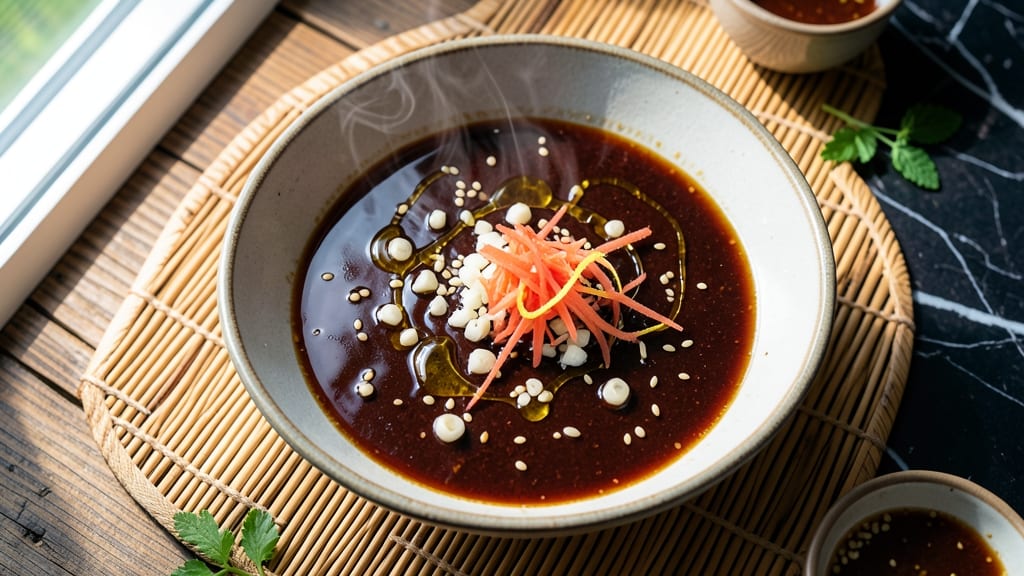
This Asian style sauce recipe delivers the bold, umami-packed flavor that elevates everything from stir-fries to spring rolls. The secret lies in balancing traditional ingredients like fish sauce and ginger with modern adaptability—perfect for home cooks who want restaurant-quality taste without complexity.
What sets this apart is its versatility: use it as a dipping sauce, marinade, or stir-fry glaze, adjusting heat levels to suit your preference.
The foundation is simple: a simmered blend of soy sauce, garlic, and ginger creates the base, while sesame oil and a touch of honey add depth. No special equipment is needed—just a saucepan and 15 minutes of active time. The result?
A sauce that’s rich, aromatic, and packed with layers of flavor, yet easy to customize. Whether you’re cooking for a crowd or meal prepping, this sauce keeps well in the fridge for up to two weeks, making it a pantry staple.
What makes this sauce truly special is its adaptability. Need more heat? Add chili paste or red pepper flakes. Prefer sweetness? A splash of rice vinegar or extra honey balances the umami.
The texture is smooth and clingy, clinging to every noodle, dumpling, or protein for maximum flavor impact. It’s the kind of sauce that transforms simple ingredients into something extraordinary—without the fuss.
From stir-fries to dipping sauces, this recipe is designed to become your go-to for Asian-inspired dishes. The best part? You can make a big batch and store it for future use, ensuring you’re always ready to add depth to your meals. Let’s get started—your taste buds will thank you.
Ingredients for asian style sauce
Pantry staples meet bold Asian flavors—simple ingredients, big impact every time.
| Ingredient | Amount | Notes |
|---|---|---|
| Soy Sauce 🍶 | ½ cup | Light or dark variety preferred |
| Sesame Oil 🫒 | 1 tbsp | Toasted sesame oil for aroma |
| Fish Sauce 🐟 | 2 tbsp | Red Boat preferred for quality |
| Garlic Cloves 🧄 | 4 cloves | Minced for even distribution |
| Fresh Ginger 🌿 | 2 tbsp | Grated, not powdered |
| Honey 🍯 | 1 tbsp | Wildflower or clover preferred |
| Rice Vinegar 🍶 | 1 tbsp | For brightness and balance |
| Sesame Seeds 🌰 | 1 tbsp | Toasted, for garnish and crunch |
| Sriracha Sauce 🌶️ | 1 tbsp | Adjust for heat preference |
| Water 💧 | ¼ cup | For thinning if needed |
The fish sauce is non-negotiable here. Red Boat is my go-to—it’s clean, potent, and doesn’t taste like fishy cleaning fluid. Grab it at Asian markets or the international aisle at Whole Foods. Fresh ginger is better than powdered, but if you’re in a pinch, double the powdered amount. The garlic? Toast it in the oil first—trust me, it makes all the difference. Sesame oil should be toasted, not the cheap, flavorless kind you find in the back of the pantry. Kadoya or La Choy are solid brands if you can’t find it elsewhere.
No fish sauce? Coconut aminos gets you close, but it won’t have the same umami punch. Sriracha too spicy? Swap for gochujang or less heat. The honey can be maple syrup if you’re avoiding it, but it’ll taste slightly different. Rice vinegar out of stock? Apple cider vinegar works in a bind. Want more depth? Add a dash of oyster sauce or a splash of mirin. This sauce is all about balancing flavors—play with it! The water is just for thinning if it’s too thick, but honestly, it’s better thick for stir-fries and clingy for dipping.
This sauce keeps for 2 weeks in the fridge, sealed tight in a jar. The flavors actually get better over time—let it sit for a day before using if you can. For longer storage, freeze in ice cube trays—perfect for adding to dishes later. If you make a big batch, divide it into smaller containers so you’re not digging into one giant jar. The sesame seeds? Toast them fresh before adding to keep that nutty crunch. Garnish with extra seeds or chopped scallions if you’re feeling fancy.
Why You'll Love This Recipe
- Pantry Magic: I swear by this sauce because it’s all about what’s already in my cupboard. No specialty shopping—just soy sauce, a splash of fish sauce, and the kind of garlic and ginger I grab every week. Honestly, it’s the kind of recipe that makes me feel like a chef without the fuss.
- Umami Bomb: That first drop of sesame oil when you toss it in? Chef’s kiss. The garlic and ginger sizzle just enough to wake up the soy and fish sauce, giving you this deep, salty-sweet punch that sticks with you. Between us, it’s the kind of flavor that turns simple stir-fries into something you’d pay for at a restaurant.
- Weeknight Swiss Army: This sauce is my secret weapon for lazy nights—drizzle it over noodles, toss it with tofu, or even slather it on grilled chicken. I’ll be real: it’s saved me more than once when I stared at an empty fridge and needed dinner now. Plus, it’s the kind of thing that works for takeout night or a fancy-ish dinner with friends.
- Budget-Friendly Staple: A little goes a long way, and this sauce costs me pennies per serving. I make a big batch, store it in the fridge, and use it for everything—no waste, no stress. Honestly, it’s the kind of recipe that makes me feel like I’m getting a gourmet experience without breaking the bank.
Step-by-step instructions for Asian style sauce recipe
Here's how to craft a versatile, umami-rich sauce that elevates stir-fries and dips alike.
Prepare the Aromatics
In a small bowl, finely mince the 4 cloves garlic cloves and grate the 2 tablespoons fresh ginger using a microplane or fine grater. You want the ginger to be as smooth as possible—this ensures even distribution and prevents any gritty texture in your sauce. Set these aside for now; we'll add them to the sauce later when we need that aromatic punch.
While you're prepping, toast the 1 tablespoon sesame seeds in a dry skillet over medium heat for 1-2 minutes until they turn a rich golden brown and release their nutty aroma. Let them cool completely before adding to the sauce—they'll bring beautiful crunch and visual appeal when garnished. Keep them nearby as your finishing touch.
Combine the Base Ingredients
In a medium saucepan, whisk together the 0.5 cup soy sauce, 2 tablespoons fish sauce, and 1 tablespoon honey. Start on medium-low heat and let the mixture warm gently for 2-3 minutes, stirring occasionally. You'll notice the honey begin to dissolve into the salty-savory base, creating a smooth foundation.
This is where the magic begins—don't rush this step. The heat helps the fish sauce mellow slightly, reducing its initial sharpness while allowing the soy sauce's deep umami to develop. If you see any oil separating from the fish sauce, gently swirl the pan to reincorporate it.
Add the Aromatics and Balance Flavors
Once the base is warm, turn off the heat and stir in the minced garlic and grated ginger. Let the mixture sit for 1 minute—this allows the raw aromatics to infuse without cooking, preserving their bright flavors. Then add the 1 tablespoon rice vinegar and 1 tablespoon sriracha sauce, giving everything a final stir.
Here's where you can taste and adjust. If the sauce needs more depth, add a splash of the 0.25 cup water (start with 1 tablespoon at a time). For more heat, add another ½ teaspoon sriracha. The goal is a balance of salty, sweet, tangy, and spicy—each component should sing without overpowering the others.
Finish and Store
Let the sauce cool to room temperature, then transfer it to a clean jar or airtight container. The flavors will continue to meld as it sits, deepening over the next 30 minutes. Before sealing, sprinkle the toasted sesame seeds on top—they'll add texture and a final aromatic note.
This sauce keeps well in the refrigerator for up to 2 weeks, making it perfect for batch prep. For best results, shake or stir before each use, especially if you've added water to thin it. The versatility is endless—use it as a stir-fry sauce, dipping sauce for spring rolls, or even a marinade for grilled meats.
Pro Tips For Making Asian Style Sauce
- MINCE THAT GINGER: I learned this the hard way—peeling and slicing ginger takes forever. Instead, peel a 2-inch knob, smash it flat with the side of your knife, then chop it tiny (think rice grains). This way, it dissolves into the sauce without leaving those stubborn chunks that ruin the texture.
- SALT THE GARLIC FIRST: Toss your chopped garlic in a teaspoon of soy sauce for 5 minutes before cooking. This softens it and prevents it from burning into bitter oblivion—especially when you’re impatient and cranking up the heat. (Yes, even if you’re impatient like me.)
- ADD SESAME OIL LAST: This isn’t the prettiest method, but it’s the tastiest: simmer everything else first, then pull the pan off heat just before adding the sesame oil. Heat destroys its nutty aroma, and you’ll end up with a dish that smells like a street food stall, not a sad, flat sauce.
- DILUTE THE FISH SAUCE: Fish sauce is salty—like, way saltier than you’d guess. Mix it with a splash of water (about 1:1 ratio) before adding it to the sauce. This way, you can taste and adjust the balance without ending up with something that could double as a marinade for a salt lick.
Flavor customization for asian style sauce
Sweet vs. Savory
The honey in this sauce adds natural sweetness that balances the umami depth perfectly, but you can adjust it based on your taste. For a more savory profile, reduce the honey to ½ tablespoon and add ½ teaspoon grated lemon zest to brighten the flavors.
If you prefer a sweeter sauce, increase the honey to 2 tablespoons and add a pinch of ground white pepper to enhance the sweetness without overpowering. 🍯
Spicy Heat Levels
This recipe includes 1 tablespoon sriracha, but you can easily customize the heat. For mild heat, reduce to ½ tablespoon or swap for 1 teaspoon gochujang for a fermented, slightly sweet kick. If you love spice, add 1-2 teaspoons chili paste or ½ teaspoon cayenne pepper—just
Umami Boosters
Want even more depth? Stir in 1 teaspoon oyster sauce or ½ teaspoon fish sauce (if you’re feeling adventurous) for extra umami. For a vegetarian option, add 1 teaspoon soy sauce and ½ teaspoon mushroom powder to mimic the savory richness. These tweaks won’t alter the sauce’s versatility but will take it to the next level. 🌟
Texture Adjustments
This sauce is naturally smooth, but you can tweak the texture based on your needs. For a thicker, glaze-like consistency (great for stir-fries), simmer the sauce uncovered for 2-3 minutes on low heat. For a thinner, dipping-sauce texture, add 1-2 tablespoons water or rice vinegar while still warm.
If you prefer a chunky sauce, finely chop 1 tablespoon pickled ginger or red onion and stir it in at the end.
Regional Twists
Give your sauce a regional flair by swapping one key ingredient. For a Thai-inspired version, replace the soy sauce with 3 tablespoons tamarind paste and add 1 teaspoon palm sugar.
For a Japanese-inspired sauce, use mirin instead of honey and add ½ teaspoon grated daikon radish. Each variation keeps the sauce’s core versatility while giving it a distinct character. 🗺️
Storage Hacks
This sauce freezes beautifully for up to 3 months if stored in an airtight container. For easy portioning, freeze it in ice cube trays and pop out individual servings as needed. To reheat, thaw in the fridge overnight and stir well.
If the sauce thickens after freezing, thin it with 1 teaspoon water or rice vinegar** before using. Always store it in the fridge after opening to preserve freshness.
Nutrition facts
Frequently asked questions
Can I make this sauce without fish sauce?
Yes! For a vegetarian version, replace the 2 tablespoons fish sauce with 3 tablespoons coconut aminos or 2 tablespoons soy sauce plus ½ teaspoon mushroom powder to mimic umami. The flavor will be slightly different but still delicious. For a non-vegetarian alternative, try 1 tablespoon oyster sauce instead.
How do I adjust the heat level if sriracha is too spicy?
Reduce the 1 tablespoon sriracha to ½ tablespoon for milder heat. For a sweeter spice alternative, swap it for 1 teaspoon gochujang (Korean chili paste) or ½ teaspoon chili flakes. If you love spice, add ½ teaspoon cayenne pepper instead. Always taste as you go!
Can I use this sauce as a marinade?
This sauce works perfectly as a marinade for chicken, shrimp, or tofu. Use it undiluted for 30 minutes to 2 hours before cooking. For tougher meats like beef, marinate for 4-6 hours in the fridge. The acidity from the rice vinegar helps tenderize, while the umami flavors infuse beautifully.
What’s the best way to store leftovers?
Transfer the sauce to an airtight container and store it in the fridge for up to 2 weeks. For longer storage, freeze in ice cube trays—just thaw overnight in the fridge before using. If the sauce thickens after freezing, thin it with 1 teaspoon water or rice vinegar while stirring. Always shake well before each use.
How can I make this sauce thicker or thinner?
For a thicker glaze (great for stir-fries), simmer the sauce uncovered for 2-3 minutes on low heat. To thin it (ideal for dipping), add 1-2 tablespoons water or rice vinegar while warm. If you prefer texture, stir in 1 tablespoon finely chopped pickled ginger or red onion at the end for a chunky version.