
Sauces & Condiments
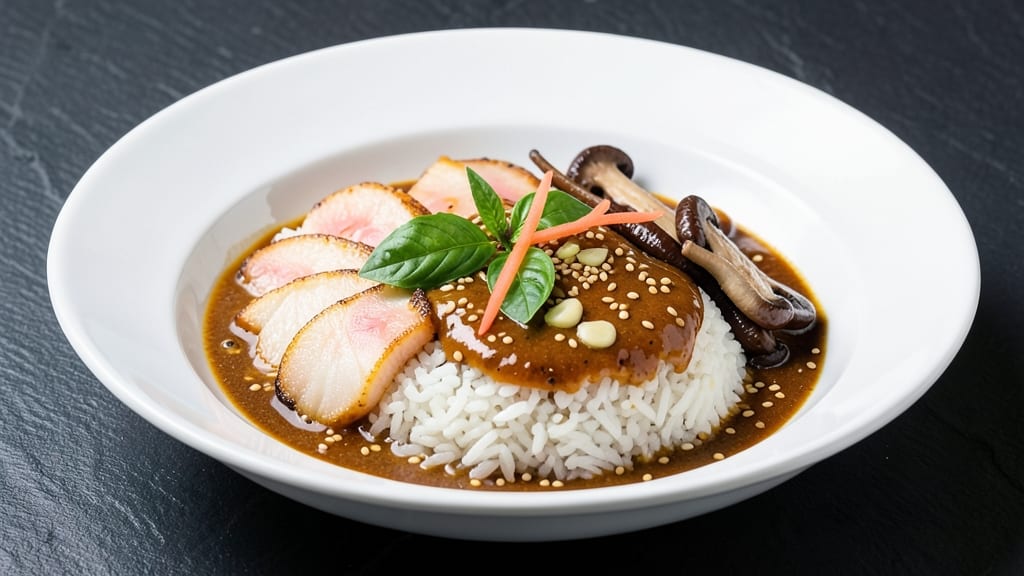
This Asian sesame sauce recipe transforms simple pantry staples into a nutty-tangy condiment that elevates everything from noodles to stir-fries. The secret lies in balancing toasted sesame oil, rich soy sauce, and a touch of sweetness—creating a sauce that’s both complex and effortlessly versatile.
With just five core ingredients and 10 minutes of active time, you’ll have a silky, aromatic sauce ready to drizzle over hot dishes or use as a dipping companion.
The magic happens when you simmer the ingredients just until they meld into a smooth, cohesive sauce—no blender required. Toasted sesame oil adds depth, while a splash of rice vinegar brightens the flavor, cutting through the richness.
A pinch of sugar (or honey) balances the tang, ensuring every drop is harmonious and irresistibly flavorful. This isn’t just a sauce; it’s a flavor multiplier that turns ordinary meals into standout dishes.
Once cooled, this sauce keeps for up to two weeks in the fridge, making it perfect for meal prep. Drizzle it over ramen, toss it with cold soba noodles, or use it as a dipping sauce for dumplings and spring rolls.
The possibilities are endless, and the process couldn’t be simpler. Let’s get started—your taste buds will thank you.
For an extra layer of complexity, consider adding a clove of garlic or a dash of chili paste while simmering. The sauce’s versatility means it works equally well in savory dishes or even as a glaze for grilled meats.
Store it in an airtight container, and you’ll always have a restaurant-quality drizzle on hand.
Ingredients for asian sesame sauce
Five simple ingredients transform into a restaurant-quality sauce that drizzles perfectly over noodles.
| Ingredient | Amount | Notes |
|---|---|---|
| Toasted Sesame Oil 🫒 | ¼ cup | High-quality, nutty aroma |
| Light Soy Sauce 🥢 | ⅓ cup | Kikkoman preferred |
| Rice Vinegar 🍶 | ¼ cup | White or seasoned |
| Granulated Sugar 🍚 | 2 tbsp | White or brown |
| Sesame Seeds 🌾 | 1 tbsp | Toasted for extra flavor |
| Garlic Cloves 🧄 | 1 clove | Minced, optional for depth |
| Water 💧 | ⅓ cup | Room temperature |
| Chili Paste 🌶️ | ½ tbsp | Optional for heat |
The sesame oil is non-negotiable—Kikkoman or La Choy are my go-tos, but any high-quality brand works. Look for toasted sesame oil in the Asian aisle (not the regular cooking oil section). Rice vinegar should smell bright and tangy—if it’s dull, toss it. The garlic clove is optional but adds a subtle depth that makes this sauce next-level. For the sesame seeds, toast them in a dry pan for 30 seconds until fragrant—that aroma is what makes this sauce sing. If you’re short on time, skip the toasting and just add them raw, but your sauce will taste less complex.
No sesame oil? Peanut butter or tahini at half the amount works in a pinch, but the flavor profile will shift. Light soy sauce is key—dark soy sauce will make your sauce too bitter. Substitute honey for sugar if you prefer, but the sauce will be slightly less balanced. The chili paste is totally optional, but if you add it, go easy—you can always add more later. For an extra tang, swap half the rice vinegar for mirin. And if you’re feeling fancy, add a splash of fish sauce (just 1/2 teaspoon) for umami depth—though this makes it non-vegan.
This sauce thickens as it cools, so don’t stress if it looks too thin right after simmering. Store it in a small glass jar with a tight seal—keeps for 2 weeks in the fridge. For longer storage, freeze in ice cube trays and transfer to a bag. Shake well before using, especially if it’s been refrigerated. Pro tip: drizzle over hot noodles or stir-fries right before serving—the heat wakes up all the flavors. Leftovers? Toss with cold soba noodles or use as a dipping sauce for dumplings.
Why You'll Love This Recipe
- Five-Ingredient Magic: I swear by this recipe—just heat, stir, and boom—you’ve got a sauce that tastes like it simmered for hours. The toasted sesame oil alone makes it smell like a wok house, and the sugar cuts through the soy’s saltiness in the best way.
- Drizzle or Drown: This sauce works as a light glaze for grilled chicken or a full-on marinade for tofu—no guilt either way. I’ve used it to coat stir-fries, toss with noodles, or even drizzle over steamed veggies. (Yes, even my picky husband licks the bowl.)
- Pantry Superhero: Between us, this is my go-to when I’m low on time or ingredients. A splash of vinegar, a pinch of sugar, and that nutty sesame aroma? It turns boring meals into something special. Honestly, I keep a jar in the fridge for emergencies.
- Leftovers That Last: Make a double batch—it keeps for weeks in the fridge and freezes like a dream. I’ll be real: I’ve had this sauce sit in my fridge for months, waiting for the right moment. (Spoiler: It never lets me down.)
Step-by-step instructions for Asian sesame sauce
This nutty, tangy sauce comes together in minutes with simple pantry staples.
Toast the Sesame Seeds for Depth of Flavor
Heat a small dry skillet over medium-low heat. Add the 1 tablespoon sesame seeds and toast them for 2-3 minutes, stirring constantly, until they turn a rich golden brown and release their nutty aroma. You'll know they're done when they stop popping and smell intensely toasted.
Transfer the toasted seeds to a small bowl and let them cool completely. This step is crucial—it develops the nutty flavor that makes this sauce special. If you don't have time to toast them, you can use pre-toasted seeds, but fresh toasting makes all the difference.
Create the Sauce Base with Vinegar and Sugar
In a medium saucepan, combine the 0.25 cup rice vinegar, 2 tablespoons granulated sugar, and 0.33 cup water. Bring the mixture to a gentle simmer over medium heat, stirring until the sugar dissolves completely. This should take about 2-3 minutes—you're looking for a smooth, clear liquid without any graininess.
Once dissolved, reduce the heat to low and let the mixture simmer for another 1-2 minutes to develop a subtle tanginess. The vinegar will mellow slightly as it cooks, creating the perfect balance for the rich flavors to come. Keep an eye on it so it doesn't boil over.
Build the Sauce with Soy Sauce and Chili Paste
Remove the pan from heat and whisk in the 0.33 cup light soy sauce and 0.5 tablespoon chili paste (if using). The paste will give the sauce a subtle heat that pairs beautifully with the nutty flavors. Stir well to combine completely—this is where all the flavors come together.
Return the pan to low heat and let the sauce simmer gently for 3-4 minutes, stirring occasionally. You're looking for the sauce to thicken slightly and coat the back of a spoon. If it thickens too much, you can add 1 tablespoon water to adjust the consistency to your preference.
Finish with Toasted Sesame Oil and Garlic
Remove the sauce from heat and stir in the 0.25 cup toasted sesame oil and 1 minced garlic clove (if using). The oil should immediately emulsify into the sauce, creating a glossy, silky texture. The garlic adds a subtle depth that ties everything together.
Finally, stir in the toasted sesame seeds. Taste and adjust the seasoning if needed—you might want to add a touch more sugar for sweetness or soy sauce for saltiness. The sauce should be perfectly balanced: nutty, tangy, slightly sweet, and with just a hint of heat if you used chili paste.
Rest and Use Immediately
Let the sauce sit at room temperature for 5 minutes to allow the flavors to meld completely. This resting time ensures that all the components—vinegar, soy sauce, sesame oil, and garlic—work together harmoniously.
The sauce is now ready to use! It's perfect for drizzling over noodles, topping grilled meats, or serving as a dip for spring rolls. If you're not using it all at once, store it in an airtight container in the refrigerator for up to 1 week, stirring before each use to re-emulsify the oil.
Pro Tips For Making Asian Sesame Sauce
- Whisk in Stages: Start by mixing the soy sauce and sugar first—let them sit for 30 seconds so the sugar dissolves completely. Then add the vinegar and sesame oil last, whisking gently to avoid breaking the oil’s delicate flavor. I used to dump everything in at once, and the sauce always tasted uneven.
- Toast Seeds Fresh: Skip the pre-toasted sesame seeds from the jar—they’re often stale or burnt. Dry-toast your own in a small pan over medium-low for 2-3 minutes, shaking constantly, until they’re golden and fragrant. The difference in aroma is night and day, and it takes less than 5 minutes.
- Control the Oil Heat: Toasted sesame oil burns faster than you’d think. Warm it in the sauce last over the lowest possible heat—just enough to infuse the aroma without letting it smoke. If it smells harsh, you’ve overdone it, and the sauce will taste bitter.
- Balance the Vinegar: Rice vinegar’s acidity can overpower if you’re not careful. Taste as you go, adding it a teaspoon at a time until it brightens the sauce, then stop. I learned this after making a batch so tangy it ruined a perfectly good noodle dish—now I adjust in increments.
Essential equipment for great asian sesame sauce
Small Saucepan
I use a 2-quart stainless steel saucepan—it’s the perfect size for this recipe and heats evenly without hot spots. Look for one with two handles (like the Ozeri Touch Control) for easy maneuvering while stirring.
If you don’t have stainless steel, a heavy-bottomed enamel pan works too—just avoid nonstick, as the sauce’s acidity can degrade the coating over time. 🔥
Whisk or Rubber Spatula
A silicone spatula or balloon whisk is essential for blending the sauce smoothly. I prefer a silicon spatula (like OXO Good Grips) because it won’t scratch your pan and scrapes every last bit of sauce.
For emulsifying the sesame oil, a whisk ensures a silky texture without lumps. Keep it handy—you’ll use it in every step!
Small Skillet for Toasting
Toast those sesame seeds in a small cast-iron skillet (like Lodge) for even heat distribution and that signature nutty aroma. If you don’t own cast iron, a nonstick pan works fine—just avoid overheating to prevent burning.
Pro tip: Use a mesh strainer to catch any seeds that pop out while toasting. 🌾
Measuring Tools
Precision matters here! Use a liquid measuring cup for the vinegar and water, and a small measuring spoon set (like OXO Stainless Steel) for the sugar and sesame seeds.
A digital kitchen scale (optional but helpful) ensures accuracy if you’re experimenting with substitutions. Don’t eyeball it—this sauce’s balance depends on those exact ratios.
Air-Tight Storage
Store your sauce in a small glass jar with a tight-sealing lid (like Le Parfait) to preserve freshness for up to 2 weeks. Glass won’t absorb flavors or odors like plastic, and the lid keeps the oil from separating.
For longer storage, freeze in ice cube trays—just thaw in the fridge overnight and shake well before using. 💧
Nutrition facts
Frequently asked questions
Can I make this sesame sauce without sesame oil?
Yes! For a similar nutty flavor, substitute 1 tablespoon tahini or 2 tablespoons peanut butter mixed with 1 tablespoon water to thin it. The texture will be slightly thicker, but it’ll still add richness. Just reduce the toasted sesame oil to 2 tablespoons to balance the flavors.
How do I fix a separated sauce?
If the oil separates, whisk vigorously or use an immersion blender to re-emulsify. Add 1 teaspoon water at a time while blending until smooth. For future batches, chill the sauce before storing to prevent separation. Stir well before using to restore its silky texture.
What’s the best way to use leftover sesame sauce?
Drizzle it over ramen, udon, or cold soba noodles for instant flavor. It’s also perfect as a dip for spring rolls, dumplings, or grilled shrimp. For extra richness, warm it gently before using—this enhances the aromatic sesame notes. Store leftovers in an airtight container for up to 2 weeks.
Can I make this sauce spicier?
Add 1/2 teaspoon red pepper flakes or 1 extra tablespoon chili paste while simmering. For heat control, start with less and adjust to taste. A dash of Sriracha (1/2 teaspoon) works too—just stir it in at the very end to preserve its vibrant flavor.
Why does my sauce taste too salty?
Light soy sauce is salty, so balance it with 1 extra teaspoon sugar or 1 tablespoon water. If needed, add a splash of rice vinegar to brighten the flavor. For future batches, reduce soy sauce to 1/3 cup and taste as you go. A pinch of sugar or honey can also help round out the saltiness.