
Sauces & Condiments
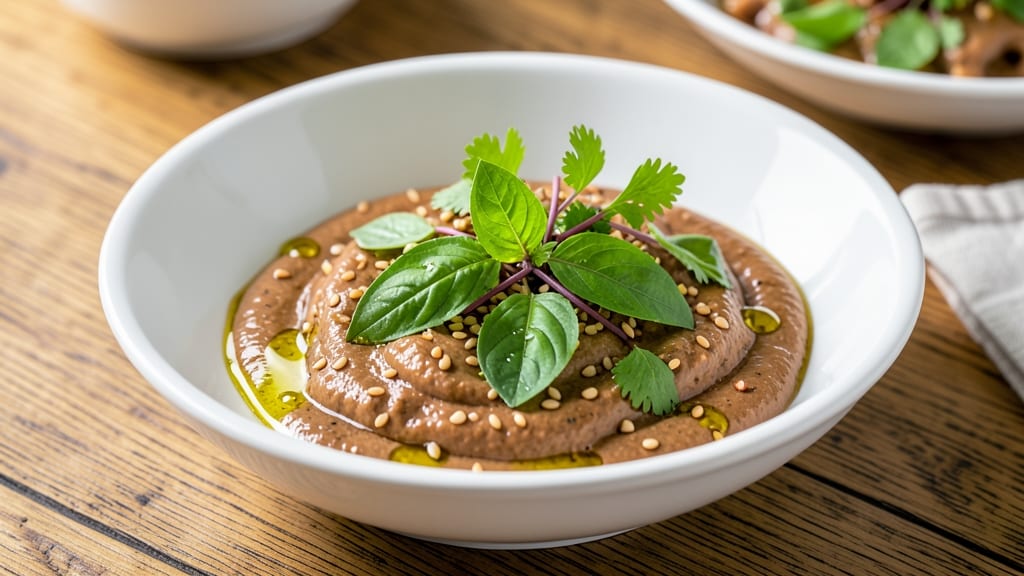
This Asian pesto sauce recipe transforms ordinary meals into vibrant, flavor-packed experiences with just 10 minutes of prep time. The nutty sesame and bright lime zing create a versatile sauce that elevates everything from noodles to grilled proteins.
I developed this recipe after craving that perfect balance of umami, freshness, and texture that Asian-inspired dishes deliver—without the fuss of traditional pesto-making.
The foundation lies in toasted sesame seeds and fresh herbs, blended with a tangy lime dressing and creamy peanut butter for richness. Unlike heavy cream-based pestos, this version stays light yet deeply flavorful, with just enough oil to create that signature silky texture.
The secret? Toasting the sesame seeds first—this unlocks their nutty aroma and prevents bitterness in the final sauce.
What makes this sauce truly special is its adaptability. Drizzle it over steaming hot noodles for instant flavor, mix it into dressings, or use it as a marinade for meats. The lime keeps it fresh, while the peanut butter adds depth that pairs beautifully with both sweet and savory dishes.
Best of all, it keeps for up to a week in the fridge, making it a go-to pantry staple.
For those avoiding nuts, simply swap the peanut butter for tahini or avocado—same creamy texture, different flavor profile. Ready in minutes, this sauce proves that homemade condiments can be both effortless and extraordinary. Let’s make it!
Ingredients for asian pesto sauce
Toasted sesame seeds and fresh herbs blend with tangy lime and creamy peanut butter for this vibrant sauce.
| Ingredient | Amount | Notes |
|---|---|---|
| Toasted Sesame Seeds 🥜 | ½ cup | Store-bought or homemade toasted |
| Fresh Cilantro Leaves 🌿 | 1 cup | Stems removed, tightly packed |
| Fresh Thai Basil Leaves 🌿 | ¼ cup | Substitute regular basil if unavailable |
| Natural Peanut Butter 🥜 | ½ cup | Creamy, no added sugar |
| Fresh Lime Juice 🍋 | ¼ cup | About 2-3 limes, freshly squeezed |
| Extra-Virgin Olive Oil 🫒 | ½ cup | Light, fruity variety preferred |
| Sesame Oil 🫒 | 1 tbsp | Toasted, not flavored |
| Garlic Cloves 🧄 | 3 cloves | Peeled, roughly chopped |
| Ginger Root 🌿 | 1 tbsp | Fresh, finely grated |
| Soy Sauce 🥢 | 1 tbsp | Light or regular, not low-sodium |
| Sea Salt 🧂 | ½ tsp | Fine grain preferred |
| Black Pepper 🌶️ | ¼ tsp | Freshly ground for best flavor |
The sesame seeds are the heart of this sauce—toasting them first unlocks their nutty aroma. Grab lightly toasted sesame seeds from the bulk section at Whole Foods or Trader Joe's for convenience, but homemade toasted seeds (dry-toast in a pan for 2-3 minutes) add extra depth. Fresh cilantro and Thai basil are non-negotiable for that bright, herby punch, but if you can't find Thai basil, regular basil works in a pinch. The peanut butter should be natural, no-sugar-added—creamy texture blends best, but crunchy is fine if you prefer texture. For lime juice, Mexican Key limes have more zing, but regular limes work too.
No peanut butter? Tahini or avocado keeps the sauce creamy—avocado adds richness, tahini brings nutty depth. Short on sesame oil? Toasted sesame oil is key for that authentic flavor, but a dash of toasted peanut oil works in a bind. The garlic and ginger can be pre-minced (saves time), but freshly grated ginger and roughly chopped garlic give the best flavor. Soy sauce adds umami—low-sodium versions need a pinch of extra salt. For extra heat, add a pinch of red pepper flakes or a dash of Sriracha at the end.
This sauce keeps beautifully—up to 1 week in an airtight jar in the fridge. The lime juice will make it separate, so stir before using. For longer storage, freeze in ice cube trays—thaw and blend with a splash of water if needed. The peanut butter version holds up best for freezing, while tahini-based versions may separate slightly. Always taste before serving—adjust salt or lime to preference. Leftovers make a killer marinade for tofu or grilled chicken!
Why You'll Love This Recipe
- No Blender Needed: I swear by this—just a fork, a bowl, and a little elbow grease. The peanut butter and lime juice blend right into the herbs without needing fancy equipment, and honestly? The texture is better this way—chunky, fresh, and full of those toasted sesame crunch bits that disappear too fast.
- Bright & Nutty Magic: That first bite? It’s like sunshine in a jar. The lime cuts through the richness of the peanut butter while the Thai basil adds this weirdly addictive sweetness, and the sesame seeds? They’re the secret—nutty, toasty, and they make everything taste like it’s been kissed by a wok.
- Pantry to Plate: Between us, this sauce is my lazy-day hero. Drizzle it over noodles, mix it into a quick stir-fry, or slather it on grilled chicken—it works everywhere. (Yes, even on a Tuesday night when you’re staring at a sad bag of rice and wondering what to do.)
- Lasts All Week: I make a big batch every Sunday and it’s still good by Friday. The lime juice keeps it fresh, and the peanut butter gives it that rich, stable base that won’t turn weird in the fridge. Plus, it’s cheap—just a handful of ingredients, no specialty items, and zero waste.
Step-by-step instructions for Asian pesto sauce
Here's how to blend bold flavors into a vibrant sauce that elevates everything from noodles to grilled meats.
Toast the Sesame Seeds
Heat a dry skillet over medium heat and add the 0.5 cup toasted sesame seeds. Toast for 2-3 minutes until they turn a deeper golden brown and release their nutty aroma. Stir constantly to prevent burning—you want them fragrant, not bitter.
Remove from heat immediately and let cool for 5 minutes before processing. This step intensifies their flavor and prevents the sauce from becoming oily. I like to spread them on a plate to cool faster while I prepare the other ingredients.
Pulse the Herbs and Aromatics
In a food processor, combine the 1 cup fresh cilantro leaves, 0.25 cup fresh Thai basil leaves, 3 cloves garlic cloves, and 1 tablespoon finely grated ginger root. Pulse until finely chopped but not completely pureed—you want visible texture in your sauce.
This stage is crucial for balancing freshness and depth. If you pulse too long, you'll lose the bright herb notes that make this sauce so vibrant. I aim for a consistency similar to coarse sea salt—just enough to break down the leaves while preserving their color.
Blend the Wet Ingredients
With the food processor running, slowly drizzle in the 0.5 cup extra-virgin olive oil and 1 tablespoon sesame oil through the feed tube. This gradual addition prevents the oils from splattering and ensures even emulsification. Scrape down the sides as needed to incorporate everything.
Next, add the 0.5 cup natural peanut butter, 0.25 cup fresh lime juice, 1 tablespoon soy sauce, 0.5 teaspoon sea salt, and 0.25 teaspoon black pepper. Process until completely smooth, stopping to scrape the sides if the mixture thickens unevenly.
Combine and Adjust Consistency
Transfer the sauce to a bowl and gently fold in the toasted sesame seeds using a silicone spatula. Taste immediately and adjust seasoning—add more lime juice for brightness, soy sauce for umami, or a pinch of salt if needed. The sauce should be vibrant green with nutty flecks.
For a thinner consistency, whisk in 1-2 tablespoons water at a time. For a thicker sauce, chill for 30 minutes to allow the oils to firm up. This versatile sauce keeps well in the refrigerator for up to 5 days—perfect for meal prep.
Pro Tips For Making Asian Pesto Sauce
- TOAST SEEDS LOW: Pop those sesame seeds in a dry pan over medium-low heat—high heat burns them fast and turns bitter. Stir constantly until they’re golden, about 2-3 minutes, then immediately transfer to a bowl to cool. I learned this the hard way when my first batch smelled like a campfire instead of a pesto.
- STACK BASIL RIGHT: Bundle Thai basil stems together and smack them against your cutting board hard before chopping—this bruises the leaves and releases more flavor. Skip the gentle slicing, or you’ll end up with a sauce that tastes like you skipped the basil entirely.
- PEANUT BUTTER FIRST: Start blending with the peanut butter alone for 30 seconds before adding anything else. This creates a smooth base and prevents clumps when you toss in the lime juice later. (Yes, it’ll look weird at first—but trust me, your sauce won’t seize up.)
- LIME IN STAGES: Add lime juice gradually, tasting as you go—start with half the recipe’s amount, then adjust. Too much upfront makes the sauce sharp and unbalanced; too little leaves it flat. (And no, you can’t fix it by adding more later.)
Health benefits of this dish
Herb-Packed Antioxidants
This sauce is a powerhouse of antioxidant-rich herbs like cilantro and Thai basil, which help neutralize free radicals in your body. Cilantro contains vitamin K and vitamin A, supporting blood clotting and immune function, while Thai basil provides eugenol, a compound with anti-inflammatory properties.
The combination of these fresh herbs not only boosts flavor but also enhances the sauce's nutritional profile. 💚
Healthy Fats for Satiety
The peanut butter and extra-virgin olive oil in this sauce provide monounsaturated and polyunsaturated fats, which keep you feeling full and satisfied. Unlike heavy cream-based sauces, these ingredients offer heart-healthy fats that support cholesterol balance.
A 2-tablespoon serving delivers about 8 grams of healthy fats, making this sauce a great alternative to calorie-dense condiments.
Lime's Vitamin C Boost
Fresh lime juice adds a bright, tangy kick while delivering vitamin C, a crucial nutrient for collagen production and immune support. A ¼ cup of lime juice provides roughly 40% of your daily vitamin C needs, helping your body absorb iron from plant-based foods.
The acidity also aids digestion, making this sauce a great pairing for heavier meals like fried rice or grilled proteins.
Sesame's Mineral Magic
Toasted sesame seeds are packed with calcium, magnesium, and zinc, essential minerals for bone health, muscle function, and immune support. Just ½ cup of sesame seeds contains about 25% of your daily calcium needs.
The toasting process enhances their flavor while preserving these nutrients, making them a flavorful yet functional addition to the sauce.
Protein Without the Meat
While not a complete protein source, the combination of peanut butter and sesame seeds provides a plant-based protein boost. A 2-tablespoon serving of this sauce contains about 3 grams of protein, making it a great option for vegetarian or vegan diets.
The sauce's umami depth from soy sauce and garlic also makes it a satisfying addition to plant-forward meals.
Low-Calorie, High-Flavor
Compared to traditional creamy sauces, this Asian pesto packs bold flavor with fewer calories. A 2-tablespoon serving contains roughly 80-100 calories, making it a lighter yet equally satisfying option.
The lime and herbs add freshness without adding excess fat, making it perfect for those watching their calorie intake while still craving rich, complex flavors. 💫
Nutrition facts
Frequently asked questions
Can I make this sauce without a food processor?
Yes! For a chunkier texture, finely chop all herbs and garlic by hand, then whisk everything together in a bowl. Use a fork to break up the peanut butter and blend in the oils gradually. The sauce will have more texture but still pack all the flavor. For a smoother version, blend with an immersion blender if available.
How do I adjust the spice level?
Start with the basic recipe, then add ½ teaspoon of chili flakes or 1 teaspoon of sriracha for mild heat. For extra kick, blend in 1-2 fresh Thai chilies with the herbs. Always taste before serving—adjust gradually to avoid overpowering the delicate balance of flavors.
What are the best ways to use this sauce?
This versatile sauce works as a dipping sauce for spring rolls, a marinade for grilled chicken or tofu, or a dressing for fresh salads. Try it with steamed jasmine rice, drizzled over cold noodles, or mixed into peanut butter stir-fries. The lime keeps it fresh, while the peanut butter adds richness that pairs beautifully with both sweet and savory dishes.
Why did my sauce separate?
Separation happens when oils and liquids aren't fully emulsified. Blend again with 1 tablespoon of water to help re-combine. For prevention, always add oils slowly while blending. If storing, keep it in an airtight container and stir before using. The peanut butter version holds up best, while tahini-based versions may need extra blending.
Can I make this sauce ahead of time?
Store in an airtight container in the fridge for up to 5 days. The lime juice may cause slight separation, so stir well before using. For longer storage, freeze in ice cube trays—thaw and blend with a splash of water if needed. The texture may thicken when chilled, so thin with water as needed when ready to use.