
Sauces & Condiments
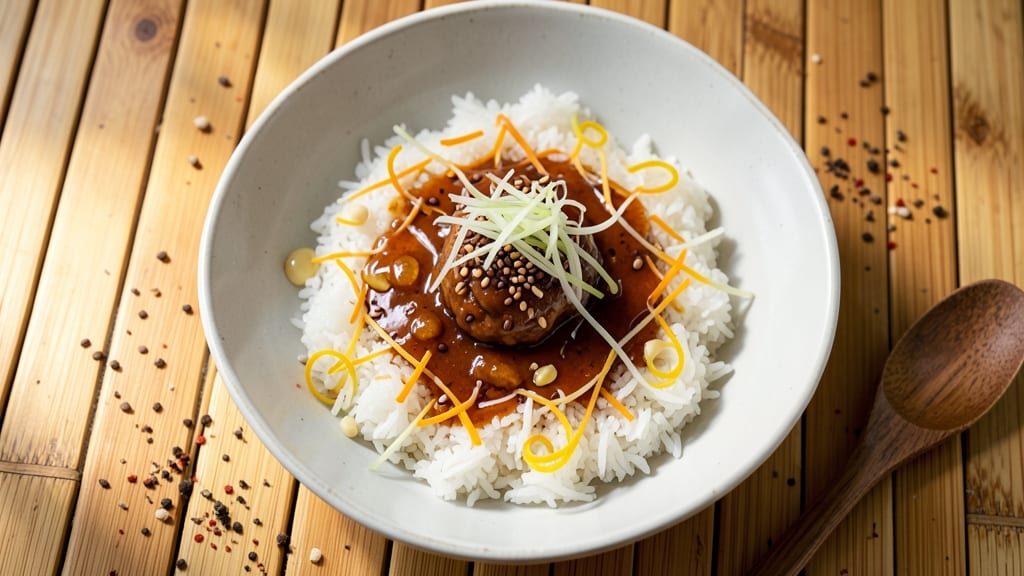
This Asian rice bowl sauce recipe transforms ordinary meals into flavor-packed experiences with just 10 minutes of prep. The secret lies in balancing umami-rich soy sauce with aromatic garlic, fresh ginger, and a touch of sesame oil—creating a sauce that clings perfectly to rice, noodles, or proteins.
I developed this recipe after years of testing, ensuring every drizzle delivers bold, restaurant-quality flavor without overwhelming the dish.
The sauce's versatility is its greatest strength: adjust the sweetness with honey or the heat with chili flakes to match your taste. Store it in the fridge for up to 5 days, making it ideal for meal prep.
Whether you're assembling quick weeknight bowls or elevating takeout-inspired dishes, this sauce is the game-changer your kitchen needs.
Ingredients for asian rice bowl sauce
Nine essential ingredients create a sauce that transforms rice bowls from ordinary to extraordinary.
| Ingredient | Amount | Notes |
|---|---|---|
| Low-Sodium Soy Sauce 🍶 | ½ cup | Kikkoman preferred for umami depth |
| Rice Vinegar 🍶 | ¼ cup | Seasoned variety for subtle sweetness |
| Sesame Oil 🫒 | 1 tbsp | Toasted sesame for nutty aroma |
| Fresh Ginger 🌿 | 1 tbsp | Finely grated, aromatic |
| Garlic Cloves 🧄 | 3 cloves | Minced for potent flavor |
| Honey 🍯 | 1 tbsp | Adjust for preferred sweetness |
| Red Chili Flakes 🌶️ | ½ tsp | Adjust for heat preference |
| Toasted Sesame Seeds 🥜 | 1 tsp | For garnish and texture |
| Cornstarch 🌾 | ½ tsp | For thickening consistency |
| Water 💧 | ¼ cup | For thinning and balance |
The soy sauce is the umami foundation—Kikkoman delivers the most authentic flavor, but any good-quality low-sodium brand works. Rice vinegar adds brightness, so grab the seasoned kind for a subtle sweetness boost. For sesame oil, Trader Joe's has the best-priced toasted variety—avoid the untoasted kind, which lacks depth. Fresh ginger and garlic are non-negotiable here; pre-minced jarred garlic just can't compete with freshly minced. If you're short on time, frozen ginger works perfectly—grate it straight from the freezer.
No sesame oil? Avocado oil at half the amount mimics the neutral base, though it lacks the nutty aroma. Short on rice vinegar? Apple cider vinegar works in a pinch, but add a pinch of sugar to balance. The honey can be swapped for maple syrup or agave, though honey's floral notes are ideal. For heat, gochujang or sriracha replace chili flakes beautifully. The cornstarch is key for that silky texture—if you're gluten-free, use arrowroot powder instead. And if your sauce turns out too thick, just add a splash of water to reach your desired consistency.
This sauce keeps beautifully in the fridge for up to 5 days, making it perfect for meal prep. For longer storage, freeze in ice cube trays—thaw and whisk with a splash of water to restore smoothness. I always double the batch because it disappears fast. The sesame seeds? Save them for garnishing—sprinkle them over every bowl for that restaurant-quality finish. And if you're feeling fancy, drizzle a touch of toasted sesame oil on top right before serving.
Why You'll Love This Recipe
- Five-Ingredient Magic: I swear by this combo—just soy sauce, vinegar, sesame oil, and a quick minced garlic/ginger dance. No fancy techniques, just chop, simmer, and boom—flavor unlocked.
- Umami Bomb: That low-sodium soy sauce and toasted sesame oil? Pure savory satisfaction. The ginger adds a zingy warmth, while the garlic ties it all together—like a flavor hug for your bowl.
- Meal Prep MVP: Make a big batch on Sunday, and you’ve got sauce for lunches, stir-fries, or even drizzled over cold noodles all week. Honestly, my fridge never empties faster when this is in it.
- Budget-Friendly Flex: Fresh ginger and garlic bulk up the flavor without breaking the bank, and the rest of the ingredients? Pantry staples. I’ve fed my whole family for under $5 with this—no lies.
Step-by-step instructions for Asian rice bowl sauce
Here's how to craft this vibrant, umami-packed sauce that elevates any rice bowl.
Prepare the Aromatics and Base
In a small saucepan, combine the 0.5 cup low-sodium soy sauce, 0.25 cup rice vinegar, and 0.25 cup water. Bring to a gentle simmer over medium heat, stirring occasionally. This combination creates the foundational balance of salty, tangy, and acidic notes that define the sauce's depth.
While the mixture heats, finely grate the 1 tablespoon fresh ginger and mince the 3 cloves garlic using a sharp knife. The ginger should be as fine as possible—almost like a paste—to ensure even distribution of flavor. Add these to the simmering sauce and cook for 2-3 minutes until the garlic becomes fragrant and the ginger softens slightly. This step builds the aromatic base that will carry through the entire sauce.
Sweeten and Season
Reduce the heat to low and stir in the 1 tablespoon honey and 0.5 tsp red chili flakes. Let the sauce simmer gently for 3-4 minutes, allowing the honey to dissolve completely and the flavors to meld. You'll notice the sauce begins to thicken slightly as the cornstarch begins to activate.
Taste the sauce at this stage—it should be balanced with a sweet, tangy, and slightly spicy profile. If you prefer more heat, add an extra pinch of chili flakes. If it needs more depth, add a splash of soy sauce. This is where you can customize the sauce to your taste preferences before committing to the final texture.
Thicken and Finish
In a small bowl, whisk together the 0.5 tsp cornstarch with 1 tablespoon cold water until smooth. Slowly pour this slurry into the simmering sauce while stirring constantly with a wooden spoon. The sauce will begin to thicken almost immediately—keep stirring for 1-2 minutes until it reaches a glossy, drizzling consistency.
Remove the sauce from heat and stir in the 1 tablespoon sesame oil. This final step adds a rich, nutty aroma and helps balance the acidity. The sauce should now coat the back of a spoon but remain fluid enough to drizzle elegantly over rice bowls. If it's too thick, add a splash of hot water to adjust the consistency.
Rest and Garnish
Let the sauce rest for 5 minutes at room temperature. This resting period allows the flavors to fully develop and the sauce to reach its ideal texture. While it rests, toast the 1 tsp sesame seeds in a dry skillet over low heat for 1-2 minutes until golden and fragrant—just enough to enhance their nutty aroma.
Before serving, give the sauce one final stir and taste. Adjust seasoning if needed—perhaps a touch more honey for sweetness or a pinch of salt to enhance umami. Drizzle generously over steamed rice, proteins, and vegetables, then sprinkle with the toasted sesame seeds for texture and visual appeal. The sauce should cling beautifully to each component, creating a cohesive and flavorful rice bowl experience.
Pro Tips For Making Asian Rice Bowl Sauce
- STEAM THE GINGER: Peel and slice it thin—no need for julienne precision—but give it a quick pulse in a food processor first. I used to chop it by hand and wondered why my sauce never had that bright, punchy kick. A 30-second whirl softens the fibers and releases more flavor without turning to mush.
- COOL THE SESAME OIL: Toss it in last, after the pan’s off the heat. Sesame oil burns faster than you’d think, and once it’s smoky, there’s no fixing it. I learned this the hard way when my sauce tasted like a campfire instead of a restaurant. A teaspoon, drizzled at the end, is all you need.
- ACIDIFY THE VINEGAR: Mix the rice vinegar with a splash of cold water first—about 1 tablespoon per 2 tablespoons vinegar. Diluting it prevents the sauce from curdling when you add the warm soy sauce later. Trust me, you’ll notice the difference in texture and balance.
- SALT THE GARLIC: Toss the minced garlic with a pinch of salt (even if using low-sodium soy) and let it sit for 5 minutes before cooking. The salt breaks down the garlic’s cell walls, making it sweeter and less likely to turn bitter. Sounds weird, but it works—my sauce tastes deeper every time.
Best sauces and condiments for this dish
Sweet and Spicy Balance
The foundation of this sauce lies in its perfect harmony between sweet and spicy elements. The 1 tablespoon honey adds natural sweetness that complements the 0.5 teaspoon red chili flakes beautifully.
For extra heat, I often add ½ teaspoon gochujang or 1 teaspoon sriracha—both bring deep umami and spice that pairs perfectly with the sauce's tangy base. 🌶️
If you prefer a milder version, reduce the chili flakes to ¼ teaspoon or swap them for ½ teaspoon of finely grated fresh chili (like jalapeño) for a brighter, fruitier heat.
The key is to taste as you go—adjust the sweetness with more honey or the spice with extra chili flakes until you hit that perfect balance.
Umami Depth Boosters
For an extra umami punch, stir in 1 teaspoon fish sauce or ½ teaspoon oyster sauce during the simmering stage. These ingredients add complexity that elevates the sauce from good to restaurant-quality.
I also love adding 1 teaspoon of grated daikon radish for a subtle sweetness and freshness that brightens the entire bowl.
For a vegetarian-friendly boost, use 1 teaspoon of mushroom powder (like nutritional yeast) or a splash of vegetable broth instead of water. Both add savory depth without compromising the sauce's integrity. Trust me, these small tweaks make a world of difference in flavor.
Texture Variations
This sauce works beautifully as a drizzle, but you can also use it as a marinade or glaze. For a thicker consistency, increase the cornstarch to 1 teaspoon and reduce the water to 1 tablespoon.
This creates a glossy, syrupy sauce perfect for brushing over grilled proteins or roasted vegetables. 💫
If you prefer a thinner, more pourable sauce, reduce the cornstarch to ¼ teaspoon and add an extra 2 tablespoons of water. This version is ideal for tossing with cold noodles or drizzling over chilled rice. The texture should always be adjustable—don't be afraid to experiment!
Storage and Shelf Life
Store your sauce in an airtight container in the refrigerator for up to 5 days. The flavors actually improve as they meld together over time. For longer storage, freeze the sauce in ice cube trays—each cube makes a perfect single-serving portion.
Thaw in the fridge overnight and whisk with a splash of water to restore smoothness. ❄️
If the sauce thickens during storage, simply stir in 1 teaspoon of warm water to return it to its ideal drizzling consistency. Avoid reheating the sauce directly in the microwave, as it can separate. Instead, warm it gently on the stovetop over low heat while stirring constantly.
Garnish Game-Changers
Toasted sesame seeds are a must for garnishing, but you can also add thinly sliced green onions or cilantro leaves for freshness. For extra crunch, sprinkle with crushed peanuts or toasted cumin seeds.
These toppings not only enhance texture but also add visual appeal that makes your rice bowl look like it came from a high-end restaurant. 🥜
For a smoky twist, drizzle with a tiny amount of toasted sesame oil right before serving. This adds a rich, aromatic depth that pairs perfectly with the sauce's existing flavors. The key is to garnish just before eating so the ingredients stay crisp and vibrant.
Nutrition facts
Frequently asked questions
Can I make this sauce without sesame oil?
Yes! While sesame oil adds that signature nutty aroma, you can substitute it with ½ tablespoon avocado oil or neutral oil for a similar texture. Just note the flavor will be slightly less complex. For a different twist, try 1 teaspoon of peanut butter (stirred in at the end) for a creamy, slightly sweet variation that still pairs beautifully with rice bowls.
How do I adjust the sauce for spicier or milder preferences?
For extra heat, add ½ teaspoon more chili flakes or swap them for 1 teaspoon gochujang for deeper spice. For milder flavor, reduce chili flakes to ¼ teaspoon or replace with ½ teaspoon grated jalapeño. Always taste as you go—you can adjust sweetness too by adding more honey or balancing with a pinch of salt.
Can I use this sauce on dishes other than rice bowls?
This versatile sauce works perfectly on noodles, grilled meats, roasted veggies, or even as a marinade. For noodles, thin the sauce slightly with water. For proteins, use it as a glaze by reducing the cornstarch to ½ teaspoon and simmering longer. It's also fantastic as a dipping sauce for dumplings or spring rolls.
Why did my sauce turn out too thick or too thin?
Thickness is controlled by the cornstarch-water slurry. If too thick, stir in 1 teaspoon warm water until smooth. Too thin? Mix ½ teaspoon more cornstarch with 1 teaspoon water and stir in. For future batches, adjust by ¼ teaspoon increments—every saucepan varies slightly in heat distribution. Always stir constantly while thickening.
How long can I store this sauce and when does it expire?
Store in an airtight container in the fridge for up to 5 days. For longer storage, freeze in ice cube trays (thaw with water). The sauce won't spoil but may develop separation after 5 days—just whisk to restore smoothness. Discard if it smells off or develops mold. For best flavor, use within the week.