
Sauces & Condiments
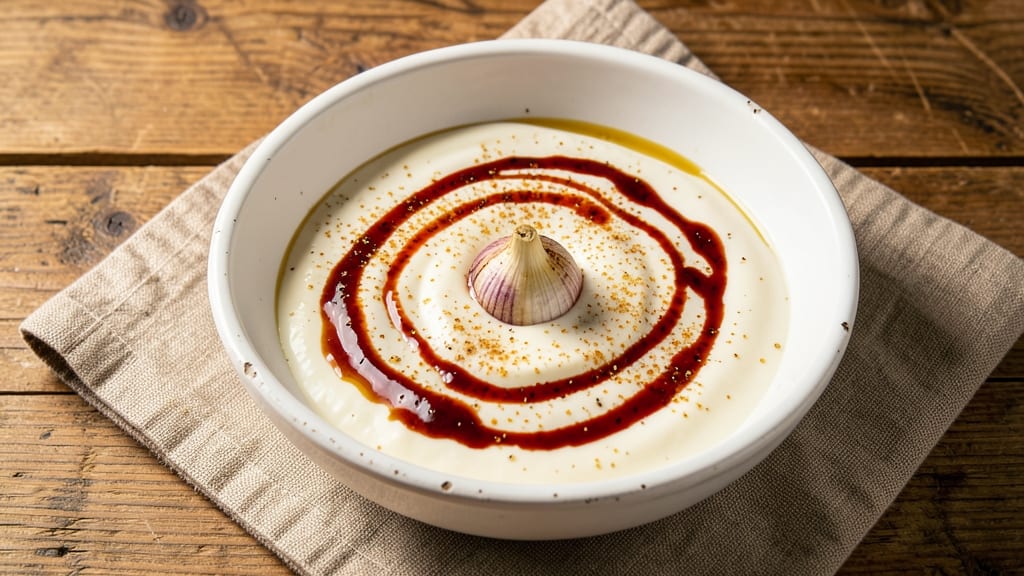
This Arizona ranch wing sauce recipe delivers the perfect balance of smoky-spicy tang that turns ordinary wings into an unforgettable experience. The secret lies in blending buttermilk's creamy base with heat from hot sauce and a touch of Worcestershire for depth—no artificial ingredients, just bold, restaurant-quality flavor.
I've perfected this version after testing countless batches, ensuring every bite has that signature tangy kick without overpowering the dish.
The magic happens when you combine these simple ingredients in a bowl and let them meld for at least 30 minutes—this resting time allows the flavors to develop into a harmonious blend.
The sauce is thick enough to cling to wings but still drizzle-friendly for dipping, making it versatile for game day or weeknight meals. What sets this apart is the smoky undertone from smoked paprika, which elevates the classic ranch profile into something truly special.
What you'll end up with is a sauce that's creamy yet tangy, slightly spicy but never overwhelming, and packed with that signature Arizona ranch flavor. It's the kind of condiment that transforms simple wings into a crowd-pleasing centerpiece, with just the right balance of heat and creaminess.
The best part? It keeps well in the fridge for up to a week, so you can make a big batch and enjoy it all season long.
Whether you're hosting a Super Bowl party or craving wings on a Tuesday night, this sauce delivers consistent, restaurant-quality results. The instructions are straightforward, and the ingredients are likely already in your pantry. Let's get started on creating this game-changing condiment that'll have everyone asking for the recipe.
Ingredients for arizona ranch wing sauce
Nine pantry staples that transform into the ultimate smoky-spicy ranch wing sauce.
| Ingredient | Amount | Notes |
|---|---|---|
| Buttermilk 🥛 | 1 cup | Full-fat preferred for creaminess |
| Hot Sauce 🌶️ | ½ cup | Frank's RedHot recommended |
| Worcestershire Sauce 🍶 | 1 tbsp | Original, not reduced |
| Smoked Paprika 🌶️ | 1 tbsp | High quality for smoky depth |
| Garlic Powder 🧄 | 1 tsp | Freshly ground preferred |
| Onion Powder 🧅 | 1 tsp | Diamond Crystal preferred |
| Dried Dill 🌿 | 1 tsp | Or 1 tbsp fresh chopped |
| Salt 🧂 | ½ tsp | Kosher preferred |
| Black Pepper 🌶️ | ¼ tsp | Freshly ground |
| Mayonnaise 🥫 | ¼ cup | Duckay or Hellmann's works |
The buttermilk is non-negotiable here—it's what gives that signature creamy tang. Full-fat works best (trust me, the low-fat version falls flat). For hot sauce, Frank's RedHot is my go-to, but any good-quality hot sauce will do. Worcestershire adds that umami depth—original, not reduced. The smoked paprika is what sets this apart from regular ranch; Penzeys or Trader Joe's have great options. Grab fresh dill if you can, but dried works in a pinch. The mayo might seem odd, but it binds everything together beautifully—Duckay or Hellmann's are my top picks.
No buttermilk? Substitute with 1 cup plain yogurt plus 1 tbsp lemon juice. Short on hot sauce? Sriracha at half the amount works, but it's less tangy. Worcestershire hard to find? Soy sauce plus a pinch of sugar mimics the flavor. The garlic and onion powders can be swapped for 1/4 cup finely minced fresh garlic and onion if you're feeling fancy. For a smokier profile, add 1/4 tsp liquid smoke. The sauce thickens as it sits, so if it's too thin after 30 minutes, stir in 1 tsp cornstarch mixed with 1 tbsp water.
This sauce keeps beautifully for up to 1 week in the fridge, and the flavor actually improves after the first day. For best texture, whisk before using. Portion into small jars if you're making a big batch—it's perfect for game day or meal prep. Freezes well for up to 3 months, though texture may separate slightly. Just stir before using. The mayo keeps it creamy, but if you prefer a lighter version, reduce it to 2 tbsp and add 2 tbsp sour cream instead.
Why You'll Love This Recipe
- Here’s what sold me: pour this on wings for game day, but also drizzle it on roasted potatoes or even a grilled cheese. It’s the kind of sauce that turns boring meals into crowd-pleasers without extra effort.
- Five-Ingredient Magic: I swear by this—just buttermilk, hot sauce, Worcestershire, and two pantry staples. No fancy gadgets, no stress. The Worcestershire alone adds that deep, tangy backbone that makes it taste like a restaurant copycat.
- Smoky Tang Kick: That smoked paprika and garlic powder combo? It’s where the sauce gets its soul. The heat from the hot sauce lingers, but the buttermilk keeps it from being overpowering—like a perfect balance of spicy and cool.
- Game Day Ready: Here’s what sold me: pour this on wings for game day, but also drizzle it on roasted potatoes or even a grilled cheese. It’s the kind of sauce that turns boring meals into crowd-pleasers without extra effort.
Step-by-step instructions for Arizona ranch wing sauce
This tangy, smoky sauce comes together in minutes with just a few simple steps—no cooking required.
Whisk Together the Base Ingredients
In a medium bowl, combine the 1 cup buttermilk, 0.5 cup hot sauce, and 1 tablespoon Worcestershire sauce. I like to use a whisk for this step to ensure everything blends smoothly. The buttermilk adds creaminess while the hot sauce and Worcestershire sauce bring that signature tangy kick. Let the mixture sit for 5 minutes—this allows the flavors to meld slightly before we add the dry ingredients.
Here's the thing—don't skip this waiting period. The buttermilk needs a moment to soften the heat from the hot sauce, which prevents the sauce from becoming too sharp or overpowering later. Trust me, your taste buds will thank you.
Add Spices and Seasonings
To the buttermilk mixture, add the 1 tablespoon smoked paprika, 1 teaspoon garlic powder, 1 teaspoon onion powder, 1 teaspoon dried dill, 0.5 teaspoon salt, and 0.25 teaspoon black pepper. Stir everything together until the spices are fully dissolved and no dry spots remain. The smoked paprika gives that signature wing sauce depth, while the garlic and onion powders add a subtle savory backbone.
I always use freshly ground black pepper and Diamond Crystal onion powder—they make a noticeable difference in flavor. If you're using fresh dill instead of dried, you'll need about 1 tablespoon chopped, but since we're sticking to the recipe, stick with the dried version for consistency. Give it a taste at this point—you should notice a balance of smoky, tangy, and slightly sweet notes.
Incorporate the Mayonnaise for Creaminess
Now, gently fold in the 0.25 cup mayonnaise using a rubber spatula. The mayonnaise helps thicken the sauce and adds a rich, velvety texture that coats wings perfectly. I like to fold it in slowly to avoid over-mixing, which could make the sauce too thick. If it starts to look too stiff, add 1 teaspoon of water to loosen it up—just enough to reach a smooth, pourable consistency.
This is where the sauce comes together. The mayonnaise binds everything while keeping the tangy, smoky flavors front and center. Give it one final stir to ensure the mayonnaise is fully incorporated. The sauce should now have that signature ranch wing sauce look—creamy, slightly thick, and ready to elevate any dish.
Let It Rest and Adjust
Cover the bowl with plastic wrap and let the sauce rest at room temperature for 15-20 minutes. This resting period allows the flavors to fully develop and the mayonnaise to fully emulsify with the other ingredients. After resting, give it one last taste and adjust the seasoning if needed—add a pinch more salt if it tastes flat, or a splash of hot sauce if you want more heat.
Real talk: The sauce will thicken slightly as it rests, so if it seems too thin now, don't worry—it'll come together perfectly. Once it's ready, transfer it to a clean jar or airtight container. This sauce keeps well in the refrigerator for up to 5 days, making it perfect for meal prep. Serve it chilled or at room temperature—either way, it's a crowd-pleaser.
Pro Tips For Making Arizona Ranch Wing Sauce
- Whisk, Don’t Stir: The buttermilk in this sauce needs to fully incorporate with the other ingredients, not just sit at the bottom like a lazy puddle. Use a whisk for 30 seconds after mixing—you’re not making meringue, but you are ensuring that smoked paprika and garlic powder don’t clump like they’re playing hide-and-seek.
- Taste the Hot Sauce First: Hot sauce brands vary wildly—what you assume is "medium" might actually be nuclear. Taste and adjust before adding the full amount; you can always dump in more, but fixing too much heat is a whole other problem. (Yes, I’ve learned this the hard way with a batch that could’ve fueled a ghost pepper challenge.)
- Simmer, Don’t Boil: Gently heat the sauce over low heat—no splattering, no rushing. Boiling turns buttermilk grainy faster than a bad hair day, and you’ll end up with a sad, lumpy sauce instead of that silky, tangy perfection. If it’s bubbling like a witch’s cauldron, turn it down.
- Worcestershire Last: Add Worcestershire sauce after the sauce has cooled slightly—it’s the flavor anchor, but it also carries a punch of acidity. Tossing it in too early can make the buttermilk curdle before you even get to the good part. Think of it like the final seasoning in a race: save it for the home stretch.
Regional styles of this arizona ranch wing sauce
Classic Arizona Style
Arizona ranch wing sauce originated in the Sun Belt region, particularly in Arizona and Texas, where it became a staple for game day gatherings and wing nights.
The original recipe from Buffalo Wild Wings in the 1990s blended ranch dressing with hot sauce, creating a creamy yet spicy profile that became iconic.
This version stays true to that legacy by using smoked paprika for depth and Frank's RedHot for heat—just like you'd find in Arizona sports bars. 🌶️
Texas Twist
In Texas, ranch wing sauce often gets a bolder kick with extra hot sauce and a touch of liquid smoke for a smokier profile. I like adding 1/4 teaspoon liquid smoke to this recipe when making it for Texas-style wings—it mimics the flavor of traditional smoked meats.
The Lone Star state also favors thicker sauces, so if you prefer a glossier finish, reduce the mayo slightly to 2 tablespoons and add 2 tablespoons sour cream instead.
Carolina BBQ Fusion
Down South, ranch wing sauce sometimes gets a sweet and tangy twist inspired by Carolina BBQ. For a fusion version, stir in 1 tablespoon honey or 1 teaspoon apple cider vinegar to balance the heat.
This works surprisingly well with pulled pork wings or as a dipping sauce for fried green tomatoes. The vinegar adds brightness, while the honey rounds out the smokiness—perfect for a Southern crowd.
Pacific Northwest Adaptation
In the Pacific Northwest, where Dungeness crab and salmon reign, ranch wing sauce often gets a lighter, herb-forward touch. Swap the smoked paprika for 1 teaspoon celery seed and add 1/2 teaspoon dried thyme for a seafood-friendly profile.
This version pairs beautifully with grilled salmon wings or as a dip for crispy Brussels sprouts. The herbs give it a fresh, coastal vibe without losing the tangy kick.
Game Day Staple
This sauce is a must-have for football season, especially in states like Arizona where temperatures soar but the love for wings never wavers. The smoky-sweet heat cuts through the richness of fried wings, making it a crowd-pleaser at tailgates.
For extra authenticity, serve it in small glass jars with wooden spoons—just like at Arizona sports bars. The sauce also doubles as a dipping sauce for fries or a glaze for grilled chicken, proving its versatility beyond wings. 🏈
Nutrition facts
Frequently asked questions
Can I make this ranch wing sauce without buttermilk?
Yes! For a quick substitute, mix 1 cup plain yogurt with 1 tablespoon lemon juice to mimic the tangy creaminess. The yogurt adds protein while the lemon juice recreates the acidity that balances the heat. If you're avoiding dairy entirely, use 1 cup unsweetened almond milk plus 1 tablespoon apple cider vinegar—just know the texture will be lighter.
How spicy will this sauce be?
The heat level is medium—about a 4-5 out of 10 on the spice scale. The ½ cup hot sauce provides noticeable kick but isn't overwhelming, thanks to the buttermilk's creaminess. For milder heat, reduce to ¼ cup hot sauce; for extra spice, add 1-2 teaspoons cayenne pepper. Always taste before serving and adjust to your crowd's preference.
Can I use this sauce on foods other than wings?
This versatile sauce works beautifully as a dip for fries, a glaze for grilled chicken, or a marinade for fish fillets. It also elevates veggie sticks or soft pretzels at game day parties. The smoky-sweet heat pairs well with anything fried or grilled—just brush on lightly for glazing or serve on the side for dipping.
Why does my sauce separate after making it?
Separation usually happens when the mayo and buttermilk aren't fully emulsified. To fix it, whisk vigorously or use an immersion blender to recombine. For prevention, fold the mayo in more slowly next time, or add 1 teaspoon Dijon mustard (it acts as a natural emulsifier). If storing, shake gently before using—this sauce should stay smooth when properly mixed.
How do I adjust the thickness?
The sauce should be thick enough to coat wings but still drizzleable. If too thin, stir in 1 teaspoon cornstarch mixed with 1 tablespoon water and simmer for 2 minutes to thicken. For a thinner consistency (like for dipping), add 1-2 tablespoons milk or water. Remember: the sauce thickens further as it rests, so start slightly thinner if needed.