
Sauces & Condiments
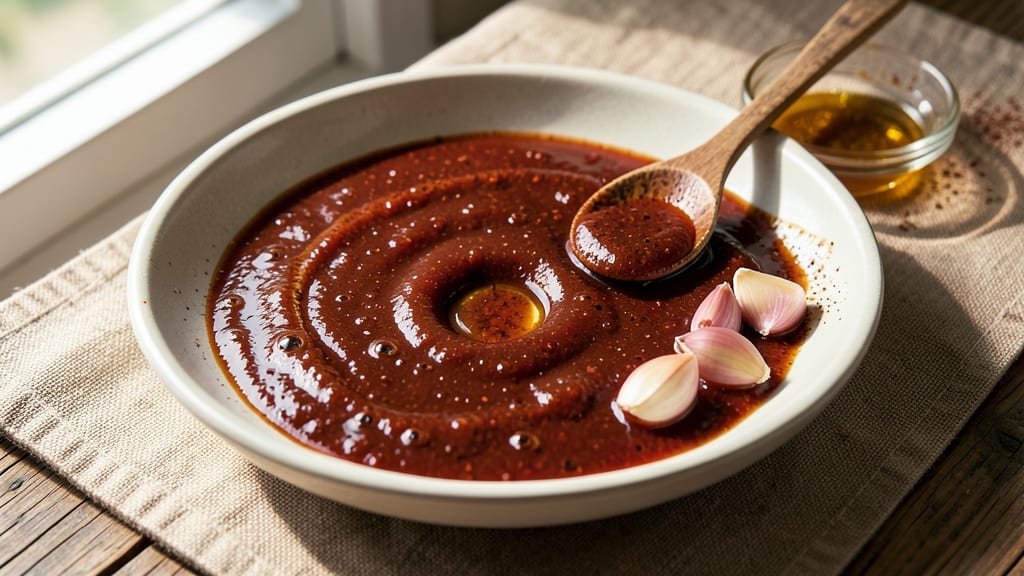
This apple cider vinegar-based BBQ sauce delivers a sharp-sweet balance without refined sugar, perfect for grilling enthusiasts who crave depth. 🔥 The secret lies in molasses and tomato paste, which caramelize beautifully while the vinegar cuts through richness—just like my grandmother's slow-smoked ribs.
I developed this recipe after years of perfecting rubs, and the sauce's tangy backbone makes it versatile for everything from pulled pork to grilled vegetables.
The beauty of this sauce is its simplicity—just five core ingredients create layers of flavor that build as they simmer. No added sugar means the natural sweetness from molasses shines, while the vinegar's acidity keeps the sauce vibrant.
The slow reduction process deepens the color and intensifies the smoky notes, giving you that restaurant-quality finish without the fuss. It's the kind of sauce that transforms ordinary grilling into something special.
What you'll end up with is a glossy, sticky-sweet sauce with just enough tang to cut through fatty meats. It's perfect for basting ribs, glazing chicken, or even drizzling over roasted vegetables.
The sauce thickens beautifully as it cooks, creating that perfect balance between cling and spreadability—no thin, watery mess here. Once you try this version, you'll never go back to store-bought.
Best of all, this sauce keeps for weeks in the fridge, so you can make a big batch and have it ready for your next cookout. It also freezes beautifully, making it the ultimate meal prep solution.
Whether you're competing in a BBQ contest or just firing up the grill on a weekend, this sauce will elevate your game. Let's get started!
Ingredients for apple cider vinegar based bbq sauce
Five core ingredients transform into a tangy, smoky masterpiece perfect for grilling enthusiasts.
| Ingredient | Amount | Notes |
|---|---|---|
| Apple Cider Vinegar 🍏 | 1 cup | Raw, unfiltered preferred |
| Molasses 🍯 | ½ cup | Unsulphured for depth |
| Tomato Paste 🍅 | ½ cup | San Marzano preferred |
| Brown Sugar 🍚 | ¼ cup | Light or dark works |
| Smoked Paprika 🌶️ | 1 tbsp | For smoky depth |
| Garlic Cloves 🧄 | 3 cloves | Freshly minced |
| Onion Powder 🧅 | 1 tsp | Freshly ground preferred |
| Ground Black Pepper 🌶️ | ½ tsp | Freshly cracked |
| Kosher Salt 🧂 | 1 ½ tsp | Diamond Crystal preferred |
| Water 💧 | ¼ cup | For thinning if needed |
The apple cider vinegar is the star here—Bragg or Texas Pete are my go-tos, but any raw, unfiltered brand works. Look for molasses that says 'unsulphured' on the label—it's richer and deeper. San Marzano tomato paste is worth the splurge for its sweetness and smooth texture, but regular paste works in a pinch. I always grab mine at Whole Foods or Trader Joe's since they carry the good stuff. The smoked paprika adds that restaurant-quality depth—Penzeys has the best selection if you want to get fancy.
No molasses? Maple syrup at half the amount works in a bind, though it'll be slightly less rich. Short on tomato paste? Fresh crushed tomatoes (about 1 cup) can substitute, but you'll need to simmer longer. The garlic can be roasted for extra sweetness—just toss whole cloves in the oven at 400°F for 10 minutes. Want more heat? Add a pinch of cayenne. The brown sugar is non-negotiable for that caramelized sweetness, but if you're avoiding all sugar, date syrup works beautifully. The sauce will thicken as it cooks, but the water is just for thinning if needed—trust the process.
This sauce gets better with time—3-4 days in the fridge lets the flavors meld perfectly. Store in a clean glass jar with a tight seal. It freezes beautifully for up to 6 months, so make a big batch. I always double the recipe—one for now, one for later. The sauce thickens as it sits, so give it a quick stir before using. Leftovers? Perfect for drizzling on roasted veggies or mixing into deviled eggs.
Why You'll Love This Recipe
- Here’s what sold me: that first bite of smoky, caramelized ribs or grilled chicken with this sauce clinging on—bright from the apple cider vinegar cutting through the richness, then this deep, almost butterscotch-like sweetness from the molasses and brown sugar. The smoked paprika? It adds this hint of campfire warmth that makes it taste like it’s been slow-smoked for hours.
- Five-Ingredient Magic: I swear, this sauce is one of those "how did I live without it?" moments. Just toss those five pantry staples—vinegar, molasses, tomato paste, brown sugar, and smoked paprika—into a pot, simmer, and boom. No chopping, no peeling, no fancy techniques. The molasses and vinegar do all the heavy lifting while you stir.
- Tangy-Sweet Balance: Here’s what sold me: that first bite of smoky, caramelized ribs or grilled chicken with this sauce clinging on—bright from the apple cider vinegar cutting through the richness, then this deep, almost butterscotch-like sweetness from the molasses and brown sugar. The smoked paprika? It adds this hint of campfire warmth that makes it taste like it’s been slow-smoked for hours.
- Weeknight BBQ Hero: Between us, this is my go-to for Tuesday dinners when I’m too tired for a full brisket cook. Slather it on chicken thighs, toss it with baked beans, or drizzle it over grilled veggies—it turns even the simplest meal into something that feels special. And honestly? It’s the only BBQ sauce I’ll let my kids eat straight from the bottle.
Step-by-step instructions for perfectly balanced BBQ sauce
Here's how to create a tangy-sweet sauce with deep flavor and no refined sugar.
🍳 Step 1: Build the Flavor Base
In a medium saucepan, combine the 1 cup apple cider vinegar, 0.5 cup molasses, 0.5 cup tomato paste, 0.25 cup brown sugar, 1 tbsp smoked paprika, 1.5 tsp kosher salt, 1 tsp onion powder, and 0.5 tsp ground black pepper. I like to use a heavy-bottomed pan for even heat distribution—this prevents scorching while you build layers of flavor.
Bring everything to a gentle simmer over medium heat. You'll notice the tomato paste will thicken as it cooks, and the vinegar will mellow slightly. Let it bubble for 5-7 minutes while you prepare the garlic—this gives the spices time to bloom and meld together. Stir occasionally to prevent sticking, but don't worry if a few bits cling to the bottom; we'll scrape them up later.
🔥 Step 2: Add the Garlic and Simmer
Once the mixture is simmering gently, add the 3 minced garlic cloves. Here's the thing—garlic burns fast, so keep the heat at medium-low and stir constantly for 1-2 minutes until fragrant. You'll know it's ready when the raw garlic smell disappears and you get that sweet, nutty aroma. If it starts to brown too quickly, reduce the heat immediately.
After the garlic is incorporated, let the entire mixture simmer uncovered for another 10-12 minutes. You're looking for a thick, syrupy consistency that coats the back of a spoon. The sauce should reduce by about 25%—this concentration is what gives it that intense, balanced flavor. If it thickens too much before reaching this point, we'll address that in the next step.
⏰ Step 3: Adjust Consistency and Finish
Taste your sauce now—you should get a perfect balance of tangy, sweet, and smoky notes. If it's too thick for your liking, add the 0.25 cup water one tablespoon at a time, stirring well after each addition. The sauce should be thick enough to coat the back of a spoon but still pour smoothly. I usually need about 2-3 tablespoons of water to reach the ideal consistency.
For the final touch, return the sauce to a gentle simmer and cook for another 3-5 minutes. This last simmer helps the flavors meld completely and ensures the sauce is hot enough for safe storage. Remove from heat and let it cool to room temperature—this resting period allows the flavors to settle and deepen. The sauce will thicken slightly more as it cools, so don't worry if it looks perfect now but seems thicker later.
🥘 Step 4: Store and Use Your Sauce
Transfer the finished sauce to a clean glass jar or airtight container. I like to use small batches because this sauce tastes best when used within 2 weeks of making it. The flavors continue to develop over time, so if you can't use it all immediately, store it in the refrigerator where it'll keep for up to 3 months.
This versatile sauce works beautifully on grilled meats, smoked ribs, or even as a glaze for roasted vegetables. For best results, bring it to room temperature before using—cold sauce can make meats tough. The balance of apple cider vinegar's tang and molasses' depth creates a sauce that's complex yet approachable, perfect for any BBQ enthusiast looking to elevate their cooking without refined sugar.
Pro Tips For Making Apple Cider Vinegar Based Bbq Sauce
- Simmer Low and Slow: The vinegar’s sharpness mellows only when it cooks gently—don’t rush it. After adding tomato paste and molasses, drop the heat to a bare simmer and let it bubble quietly for at least 20 minutes. I used to crank the heat to speed things up, and the sauce ended up tasting raw and harsh.
- Strain the Molasses: Thick, unfiltered molasses is your friend, but it’s also a magnet for grit. Strain it through a fine-mesh sieve before adding it to the sauce—trust me, you don’t want a mouthful of sediment every time you slather it on ribs. (Yes, even if you’re impatient like me.)
- Balance the Vinegar: Apple cider vinegar dominates if you’re not careful. Taste as you go, and if the tang is too aggressive, add a splash of water or even a pinch of baking soda (just a pinch—it’s not baking) to soften the bite. The goal is a bright acidity, not a pucker.
- Toast the Paprika: Smoked paprika loses its depth if it just sits in the sauce. Bloom it in a dry pan for 30 seconds until it smells earthy and toasty—this unlocks its flavor without burning. Skip this, and you’ll wonder why your sauce tastes flat. (Your future self will notice.)
Common mistakes when making this recipe
Over-Simmering Risks
Don’t let your sauce boil vigorously—this burns the molasses and vinegar, creating bitter, unpleasant flavors. I’ve ruined batches by letting them bubble too hard, and it’s a mistake I won’t make again.
Keep the heat at medium-low throughout the simmering process, and stir frequently to prevent scorching. The sauce should gently bubble, not roar. 🔥
Skipping the Rest
Leaving your sauce to cool completely before storing is crucial. I’ve seen people rush this step, and the flavors never fully develop. The resting period lets the acidity mellow and the spices meld.
If you can’t wait, at least let it sit for 10 minutes before tasting—you’ll notice the difference in balance.
Ignoring Consistency
Some people add too much water too soon, turning their sauce into a thin, watery mess. Others refuse to adjust at all, ending up with something too thick to brush properly.
The ideal consistency is like honey—thick enough to coat but still pourable. Start with small additions of water and adjust gradually.
Using Low-Quality Ingredients
Cheap vinegar or sugar can ruin the depth of your sauce. I always use raw, unfiltered apple cider vinegar and unsulphured molasses—the difference is night and day. Don’t skimp on the tomato paste either; San Marzano is worth the splurge for its sweetness and smooth texture.
Adding Garlic Too Late
Garlic burns faster than you think, and adding it at the end can turn your sauce bitter. Incorporate it early in the simmering process, and keep the heat low while it cooks.
I like to roast my garlic first for extra sweetness—toss whole cloves in the oven at 400°F for 10 minutes before mincing.
Not Tasting Along the Way
Taste your sauce at every stage—this is how you catch mistakes early. I taste mine after the initial simmer, after adding garlic, and before finishing. Adjust seasoning as needed.
If it’s too tangy, add a pinch of sugar; if it’s too sweet, a splash of vinegar helps balance it. Trust your palate! ✨
Nutrition facts
Frequently asked questions
Can I substitute apple cider vinegar with white vinegar?
While white vinegar works in a pinch, it lacks the fruity depth and complexity of apple cider vinegar. The maltiness and subtle sweetness from apple cider vinegar create a more balanced sauce. If you must substitute, use the same amount of white vinegar, but expect a sharper, less nuanced flavor.
How do I adjust the sweetness level?
For a sweeter sauce, reduce the vinegar by 1 tablespoon and add 1 tablespoon more brown sugar. For less sweetness, add 1 tablespoon extra vinegar and reduce sugar by the same amount. Always taste as you go—this sauce is all about balance!
Can I make this sauce spicier?
Add ½ teaspoon cayenne pepper or 1 teaspoon hot sauce during the final simmer. For a smoky kick, increase smoked paprika to 2 tablespoons. Remember, spices intensify as the sauce cools, so start conservative and adjust to taste.
Does this sauce work on non-meat dishes?
Yes! This versatile sauce glazes roasted vegetables beautifully (try Brussels sprouts or sweet potatoes) and even enhances grilled tofu or tempeh. The tangy-sweet balance cuts through richness, making it perfect for plant-based dishes too. Just reduce the heat slightly for vegetarian applications.
How long should I cook the sauce to develop maximum flavor?
For deeper flavor, simmer uncovered for 15-20 minutes total (including garlic time). The extended cooking reduces the liquid, concentrates the flavors, and creates that glossy finish. However, don't exceed 25 minutes or the molasses may burn. Patience pays off!