
Sauces & Condiments
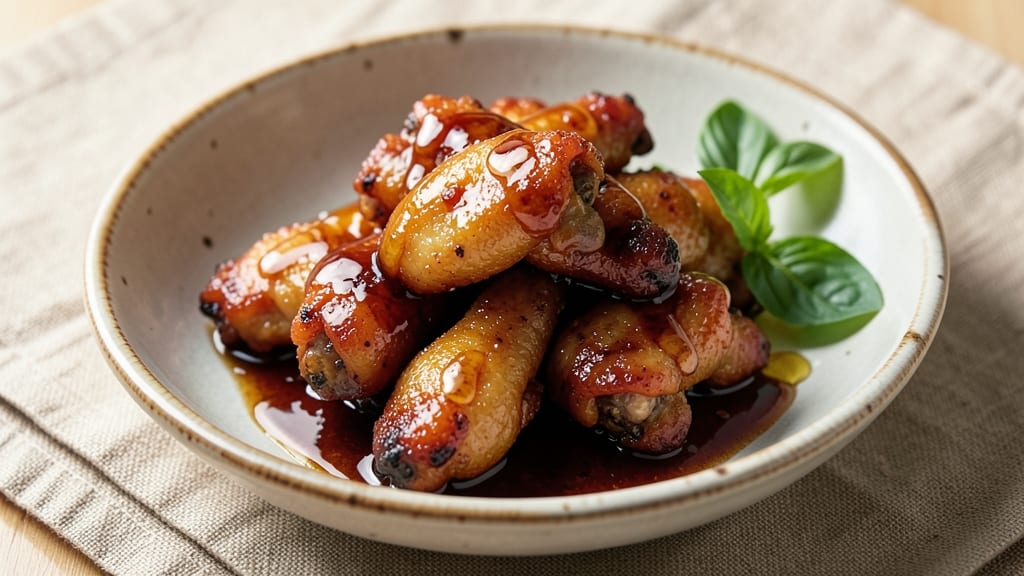
This Asian BBQ wing sauce transforms ordinary wings into sticky, caramelized masterpieces with just a few simple ingredients and 15 minutes of active time. The balance of smoky-sweet flavors—thanks to soy sauce, honey, and a touch of chili—creates that signature glossy finish that clings to every bite.
I developed this recipe after years of perfecting sauces that deliver restaurant-quality results at home, without the fuss of complicated techniques.
The secret lies in the umami-rich combination of fish sauce and oyster sauce, which deepens the flavor profile while keeping the sauce balanced. Garlic and ginger add aromatic depth, and a splash of vinegar ensures the sauce stays tangy enough to cut through the richness.
What makes this sauce truly special is its versatility—it works just as well on chicken, pork, or even tofu, making it a game-changer for any protein you're grilling, baking, or air-frying.
By the time you're done, you'll have a glossy, sticky sauce that's perfect for tossing wings in the final minutes of cooking. The caramelized edges and tender meat create a contrast that's impossible to resist, all while delivering that satisfying sweet-spicy kick.
This sauce also stores beautifully in the fridge for up to two weeks, so you can make a big batch and keep it on hand for spontaneous wing nights.
Ready in just 15 minutes, this sauce is the perfect way to elevate your next cookout or weeknight dinner. Whether you're hosting a crowd or treating yourself to a solo meal, this recipe delivers professional-quality results without the complexity. Let's get started!
Ingredients for asian bbq wing sauce
Nine pantry staples transform into restaurant-quality sauce for sticky, caramelized wings.
| Ingredient | Amount | Notes |
|---|---|---|
| Soy Sauce 🥢 | ½ cup | Light or dark variety preferred |
| Honey 🍯 | ⅓ cup | Wildflower or clover preferred |
| Fish Sauce 🍶 | 2 tbsp | Red Boat preferred for quality |
| Oyster Sauce 🦪 | 2 tbsp | Kikkoman preferred for balance |
| Rice Vinegar 🍶 | 1 tbsp | Seasoned preferred for depth |
| Sesame Oil 🫒 | 1 tbsp | Toasted sesame oil for aroma |
| Garlic Cloves 🧄 | 4 cloves | Freshly minced for intensity |
| Fresh Ginger 🧅 | 1 tbsp | Finely grated, peeled |
| Sriracha 🌶️ | 1 tbsp | Adjust for heat preference |
| Brown Sugar 🍚 | 2 tbsp | Light or dark preferred |
The fish sauce and oyster sauce are the umami powerhouses here—Red Boat fish sauce and Kikkoman oyster sauce are my go-tos, but any quality brands work. Look for fish sauce that smells sharp and salty, not fishy. The ginger and garlic need to be fresh—no powdered shortcuts. I always grab ginger from the Asian market where it's sold in whole roots; it keeps for weeks and makes the sauce sing. The soy sauce should be light for a cleaner finish, but dark adds depth if you prefer a richer color.
No fish sauce? Extra Worcestershire sauce (1 tbsp) bridges the gap, though it won’t replicate the umami exactly. Sriracha too spicy? Swap for gochujang at half the amount—it’s sweeter and adds fermented depth. The sesame oil is non-negotiable for aroma, but if you’re avoiding it, toasted sesame seeds at 1 tsp work in a pinch. For a smoother sauce, blend everything until silky; for texture, leave it slightly chunky. This sauce is highly versatile—toss it with wings, pork, or even tofu for that same sticky, caramelized finish.
This sauce keeps for 2 weeks in the fridge, with flavor actually improving as it sits. For longer storage, freeze it in ice cube trays—perfect for single-use portions. The honey and brown sugar will crystallize slightly when refrigerated, so give it a quick stir before using. Double the batch if you’re hosting; it disappears fast. Pro tip: Add a splash of water (1-2 tbsp) if it thickens too much—the sauce should coat the back of a spoon but still glide easily.
Why You'll Love This Recipe
- Pantry Magic: This sauce comes together with stuff you already have—no fancy shopping trips. I swear, I’ve made it three times in a row using the same five ingredients, and it never lets me down.
- Sweet-Savory Balance: That honey and fish sauce combo? It’s the secret weapon—sticky, umami-rich, with just enough tang from the rice vinegar to cut through. The oyster sauce adds this deep, almost caramelized richness that makes it impossible to stop dipping.
- Game for Any Meal: Use it on wings, sure, but I’ve also tossed it with tofu for a quick stir-fry or slathered it on grilled shrimp. Even my picky teenage nephew asked for seconds when I drizzled it over his leftover rice and egg.
- No Waste, All Win: A little goes a long way, so you’ll have leftovers that taste just as good the second time. I double the batch, store it in the fridge, and it’s my go-to for lazy nights when I don’t feel like cooking. Plus, it’s cheaper than store-bought sauces and way more flavorful.
Step-by-step instructions for Asian BBQ wing sauce
This sauce delivers that perfect balance of smoky, sweet, and tangy flavors for irresistibly sticky wings.
Combine the Base Ingredients
In a medium saucepan, whisk together the 0.5 cup soy sauce, 0.33 cup honey, and 2 tbsp fish sauce over low heat. Let the mixture simmer gently for 3-4 minutes until the honey begins to dissolve and the aromas start to meld. This initial combination creates the foundation of your sauce, where the umami from the soy and fish sauce begins to develop.
I like to stir occasionally with a wooden spoon—this helps prevent any scorching at the bottom while allowing the ingredients to integrate smoothly. You'll notice the mixture will thicken slightly as it warms, but don't rush this step. The slow simmer ensures the flavors have time to marry properly before we add the remaining ingredients.
Add Aromatics and Sweetener
Next, add the 4 minced garlic cloves, 1 tbsp finely grated fresh ginger, 2 tbsp brown sugar, and 2 tbsp oyster sauce to the saucepan. Stir well to combine, then increase the heat to medium-low. Let the mixture simmer for another 4-5 minutes until the garlic becomes fragrant and the sugar begins to caramelize slightly.
The garlic and ginger are where the real depth of flavor comes from—you'll know they're ready when the air in your kitchen fills with that pungent, aromatic steam. The brown sugar will start to dissolve and create a subtle caramel note that balances the sauce's acidity. Keep the heat at medium-low to prevent the sauce from boiling over, which could cause it to separate.
Incorporate Acid and Oil for Balance
Reduce the heat to low and stir in the 1 tbsp rice vinegar and 1 tbsp sesame oil. The vinegar adds a bright, tangy contrast to the sweetness, while the sesame oil contributes a nutty aroma that ties everything together. Let the sauce simmer for an additional 2-3 minutes, stirring occasionally, until it reaches a thick, glossy consistency.
Here's where the sauce starts to come together—you'll see it begin to coat the back of a spoon, indicating it's thickening properly. If it's still too thin after 3 minutes, you can simmer it for another minute or two to reach the right consistency. The goal is a sauce that's thick enough to cling to wings but still flows smoothly when tossed.
Finish with Heat and Adjust Seasoning
Remove the saucepan from heat and stir in the 1 tbsp Sriracha. This adds a subtle kick of heat that cuts through the sweetness and balances the umami flavors. Taste the sauce and adjust the seasoning if needed—you might want to add a touch more soy sauce for saltiness, a bit of honey for sweetness, or a splash of rice vinegar for acidity.
The Sriracha should be well incorporated, but don't overmix—just stir until evenly distributed. Let the sauce rest for 5-10 minutes at room temperature before using it on your wings. This resting period allows the flavors to fully meld and the sauce to reach its ideal consistency. If you're not using it immediately, transfer it to an airtight container and store it in the refrigerator for up to 1 week—it only gets better with time.
Pro Tips For Making Asian Bbq Wing Sauce
- Simmer Low and Slow: I learned this the hard way—boiling the sauce on high heat turns it bitter. Keep the heat at a gentle simmer (just small bubbles breaking the surface) for 10-12 minutes. This lets the honey caramelize properly without burning, and the fish sauce’s funk mellows into something rich instead of overpowering.
- Balance the Fish Sauce: Fish sauce is the flavor bomb, but too much makes the whole sauce taste like a bait shop. Start with just 1 teaspoon, taste, then add another ½ teaspoon at a time—you can’t take it out later. If it’s still too salty, a splash of honey or a pinch of sugar will fix it without watering down the sauce.
- Skip the Vinegar First: Adding rice vinegar at the start makes the sauce curdle like a science experiment gone wrong. Wait until the last 2 minutes of simmering, then stir it in gently. This keeps the sauce smooth and bright, not clumpy or separating.
- Use Real Honey, Not Syrup: I was skeptical until I tried it—subbing corn syrup or even cheap honey for real, thick honey changes everything. The sauce clings better to wings, caramelizes deeper, and doesn’t taste like artificial sweetness. A 1:1 swap works, but don’t skimp on quality here.
Storing and reheating this recipe
Fridge Storage Tips
Store your sauce in an airtight container—I use glass mason jars—and refrigerate for up to 2 weeks. The flavors actually deepen over time, so make a big batch and keep it handy.
Give it a quick stir before using, as the honey and sugar may crystallize slightly. If the sauce thickens too much, add 1-2 tablespoons of water to restore its glossy consistency. 💫
Freezing for Later
For longer storage, freeze the sauce in ice cube trays—perfect for single-use portions. Once frozen, transfer the cubes to a freezer bag with excess air removed. Thaw overnight in the fridge before using.
The texture may separate slightly after freezing, but a quick stir brings it back together. This method works great if you want to keep sauce on hand for spontaneous wing nights. ❄️
Reheating Sauce
To reheat, gently warm the sauce in a small saucepan over low heat for 2-3 minutes, stirring constantly. Avoid high heat—it can cause the sauce to separate or lose its glossy finish.
If the sauce looks too thick after reheating, add a splash of water or rice vinegar to restore its smooth texture. I like to reheat just enough to warm through, not boil. 🔥
Using on Wings
For best results, toss your cooked wings in the sauce during the last 2-3 minutes of baking or air-frying. The residual heat will help the sauce cling and caramelize beautifully.
If using cold wings, warm the sauce first—it’ll coat more evenly. Pro tip: Add a sprinkle of toasted sesame seeds right before serving for extra crunch and aroma. 🌟
Sauce Versatility
This sauce isn’t just for wings—it’s fantastic on grilled pork chops, tofu, or even as a dipping sauce for spring rolls. Just adjust the heat level to your preference by adding more or less Sriracha or gochujang.
The sauce’s balance of sweet, tangy, and umami makes it a versatile pantry staple. Double the batch and store extras for future meals! 💛
Nutrition facts
Frequently asked questions
Can I make this sauce without fish sauce?
While fish sauce adds incredible umami depth, you can substitute it with 2 tbsp extra Worcestershire sauce or 1 tbsp soy sauce + 1 tbsp coconut aminos. For a vegetarian option, use 1 tbsp mushroom sauce or 1 tbsp vegan fish sauce alternative. The flavor won't be identical, but it'll still deliver that sticky, caramelized finish.
How spicy should I make this sauce?
The recipe calls for 1 tbsp Sriracha for a mild heat level, but you can easily adjust it. For more kick, add 1-2 extra tbsp or swap for gochujang (which is sweeter and less spicy). If you prefer no heat, simply omit the Sriracha entirely and add ½ tsp extra honey to balance the flavors. Taste as you go!
Can I use this sauce on other proteins besides wings?
This sauce is incredibly versatile! It works beautifully on grilled pork chops, chicken thighs, tofu, or even beef skewers. For best results, toss the protein in the sauce during the last 2-3 minutes of cooking to help it caramelize. It also makes a fantastic dipping sauce for spring rolls or dumplings. The sweet-spicy balance shines on all these proteins.
Why did my sauce separate when I reheated it?
Sauce separation usually happens when reheated too quickly or with too much heat. To fix it, stir in 1 tsp cornstarch mixed with 1 tbsp water and warm gently over low heat while stirring constantly. For prevention, always reheat on low heat and avoid boiling. The sauce should be warmed through but never bubbling vigorously. A quick stir after reheating usually brings it back to its glossy consistency.
How can I make this sauce thicker or thinner?
For a thicker sauce, simmer it uncovered for an extra 2-3 minutes to reduce the liquid. If it's too thick after refrigeration, stir in 1-2 tbsp water or rice vinegar to restore its glossy texture. For a thinner sauce, add 1 tbsp water or broth while it's still warm. The ideal consistency should coat the back of a spoon but still flow smoothly when tossed on wings.