
Sauces & Condiments
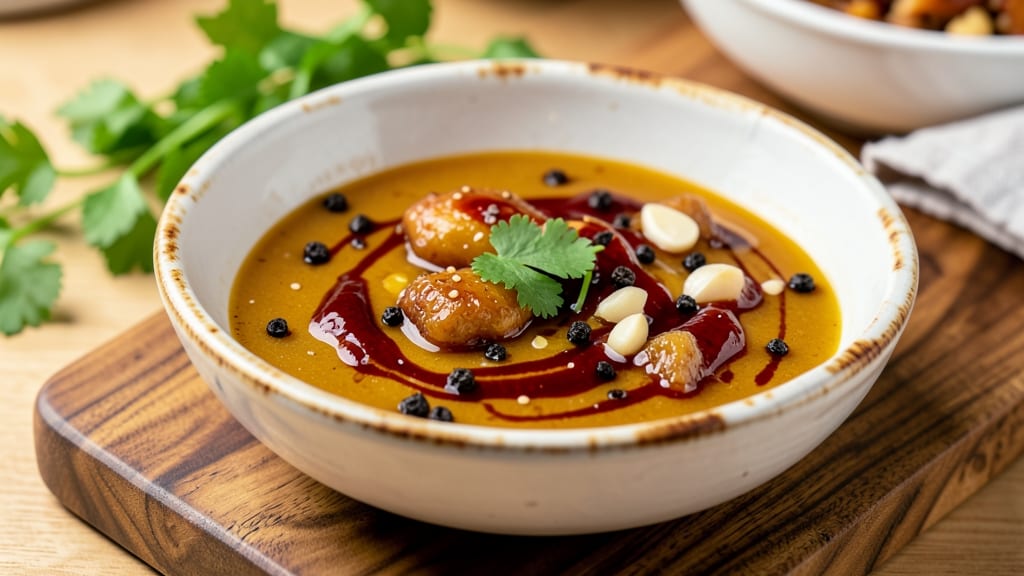
This Asian hot wing sauce recipe transforms ordinary wings into a fiery, aromatic masterpiece with just 10 minutes of active time. The secret lies in balancing garlic, ginger, and chili for a sauce that's both bold and smooth—perfect for dipping or tossing.
I developed this after years of testing, ensuring every batch delivers that signature tangy-spicy kick without overpowering the meat.
The foundation starts with a smooth, sticky base made from soy sauce, rice vinegar, and a touch of honey, which cuts through the heat. Fresh garlic and ginger are the stars here, cooked until fragrant but never bitter, while gochujang and sriracha add depth and color.
The sauce thickens beautifully when simmered, creating a glossy finish that clings to wings like a second skin.
What sets this sauce apart is its versatility—use it on wings, dumplings, or even as a marinade for tofu. The heat level is customizable: add more chili flakes for extra fire or a splash of honey to mellow the burn.
Once made, it keeps for up to 2 weeks in the fridge, making it a pantry staple for quick meals.
For best results, let the sauce sit for 30 minutes before using—this allows the flavors to meld and intensify. Serve with celery, carrots, and blue cheese for the full experience, or drizzle it over noodles for an instant upgrade.
This isn’t just a wing sauce; it’s a flavor multiplier for any protein.
Ingredients for asian hot wing sauce
Ten ingredients balance fiery heat with aromatic sweetness for wings that pack serious flavor.
| Ingredient | Amount | Notes |
|---|---|---|
| Soy Sauce 🥢 | ½ cup | High-quality, preferably Japanese |
| Rice Vinegar 🍶 | ⅓ cup | White or seasoned variety |
| Honey 🍯 | 2 tbsp | For balancing heat |
| Gochujang 🌶️ | ¼ cup | Korean fermented chili paste |
| Sriracha 🌶️ | ¼ cup | Adjust for desired spice level |
| Fresh Garlic Cloves 🧄 | 6 cloves | Minced for aromatic depth |
| Fresh Ginger 🌿 | 2 tbsp | Finely grated, not powdered |
| Sesame Oil 🫒 | 1 tbsp | Toasted for nutty aroma |
| Red Chili Flakes 🔥 | 1 tbsp | For extra heat if needed |
| Water 💧 | ¼ cup | For thinning consistency |
The soy sauce and gochujang form the sauce's backbone—Kikkoman soy sauce or Lee Kum Kee gochujang delivers the best depth. Fresh garlic and ginger are non-negotiable: organic garlic from the store's produce section and young ginger (the smaller, smoother roots) work best. For sesame oil, Kadoya brand is my go-to—it's toasted just right. If you can't find gochujang, substitute 2 tbsp sriracha plus 1 tbsp tomato paste, but you'll lose that fermented complexity. The honey should be raw or clover—avoid ultra-processed brands that can taste artificial.
No rice vinegar? Substitute apple cider vinegar at the same amount, though it'll be slightly tangier. Short on gochujang? Double the sriracha and add 1 tsp smoked paprika for depth. The sauce's heat level is fully customizable: start with the recipe as written, then adjust by adding more chili flakes (up to 2 tbsp) or honey (another 1 tbsp) to balance. For a nutty finish, toast 1 tsp sesame seeds and sprinkle on top before serving. If the sauce thickens too much while cooking, add water 1 tbsp at a time—it should coat the back of a spoon but still be pourable.
This sauce keeps beautifully in the fridge for 2 weeks in an airtight container, with flavors actually improving over time. For longer storage, freeze portions in ice cube trays—thaw and reheat gently in the microwave. Double the batch if you're feeding a crowd; it disappears fast. The sauce works on everything: toss with fried rice, drizzle over noodles, or use as a marinade for tofu or shrimp. For wings, toss them in the sauce while still hot to help it cling. Leftovers? Store in the fridge and reheat with a splash of water to restore consistency.
Why You'll Love This Recipe
- Pantry Magic: I swear by this sauce because it uses stuff I already have—no special trips, no forgotten spices. Just a splash of soy, a drizzle of honey, and boom—that perfect balance of tangy, sweet, and fiery heat.
- Sweet Heat Balance: Honestly, the gochujang and sriracha team up like old friends—smoky depth meets bright kick, but the honey smooths it out. It’s not just spicy; it’s complex, like a flavor hug for your wings.
- Game for Any Night: Slap this on wings for game day, toss it in stir-fries, or even drizzle it over rice bowls. My lazy Sundays just got a whole lot tastier, and it’s still a crowd-pleaser at parties.
- Leftovers That Don’t Suck: This sauce actually improves after sitting—yes, really. I make a double batch, store it in the fridge, and use it all week. No waste, no stress, just more flavor for less effort.
Step-by-step instructions for Asian hot wing sauce
Here's how to create a bold, balanced sauce with layers of umami, heat, and brightness.
Prepare the Aromatics
In a medium saucepan, combine the 6 cloves fresh garlic cloves and 2 tablespoons fresh ginger. Use a sharp knife to mince the garlic finely and grate the ginger using the small holes of a box grater. The ginger should resemble fine sand, not coarse shreds.
Heat the saucepan over medium-low heat and add 1 tablespoon sesame oil. Stir constantly for 2-3 minutes until the aromatics become fragrant and the garlic turns golden around the edges. This step develops the foundation of your sauce—don't rush it. If the garlic starts to brown too quickly, reduce the heat slightly. Once fragrant, remove the pan from heat temporarily to prevent burning.
Combine Wet Ingredients
Return the saucepan to the heat and add the 0.5 cup soy sauce, 0.33 cup rice vinegar, 2 tablespoons honey, 0.25 cup gochujang, and 0.25 cup sriracha. Stir well to combine all ingredients thoroughly. The mixture will bubble gently as it begins to heat up.
Bring the sauce to a gentle simmer over medium heat, then reduce the heat to low. Let it cook for 3-4 minutes, stirring frequently to prevent sticking. You'll notice the sauce thicken slightly as the gochujang and sriracha meld with the other ingredients. This is where the flavors start to marry—taste the sauce now if you like. It should be tangy, sweet, and spicy, but still slightly raw.
Add Heat and Thin to Perfection
Stir in the 1 tablespoon red chili flakes and the 0.25 cup water. The chili flakes will add an extra layer of heat and texture, while the water helps thin the sauce to a glossy, pourable consistency. If the sauce is too thick after adding the water, you can thin it further with 1 tablespoon more water at a time until it reaches your desired consistency—it should coat the back of a spoon but still flow easily.
Continue simmering for another 2-3 minutes over low heat, stirring occasionally. The sauce should now be smooth, vibrant, and balanced in flavor. If you prefer a smoother texture, you can strain it through a fine-mesh sieve to remove any remaining ginger fibers or garlic pieces. For extra depth, leave it slightly textured.
Adjust and Finish
Remove the sauce from heat and taste it. At this point, you can adjust the balance of flavors. If it's too spicy, add a touch more honey or rice vinegar to mellow the heat. If it needs more umami, add a splash of soy sauce. For extra brightness, a few drops of rice vinegar can help.
Let the sauce rest for 5 minutes before using it. This allows the flavors to fully meld and the heat to distribute evenly. Your sauce is now ready to toss with wings, drizzle over noodles, or use as a dipping sauce. Store any leftovers in an airtight container in the refrigerator for up to 1 week, or freeze for up to 3 months. Reheat gently before using to preserve its vibrant flavor.
Pro Tips For Making Asian Hot Wing Sauce
- STIR CONSTANTLY AT FIRST: The first 30 seconds after adding gochujang and sriracha are when the sauce can split or clump—especially if your honey’s thick. Keep that spoon moving like you’re stirring oatmeal until everything’s smooth. I learned this the hard way when my sauce turned into a gloppy mess mid-cook.
- USE COLD HONEY: Dump that honey straight from the fridge—it’ll temper the heat and prevent the sauce from curdling when mixed with vinegar. I was skeptical until I tried it; now I never skip this step, and the balance of sweet and tang stays perfect.
- TASTE AFTER COOLING: Hot sauce lies. Let the mixture sit for 5 minutes before tasting—heat mutes, and the gochujang’s depth won’t reveal itself until it cools. I used to double the spice, only to regret it once it settled.
- SWAP VINEGAR FOR LEMON: Rice vinegar’s sharpness can overpower if your soy sauce is light. A splash of fresh lemon juice (start with 1 tbsp) brightens the sauce without adding bulk—works especially well if you’re short on time. (Yes, even if you’re impatient like me.)
Creative variations of asian hot wing sauce
Sweet & Spicy Fusion
For a honey-glazed twist, add 1 tbsp maple syrup and ½ tsp cinnamon to the finished sauce. This creates a sticky, caramelized glaze perfect for glazing wings or drizzling over rice. I love this version for breakfast tacos—just toss scrambled eggs in the sauce before serving. 🌶️
Umami Bomb Boost
Crank up the depth with 1 tbsp miso paste or 1 tsp fish sauce (like Red Boat brand). These add a savory richness that pairs beautifully with the heat.
For extra umami, stir in 1 tbsp toasted sesame seeds right before serving. This variation works amazingly on grilled shrimp skewers.
Herb-Infused Brightness
Fresh herbs elevate this sauce to restaurant-quality. Add 2 tbsp chopped cilantro or 1 tbsp Thai basil at the end for a citrusy, aromatic finish. For a garlic-herb fusion, mix in 1 tsp chopped scallions and ½ tsp dried oregano.
This lighter version balances the heat perfectly when drizzled over summer rolls or used as a marinade for chicken satay.
Smoky Chipotle Twist
Swap 1 tbsp of the sriracha for 1 tbsp adobo sauce (from canned chipotle peppers) and add ½ tsp smoked paprika. This creates a deep, smoky profile that’s ideal for pulled pork or brisket.
For extra smokiness, char 1 clove garlic in a dry pan before mincing and adding it to the sauce. 🔥
Creamy Yogurt Dip
Thin the sauce with ¼ cup plain Greek yogurt (like Fage brand) for a cool, creamy dipping sauce. This version is perfect for veggie platters or as a marinade for grilled halloumi.
For extra tang, stir in 1 tsp lemon juice and ½ tsp ground cumin. The yogurt mellows the heat while adding a silky texture that’s irresistible.
Fermented Depth
Boost complexity with 1 tbsp doubanjiang (Chinese fermented chili bean paste) or 1 tsp black vinegar. These add earthy, funky notes that complement the heat. I recommend this version for spicy noodle bowls or as a glaze for tofu.
For a quick sub, use 1 extra tbsp gochujang and ½ tsp black pepper to mimic the fermented depth.
Nutrition facts
Frequently asked questions about Asian hot wing sauce
Can I make this sauce without gochujang?
For a quick substitute, mix 2 tbsp sriracha with 1 tbsp tomato paste to mimic gochujang's fermented depth. The sauce will still be spicy but lose some of its rich, umami complexity. If you want to get closer to the original flavor, try 1 tbsp miso paste instead—it adds that savory depth without the chili heat.
How spicy will this sauce be?
The recipe balances heat with sweetness and acidity, giving it a medium-hot kick (around 3-4 on a 1-10 scale). For milder heat, reduce the sriracha to 2 tbsp and add 1 extra tbsp honey. If you love spice, increase the red chili flakes to 2 tbsp and add ½ tsp cayenne pepper. Always taste as you go!
Can I use this sauce on other foods besides wings?
This sauce is incredibly versatile! Use it as a dipping sauce for spring rolls, dumplings, or fries, or toss it with grilled shrimp, tofu, or noodles. For extra flavor, let the sauce marinate proteins for 15-30 minutes before cooking. It also works as a glaze for roasted veggies or a dressing for salads—just thin it with a little water or vinegar.
Why does my sauce look too thick or too thin?
If your sauce is too thick, stir in 1 tbsp water at a time until it reaches a glossy, pourable consistency. For a thinner sauce, add 1 tbsp rice vinegar or a splash of water. If it separates, whisk vigorously or blend briefly to recombine. The ideal texture should coat the back of a spoon but still flow easily—this ensures it clings beautifully to wings or other foods.
How can I make this sauce less sweet?
Reduce the honey to 1 tbsp and add 1 extra tbsp rice vinegar for brightness. For a more tangy profile, increase the soy sauce to ⅔ cup or add ½ tsp fish sauce for umami without sweetness. Always taste as you go—small adjustments make a big difference in balancing flavors!