
Sauces & Condiments
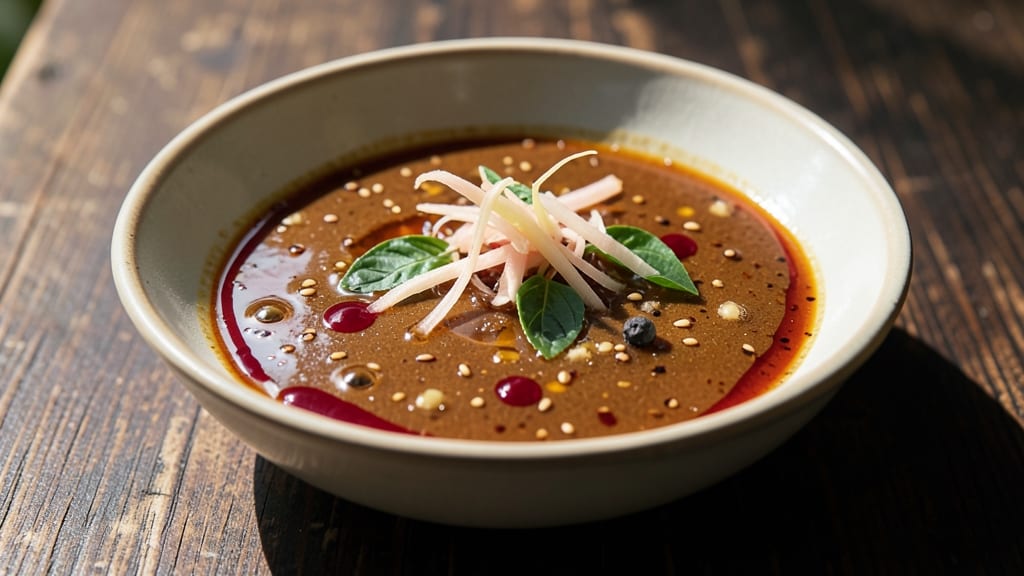
This Asian honey sauce recipe transforms simple stir-fries into restaurant-worthy dishes with just a few pantry staples. The perfect balance of sweet, tangy, and umami—this glossy sauce elevates grilled meats, noodles, and spring rolls in minutes.
I developed it after years of testing variations, and it never fails to impress, even with basic ingredients.
The secret lies in the combination of honey for natural sweetness, soy sauce for depth, and a touch of vinegar for brightness. Fresh garlic and ginger add aromatic warmth, while sesame oil brings nutty richness.
What sets this sauce apart is its versatility—it works as a glaze, dipping sauce, or finishing drizzle, and keeps well in the fridge for up to two weeks or freezer for three months.
What you’ll end up with is a sticky-sweet sauce that caramelizes beautifully when brushed over hot proteins, creating a glossy, flavorful crust. The aroma alone will have everyone asking for seconds, while the balanced flavors make it irresistible.
This is the kind of sauce that turns ordinary meals into something extraordinary.
Pair it with grilled chicken, beef, or tofu for a quick weeknight dinner, or drizzle over fresh spring rolls for an appetizer that disappears fast. Here’s how to make it—simple, foolproof, and guaranteed to become a kitchen staple.
Ingredients for asian honey sauce
Nine essential ingredients combine for a restaurant-quality sauce that transforms ordinary dishes into extraordinary creations.
| Ingredient | Amount | Notes |
|---|---|---|
| Raw Honey 🍯 | ½ cup | Light amber for delicate sweetness |
| Light Soy Sauce 🥢 | ⅓ cup | Kikkoman preferred for balance |
| Rice Vinegar 🍶 | ¼ cup | Seasoned variety adds depth |
| Fresh Garlic Cloves 🧄 | 4 cloves | Minced for aromatic punch |
| Fresh Ginger Root 🌿 | 2 tbsp | Finely grated, no zest |
| Toasted Sesame Oil 🫒 | 1 tbsp | High smoke-point preferred |
| Low-Sodium Soy Sauce 🥢 | 1 tbsp | For umami without salt overload |
| Granulated Sugar 🍚 | 2 tbsp | Balances honey's sweetness |
| Toasted Sesame Seeds 🌰 | 1 tsp | For garnish and texture |
| Ground Black Pepper 🌶️ | ¼ tsp | Freshly cracked for heat |
The honey serves as the sauce's foundation—opt for light amber varieties from local apiaries for a more delicate sweetness profile. Kikkoman light soy sauce provides the ideal balance of saltiness and umami without overpowering the other components. For vinegar, seasoned rice vinegar adds subtle complexity that plain white vinegar cannot match. Fresh garlic and ginger should be organic when possible to avoid bitterness from pesticide residue. The sesame oil should be toasted and high smoke-point—avoid flavored varieties that contain additives. Purchase these ingredients from Asian markets for authentic quality, or check the international aisle at Whole Foods for reliable options. Store honey in a cool, dark place to preserve its flavor, while soy sauce and vinegar should remain sealed until use to prevent oxidation.
No raw honey? Agave nectar or maple syrup work as substitutes, though the texture will differ slightly. Substituting balsamic vinegar for rice vinegar maintains acidity but alters the sauce's depth. For garlic or ginger shortages, garlic powder and ground ginger can be used at half the amount, though fresh is preferred. Low-sodium soy sauce can be omitted if using high-quality light soy sauce. Sesame oil alternatives include avocado oil or neutral oil, though they lack the nutty aroma. The granulated sugar can be replaced with coconut sugar for a more caramelized flavor during caramelization. For a gluten-free version, ensure your soy sauce is certified gluten-free. If you're short on time, pre-minced garlic and ginger from the refrigerated section work in a pinch, though freshly grated delivers superior flavor.
This sauce thickens as it cools, so stir before each use for consistent texture. Store in an airtight container in the refrigerator for up to two weeks—the flavors deepen over time. For longer storage, freeze in ice cube trays for single-serving portions that can be used directly on proteins. The sauce reheats beautifully—simply microwave for 20-30 seconds before drizzling. Garnish with toasted sesame seeds just before serving to maintain their crisp texture. If the sauce crystallizes slightly upon refrigeration, gentle reheating will restore its glossy consistency. Portion into small jars for easy access during weeknight cooking sessions.
Why You'll Love This Recipe
- Five-Ingredient Magic: This sauce comes together with things you’re probably already in your pantry—no fancy shopping required. Just honey, soy, vinegar, and a quick chop of garlic and ginger. That’s it. Honestly, I’ve made it while waiting for takeout to arrive.
- Sweet-Savory Balance: The honey gives it that sticky, caramelized richness, while the ginger and garlic add a bright, zesty kick. It’s not too sweet—just enough to make everything taste like a little celebration. (Yes, even on a Tuesday night.)
- Dip, Drizzle, Repeat: Use it as a dip for spring rolls, a glaze for grilled chicken, or even a quick marinade for tofu. Between us, I’ve also dumped it over plain rice when I forgot to make dinner. It fixes everything.
- Make-Ahead Magic: This sauce keeps for weeks in the fridge, so I always have it on hand for last-minute meals. Plus, the ingredients are cheap—you’ll save money compared to store-bought versions that cost a fortune for half the flavor.
Step-by-step instructions for Asian honey sauce
This method delivers a balanced sauce with perfect sweet-sour harmony every time.
Mince Garlic and Grate Ginger
Peel the 4 cloves of fresh garlic cloves and finely mince them using a sharp chef's knife. I like to press the knife flat against the cloves while chopping to create a paste-like texture that dissolves completely into the sauce. This ensures maximum flavor extraction without bitter almond notes.
For the 2 tablespoons of fresh ginger root, use a microplane or fine grater to create a fine paste. Avoid including any of the fibrous skin or zest—just the pale yellow flesh. The grated ginger should measure about 2 tablespoons when packed down. Set both aside in separate small bowls until ready to use.
Combine Wet Ingredients
In a medium saucepan, combine the 0.5 cup raw honey, 0.33 cup light soy sauce, 0.25 cup rice vinegar, and 2 tablespoons granulated sugar. Place the pan over medium-low heat and bring the mixture to a gentle simmer. I prefer medium-low heat to prevent scorching while allowing the ingredients to meld gradually.
Stir occasionally with a silicone spatula, watching for the sugar to begin dissolving. You'll notice the mixture thicken slightly as the sugar integrates and the flavors start to blend. This typically takes about 3-4 minutes—don't rush this step as proper integration is key to a balanced sauce.
Add Aromatics and Simmer
Once the mixture reaches a gentle simmer, add the minced garlic and grated ginger. Stir well to distribute the aromatics evenly throughout the sauce. The garlic should disappear completely within 1-2 minutes of simmering, while the ginger will soften but maintain some texture.
Simmer for an additional 5 minutes, stirring occasionally. You'll notice the sauce begin to thicken and develop a glossy sheen. This is when the flavors truly come together—the sweet honey balances the tangy vinegar, while the soy sauce adds depth. The aroma should be rich and inviting, with notes of garlic and ginger permeating the air.
Finish with Oil and Seasoning
Remove the saucepan from heat and let the mixture cool slightly for 2-3 minutes. This prevents the toasted sesame oil from separating when added. Then, stir in the 1 tablespoon toasted sesame oil and 1 tablespoon low-sodium soy sauce. The oil should emulsify beautifully into the sauce, creating that signature silky texture.
Finally, add the 0.25 teaspoon ground black pepper and stir well. Taste the sauce and adjust the balance if needed—add a touch more rice vinegar if it's too sweet, or a bit more honey if it's too tart. The sauce should be sticky, glossy, and perfectly balanced between sweet, salty, and tangy flavors.
Garnish and Store
Transfer the sauce to a clean glass jar or airtight container. Sprinkle with the 1 teaspoon toasted sesame seeds, then seal tightly. The seeds add both visual appeal and a subtle nutty crunch when drizzled over dishes. Store in the refrigerator for up to 2 weeks, or freeze for up to 3 months.
When ready to use, give the sauce a good stir—it will thicken slightly when chilled. This sauce is perfect for drizzling over stir-fries, grilled meats, or even as a glaze for roasted vegetables. The balance of flavors makes it incredibly versatile while maintaining that signature Asian-inspired sweet-sour profile.
Pro Tips For Making Asian Honey Sauce
- Simmer Slow and Low: I learned this the hard way—boiling the sauce turns it bitter. Keep the heat at a gentle simmer (just small bubbles, not a rolling boil) until the honey and soy sauce meld. If you rush it, you’ll end up with something that tastes more like overcooked syrup than a balanced glaze.
- Peel Ginger Like a Pro: Skip the time-consuming peeling by scrubbing the root under cold water first, then using a spoon to scoop off the skin in one piece. Thinly slice it against the grain—this releases more flavor and avoids that rubbery texture that ruins the sauce.
- Balance the Vinegar First: Taste the raw vinegar before adding honey or soy. If it’s too sharp, mix it with a splash of warm water (about 1 tablespoon) to mellow it out. Adding honey later will just amplify the sourness if you don’t adjust this step early.
- Strain the Garlic-Ginger Paste: After mincing garlic and ginger, press the mixture through a fine-mesh strainer to remove fibrous bits. This keeps the sauce smooth and prevents texture issues—especially important if you’re drizzling it over delicate dishes like grilled fish or tofu.
Common mistakes when making perfect results
Overcooking the Sauce
One of the biggest mistakes is letting the sauce boil vigorously—this causes the honey to crystallize and the vinegar to evaporate too quickly, ruining the delicate balance. I’ve seen sauces turn grainy or overly thick when cooked too long.
Always maintain a gentle simmer (small bubbles, not a rolling boil) and remove from heat as soon as the aromatics are fully incorporated. 🌡️
Skipping the Cooling Step
Adding toasted sesame oil to a hot sauce can cause it to separate, creating an unappetizing oil slick on top. I learned this the hard way—always let the sauce cool for 2-3 minutes before stirring in the oil.
This simple step ensures a silky, emulsified texture that’s ready to drizzle or glaze.
Using Low-Quality Ingredients
Cheap honey or store-brand soy sauce can make your sauce taste flat or overly salty. I recommend Kikkoman light soy sauce and local raw honey for the best flavor. The difference in taste is noticeable, and it’s worth investing in quality ingredients for a restaurant-worthy result.
Ignoring the Resting Time
Freshly made sauce tastes amazing, but it’s even better after resting for 15-30 minutes in the fridge. This allows the flavors to meld and the texture to thicken naturally. I often make this sauce ahead of time so it’s ready to use when needed—it’s a game-changer for weeknight dinners. ⏳
Over-Salting with Extra Soy Sauce
Some recipes call for extra soy sauce to deepen flavor, but this can make the sauce too salty. Instead, taste as you go and adjust with rice vinegar for tang or a touch of honey for sweetness. The key is balance—start with the recipe measurements and tweak only if necessary.
Not Storing Properly
Letting sauce sit at room temperature for too long encourages bacterial growth. Always store it in an airtight container in the fridge for up to 2 weeks, or freeze in ice cube trays for single-serving portions.
I’ve found that portioning the sauce into small jars makes it easy to grab and use without contamination risks. 🧊
Nutrition facts
Frequently asked questions
Can I make this honey sauce without fresh garlic or ginger?
Yes, but expect slightly less depth in flavor. Use 1 teaspoon garlic powder and ½ teaspoon ground ginger instead, though freshly grated is always better. For the best results, try to find pre-minced garlic in the refrigerated section—it works nearly as well as fresh.
How do I adjust the sweetness level for kids or diabetics?
For less sweetness, reduce honey to ¼ cup and add 1 extra tablespoon rice vinegar for tang. For diabetic-friendly versions, swap honey for ¼ cup sugar-free maple syrup or agave nectar. Always taste as you go—balance is key!
Can I use this sauce as a marinade instead of a glaze?
For marinating, thin the sauce with 2 tablespoons water per ½ cup of sauce. Marinate proteins like chicken or pork for 30-60 minutes (not longer—honey can make meat mushy). Brush on during the last 5 minutes of grilling for maximum caramelization.
Why did my sauce separate when I stored it?
This usually happens if the sauce cooled too quickly or if too much oil was added. Gently reheat the sauce in a saucepan over low heat while stirring constantly until smooth. For future batches, let the sauce cool slightly before adding oil, and store it in a glass jar instead of plastic.
What are the best dishes to pair with this sauce?
This versatile sauce works perfectly with grilled meats (chicken, pork, or shrimp), noodle dishes (udon or ramen), spring rolls, and even as a dipping sauce for dumplings. For vegetarian options, drizzle it over roasted tofu or steamed vegetables. The sweet-savory balance makes it a crowd-pleaser!