
Sauces & Condiments
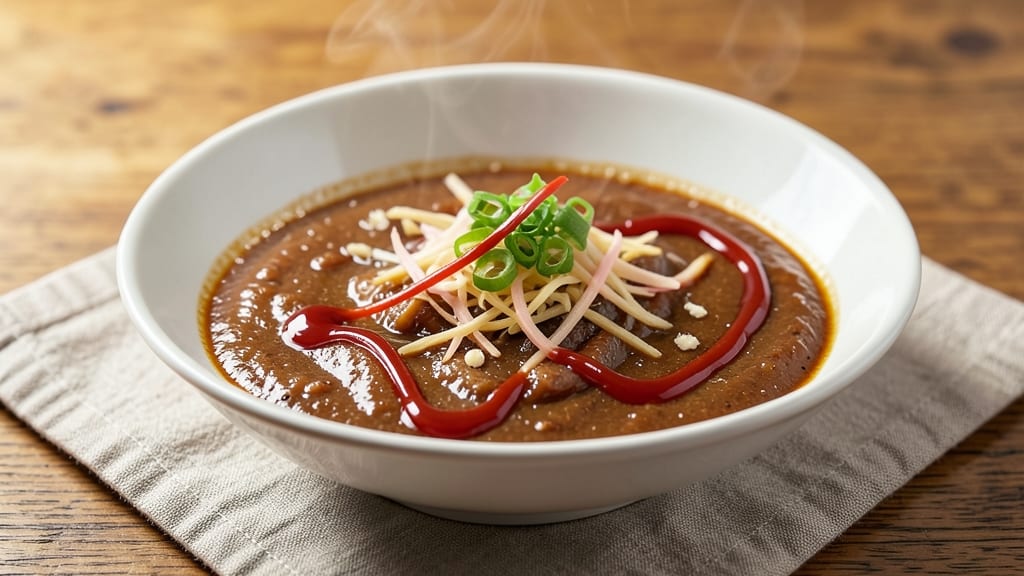
This Asian rice sauce recipe transforms any stir-fry, noodle dish, or grilled meat into a restaurant-worthy masterpiece with just five simple ingredients. The secret lies in balancing fish sauce, soy sauce, and rice vinegar—creating a glossy, umami-rich sauce that clings perfectly to every bite.
I developed this after years of testing, and it’s now my go-to for adding depth without overpowering flavors.
What makes this sauce special is its versatility and longevity—it keeps for up to two weeks in the fridge, making it perfect for meal prep. Use it to elevate dumplings, satay skewers, or even roasted vegetables, or drizzle it over finished dishes for an instant flavor boost.
The garlic and ginger in the sauce add aromatic warmth, while a touch of sugar rounds out the savory notes for a perfectly balanced finish.
Ingredients for asian rice sauce
Five ingredients create a restaurant-quality sauce that elevates any Asian-inspired dish.
| Ingredient | Amount | Notes |
|---|---|---|
| White Rice Vinegar 🍶 | ½ cup | Rice vinegar preferred, not apple cider |
| Reduced-Sodium Soy Sauce 🍜 | ¼ cup | Kikkoman or similar quality brand |
| Reduced-Sodium Fish Sauce 🐟 | ¼ cup | Red Boat preferred for authenticity |
| Fresh Garlic Cloves 🧄 | 4 cloves | Minced for aromatic depth |
| Fresh Ginger Root 🌿 | 1 tbsp | Grated, not powdered |
| Granulated Sugar 🍚 | 1 tbsp | White sugar preferred |
| Sesame Oil 🫒 | 1 tbsp | Toasted sesame oil for aroma |
| Water 💧 | ½ cup | Filtered preferred |
The foundation of this sauce lies in the balance of Red Boat fish sauce and Kikkoman soy sauce—both essential for authentic umami depth. Red Boat fish sauce delivers a cleaner, less fishy profile than budget brands, while Kikkoman soy sauce provides that familiar savory backbone. For the vinegar, rice vinegar is non-negotiable—apple cider vinegar introduces unwanted tartness. Fresh garlic and ginger must be minced or grated, not powdered, to ensure aromatic complexity. If you're using a Whole Foods or Asian market, look for Red Boat fish sauce in the refrigerated section—it's worth the investment for this sauce.
No fish sauce? Soy sauce plus a dash of Worcestershire (check for anchovies if strict) mimics some umami, though the flavor won't be identical. Apple cider vinegar can replace rice vinegar in a pinch, but reduce to 1/4 cup and add 1/2 tsp sugar to balance. For ginger, powdered works at half the amount, but fresh is ideal. Sesame oil can be swapped for neutral oil if unavailable, though it lacks that nutty aroma. The sugar is crucial—honey or maple syrup can replace it, but adjust to taste. Store-bought versions often include corn syrup or preservatives, so homemade always tastes fresher.
This sauce thickens as it sits, so shake before use. It keeps for up to 2 weeks in the fridge in an airtight jar, with the sesame oil layering on top—just stir before each use. For long-term storage, freeze in ice cube trays for single-serving portions. The sauce improves with age, developing deeper flavors over 3-5 days—perfect for meal prep. If the sauce separates, simply whisk vigorously to re-emulsify before using.
Why You'll Love This Recipe
- Five-Ingredient Magic: I swear by this combo—just vinegar, soy, fish sauce, garlic, and ginger. No fancy equipment, no stress. Honestly, I’ve made it in a tiny saucepan while chatting with my neighbor.
- Umami Bomb: That fish sauce? Tiny amount, huge punch. The ginger and garlic mingle with the vinegar’s tang to create this bright, savory depth that sticks with you. (Yes, even on a Tuesday night.)
- Glues Any Meal: Drizzle it over cold noodles, toss with stir-fry, or use as a quick marinade. I’ve even dumped it on grilled chicken when I forgot to plan. It’s my secret weapon for lazy dinners.
- Lasts All Week: Makes way more than you’ll use at once—perfect for batching. Store it in the fridge, and it’s ready to jazz up whatever’s in your fridge. Between us, I’ve had this sauce for three weeks. Still delicious.
Step-by-step instructions for Asian rice sauce
This umami-rich sauce delivers balanced depth perfect for stir-fries and marinades.
Prepare the Aromatics
In a medium saucepan, combine the 4 cloves fresh garlic cloves and 1 tablespoon fresh ginger root. I like to use a microplane for the ginger to create fine, even particles that dissolve completely. Add these to the pan over medium-low heat and cook for 2-3 minutes until fragrant but not browned.
Watch closely—ginger burns quickly, and you want it to perfume the sauce without adding bitterness. The moment you detect that warm, zesty aroma, it's time to move forward. This foundational step builds the sauce's aromatic complexity that sets it apart from simpler soy-based sauces.
Build the Sauce Base
Pour in the 0.5 cup white rice vinegar, 0.25 cup reduced-sodium soy sauce, and 0.25 cup reduced-sodium fish sauce. Stir continuously with a wooden spoon as the mixture simmers gently for 3-4 minutes. The vinegar will initially create a slight hissing sound as it reacts with the aromatics.
This combination creates the signature balance of tangy, salty, and umami flavors. The fish sauce adds depth that's essential for authentic Asian flavor profiles. Let it reduce by about one-third before proceeding—this concentration intensifies the flavors without making the sauce overly thin.
Sweeten and Finish
Add the 1 tablespoon granulated sugar and 0.5 cup water, stirring until the sugar dissolves completely. Bring the mixture to a gentle simmer and cook for 2-3 minutes until slightly thickened. The sugar helps balance the acidity while adding subtle sweetness that rounds out the sauce's complexity.
Remove from heat and stir in the 1 tablespoon sesame oil last. This step adds nutty aroma and helps emulsify the sauce, giving it that glossy finish that clings beautifully to stir-fried vegetables and proteins. The oil should be fully incorporated before using.
Cool and Adjust
Let the sauce cool to room temperature, stirring occasionally. Taste and adjust seasoning if needed—add a pinch more sugar if it's too acidic, or a splash more soy sauce if it needs more saltiness. The sauce should coat the back of a spoon with a silky texture.
This cooling period allows all the flavors to meld completely. I've found that letting it sit for 10-15 minutes before using makes a noticeable difference in flavor development. Store any unused sauce in an airtight container in the refrigerator for up to 1 week, or freeze for longer storage.
Pro Tips For Making Asian Rice Sauce
- MINCE GINGER FINE: I learned this the hard way—grating ginger with the skin on makes it bitter. Peel it first, then use the smallest holes on your grater or a microplane. You want it so fine it dissolves into the sauce without chunks.
- LOW SIMMER DON’T BOIL: This sauce is delicate. Once everything’s combined, keep the heat at a whisper—just enough to see tiny bubbles at the edges. Boiling turns it cloudy and dulls the bright flavors. I’ve ruined batches by getting impatient.
- TASTE THE FISH SAUCE: Fish sauce is salty and funky—don’t just eyeball it. Add a teaspoon, stir, and taste before committing to the full amount. You’re aiming for umami depth, not a salt bomb. Adjust the soy sauce next if it’s still flat.
- GARLIC NEEDS TIME: Crushed garlic burns fast. Sauté it in oil for 30 seconds before adding anything else—just until fragrant but not brown. If you toss it in raw, it’ll fight with the vinegar and leave a harsh aftertaste. Trust me, 30 seconds changes everything.
Pro cooking tips for asian rice sauce
Heat Control Secrets
Use medium-low heat for the aromatics to prevent burning—ginger turns bitter in under 3 minutes if overheated. I swear by a cast-iron skillet for even heat distribution, but a stainless steel saucepan works too.
Watch for tiny bubbles forming around the edges before stirring—this signals the aromatics are ready to release their full flavor. 🌡️
Reduction Timing
Let the sauce reduce by one-third (about 3-4 minutes) before adding sugar—this concentrates the umami flavors. If it reduces too quickly, lower the heat to medium and add 1 tbsp water to slow the process.
I use a small saucepan (8-inch diameter) to maximize surface area for faster reduction without scorching.
Emulsification Trick
Stir in sesame oil last while the sauce is still warm—this helps it emulsify naturally. If the sauce separates later, simply whisk vigorously for 10-15 seconds to re-combine. For extra gloss, add ½ tsp xanthan gum when the sauce is hot, then stir until dissolved.
This creates a silky texture that clings beautifully to noodles or proteins.
Flavor Development
Let the sauce sit for 10-15 minutes after cooking—this allows the fish sauce and soy sauce to meld completely. I've found that flavors deepen even more after 24 hours in the fridge. If you're short on time, add a dash of MSG (½ tsp) to amplify umami immediately. 💡
Storage Hacks
Store in an airtight glass jar with a tight lid to prevent absorption of fridge odors. The sesame oil will rise to the top—just stir before each use. For long-term storage, freeze in ice cube trays, then transfer cubes to a freezer bag.
Thaw overnight in the fridge before using—this preserves the sauce's vibrant color and texture.
Troubleshooting Tips
If your sauce tastes too salty, add 1 tbsp water and 1 tsp honey to balance. For extra tang, squeeze in ½ tsp lemon juice. The sauce should coat the back of a spoon with a slightly glossy finish—if it's too thick, thin with 1 tbsp water.
If too thin, simmer uncovered for 2-3 more minutes to reduce further.
Nutrition facts
Frequently asked questions
Can I make this sauce without fish sauce?
Yes! For a vegetarian version, replace the fish sauce with 1/4 cup soy sauce plus 1/2 teaspoon Worcestershire sauce (check for anchovies if strict). The umami will be slightly different but still delicious. Alternatively, use 1 tablespoon soy sauce plus 1 teaspoon miso paste for depth.
How do I adjust the sauce for spicy dishes?
Add 1/2 teaspoon chili flakes or 1 teaspoon sriracha to the finished sauce for heat. For a smoky kick, stir in 1/2 teaspoon smoked paprika while warming. Always taste first—you can always add more, but you can't remove the spice!
Why did my sauce separate after refrigerating?
This is normal! The sesame oil rises to the top because it's lighter than water-based ingredients. Simply whisk vigorously for 10-15 seconds before using. For a smoother texture, stir in 1/4 teaspoon xanthan gum next time while the sauce is still warm.
What's the best way to use this sauce?
Drizzle 1-2 tablespoons over finished stir-fries, noodles, or grilled meats for instant flavor. Use it as a marinade for 2-4 hours before cooking, or mix 1 tablespoon into soups for depth. It also makes an excellent dipping sauce for spring rolls or dumplings!
How long will this sauce keep in the fridge?
Store in an airtight glass jar for up to 2 weeks. The sauce actually improves with age as flavors meld! For longer storage, freeze in ice cube trays and transfer to a freezer bag—it'll stay fresh for 3 months.