
Sauces & Condiments
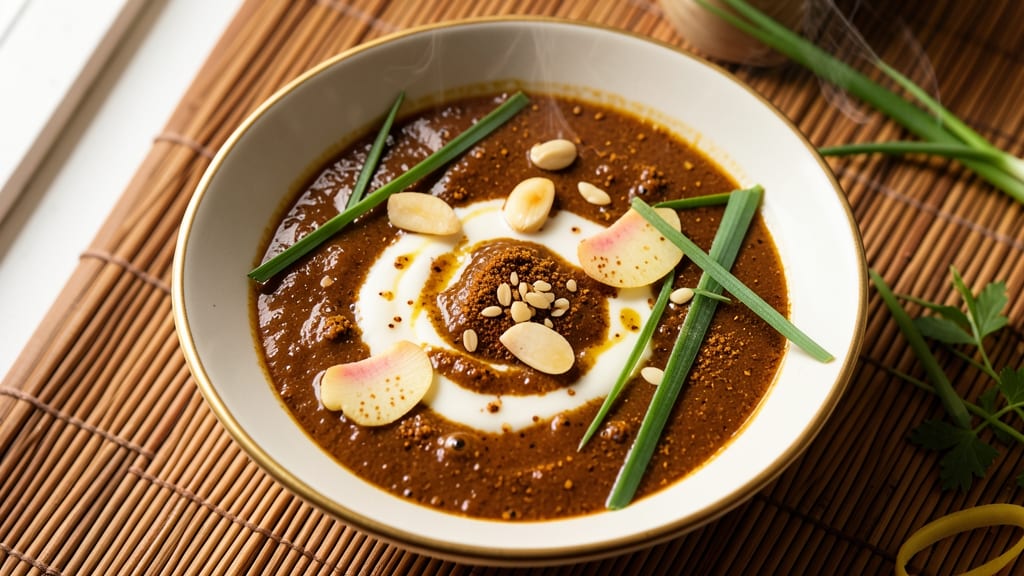
This Asian curry sauce recipe transforms simple pantry staples into a rich, aromatic base that elevates everything from stir-fries to slow-cooked curries. The secret lies in balancing heat, umami, and sweetness through slow simmering—no fancy techniques required.
What starts as a fragrant paste of ginger, garlic, and curry powder evolves into a velvety sauce with layers of depth that cling to proteins and grains perfectly.
The beauty of this sauce is its versatility—use it as a marinade for chicken or tofu, a stir-fry glaze, or the star of a coconut milk-based curry. Aromatics like lemongrass and galangal (or ginger) infuse the sauce with complexity, while coconut milk adds a luxurious creaminess.
The one-pot method keeps prep simple, and the sauce thickens beautifully when reduced, ensuring every bite delivers bold flavor without overwhelming heat.
Once complete, you’ll have a sauce that’s restaurant-quality yet effortless to make, with a shelf life of up to a week in the fridge. Its adaptability means it works with rice, noodles, or even as a dipping sauce—proof that a single pantry-friendly recipe can solve multiple dinner dilemmas.
The key is patience: letting the spices bloom and the sauce develop its signature depth.
Perfect for meal prep or spontaneous cooking, this curry sauce is the foundation for endless dishes. Store it in an airtight container and reheat gently to preserve its texture and aroma.
Whether you’re serving it over jasmine rice or drizzling it over grilled vegetables, the result is a harmonious blend of spice, sweetness, and umami that turns ordinary meals into something extraordinary.
Ingredients for asian curry sauce
Ten pantry staples and fresh aromatics create a velvety sauce with restaurant-quality depth.
| Ingredient | Amount | Notes |
|---|---|---|
| Yellow Curry Powder 🌶️ | 2 tbsp | High-quality for authentic flavor |
| Fresh Ginger 🧄 | ½ cup | Finely grated, aromatic |
| Garlic Cloves 🧄 | 6 cloves | Minced for deep flavor |
| Lemongrass 🌿 | ¼ cup | Finely chopped, inner stalks |
| Galangal 🧄 | ¼ cup | Ginger substitute if unavailable |
| Coconut Milk 🥥 | 1 can | Full-fat for creaminess |
| Fish Sauce 🍶 | 1 tbsp | Umami depth (vegan: soy sauce) |
| Brown Sugar 🍯 | 2 tbsp | Balances heat and sweetness |
| Extra-Virgin Olive Oil 🫒 | 2 tbsp | For sautéing aromatics |
| Lime Juice 🍋 | 2 tbsp | Freshly squeezed for brightness |
Curry powder is the foundation—Penzeys or Madras brand deliver the most authentic flavor profile. Fresh ginger and galangal (or ginger substitute) are non-negotiable for that signature aromatic complexity. Thai markets often carry galangal, but most grocery stores stock ginger. For lemongrass, select stalks with vibrant green leaves and firm texture—avoid any that feel woody or dried out. Coconut milk should be full-fat for optimal creaminess, and Thai Kitchen brand is a reliable choice for consistent results.
No fish sauce? Soy sauce or coconut aminos provide a similar umami base, though results will differ slightly. Substitute dried galangal at half the amount if fresh isn't available, but expect less intensity. The brown sugar can be swapped for coconut sugar or maple syrup for variations in flavor depth. For a quicker prep, pre-minced garlic and ginger from Trader Joe's save time without sacrificing quality. The lime juice should be freshly squeezed—bottled versions lack the vibrant acidity needed to brighten the sauce.
This sauce thickens beautifully when reduced, making it ideal for meal prep. Store in an airtight container in the refrigerator for up to 7 days, where it continues to develop flavor. For longer storage, freeze in ice cube trays and transfer to a bag for up to 3 months. Reheat gently on the stove with a splash of water or coconut milk to restore its velvety texture. The sauce pairs exceptionally well with jasmine rice or steamed vegetables, delivering that signature umami-sweet balance in every bite.
Why You'll Love This Recipe
- No Chopping Chaos: I swear by this—just a quick whack of ginger and garlic with a knife, then toss it in the pot. The lemongrass and galangal (yes, that root looks weird, but it’s a game-changer) don’t even need peeling if you’re in a rush. Ten minutes of prep max, and you’re golden.
- Umami Bomb: That yellow curry powder alone? Rich, earthy, and slightly smoky. But add the fresh ginger and garlic sizzling in the pan, and suddenly you’ve got layers—bright, spicy, with this underlying warmth that sticks to your ribs. It’s the kind of sauce that makes you close your eyes mid-bite.
- Pantry-to-Table Magic: This sauce works over rice, noodles, tofu, chicken, or even eggs. Stash it in the fridge for up to a week, and it only gets better—deeper, more complex. I’ve used it for lazy weeknight dinners, potlucks, and even as a marinade. Honestly, I’m not sure why I ever bought store-bought curry paste.
- Budget Stretch: A single batch feeds me for days. Double it, freeze half, and you’ve got a cheap, flavor-packed sauce ready for whenever. The galangal and lemongrass might seem fancy, but they last ages in the freezer, and a little goes a long way. My wallet—and my taste buds—thank me every time.
Step-by-step instructions for Asian curry sauce
This aromatic sauce builds layer by layer—each step unlocks deeper flavor. Follow closely for balanced heat and richness.
Bloom the Curry Powder and Sauté Aromatics
Heat the 2 tablespoons extra-virgin olive oil in a heavy-bottomed pot over medium-low heat. Add the 2 tablespoons yellow curry powder and stir constantly for 1-2 minutes until it releases its deep, toasty aroma. This blooming step activates the spices' essential oils—don't rush it or the flavors will remain raw.
Add the 0.5 cup finely grated fresh ginger and 6 minced garlic cloves, stirring for 30 seconds until fragrant. Immediately add the 0.25 cup finely chopped lemongrass and 0.25 cup galangal (if using). Sauté for 2 minutes until the lemongrass releases its citrusy aroma and the galangal softens slightly. Watch carefully—the garlic burns quickly at this stage.
Build the Sauce Base with Coconut Milk
Pour in the 1 can coconut milk and bring to a gentle simmer over medium heat. Stir occasionally to prevent scorching at the bottom. Let it cook uncovered for 8-10 minutes, stirring frequently, until the mixture reduces slightly and thickens enough to coat the back of a spoon. You'll see the sauce transform from thin to velvety—this is when the coconut's natural sweetness begins to caramelize.
Add the 1 tablespoon fish sauce and 2 tablespoons brown sugar, stirring well to combine. Taste and adjust seasoning—this is your flavor checkpoint. The sauce should balance spicy, sweet, salty, and umami notes. If it's too sharp, add a pinch more sugar; if too mild, a splash more fish sauce. Keep it simmering gently for another 5 minutes to meld the flavors.
Finish with Lime and Rest for Maximum Flavor
Remove the pot from heat and stir in the 2 tablespoons freshly squeezed lime juice. The acidity brightens the sauce and cuts through the richness. Let the sauce rest for 5 minutes—this allows the flavors to fully integrate. The sauce will thicken slightly more as it cools, so don't over-reduce it now.
For best results, use the sauce immediately over proteins like chicken or tofu, or store it in an airtight container in the refrigerator for up to 5 days. The flavors actually deepen overnight. When reheating, warm gently over low heat to preserve its delicate balance of spice and creaminess.
Pro Tips For Making Asian Curry Sauce
- Bloom the Spices Slowly: Start with a dry pan on medium-low heat—yes, even for curry powder—and let it toast for 30 seconds before adding oil. I learned this the hard way after burning my first batch of yellow curry; the powder’s turmeric and coriander oils are delicate, and rushing turns them bitter. Once fragrant, pour in the oil and keep the heat steady—no sizzling, no smoking.
- Slice Galangal Thinly: Skip the grating unless you’re committed to scrubbing your fingers for 10 minutes. Thin, matchstick slices (about 1/8-inch thick) render their peppery, citrusy punch into the sauce without leaving you with a chunky, underused root. Pro move: Pat them dry first—they’ll caramelize faster and add depth.
- Crush Garlic with Salt: Smash those garlic cloves with a pinch of salt before adding them to the pan. It breaks them down faster and prevents them from burning into bitter sludge. I used to mince them finely, but now I just whack them with the flat side of my knife—less mess, same flavor, and no waiting for even slices.
- Balance Heat with Coconut Milk: Stir in the coconut milk gradually, a splash at a time, while the sauce simmers. This prevents curdling and lets you taste as you go—if it’s too sharp, add more; if it’s too mild, let it reduce longer. I skip pre-mixing it in; the gradual approach keeps the sauce silky and in control.
Make-ahead tips for this dish
Prep Ahead Sauce
Make this curry sauce 2 days ahead for deeper flavor development. After Step 2, let it cool completely, then transfer to a glass airtight container (I love Le Parfait jars for their tight seals).
Store in the fridge for up to 7 days—the spices continue mellowing, and the coconut milk's creaminess intensifies. The sauce actually tastes better after resting! 💫
Freezer-Friendly Tips
For long-term storage, freeze the sauce in ice cube trays (standard or silicone). Once frozen, transfer cubes to a ziplock freezer bag with labels (write the date—it lasts 3 months).
Thaw overnight in the fridge, then reheat gently with 1 tablespoon water or coconut milk per cube to restore texture. Perfect for busy weeknights!
Batch Cooking Strategy
Double the recipe and freeze half immediately. Use the fresh half for immediate meals (like stir-fries or curries), then pull the frozen portion as needed. I keep two 1-cup portions in the freezer at all times—one for quick marinades, one for sauces.
Label clearly with "Curry Sauce" and "Use within 3 months" to avoid freezer confusion. ❄️
Reheating Like a Pro
Never microwave this sauce—it breaks down the delicate coconut emulsion. Instead, reheat in a small saucepan over low heat for 3-5 minutes, stirring occasionally. Add 1 tablespoon water or coconut milk if it thickens too much.
For extra richness, stir in ½ teaspoon butter or 1 teaspoon coconut cream at the end. This preserves the sauce's velvety texture perfectly.
Flavor Boost After Storage
If your refrigerated sauce tastes flat after a few days, revive it by adding ½ teaspoon fish sauce (or soy sauce) and 1 teaspoon lime juice. Simmer for 2 minutes to rebalance flavors.
For a smoky twist, add ¼ teaspoon smoked paprika or a pinch of chili flakes. The sauce absorbs these additions beautifully, giving you a fresh start without remaking it.
Portioning for Meals
Divide the sauce into 4-ounce portions in small containers for easy grab-and-go use. I store these in the fridge for up to 5 days—ideal for quick meals like curry bowls or protein marinades.
Label each with the date and purpose (e.g., "Stir-Fry Sauce" or "Marinade") to streamline your cooking process. This saves time during busy weeks! 📅
Nutrition facts
Frequently asked questions
Can I make this sauce without coconut milk?
Yes! For a lighter version, replace the coconut milk with 1 cup vegetable broth plus 2 tablespoons cornstarch mixed with 2 tablespoons water to thicken. For richness, use ½ cup Greek yogurt or cashew cream instead. The sauce will have a different texture but still deliver bold flavors.
How spicy is this sauce, and can I adjust it?
The heat level depends on your curry powder—most yellow curry blends are mild to medium. For extra spice, add ½ teaspoon chili flakes or 1 teaspoon sambal oelek at the end. To reduce heat, omit the galangal (or ginger) or add 1 extra tablespoon brown sugar to balance. Taste as you go!
What proteins or grains pair best with this sauce?
This versatile sauce works with chicken thighs, tofu, shrimp, or firm white fish like cod. For grains, try jasmine rice, basmati rice, or coconut rice. It also elevates stir-fried vegetables, noodles, or even grilled halloumi. The key is cooking proteins until tender—sauce pairs better with moist textures.
Why did my sauce separate after refrigerating?
This happens when coconut milk separates due to temperature changes. Stir in 1 tablespoon warm water or coconut milk and reheat gently over low heat until smooth. For prevention, let the sauce cool slowly at room temperature before refrigerating. The emulsion will stabilize better this way.
Can I use this sauce as a marinade?
Use it as-is for 1-2 hours for poultry or tofu, or 30 minutes for delicate fish. For extra tenderness, add 1 tablespoon honey to the marinade. Always reserve ¼ cup sauce to cook with the protein—don't discard it! The flavors intensify when reduced.