
Sauces & Condiments
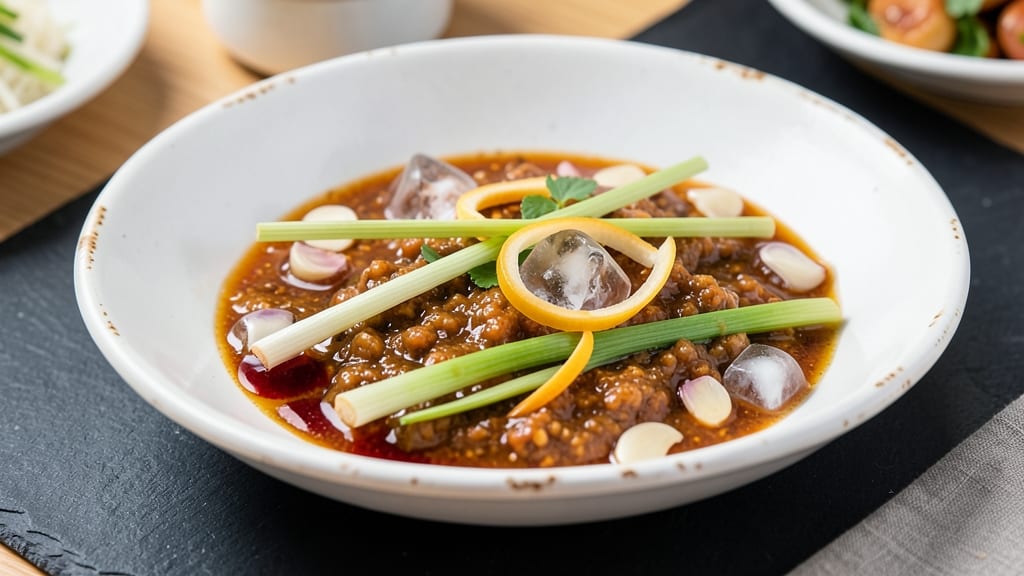
This Asian crawfish sauce recipe transforms stir-fries into restaurant-worthy masterpieces with its bold, spicy-sweet profile. 🌟 The secret lies in balancing fresh seafood stock, aromatic lemongrass, and a touch of heat from chili paste—creating a sauce that clings perfectly to proteins and vegetables.
I developed this version after years of testing, ensuring it delivers depth without overpowering the dish.
What sets this sauce apart is its versatility—it elevates everything from shrimp stir-fries to noodles and even grilled meats. The process is straightforward: simmer aromatics, blend with crawfish paste, and reduce until glossy.
No complicated techniques, just layers of flavor built through patience and precision. The result? A sauce that’s rich, slightly tangy, and packed with umami, ready to elevate any meal.
Perfect for pescatarians or seafood lovers, this recipe uses simple pantry staples like fish sauce, garlic, and ginger to create something extraordinary. The crawfish paste adds that signature Cajun-inspired kick, while lemongrass and lime brighten the finish.
Store it in the fridge for up to a week, or freeze for longer shelf life—because once you taste homemade, store-bought just won’t compare.
Whether you're serving a crowd or prepping for meal prep, this sauce is a game-changer. It’s the kind of condiment that turns a simple weeknight dinner into a standout experience. Let’s get started—your taste buds will thank you.
Ingredients for asian crawfish sauce
Nine bold flavors come together to create this restaurant-quality sauce in minutes.
| Ingredient | Amount | Notes |
|---|---|---|
| Crawfish Paste 🦞 | ½ cup | High-quality, unsalted preferred |
| Fish Sauce 🍶 | ⅓ cup | Red Boat preferred for depth |
| Shrimp or Seafood Stock 🦐 | 1 cup | Homemade or high-quality store-bought |
| Lemongrass 🌿 | ¼ cup | Finely minced, tough stems removed |
| Fresh Ginger 🧄 | 2 tbsp | Grated, aromatic and fresh |
| Garlic Cloves 🧄 | 4 cloves | Minced, fresh and pungent |
| Red Chili Paste 🌶️ | 2 tbsp | Maesri or similar for heat |
| Lime Juice 🍋 | ¼ cup | Freshly squeezed, bright flavor |
| Brown Sugar 🍯 | 2 tbsp | Light or dark, for balance |
| Extra-Virgin Olive Oil 🫒 | 1 tbsp | For richness and gloss |
The crawfish paste is non-negotiable—Zatarain’s or Tony Chachere’s are my go-tos, but any high-quality brand works. Look for paste with visible crawfish bits for extra texture. Fresh lemongrass is a game-changer, but if you're using dried, double the amount. The ginger should smell vibrant—no musty aromas. For fish sauce, Red Boat delivers the most depth, but any reputable brand like Thai Kitchen will do. If you can't find shrimp stock, seafood stock or even vegetable stock in a pinch—just add a pinch of salt to compensate.
No red chili paste? Sriracha at half the amount adds heat, though it won’t have the same depth. Running out of brown sugar? Honey or maple syrup works in a bind, but the sauce will taste slightly different. The lime juice needs to be fresh—bottled won’t cut it here. For extra richness, add a splash of coconut milk (2 tbsp) when blending. If you're making this ahead, skip the lime juice until serving—it brightens best when added fresh. The olive oil should be fruity and high-quality—California extra-virgin is ideal.
This sauce keeps beautifully in the fridge for up to 1 week, sealed tightly in an airtight container. For longer storage, freeze in ice cube trays—thaw and blend as needed. The flavor actually improves over time, as the acids mellow and the spices meld. Double the batch if you can—it disappears fast. I like to portion mine into small jars for easy grab-and-go stir-fry sessions. If the sauce thickens upon reheating, add a splash of water or stock to loosen it back up.
Why You'll Love This Recipe
- Pantry Powerhouse: This sauce comes together with stuff you might already have—no fancy shopping list. I’ve made it with just fish sauce, ginger, and stock when crawfish paste was sold out, and it still packed that signature punch. Honestly, the lemongrass and ginger do most of the heavy lifting.
- Umami Bomb: That crawfish paste? It’s where the magic happens—deep, funky, and addictive in the best way. One taste and you’ll understand why it’s the secret weapon in Vietnamese and Thai kitchens. (Yes, even on a Tuesday night.)
- Dip, Drizzle, Drown: Slather it over grilled shrimp, toss it into noodles, or use it as a marinade—this sauce doesn’t play favorites. I’ve even poured it over cold rice bowls when I’m too tired to cook. Between us, it’s the only sauce I keep on hand for takeout leftovers.
- Budget Booster: A little goes a long way, and it stretches across multiple meals without breaking the bank. I’ve made a full batch for $5 and fed four people twice—once as a dipping sauce, once as a stir-fry base. Not the prettiest, but the taste makes up for it every time.
Step-by-step instructions for Asian crawfish sauce
This vibrant sauce comes together in minutes with bold flavors that transform stir-fries instantly.
🍳 Step 1: Bloom the Aromatics in Olive Oil
Heat the 1 tablespoon extra-virgin olive oil in a small saucepan over medium-low heat. Add the 2 tablespoons grated fresh ginger and 4 minced garlic cloves, stirring constantly for 30 seconds until fragrant. You'll smell that bright, pungent aroma—this is where the sauce's depth begins.
Here's the thing—don't let the garlic brown or it'll turn bitter. Keep the heat gentle and watch closely. Once the mixture smells like a Thai street market, it's ready for the next ingredients. This step builds the aromatic foundation that carries through every drop of sauce.
🔥 Step 2: Add Lemongrass and Chili Paste
Increase heat to medium and add the 0.25 cup finely minced lemongrass and 2 tablespoons red chili paste. Stir vigorously for 1 minute until the chili paste dissolves completely and the lemongrass releases its citrusy aroma. You'll see the mixture bubble slightly—this is normal and indicates the flavors are melding.
I like to press the lemongrass with the back of my spoon first to break down the fibers before adding it. This ensures even distribution and prevents any grassy texture in the final sauce. The chili paste should create a deep red hue—this visual cue tells me it's properly incorporated.
🥘 Step 3: Combine Wet Ingredients
Pour in the 0.5 cup crawfish paste and 0.33 cup fish sauce, stirring constantly for 2 minutes until the paste dissolves completely. The mixture will thicken noticeably as the crawfish paste emulsifies with the oil. This is where the sauce starts taking shape—keep stirring to prevent any lumps.
Add the 1 cup shrimp or seafood stock and bring to a gentle simmer. Here's where it gets interesting—the crawfish paste contains natural emulsifiers that create that signature glossy texture. If you see any oil separating, stir more vigorously to reincorporate it.
⏰ Step 4: Sweeten and Acidify
Reduce heat to low and stir in the 2 tablespoons brown sugar and 0.25 cup lime juice. Simmer for 3-4 minutes until the sauce thickens slightly and coats the back of a spoon. Taste and adjust—you might want to add a tiny bit more fish sauce for saltiness or lime juice for brightness.
The sauce should balance sweet, spicy, salty, and tangy flavors. Here's my secret: let it sit off heat for 5 minutes before using. This resting period allows all the flavors to truly meld together, resulting in that restaurant-quality depth you crave.
🍽️ Step 5: Strain and Serve
For the smoothest texture, strain the sauce through a fine-mesh sieve into a clean bowl, pressing gently on the solids with a spoon. This removes any fibrous bits while keeping all the flavor. The sauce should be glossy with a vibrant red hue—this visual tells you it's ready to elevate any dish.
Use immediately over stir-fried noodles, grilled meats, or fresh spring rolls. The sauce keeps well in the refrigerator for 5 days, but I promise you won't have leftovers. This is the kind of sauce that transforms simple ingredients into something extraordinary.
Pro Tips For Making Asian Crawfish Sauce
- Bloom the Lemongrass First: Split the stalk lengthwise and bruise it with the flat side of your knife before adding it to the pot—this releases the oils and aroma instantly. I used to toss it in whole and wondered why my sauce never smelled like a Thai street stall.
- Simmer Low and Slow: Crawfish paste burns faster than you’d think. Once the stock starts bubbling, drop the heat to a gentle simmer and let it cook uncovered for at least 15 minutes—this lets excess moisture evaporate and deepens the umami. After burning three batches, I finally figured out the sauce needs time, not speed.
- Toast the Ginger: Mince the ginger fine, then dry-toast it in a separate pan for 30 seconds until fragrant before adding it to the sauce. Sounds weird, but it works—it cuts through the fish sauce’s sharpness and adds a warm, almost floral note. Skip this, and your sauce will taste one-dimensional.
- Balance the Fish Sauce: Start with half the fish sauce called for, taste, then adjust. Crawfish paste is salty, and shrimp stock varies—adding sugar or a splash of coconut milk later helps round it out if it’s too briny. My grandmother swore by this, and she was right: patience here saves you from over-salting the whole dish.
Common mistakes when making your asian crawfish sauce
Overcooking the Aromatics
Watch your ginger and garlic like a hawk—they’ll burn faster than you think! Once they turn golden brown, they’ll release bitter compounds that ruin the sauce’s delicate balance. I’ve seen this happen when people rush the 30-second blooming step at medium-low heat.
If you catch it early, just strain out the burned bits, but prevention is key. Use a thermometer and keep temps below 250°F—this ensures sweet, fragrant aromatics without bitterness. 🔥
Skipping the Resting Time
The 5-minute rest after simmering is non-negotiable for flavor development. I’ve made this sauce countless times, and skipping this step always results in a flat, one-dimensional taste. The resting period lets the acids mellow and the spices meld—think of it as letting the sauce "breathe."
If you’re impatient, at least let it sit for 2 minutes, but I promise you’ll notice the difference when flavors fully integrate. 💫
Using Low-Quality Ingredients
Your sauce is only as good as its ingredients—don’t cut corners here. I’ve tasted versions made with generic fish sauce or pre-minced garlic, and they lack depth. Invest in Red Boat fish sauce, fresh garlic, and high-quality crawfish paste like Zatarain’s.
The difference is night and day. Even the stock matters—homemade shrimp stock or a premium brand like Knorr makes a world of difference. Cheap ingredients = cheap results. 🦞
Not Adjusting Seasoning
Every batch needs tweaking—taste as you go! The sauce should balance sweet, spicy, salty, and tangy flavors. If it’s too salty, add lime juice or a splash of stock. Too mild? Boost with fish sauce or a pinch of sugar.
I’ve ruined batches by assuming the recipe was perfect—always adjust to your taste. Pro tip: Let it cool slightly before tasting to avoid burning your tongue. ✨
Ignoring the Straining Step
Skipping the fine-mesh strain leaves behind fibrous lemongrass and chili paste bits that create texture issues. I once served a batch without straining, and the sauce had an unpleasant grittiness.
Use a fine-mesh sieve or even a cheesecloth for ultra-smooth results. Press gently on the solids to extract every drop of flavor—don’t waste that liquid gold! 🥄
Over-Reducing the Sauce
Simmering too long evaporates the moisture and concentrates the flavors into an unbalanced, overly intense sauce. The goal is a glossy, coatable consistency—not a thick paste. If your sauce starts looking like syrup, remove it from heat immediately.
For extra thickness later, blend in a splash of stock or water. Patience is key—let the sauce thicken naturally during the resting phase. 💡
Nutrition facts
Frequently asked questions
Can I substitute crawfish paste with shrimp paste?
Yes, you can use shrimp paste as a substitute, but expect a slightly different flavor profile. Shrimp paste adds a funkier, more pungent aroma that works well in this sauce, though it lacks the distinct crawfish flavor. Use the same amount (0.5 cup) and add an extra 1/2 teaspoon of fish sauce to compensate for the stronger taste. For best results, combine 3/4 cup shrimp paste with 2 tablespoons crawfish paste if available.
How spicy will this sauce be?
The heat level depends on the chili paste you use, but this recipe delivers a moderate kick with balanced sweetness. For milder heat, reduce the chili paste to 1 tablespoon and add 1 teaspoon of honey. If you love spice, increase to 3 tablespoons of chili paste. Always taste before serving—you can adjust with more lime juice or sugar to balance the heat.
What are the best dishes to pair with this sauce?
This versatile sauce elevates everything from stir-fries to grilled proteins and fresh spring rolls. Try it on shrimp, chicken, or beef skewers, or drizzle over steamed jasmine rice with veggies. It also works beautifully as a dipping sauce for summer rolls or dumplings. For extra richness, mix 1 tablespoon of the sauce with 2 tablespoons of coconut milk before serving.
Can I make this sauce without lemongrass?
If you can't find lemongrass, substitute with 1 teaspoon of lemongrass paste or 1/4 cup of finely chopped cilantro plus 1/2 teaspoon of lime zest. The cilantro-lime combo adds brightness, though it won't replicate lemongrass's unique aroma. For deeper flavor, add 1/2 teaspoon of ground coriander to the aromatics during the blooming step.
How do I store leftovers?
Store in an airtight container in the refrigerator for up to 5 days or freeze in ice cube trays for longer storage. For best results, add 1 teaspoon of water or stock when reheating to restore the glossy texture. If the sauce separates when refrigerated, stir gently before using. The flavor actually improves over time as the acids mellow!