
Sauces & Condiments
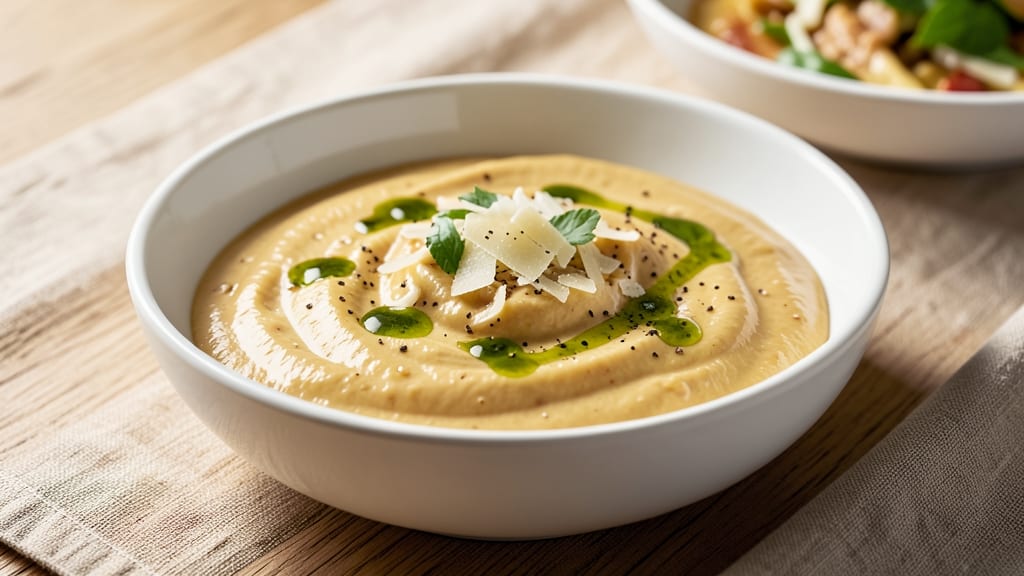
This Alfredo sauce recipe with milk and flour delivers that signature ultra-smooth, velvety texture without a single lump in sight. The secret lies in a proper roux technique and gradual emulsification—no whisking frenzy required.
I've perfected this method over years of testing, ensuring every batch turns out restaurant-quality, rich, and perfectly balanced.
The foundation starts with equal parts milk and flour cooked together until thickened, then enriched with butter and Parmesan for depth. This approach creates a sauce that clings beautifully to pasta while maintaining its creamy consistency, even when reheated.
The key is patience—rushing this step is what causes lumps and breaks the emulsion.
What you'll end up with is a sauce so silky it practically melts in your mouth, with just enough tang from the cheese to cut through the richness.
The texture stays luxurious whether you toss it with fettuccine, drizzle it over grilled chicken, or use it as a dip for breadsticks. This is the kind of sauce that makes homemade Italian feel like a true indulgence.
For those needing alternatives, I'll show you how to adapt this classic with plant-based milk and nutritional yeast while keeping that signature creamy texture. The method remains the same—just the ingredients change. Let's create this foolproof sauce that elevates any dish.
Ingredients for alfredo sauce recipe milk flour
Nine ingredients, one ultra-smooth sauce—no lumps, just pure velvety perfection.
| Ingredient | Amount | Notes |
|---|---|---|
| Whole Milk 🥛 | 2 cups | Full-fat for creaminess |
| All-Purpose Flour 🌾 | 2 tbsp | Sifted for smooth sauce |
| Unsalted Butter 🧈 | ½ cup | Cold, cubed for roux |
| Parmesan Cheese 🧀 | 1 cup | Freshly grated, fine |
| Garlic Cloves 🧄 | 3 cloves | Minced, not powdered |
| Extra-Virgin Olive Oil 🫒 | 1 tbsp | For finishing, fruity |
| Diamond Crystal Kosher Salt 🧂 | ½ tsp | Adjust to taste |
| Freshly Ground Black Pepper 🌶️ | ¼ tsp | Freshly cracked preferred |
| Heavy Cream 🥛 | ¼ cup | Optional for extra richness |
The milk and flour are your foundation—whole milk gives the best creaminess, while all-purpose flour (not self-rising) keeps it smooth. Grab the Parmigiano-Reggiano from the deli counter—pre-grated lacks that sharp, nutty bite. For the butter, unsalted is a must—salted can make the sauce too briny. I always buy my flour in bulk from King Arthur—it's finely milled and creates a silky roux. The garlic? Freshly minced adds depth that powder can't match.
No whole milk? Full-fat coconut milk works in a pinch, though the flavor shifts slightly. Short on Parmesan? Pecorino Romano is a great swap—just use half the amount. The heavy cream is optional, but if you're making this for company, add it for that restaurant-quality richness. For a vegan version, replace the milk with unsweetened cashew milk and the Parmesan with nutritional yeast. The olive oil finish? Don't skip it—it adds that final touch of brightness.
This sauce reheats beautifully—just warm gently on the stove with a splash of milk. Store leftovers in an airtight container for up to 5 days in the fridge, or freeze for 3 months. For freezing, portion into ice cube trays first—perfect for single servings. The roux step is where the magic happens, so keep the heat low and stir constantly. Patience here prevents lumps and ensures that signature silky texture.
Why You'll Love This Recipe
- Five-Ingredient Magic: I swear by this recipe because it’s that simple—just milk, flour, butter, Parmesan, and garlic. No fancy techniques, no hidden ingredients, just a smooth, velvety sauce that tastes like it took hours (but doesn’t).
- Garlic Butter Love: That moment when you toss in the garlic and butter? Pure flavor payoff. The sauce gets this rich, nutty depth from the Parmesan, but the garlic keeps it bright and irresistible—like a hug in a bowl.
- Weeknight to Dinner Party: Make a double batch on a Tuesday, and you’ve got creamy pasta for company on Friday. It reheats beautifully, so it’s my go-to for lazy nights or when unexpected guests show up.
- Pantry Staple Power: Between us, this is the most budget-friendly sauce I know. You’re using things you already have, and a little Parmesan goes a long way. No specialty jars or weird ingredients—just real, reliable flavor.
Step-by-step instructions for Alfredo sauce with milk and flour
Here's how to make velvety, lump-free Alfredo sauce that clings perfectly to pasta.
Create a Smooth Roux with Butter and Flour
Melt the 0.5 cup unsalted butter in a medium saucepan over medium-low heat. I like to use cold, cubed butter so it melts gradually and doesn't burn. Once fully melted, reduce heat to low and whisk in the 2 tbsp all-purpose flour all at once. This creates a roux that will form the base of your sauce.
Cook the roux for 2-3 minutes, whisking constantly, until it turns a pale golden color and smells nutty. This step is crucial—if you see any brown spots, you've gone too far. The roux should coat the back of a spoon smoothly without any graininess. If it looks too thick, add 1 tablespoon of the whole milk to loosen it slightly.
Gradually Incorporate Milk for a Silky Texture
Slowly pour in the 2 cups whole milk while whisking vigorously. I add it in a thin, steady stream to prevent lumps from forming. Keep the heat at low and continue whisking for 3-5 minutes until the mixture thickens noticeably. You're looking for a smooth, creamy consistency that coats the whisk.
Here's the secret: if you see any lumps forming, immediately press them through a fine-mesh sieve with the back of a spoon. The sauce should be thick enough to coat the back of a spoon but still flow easily when stirred. This gradual addition of milk is what prevents that dreaded clumpy texture so many homemade Alfredo sauces suffer from.
Add Cheese and Aromatics for Depth of Flavor
Reduce heat to lowest setting and stir in the 1 cup freshly grated Parmesan cheese and the 3 minced garlic cloves. The cheese should melt completely into the sauce, creating a rich, nutty flavor. If you notice any cheese granules not dissolving, whisk in 1-2 tablespoons of hot milk to help break them down.
Season with the 0.5 tsp Diamond Crystal kosher salt and 0.25 tsp freshly ground black pepper. Taste the sauce and adjust seasoning if needed—Alfredo should be rich but not overly salty. For extra richness, stir in the 0.25 cup heavy cream now. The sauce should be velvety smooth with a luxurious mouthfeel.
Finish with Olive Oil for Stability and Shine
Remove the sauce from heat and stir in the 1 tbsp extra-virgin olive oil. This final step is my secret weapon—it adds stability to the sauce so it doesn't separate when tossed with pasta, and gives it a beautiful, glossy finish. The olive oil also enhances the flavor without overpowering the cheese.
Let the sauce rest for 5-10 minutes while you cook your pasta. This resting period allows all the flavors to meld together perfectly. When ready to serve, toss the drained pasta directly in the saucepan with the hot sauce. The residual heat will create a perfect sauce-to-pasta ratio every time.
Pro Tips For Making Alfredo Sauce Recipe Milk Flour
- WHISK ON LOW HEAT: Your sauce will seize up if you rush the roux—it’s not a race. Once you add the flour to melted butter, immediately lower the heat to medium-low and whisk like you’re trying to win a prize. I learned this the hard way when my sauce turned into a gluey disaster after one aggressive minute.
- GRATE YOUR OWN PARMESAN: Pre-shredded cheese is coated with anti-caking agents that make your sauce grainy. Freshly grated Parmesan dissolves smoothly and adds depth. If you’re short on time, use a microplane—it’s faster than a box grater and still gives you that velvety texture.
- STRAIN THE GARLIC: Mince your garlic, then press it through a fine-mesh sieve to remove the bitter skins. No sieve? Use a fork to mash it into a paste before adding it to the milk. Trust me, this keeps your sauce from tasting like you’re eating garlic ice cream.
- TEMPER THE MILK FIRST: Cold milk dumped into hot butter will shock the sauce and make it split. Warm the milk in a separate saucepan until it’s just steaming—about 100°F (38°C)—before slowly whisking it into the roux. This guarantees a silky finish every time.
Flavor customization for this alfredo sauce recipe milk flour
Classic Creamy Version
Start with the traditional whole milk and butter base—this is where the signature richness comes from. For an even deeper flavor, I like adding 1 teaspoon of white wine (like Pinot Grigio) when incorporating the milk.
It brightens the sauce without overpowering. The Parmesan cheese should be freshly grated—pre-shredded versions contain anti-caking agents that make the sauce grainy. 🧀
For a nutty depth, toast the flour in the butter for 30 seconds before adding milk—this enhances the Maillard reaction and gives the sauce a subtle caramelized note.
If you're feeling adventurous, add 1/4 teaspoon of nutmeg at the end for warmth, but keep it light so it doesn't overpower the cheese.
Lighter Version
Swap the whole milk for 2% or skim milk to cut calories while keeping the creamy texture. Use low-fat butter (or just enough to coat the flour) and reduce the Parmesan to 1/2 cup.
For extra protein, stir in 2 tablespoons of Greek yogurt at the end—it adds tang and thickness without heaviness. This version works perfectly with whole wheat pasta for a balanced meal.
To keep it dairy-free, replace the milk with unsweetened almond milk and the butter with olive oil. Use nutritional yeast (2 tablespoons) instead of Parmesan for that cheesy umami. The texture will be slightly lighter, but still rich and satisfying. 🌱
Spicy Kick
For heat lovers, add 1/2 teaspoon of red pepper flakes or a pinch of cayenne when incorporating the garlic. For a smoky twist, stir in 1/4 teaspoon of smoked paprika and top with crispy fried shallots before serving.
I also like adding 1/2 teaspoon of hot honey at the table—it balances the richness with a sweet-spicy contrast that's irresistible.
For a Cajun-inspired Alfredo, add 1/2 teaspoon of Cajun seasoning (like Tony Chachere's) with the garlic and finish with chopped green onions. This version pairs beautifully with shrimp or chicken for a fusion dish that feels both Italian and Southern.
Herb-Infused Twist
Fresh herbs elevate Alfredo sauce without overpowering it. Add 1 tablespoon of chopped chives or parsley at the end for brightness. For a garlic-herb version, infuse the milk with 3 smashed garlic cloves (remove after 10 minutes) and add 1 teaspoon of dried thyme with the Parmesan.
This works wonderfully with mushroom risotto or grilled vegetables.
For a sun-dried tomato version, blend 2 tablespoons of sun-dried tomatoes with the milk before heating—this adds a deep, tangy sweetness. Finish with chopped basil for a fresh, Mediterranean touch that pairs perfectly with penne pasta.
Nutrition facts
Frequently asked questions
Why does my Alfredo sauce turn out lumpy?
The most common cause is adding milk too quickly or not whisking constantly. The key is to create a smooth roux first by cooking the butter and flour together for 2-3 minutes on low heat, then gradually whisk in the milk while maintaining a steady stream. If lumps appear, immediately press them through a fine-mesh sieve with the back of a spoon.
Can I make this sauce without butter?
Yes! Replace the butter with 1/4 cup olive oil for a lighter option. For a dairy-free version, use olive oil or coconut oil and swap the milk for unsweetened almond or cashew milk. The texture will be slightly different but still creamy, especially when finished with a touch of olive oil.
How do I prevent the sauce from separating when reheating?
Always reheat gently on low heat, stirring frequently. If the sauce starts to split, whisk in 1-2 tablespoons of warm milk or water to restore its emulsion. For extra stability, stir in 1 teaspoon of cornstarch mixed with 1 tablespoon of cold water while reheating. The olive oil in the recipe also helps maintain a smooth consistency.
What's the best pasta to pair with this sauce?
Classic choices are fettuccine or tagliatelle—their flat, wide surfaces catch the sauce beautifully. For a lighter option, try angel hair or spaghetti. If you want texture, add roasted mushrooms or grilled chicken to balance the richness. The key is to toss the sauce with the pasta while both are hot for perfect coating.
Can I make this sauce ahead of time?
Yes! Store in an airtight container in the fridge for up to 5 days or freeze for 3 months. For freezing, portion into ice cube trays first—this makes it easy to thaw just what you need. Reheat gently on low heat, adding a splash of milk if needed to restore creaminess. The flavors actually improve after resting!