
Sauces & Condiments
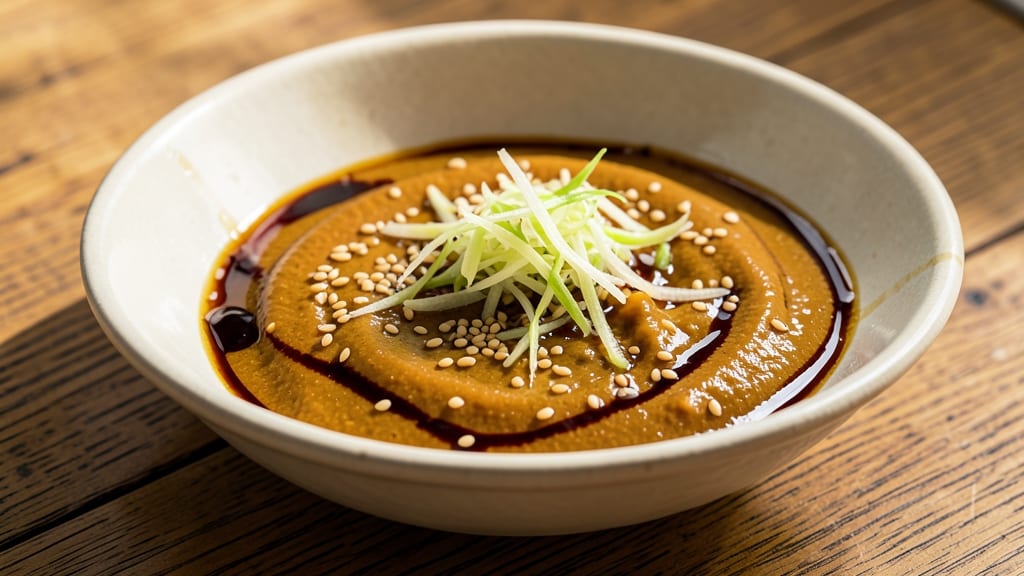
This Asian coleslaw sauce recipe transforms simple ingredients into a tangy, nutty, and slightly spicy dressing that elevates coleslaw from ordinary to extraordinary. 💛 The secret lies in balancing sweet, salty, and umami flavors—soy sauce for depth, sesame oil for aroma, and a touch of ginger for brightness. I developed this recipe after craving a sauce that could stand up to crisp cabbage while adding complexity without overpowering it.
What sets this sauce apart is its versatility—it works as a bold dipping sauce for spring rolls or a zesty dressing for noodle salads. The key technique is emulsifying the ingredients properly, which ensures a silky texture that clings perfectly to vegetables or proteins.
With just 5 minutes of prep and no special equipment, you’ll have a sauce that tastes like it came from an Asian bistro.
The result is a dressing that’s tangy from rice vinegar, nutty from sesame, and subtly spicy from red pepper flakes. It stays fresh in the fridge for up to a week, making it ideal for meal prep.
Whether you’re serving it over coleslaw, drizzling it on grilled chicken, or using it as a dipping sauce, this recipe delivers big flavor with minimal effort.
For extra depth, toast the sesame seeds before adding them, or swap honey for maple syrup for a different sweetness profile. The sauce’s balance makes it adaptable—sweeter for kids, spicier for heat lovers. Let’s make this sauce and take your dishes to the next level.
Ingredients for asian coleslaw sauce
Five minutes of prep transforms these simple pantry staples into a bold Asian coleslaw sauce.
| Ingredient | Amount | Notes |
|---|---|---|
| Sesame Oil 🫒 | ¼ cup | Toasted for nutty aroma |
| Rice Vinegar 🍶 | ⅓ cup | White or seasoned variety |
| Soy Sauce 🥢 | ¼ cup | Light or all-purpose |
| Sesame Seeds 🌾 | ¼ cup | Toasted lightly before adding |
| Fresh Ginger 🧄 | 1 tbsp | Finely grated, fresh preferred |
| Honey 🍯 | ¼ cup | Wildflower or clover |
| Red Pepper Flakes 🌶️ | 1 tsp | Adjust for spice preference |
| Garlic Cloves 🧄 | 2 cloves | Minced finely for smooth texture |
| Sesame Paste 🥜 | ¼ cup | Smooth, not chunky |
| Salt 🧂 | ½ tsp | Kosher or sea salt |
The sesame oil and sesame paste are the heart of this sauce—look for toasted sesame oil in the Asian aisle, not the regular cooking oil section. Trader Joe's and Whole Foods carry the best quality, but any brand works if it smells nutty and fresh. For sesame paste, Kadoya is my go-to, but the jarred kind at Asian markets is often cheaper. Fresh ginger is non-negotiable here—dried lacks the bright zing. Toast your sesame seeds in a dry pan for 30 seconds until fragrant, then cool before adding to the sauce. The honey should be smooth, not crystallized—local wildflower adds subtle floral notes that pair perfectly.
No sesame oil? Avocado oil or light olive oil works in a pinch, but the flavor won't be as rich. Swap honey for maple syrup or agave for a different sweetness profile. Short on ginger? Ginger powder at half the amount gets you close, but fresh is ideal. The red pepper flakes can be adjusted—start with half a teaspoon if you're sensitive to heat. For extra umami, add 1 teaspoon of fish sauce, though this makes it non-vegetarian. The garlic should be minced finely—a microplane works best—for a silky texture. If you're making this ahead, store the dry ingredients (sesame seeds, red pepper flakes, salt) separately until ready to mix.
This sauce keeps for up to 1 week in an airtight jar in the fridge, though the flavor actually improves after 24 hours as the ingredients meld. For longer storage, freeze in ice cube trays—thaw and whisk back together when needed. The texture may thicken slightly when refrigerated, so give it a quick whisk before using. Double the batch if you're serving a crowd—the extra makes great dipping sauce for spring rolls or a quick marinade for grilled chicken. The sauce's balance means it's adaptable: sweeter for kids, spicier for heat lovers, or creamier with a splash of coconut milk.
Why You'll Love This Recipe
- Five-Ingredient Magic: I swear by this sauce—just sesame oil, rice vinegar, soy sauce, ginger, and sesame seeds. No fancy techniques, no measuring cups, just a quick whisk and you’re done. Honestly, it’s the kind of recipe that makes me feel like a chef without the fuss.
- Umami Bomb: That first splash of soy sauce and sesame oil? Instant flavor explosion. The ginger adds a bright, zesty kick, while the toasted sesame seeds give it a nutty crunch that keeps you reaching for more. It’s the kind of taste that lingers—good kind of lingering.
- Lunchbox Hero: This sauce turns boring salads into something exciting, but it’s also my go-to for meal prep. Drizzle it over rice bowls, toss it with noodles, or pack it in containers for quick lunches. Between us, it’s saved my weeknights more times than I can count.
- Pantry Staple: No special ingredients, no last-minute grocery runs. If you’ve got rice vinegar and soy sauce, you’re already halfway there. And the best part? It keeps for days in the fridge, so I can make a big batch and use it all week—no waste, no stress. My wallet thanks me.
Step-by-step instructions for Asian coleslaw sauce
Here's how to blend this vibrant, umami-rich sauce in under 10 minutes.
🍳 Step 1: Toast Sesame Seeds for Nutty Depth
Heat a dry skillet over medium heat and add the 0.25 cup sesame seeds. Toast them for 2-3 minutes until they turn a rich golden brown and release an intoxicating aroma. You'll know they're ready when they stop popping and smell deeply nutty. Immediately transfer them to a small bowl to cool—they'll firm up as they cool and add incredible texture to your sauce.
This toasting step is crucial—it transforms bland seeds into aromatic powerhouses. Don't skip it, and watch the seeds closely so they don't burn. Once cooled, set them aside for later use in the sauce.
👨🍳 Step 2: Whisk Together Wet Ingredients
In a medium bowl, combine the 0.25 cup sesame paste, 0.25 cup sesame oil, 0.33 cup rice vinegar, 0.25 cup soy sauce, and 0.25 cup honey. Using a whisk, blend these ingredients vigorously for 1-2 minutes until completely smooth and well incorporated. The mixture should look homogeneous with no visible streaks of paste or oil.
This is where the magic starts happening—the sesame paste and oil create the sauce's rich base, while the vinegar and soy sauce provide that signature tangy umami punch. The honey balances the flavors with subtle sweetness that rounds out the overall profile.
🔪 Step 3: Add Aromatics and Seasonings
Add the 1 tbsp finely grated fresh ginger, 2 minced garlic cloves, 1 tsp red pepper flakes, and 0.5 tsp salt to the wet mixture. Whisk everything together for another 30 seconds until the ginger and garlic are fully dispersed and the red pepper flakes are evenly distributed throughout.
Here's where the sauce develops its complex flavor profile. The ginger and garlic add fresh, bright notes that cut through the richness, while the red pepper flakes introduce just the right amount of heat. The salt enhances all the flavors without being overpowering—this is the perfect balance of sweet, salty, tangy, and spicy.
🥘 Step 4: Incorporate Toasted Sesame Seeds
Gently fold the cooled toasted sesame seeds into the sauce using a spatula. Reserve 1 tablespoon of the seeds for garnish if desired. The sauce should now have a thick, creamy consistency with visible sesame seed flecks throughout. Taste and adjust seasoning if needed—you might want to add a touch more honey for sweetness or rice vinegar for tang.
This is your quality control moment. The sauce should coat the back of a spoon with a velvety texture while still maintaining some body. If it's too thick, whisk in 1-2 teaspoons of warm water to reach your preferred consistency. The toasted sesame seeds add both visual appeal and that signature nutty crunch that makes this sauce so special.
⏰ Step 5: Rest and Serve
Let the sauce rest for 5 minutes at room temperature. This allows all the flavors to meld together perfectly. The sauce will slightly thicken as it cools, which is ideal for tossing with crisp coleslaw. Give it one final taste and adjust seasoning if necessary before serving.
This sauce keeps well in the refrigerator for up to 5 days in an airtight container, though it's best used fresh. The flavors actually improve slightly as they sit, developing even more complexity. Serve it over your favorite coleslaw mix or use it as a dipping sauce for spring rolls and dumplings—it's incredibly versatile and adds that authentic Asian restaurant flavor to any dish.
Pro Tips For Making Asian Coleslaw Sauce
- GRATE THAT GINGER FINE: I learned this the hard way—chunky ginger bits ruin the sauce’s smoothness. Use the smallest holes on your grater or pulse it in a food processor for 3-4 seconds until it’s almost like sand. (Yes, even if you’re impatient like me.)
- STIR IN SESAME OIL LAST: Add that sesame oil at the very end, right when you’re tossing the sauce with the slaw. Too early, and its nutty aroma burns off from heat. Too late, and you miss the magic—it should coat everything like a whisper of toasted flavor.
- SKIP THE HOT SESAME SEEDS: Toasting sesame seeds is overrated for this sauce. Just sprinkle them raw right before serving—they’ll still add crunch and nuttiness without the hassle of watching a pan. (Your future self will thank you.)
- DILUTE THE SOY SAUCE: Straight soy sauce makes the dressing too salty and heavy. Mix 1 tablespoon of soy with 1 teaspoon of warm water first—it cuts the saltiness and lets the other flavors shine. (I know, I know, but trust the process.)
Make-ahead tips for this recipe
Prep Ahead Strategy
Make this sauce 2 days in advance—it tastes even better after flavors meld! Store it in a glass jar with a tight-sealing lid in your fridge. The ingredients blend more harmoniously over time, deepening the nutty sesame and tangy vinegar notes.
I always double the batch for meal prep because it’s perfect for 5-7 days of quick lunches or dinners. 💛
Freezer-Friendly Method
For longer storage, freeze the sauce in ice cube trays—each cube equals about 1 tablespoon. Once frozen, transfer cubes to a freezer bag and flatten to save space. Thaw overnight in the fridge, then whisk to restore texture.
This method works perfectly for up to 3 months without losing flavor. Just add a splash of water if it thickens after thawing.
Component Prep
Prep the sauce’s dry components separately for easy assembly. Toast the sesame seeds and grind the red pepper flakes ahead of time, storing them in small airtight containers. Keep the wet ingredients (vinegar, soy sauce, honey) in a separate jar.
When ready, just whisk everything together—this cuts prep time to 3 minutes! I keep these components in my pantry for quick sauce-making on busy weeknights.
Versatile Batch Sizes
This recipe scales perfectly for any occasion. For small gatherings, halve the ingredients—it’s ideal for 2-4 servings of coleslaw. For large parties, quadruple the batch (just keep proportions equal).
The sauce works equally well as a dip for spring rolls or a marinade for grilled chicken. I’ve even used it as a quick glaze for roasted vegetables—it’s that versatile! 🌟
Flavor Boosting Hacks
Want to elevate your sauce further? Add 1 teaspoon of fish sauce for extra umami depth (non-veg option) or ½ teaspoon of white pepper for a subtle kick. For a creamy twist, stir in 1 tablespoon of coconut milk before serving.
These tweaks keep the sauce exciting even after multiple uses. Always taste as you go—adjustments are easy with this flexible recipe.
Reheating Tips
Reheat gently to preserve texture. For stovetop, warm in a small saucepan over low heat for 1-2 minutes, stirring constantly. Microwave in 20-second bursts, stirring between each, until just warmed through.
Avoid overheating—this sauce is best enjoyed at room temperature or slightly chilled. The texture thickens when cold, so a quick whisk restores its silky consistency. ✨
Nutrition facts
Frequently asked questions
Can I use this sauce on dishes other than coleslaw?
This versatile sauce works perfectly as a dipping sauce for spring rolls, dumplings, or grilled chicken. It also makes an excellent marinade for tofu or shrimp, or even a glaze for roasted vegetables like broccoli or carrots. The balance of flavors makes it adaptable to many dishes.
What if I don't have sesame oil or sesame paste?
No problem! Substitute avocado oil or light olive oil for the sesame oil, and use peanut butter or tahini instead of sesame paste. For extra flavor, add a pinch of smoked paprika. The sauce will still taste delicious, though the nutty depth will be slightly different.
How do I adjust the spice level?
Start with ½ teaspoon of red pepper flakes for mild heat, or reduce to ¼ teaspoon for a nearly spice-free version. For extra kick, add ½ teaspoon of sriracha or chili garlic sauce after the sauce is made. Always taste as you go—adjustments are easy with this flexible recipe!
Why did my sauce separate?
This can happen if the ingredients aren't whisked thoroughly enough or if the sauce sits too long without stirring. To fix it, whisk in 1 teaspoon of warm water or a splash of rice vinegar, then whisk vigorously for 30 seconds. For future batches, whisk for an extra 30 seconds to ensure a smooth emulsion.
Can I make this sauce without honey?
Yes! Swap honey for maple syrup, agave, or brown sugar dissolved in warm water for a different sweetness profile. For a sugar-free option, use monk fruit sweetener or stevia, but reduce the amount by half since these are much sweeter. The sauce will still taste great—just adjust to your preference!