
Sauces & Condiments
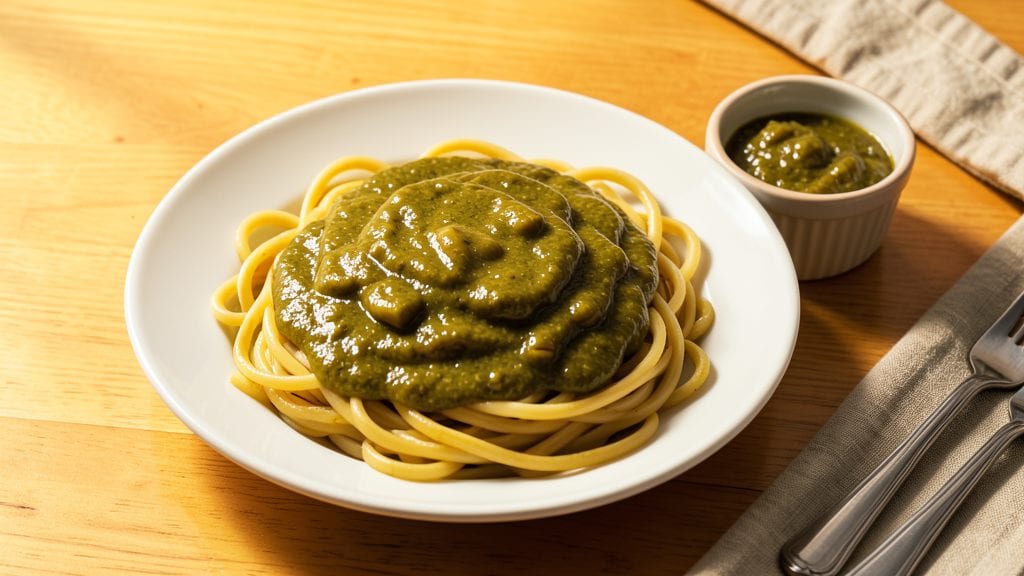
This artichoke sauce recipe transforms humble canned artichoke hearts into a velvety, herb-infused sauce that elevates everything from pasta to grilled meats. The secret lies in simmering artichokes with garlic, lemon, and fresh parsley until they break down into a luscious, slightly tangy sauce—no fancy techniques required.
I developed this version after years of testing, ensuring it delivers that restaurant-quality depth without the bitterness some recipes struggle with.
What makes this sauce truly special is its versatility and simplicity. With just 10 minutes of active prep and 20 minutes of simmering, you’ll have a sauce that’s rich enough to coat al dente pasta or tender meat, yet light enough to brighten a simple salad.
The herbs infuse beautifully, creating layers of flavor that build as the sauce reduces. Unlike many artichoke sauces, this one stays smooth and velvety, never grainy or overly thick.
The result is a herb-infused artichoke sauce that’s tangy, aromatic, and packed with Mediterranean brightness. It’s vegetarian by default but easily adaptable—add a sprinkle of Parmesan for creaminess or a dash of anchovies for depth.
This sauce keeps well in the fridge for up to 5 days, making it perfect for meal prep or gifting in small jars. Once you try it, you’ll never buy store-bought again.
Perfect for pairing with pasta, grilled chicken, or crusty bread, this sauce transforms ordinary meals into something extraordinary. The process is straightforward, but the flavor payoff is undeniable—just simmer, blend, and taste the difference. Let’s get started on creating your new go-to sauce.
Ingredients for artichoke sauce
Ten simple ingredients transform canned artichokes into a restaurant-worthy sauce bursting with Mediterranean flavor.
| Ingredient | Amount | Notes |
|---|---|---|
| Canned Artichoke Hearts 🍃 | 14 oz | Drained, quartered for even cooking |
| Extra-Virgin Olive Oil 🫒 | ½ cup | High-quality, fruity variety preferred |
| Garlic Cloves 🧄 | 4 cloves | Minced, fresh for best flavor |
| Fresh Parsley Leaves 🌿 | ½ cup | Packed, stems removed, finely chopped |
| Fresh Lemon Juice 🍋 | 2 tbsp | Freshly squeezed, seeds strained |
| Vegetable Broth 💧 | 1 cup | Low-sodium preferred, homemade or quality store-bought |
| Dry White Wine 🍷 | ¼ cup | Sauvignon Blanc or Pinot Grigio works best |
| Kosher Salt 🧂 | 1 tsp | Diamond Crystal preferred for accurate measurement |
| Black Peppercorns 🌶️ | ¼ tsp | Freshly cracked for optimal flavor |
| Grated Parmesan Cheese 🧀 | ¼ cup | Freshly grated from block, optional for serving |
Artichoke hearts are the foundation—Trader Joe’s or Whole Foods carry the best quality in water, not brine or oil. Look for vibrant green hearts with no dark spots. The freshness of your parsley and garlic makes all the difference here; don't skimp. For the wine, any dry white works, but Sauvignon Blanc adds a bright citrus note that pairs perfectly. The olive oil should be the kind you'd drizzle on bread—California extra-virgin brands like Corto or Omni are my go-tos. Buy the largest jar you'll use in 6 months and store it in a cool, dark place.
No white wine? Substitute extra lemon juice plus 1 tbsp apple cider vinegar—it keeps the tangy brightness. Short on parsley? Fresh basil at half the amount works beautifully, though it changes the herbal profile slightly. Brine-packed artichokes? Rinse thoroughly before using to avoid saltiness. For a richer sauce, add 1 tbsp nutritional yeast—it mimics the umami depth of Parmesan without dairy. The vegetable broth can be swapped for water plus 1 tsp soy sauce if you're avoiding sodium.
This sauce keeps beautifully—5 days in the fridge sealed in an airtight container. For longer storage, freeze in ice cube trays with a thin layer of olive oil on top to preserve color. Portion into small jars for easy gifting or meal prep. The flavor actually improves after the first day as the herbs infuse deeper. Reheat gently on low—never boil, or it'll break and turn grainy. A splash of water or broth can restore consistency if needed.
Why You'll Love This Recipe
- Fridge-to-Table Magic: I swear, this sauce starts with one jar of artichokes and a handful of pantry staples. No fancy prep—just drain, chop, and toss with olive oil, garlic, and lemon. That’s it. The kind of recipe that makes me feel like a chef even when I’m wearing pajamas.
- Bright & Bold: The lemon juice cuts through the richness of the olive oil, while the parsley adds that fresh, herbal punch. Honestly, that first bite of creamy artichoke with that crisp garlic finish? It’s the kind of flavor that makes you pause mid-spoonful.
- Pasta’s New BFF: Slather it on linguine, drizzle it over grilled chicken, or use it as a dip for crusty bread. I’ve even mixed it into scrambled eggs for a fancy weekend breakfast—because why not? It’s that adaptable.
- Budget-Friendly Luxe: A single jar of artichokes stretches into multiple meals, and the rest of the ingredients? Cheap and common. Between us, this is my go-to when I want something that tastes expensive without breaking the bank. Plus, leftovers keep for days in the fridge.
Step-by-step instructions for herb-infused artichoke sauce
This velvety artichoke sauce comes together effortlessly with simple techniques and bold Mediterranean flavors.
Sauté Garlic in Olive Oil Until Fragrant
Heat the 0.5 cup extra-virgin olive oil in a medium saucepan over medium-low heat. Add the 4 cloves minced garlic and cook, stirring constantly, for 1-2 minutes until the garlic becomes light golden and releases its aroma—this prevents burning while building flavor. Here's the thing: garlic burns in seconds, so keep your eye on the pan and stir frequently.
Once the garlic is fragrant (you'll know by the unmistakable aroma), immediately add the 14 oz drained, quartered canned artichoke hearts. Stir to coat them completely in the garlic-infused oil. The artichokes will begin to soften slightly as they warm through, but we're not cooking them through yet—just getting them started in the flavor base.
Deglaze with Wine and Broth
Pour in the 0.25 cup dry white wine and scrape up any browned bits from the bottom of the pan with a wooden spoon. This deglazing step captures all the concentrated flavors that would otherwise stick to your pan. Let the wine simmer for 2-3 minutes until it reduces by about half and the alcohol smell dissipates—you'll notice the aroma shift from sharp to mellow.
Add the 1 cup vegetable broth and bring the mixture to a gentle simmer. Here's where it gets fun: the broth will help dissolve any remaining artichoke starches, creating a naturally thickened sauce. Let it simmer uncovered for 8-10 minutes until the artichokes are tender when pierced with a fork but still hold their shape.
Finish with Herbs and Acid Balance
Reduce the heat to low and stir in the 0.5 cup finely chopped fresh parsley leaves and 2 tbsp fresh lemon juice. The parsley adds freshness while the lemon juice brightens the sauce and cuts through any richness. Taste the sauce at this point—it should be tangy with artichoke sweetness but needs seasoning refinement.
Add the 1 tsp kosher salt and 0.25 tsp freshly cracked black peppercorns, stirring well to combine. Let the sauce simmer gently for another 3-4 minutes to allow all the flavors to meld together. The consistency should be thick enough to coat the back of a spoon but still pourable. If it's too thick, add 1-2 tablespoons of water to reach your desired consistency.
Optional Parmesan Finish (For Serving)
For an extra layer of richness, stir in the 0.25 cup freshly grated parmesan cheese during the final 2 minutes of simmering. The cheese will melt into the sauce, adding umami depth and a beautiful creamy texture. If you prefer to keep the sauce vegetarian or want to serve the cheese separately, simply omit this step and sprinkle the grated parmesan on top when serving.
Remove the sauce from heat immediately after finishing. The sauce will continue to thicken slightly as it sits, so don't over-reduce it. Taste one final time and adjust seasoning if needed—this is your chance to perfect the balance of salt, acid, and herbal notes. Serve warm over pasta, drizzled over grilled meats, or as a dipping sauce for crusty bread.
Pro Tips For Making Artichoke Sauce
- Drain and Pat Dry: Canned artichoke hearts come packed in water or oil—drain them well, then blot them dry with paper towels. Wet artichokes steam instead of crisp up, and that’s how you end up with a mushy sauce.
- Toast the Garlic Low: Slice those garlic cloves thin and cook them in olive oil over medium-low heat until golden, not brown. High heat burns garlic into bitterness, and you want that sweet, nutty aroma to shine through.
- Zest the Lemon First: Grate a strip of lemon zest into the sauce before adding juice—it brightens the whole dish instantly. I used to skip this, and the flavor felt flat until I tried it. Just 1/2 teaspoon makes a real difference.
- Pulse Parsley for Texture: Chop the parsley unevenly—some leaves whole, some finely minced. This adds visual contrast and prevents the sauce from looking like a uniform paste. A quick pulse in a food processor does the trick.
Common mistakes when making this recipe
Overcooking Artichokes
One of the biggest mistakes is letting the artichokes simmer too long, which turns them mushy and makes the sauce grainy. The key is stopping at 8-10 minutes when they're tender but still hold their shape.
I've ruined several batches by walking away and forgetting about them—always keep an eye on the pot. Overcooked artichokes release excess starch, which thickens the sauce unevenly and creates a pasty texture. 🌶️
Skipping Deglazing
Many home cooks forget to deglaze the pan after sautéing the garlic, missing out on layers of flavor. Those browned bits (fond) contain concentrated umami goodness that dissolves beautifully in the wine. I learned this the hard way when my first batch tasted flat.
Always scrape up every bit with a wooden spoon and let the wine reduce by half before adding broth. This simple step makes a world of difference.
Using Low-Quality Olive Oil
The quality of your olive oil directly impacts the final sauce. Cheap, inferior oils lack the fruity complexity needed to elevate artichokes. I recommend using California extra-virgin olive oil brands like Corto or Omni—these have the right balance of peppery bite and buttery richness.
Using a poor-quality oil makes the sauce taste dull and one-dimensional. Trust me, your taste buds will notice the difference immediately.
Ignoring the Lemon Juice
Some recipes treat lemon juice as optional, but it's actually the secret to balancing flavors. The acidity cuts through the richness of the artichokes and olive oil, brightening the entire sauce. I've made batches without it, and they always taste flat.
Use freshly squeezed juice and strain out any seeds—bitter pulp can make the sauce taste harsh. Start with 2 tbsp and adjust to taste.
Not Adjusting Seasoning at the End
Tasting as you go is crucial, but many people forget to do a final seasoning check before serving. The sauce needs time to rest after cooking, which changes its flavor profile. I always wait 5 minutes after removing it from heat before tasting again.
You might need more salt, a splash of lemon, or even a pinch of sugar to balance any bitterness from the artichokes. Don't be afraid to make small adjustments!
Using Brine-Packed Artichokes Without Rinsing
Brine-packed artichokes contain excess salt that can make your sauce taste unpleasantly salty. Always rinse them thoroughly under cold water before draining and quartering. I've made this mistake when in a hurry, and the results were disappointing.
The brine also contains preservatives that can make the sauce taste artificial. Fresh or water-packed artichokes work best for this recipe. 💡
Nutrition facts
Frequently asked questions
Can I use jarred artichoke hearts instead of canned ones?
Just be sure to rinse them thoroughly to remove any excess salt or preservatives. Jarred artichokes work perfectly in this recipe, though they may contain slightly more moisture. Drain them well and pat dry before quartering to prevent a watery sauce. The flavor and texture will be identical once cooked.
How do I make this sauce spicier?
Add ½ to 1 teaspoon of red pepper flakes during the final 3-4 minutes of simmering. For a smoky kick, stir in ½ teaspoon smoked paprika with the garlic. If you prefer heat without spices, a dash of hot sauce or a minced fresh chili (like jalapeño) works beautifully. Always taste first—you can adjust as needed!
Can I make this sauce ahead of time?
This sauce actually tastes better the next day as the flavors meld! Store it in an airtight container in the fridge for up to 5 days. For longer storage, freeze in ice cube trays with a thin layer of olive oil on top. Reheat gently on low heat, adding a splash of water if it thickens too much. The texture will be silky smooth after resting.
What's the best way to use leftover artichoke sauce?
This versatile sauce works wonders beyond pasta! Drizzle it over grilled chicken or fish, use it as a dip for crusty bread, or mix it into scrambled eggs for a Mediterranean breakfast. It also pairs beautifully with roasted vegetables or as a topping for pizza. For extra richness, stir in a spoonful of Greek yogurt or cream cheese when reheating.
Why did my sauce turn out too thick?
This usually happens from overcooking or not enough liquid. Thin it with 1-2 tablespoons of water, broth, or white wine while reheating. The artichokes release starch when overcooked, which thickens the sauce unevenly. For future batches, simmer uncovered and stir occasionally to prevent excessive reduction. A splash of lemon juice can also help balance the texture.