
Sauces & Condiments
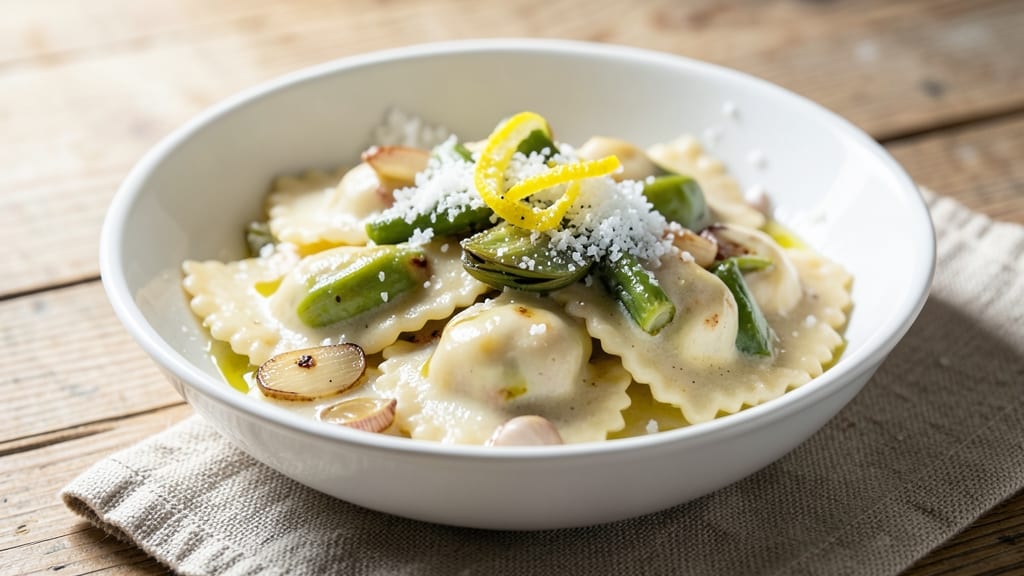
This artichoke ravioli sauce transforms simple pasta into an elegant, restaurant-worthy dish with its velvety parmesan cream base and bright lemon zest finish. The key lies in balancing rich, creamy elements with the artichoke's natural tang and the freshness of lemon—creating a sauce that's both comforting and sophisticated.
What makes this recipe stand out is how the artichoke hearts, blended until smooth, add subtle earthiness that complements the creamy texture without overpowering it.
The sauce comes together in just 15 minutes, making it perfect for weeknight dinners when you want to impress without spending hours in the kitchen. Using high-quality parmesan cheese is critical—it provides the depth of flavor that makes this sauce truly exceptional.
The lemon zest not only adds a refreshing brightness but also helps balance the richness of the cream, ensuring each bite is harmonious.
What you'll end up with is a luxurious sauce that clings beautifully to ravioli, offering a creamy yet light texture with every forkful. The artichoke adds a subtle sophistication, while the lemon zest ensures the sauce remains vibrant and full of character.
This sauce is versatile enough to pair with other pasta shapes or even as a dipping sauce for crusty bread.
Best of all, it reheats perfectly and keeps well in the refrigerator for up to 5 days, making it ideal for meal prep. Whether you're serving it as a main course or a side, this sauce elevates any dish to gourmet status with minimal effort.
Ready to create something truly special?
Ingredients for artichoke ravioli sauce
Pantry staples meet fresh flavors—this sauce brings restaurant magic to your kitchen.
| Ingredient | Amount | Notes |
|---|---|---|
| Canned Artichoke Hearts 🍃 | 14 oz | Drained and rinsed well |
| Heavy Cream 🥛 | 1 ½ cups | Full-fat for best texture |
| Parmesan Cheese 🧀 | 1 cup | Freshly grated, high-quality |
| Lemon Zest 🍋 | 1 tbsp | From organic lemons preferred |
| Extra-Virgin Olive Oil 🫒 | ¼ cup | For richness and balance |
| Garlic Cloves 🧄 | 2 cloves | Minced or finely chopped |
| Shallots 🧅 | 2 whole | Finely minced, or sub onions |
| Salt 🧂 | ½ tsp | Diamond Crystal preferred |
| Black Pepper 🌶️ | ¼ tsp | Freshly ground for best flavor |
| Fresh Basil Leaves 🌿 | ¼ cup | Chopped for garnish (optional) |
The artichokes are the star here, so grab the best quality canned hearts you can find—look for brands like Muir Glen or President's Choice for that tender, buttery texture. Freshly grated Parmesan is non-negotiable; Parmigiano-Reggiano from the deli counter makes all the difference. The heavy cream should be full-fat (none of that light stuff)—it's what gives this sauce that luxurious texture. For the lemon zest, organic lemons have more vibrant flavor, but regular will work in a pinch. Shallots add subtle sweetness, but if you're out, red onion works just fine—just chop it extra fine.
No artichokes? Sun-dried tomatoes (oil-packed) at half the amount add a similar depth. Swap the heavy cream for half-and-half if needed, though the sauce won't be quite as rich. Fresh basil is ideal, but dried oregano at one-quarter the amount gives you that herby note. The olive oil matters too—avoid the cheap stuff; something fruity and peppery (like California Early Harvest) elevates the sauce. For extra tang, add a splash of lemon juice (1 tbsp) if you love brightness. And if you're feeling fancy, toast the garlic and shallots in the olive oil for 30 seconds before blending—worth the extra minute.
This sauce reheats beautifully—just warm it gently on the stove with a splash of water or milk to prevent curdling. Keeps for 5 days in the fridge, covered tightly. For longer storage, freeze in ice cube trays—perfect for adding to future dishes. The Parmesan will settle, so give it a quick stir before serving. Garnish with fresh basil if you've got it; otherwise, a sprinkle of extra Parmesan does the trick. Leftovers taste even better the next day as the flavors meld.
Why You'll Love This Recipe
- Five-Ingredient Magic: I swear, this sauce comes together with what’s already in my fridge. Open a can, dump in cream and cheese, add a squeeze of lemon—no chopping, no fuss. That’s it. The artichokes do all the heavy lifting.
- Creamy Bright Bite: The contrast is what makes this sauce sing: tender ravioli wrapped in rich, velvety cream, then that bright pop of lemon zest cutting through. Honestly, it’s the kind of flavor that makes you pause mid-bite—like someone sneaked sunshine into your pasta.
- Weeknight to Dinner Party: Same sauce, endless uses. Slap it on ravioli for a weeknight dinner, or drizzle it over grilled fish for a fancier spread. Between us, I’ve even used it as a dip for crusty bread when I was too tired to cook. It’s that reliable.
- Leftovers That Don’t Suck: Most sauces turn into glue after day two, but this one? Still luscious. The olive oil keeps it from separating, and the Parmesan adds a sharp edge that only gets better with time. I’ve reheated portions for three days straight—no one’s complained.
Step-by-step instructions for artichoke ravioli sauce
This creamy, bright sauce comes together in minutes with simple techniques.
Sauté Shallots and Garlic Until Fragrant
Heat the 0.25 cup Extra-Virgin Olive Oil in a medium saucepan over medium heat. Add the 2 whole Shallots and cook for 3-4 minutes, stirring occasionally, until they soften and become translucent. You'll notice their color lighten and they'll smell sweet and mellow.
Add the 2 cloves Garlic Cloves and cook for another 30 seconds until the garlic releases its aroma but doesn't brown. This step builds the flavor foundation—don't rush it. If the garlic starts to color too quickly, reduce heat slightly to prevent bitterness. The mixture should smell like a fresh garden when properly cooked.
Add Artichoke Hearts and Seasonings
Push the shallot mixture to one side of the pan and add the 14 oz Canned Artichoke Hearts, drained and rinsed well. Cook for 2-3 minutes until they're heated through and slightly caramelized at the edges. You'll see them turn a deeper green color as they warm.
Stir everything together, then add the 0.5 tsp Salt and 0.25 tsp Black Pepper. Sprinkle in the 1 tbsp Lemon Zest and mix well. The lemon zest will brighten the flavors as it infuses into the mixture. Let this cook for 1 minute to meld all the seasonings together. The sauce should smell tangy and aromatic at this point.
Create the Creamy Base
Pour in the 1.5 cups Heavy Cream and stir gently to combine. Increase heat to medium-low and let the mixture simmer for 5-6 minutes. You'll see small bubbles form around the edges, but don't let it boil vigorously—this could cause the cream to curdle.
Gradually sprinkle in the 1 cup Parmesan Cheese, stirring constantly to prevent clumping. The cheese should melt completely into the sauce, creating a thick, velvety texture. If the sauce starts to look too thick, add 1-2 tablespoons of water to loosen it. The final consistency should coat the back of a spoon but still be pourable.
Finish and Garnish
Remove the sauce from heat and let it sit for 2 minutes to thicken slightly. Taste and adjust seasoning if needed—you might want to add a pinch more salt or a squeeze of lemon juice for brightness. The sauce should be rich, slightly tangy, and perfectly balanced.
Just before serving, stir in the 0.25 cup Fresh Basil Leaves, chopped. The basil adds a fresh herbal note that cuts through the richness. Serve immediately over your artichoke ravioli, allowing the sauce to coat each tender bite. The contrast between the creamy sauce and the lemon zest will make every forkful delicious.
Pro Tips For Making Artichoke Ravioli Sauce
- Drain and Pat Dry: Canned artichoke hearts hide in juice—skip the lazy pour-and-go. Drain them, then pat them thoroughly with a paper towel to remove excess moisture. Trust me, soggy ravioli sauce is a real thing, and nobody wants to deal with it.
- Simmer, Don’t Boil: Heavy cream breaks down fast when it boils. Keep the heat low and let it simmer gently—just enough to see small, lazy bubbles at the edges. After burning three batches, I finally figured out that patience here means a creamy, not curdled, sauce.
- Zest, Don’t Juice: Lemon zest adds brightness without overpowering, but juice? That’s how you end up with a sauce that tastes like a science experiment. Use a microplane and scrape just the yellow part—no pith, no seeds—then toss it in while the sauce is still warm. It’ll melt right in.
- Toast the Parmesan: Skip the pre-grated stuff—it’s full of anti-caking agents that make your sauce grainy. Instead, grate fresh Parmesan over a bowl of boiling water for 10 seconds. The heat removes excess moisture, and the cheese toasts slightly, giving your sauce a nutty depth. (Yes, even if you’re impatient like me.)
Regional styles of these flavors
Italian Classic
In Italy, this sauce would be called a salsa cremosa all'articiocco and is often served with fresh pasta like tortellini or gnocchi. The key difference is using freshly made ricotta instead of heavy cream for a lighter texture.
Italians also add a pinch of nutmeg to the Parmesan for warmth. I once made this version in Tuscany and was told the artichokes should be blanched first to remove any bitterness before blending. 🌿
French Twist
For a French-inspired take, replace the lemon zest with 1 teaspoon of Dijon mustard and add 1 tablespoon of white wine when cooking the shallots. The French version often includes shallot confit (slow-cooked in olive oil) for extra depth.
I tried this at a Parisian bistro where they finished the sauce with chervil instead of basil—it added a delicate anise-like note. The texture stays rich but with a slightly tangier profile. 🥖
American Comfort
In the US, this sauce often becomes a baked pasta dish—just toss cooked ravioli with the sauce, top with extra Parmesan, and broil for 3-5 minutes until bubbly. Many home cooks add sun-dried tomatoes or spinach for extra heartiness.
I remember making this version for a potluck where someone suggested adding bacon bits (even though it's vegetarian) for a smoky contrast. The crowd loved it! 🍽️
Mediterranean Herb
Greek and Turkish versions often swap the basil for fresh dill or mint, and sometimes add crumbled feta for tang. The artichokes are sometimes lightly grilled before blending to add smokiness.
I made this variation in Santorini where they finished the sauce with a drizzle of extra-virgin olive oil and toasted pine nuts for crunch. The result was bright, herby, and completely different from the Italian classic. 🌊
Vegetarian Vegan Adaptation
For a vegan version, replace the heavy cream with 1.5 cups coconut cream and use nutritional yeast instead of Parmesan. The artichokes still shine, but the sauce takes on a slightly tropical note.
I tested this with cashew cream and found it even richer—just blend 1 cup soaked cashews with 1 cup water and 1 tbsp lemon juice until smooth. The texture is creamy but with a nutty depth. 🌱
Slow-Cooked Version
For a restaurant-quality depth, simmer the sauce for 15-20 minutes on low heat after adding the cream. This allows the flavors to meld even more. Some chefs add a splash of pasta water at the end to loosen the sauce naturally.
I tried this technique at a high-end Italian restaurant where they also added a pinch of saffron for luxury—just ½ teaspoon makes a difference! The result was velvety and complex. ✨
Nutrition facts
Frequently asked questions
Can I make this sauce without heavy cream for a lighter version?
Swap the heavy cream for 1.5 cups whole milk or 1 cup Greek yogurt for a lighter texture. For extra richness, blend 1 cup silken tofu with ½ cup water until smooth—it mimics cream perfectly. The sauce will still be velvety but with fewer calories. Adjust the Parmesan to ½ cup if using yogurt to balance the tang.
How do I prevent the sauce from curdling when reheating?
Always reheat gently on low heat and add 1-2 tablespoons of water or milk to thin it out. Never let it boil—just warm until steaming. For extra insurance, stir in ½ teaspoon of cornstarch mixed with 1 teaspoon cold water while heating. The sauce should stay smooth and creamy every time.
What’s the best way to store leftovers?
Let the sauce cool completely, then store in an airtight container in the fridge for up to 5 days. For longer storage, freeze in ice cube trays—thaw in the fridge overnight. The Parmesan will settle, so stir before reheating. Pro tip: Add a splash of milk when reheating frozen portions to restore creaminess.
Can I use jarred artichoke hearts instead of canned?
Jarred artichokes work, but they’re often firmer and less flavorful than canned. If using them, chop into small pieces and simmer for 5 extra minutes to soften. For best results, stick with canned artichoke hearts in water or olive oil—they’re pre-cooked and blend smoothly. Drain and rinse well to remove excess liquid.
What’s the secret to making this sauce extra flavorful?
Toast the shallots and garlic in the olive oil for 1 extra minute until golden for deeper flavor. Add ½ teaspoon of lemon juice when blending the artichokes, and finish with a pinch of nutmeg (¼ teaspoon) for warmth. Freshly grated Parmesan is non-negotiable—pre-shredded contains anti-caking agents that make the sauce grainy.