
Sauces & Condiments
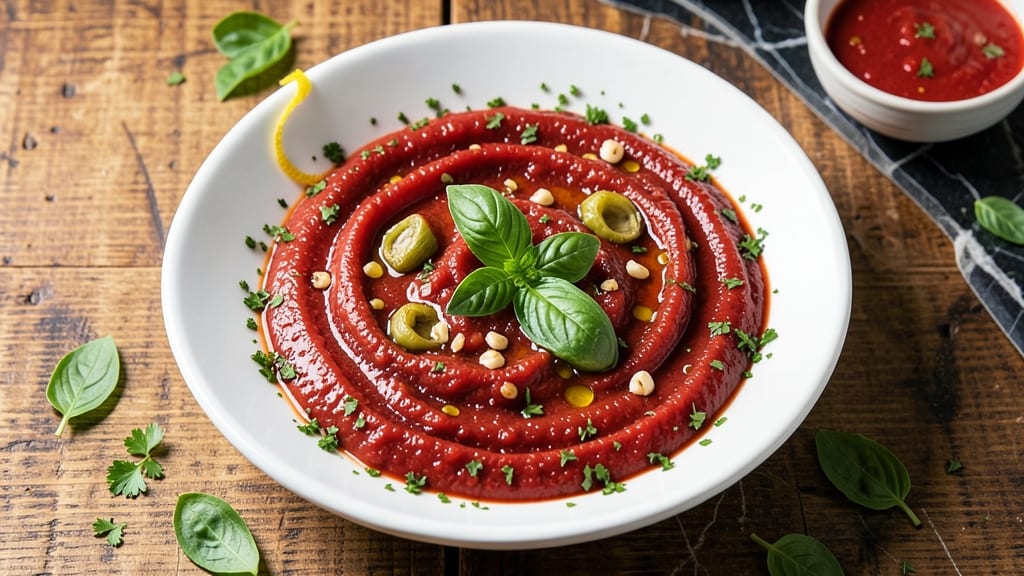
This artichoke pizza sauce recipe transforms your ordinary tomato base into a sophisticated, herb-infused sauce with surprising depth. The secret lies in blending canned artichoke hearts directly into the sauce, adding a subtle earthiness that complements the acidity of tomatoes and garlic.
I developed this after craving something more complex than standard marinara but still simple enough for weeknight dinners.
The process couldn't be simpler: simmer tomatoes, garlic, and herbs until the flavors meld, then blend in artichokes until smooth. A touch of lemon juice brightens the sauce, while olive oil ensures a silky texture.
What makes this sauce special is its versatility—it elevates pizza, dips, and even pasta dishes with its rich, layered flavor profile. The artichokes add a subtle brininess that pairs beautifully with melted cheese.
This recipe delivers a sauce that's restaurant-quality yet requires minimal effort—just 20 minutes of active time and 10 minutes of simmering. The artichokes provide a unique texture and depth that sets it apart from traditional tomato sauces.
Whether you're a pizza enthusiast or simply looking to elevate your weeknight meals, this sauce will become a staple in your kitchen.
For added richness, stir in a spoonful of nutritional yeast if you're avoiding dairy, or finish with fresh basil for a pop of color and freshness. The sauce thickens slightly as it cools, making it perfect for topping pizzas or using as a dip.
Let's create this herb-infused masterpiece that will transform your next meal.
Ingredients for artichoke pizza sauce
Eight simple ingredients blend into a sauce that tastes like a gourmet secret—artichokes add that earthy magic.
| Ingredient | Amount | Notes |
|---|---|---|
| Canned Artichoke Hearts 🍃 | 14 oz | Drained, chopped into small pieces |
| Canned San Marzano Tomatoes 🍅 | 2 cups | Crushed by hand or with fork |
| Extra-Virgin Olive Oil 🫒 | ½ cup | For richness and smooth texture |
| Garlic Cloves 🧄 | 4 cloves | Minced finely for deep flavor |
| Fresh Basil Leaves 🌿 | ½ cup | Packed, stems removed |
| Fresh Parsley Leaves 🌿 | ¼ cup | Chopped finely for brightness |
| Lemon Juice 🍋 | 1 tbsp | Freshly squeezed for acidity |
| Diamond Crystal Kosher Salt 🧂 | ½ tsp | Adjust to taste |
| Black Pepper 🌶️ | ¼ tsp | Freshly cracked for heat |
| Nutritional Yeast 🧀 | 2 tbsp | Optional for cheesy depth |
The artichokes are the star here. Grab the water-packed kind from the grocery store—Whole Foods or Trader Joe's have the best quality. I always buy a couple extra cans because they're so versatile. For the tomatoes, San Marzano is the gold standard, but any good-quality canned tomatoes will do. If you're using the whole can, crush them by hand—it releases more flavor. The basil and parsley should be vibrant green, not wilted. Fresh is best, but dried works in a pinch at half the amount.
No artichokes? Mushrooms or sun-dried tomatoes can mimic that umami depth. Short on basil? Oregano or thyme will keep the sauce flavorful. The nutritional yeast is optional but adds a cheesy richness—Bob's Red Mill is my go-to brand. If you're avoiding dairy entirely, skip it and just boost the lemon juice slightly. The olive oil matters here—use something fruity and peppery, not that bland generic stuff. And don't skip the lemon juice; it brightens everything up and balances the earthiness of the artichokes.
This sauce keeps beautifully in the fridge for about 5 days, though it tastes even better the next day as the flavors meld. For longer storage, freeze it in ice cube trays—perfect for portion control. I always make a double batch because it disappears fast. If it thickens too much when reheating, just add a splash of water or a little more olive oil. The artichokes give it a lovely texture, so don't blend it too smooth if you want that little bite.
Why You'll Love This Recipe
- Pantry to Plate Magic: I swear by this sauce because it turns five shelf-stable ingredients into something restaurant-worthy—no fancy shopping required. The artichokes add that briny, meaty texture without the effort of fresh ones, and the San Marzano tomatoes? They’re the unsung heroes here, sweet and rich without tasting canned.
- Garlic-Basil Bomb: That first bite of warm garlic and fresh basil? It’s like a flavor hug. I don’t skimp on the olive oil here—it’s the secret to making the basil sing and the artichokes shine. Honestly, the smell alone makes my kitchen feel like a Mediterranean bistro.
- Weeknight Superstar: This sauce is my go-to when I’m too tired to think but still want something impressive. Slather it on crusty bread, toss it with pasta, or use it as a marinade—it’s the kind of thing that makes you look like a cooking genius without trying. (Yes, even on a Tuesday night.)
- Leftovers That Don’t Suck: Unlike most sauces that turn sad after day two, this one actually gets better. The flavors meld overnight, and the artichokes hold their shape—perfect for reheating on toast or dumping over grilled chicken. I’ll be real: I’ve eaten it cold straight from the jar. No judgment.
Step-by-step instructions for artichoke pizza sauce
This herb-infused sauce delivers rich, earthy depth with every bite—perfect for pizza lovers.
Sauté Garlic in Olive Oil Until Fragrant
Heat the 0.5 cup extra-virgin olive oil in a medium saucepan over medium-low heat. Add the 4 minced garlic cloves and cook for 2-3 minutes until they turn light golden and release their aroma—this prevents bitterness. I like to stir constantly so the garlic doesn't brown too quickly. The oil should shimmer but not smoke, creating the perfect foundation for the sauce.
This step is where the magic begins. The garlic infuses the oil with its sweet, nutty flavor, which will carry through the entire sauce. If you smell burning, reduce the heat immediately—garlic burns faster than you think.
Add Artichokes and Tomatoes, Simmering Until Thickened
Increase heat to medium and add the 14 oz drained, chopped artichoke hearts and 2 cups crushed San Marzano tomatoes. Stir well to combine, then reduce heat to low and let the mixture simmer uncovered for 15-20 minutes. You'll see the sauce gradually thicken as the liquid reduces.
I like to taste the sauce after 10 minutes to check for seasoning. The tomatoes should break down into a smooth, jammy consistency while the artichokes soften slightly but retain their texture. Stir occasionally to prevent sticking—this sauce should coat the back of a spoon by the end.
Season with Herbs, Salt, and Pepper
Remove the sauce from heat and stir in the 0.5 cup packed fresh basil leaves, 0.25 cup chopped fresh parsley leaves, 0.5 tsp Diamond Crystal kosher salt, and 0.25 tsp freshly cracked black pepper. Let it steep for 5 minutes off the heat—this allows the herbs to release their bright, fresh flavors into the sauce.
The basil and parsley add a vibrant contrast to the earthy artichokes. I always use fresh herbs here because dried versions can't match the brightness. If you're using the 2 tbsp nutritional yeast, sprinkle it in now for a cheesy depth that pairs beautifully with the tomatoes.
Finish with Lemon Juice and Adjust Seasoning
Return the sauce to low heat and stir in the 1 tbsp freshly squeezed lemon juice. Simmer for another 2 minutes, then taste and adjust seasoning if needed. The lemon brightens the sauce and balances the richness of the olive oil and artichokes.
This final step is crucial—it ties all the flavors together. The sauce should be smooth, slightly thickened, and well-seasoned with a perfect balance of acidity, salt, and herbal freshness. If it's too thick, add 1-2 tablespoons of water to reach your desired consistency for spreading on pizza.
Cool and Use for Maximum Flavor
Let the sauce cool to room temperature before using it on pizza. This allows the flavors to meld completely, resulting in a sauce that's rich, balanced, and full of depth. I like to store any leftovers in an airtight container in the refrigerator for up to 5 days—it actually tastes better the next day as the flavors develop.
The artichokes will soften slightly as the sauce cools, making it even easier to spread. For the best results, use this sauce on high-heat pizzas where the residual heat will help it caramelize beautifully. Trust me, your pizza will thank you!
Pro Tips For Making Artichoke Pizza Sauce
- Drain and Pat Artichokes Dry: I learned this the hard way—skipping this step turns your sauce into a watery mess. After draining the artichokes, press them between paper towels to remove every drop of brine. Trust me, that extra moisture adds up fast.
- Sauté Garlic Low and Slow: High heat burns garlic before it releases its flavor, and you’ll end up with bitter bits instead of sweet aroma. Cook the minced cloves over medium-low heat until just golden—about 3-4 minutes—then remove them before they brown completely.
- Crush Tomatoes by Hand: A quick pulse in the blender makes sauce fast, but crushing tomatoes by hand with your fingers breaks down the skins and seeds more evenly. This gives you a smoother texture without losing the bright acidity that San Marzano tomatoes bring.
- Add Basil at the End: Fresh basil wilts and turns bitter if cooked too long, so toss it in just before serving. If you’re prepping ahead, store the basil separately and add it when reheating—this keeps the flavor bright and herbaceous.
Regional styles of these flavors
Italian Coastal Style
In coastal regions like Sicily and Naples, this sauce takes on a brighter, more vibrant character. Add 1 tablespoon of white wine vinegar along with the lemon juice to enhance acidity, mimicking the tangy flavors of the Mediterranean.
I also recommend adding ½ teaspoon of red pepper flakes for a subtle heat that nods to the region's love of spice. The artichokes here are often paired with anchovies (dissolved into the olive oil) for a salty depth that's traditional in Italian cuisine. 🌊
Southern U.S. Twist
For a Southern-inspired version, swap the fresh basil for ½ teaspoon of dried thyme and add 1 teaspoon of smoked paprika during the simmering phase. The artichokes work beautifully with the smoky, earthy flavors of the South.
I like to finish with a sprinkle of crumbled feta cheese for a tangy contrast that's perfect for pizza or as a dip. This variation is especially popular in states like Georgia and Alabama, where artichokes are a beloved garden crop.
Mediterranean Roasted Artichoke
In Greece and Turkey, artichokes are often roasted before being incorporated into sauces. For this version, roast the 14 oz artichoke hearts at 400°F for 15 minutes before adding them to the sauce. This caramelizes their natural sugars, adding a deeper, sweeter note.
Pair with 1 teaspoon of dried oregano and a pinch of ground cinnamon for a warm, aromatic twist. This sauce is fantastic on flatbreads or as a dip with warm pita. 🍯
California-Inspired Fusion
West Coast cooks often blend Mediterranean flavors with local ingredients. For a California-style sauce, add ½ cup of roasted red bell peppers (jarred or fresh) along with the artichokes. Stir in 1 teaspoon of balsamic vinegar at the end for a touch of sweetness and acidity.
This version is especially great on wood-fired pizzas or as a marinade for grilled vegetables. The artichokes and peppers create a beautiful, colorful sauce that's both hearty and refreshing.
Artichoke Pesto Variation
Transform this sauce into a pesto-like spread by blending the cooked artichokes with 1 cup of fresh basil, ¼ cup of pine nuts, and ½ cup of grated Parmesan cheese.
Pulse in a food processor until smooth, then drizzle with 2 tablespoons of olive oil to thin it out. This artichoke pesto is perfect for spreading on sandwiches, topping salads, or even as a pizza sauce.
It's a creative way to repurpose leftovers and add a new dimension to your meals. 🌿
Nutrition facts
Frequently asked questions
Can I make this sauce without fresh herbs?
Use 1 teaspoon dried basil and 1 teaspoon dried parsley instead of fresh. For best results, toast the dried herbs in the olive oil for 30 seconds before adding the artichokes and tomatoes to release their flavors. The sauce will still be flavorful, though the brightness of fresh herbs can't be fully replicated.
How can I adjust the thickness for different uses?
For pizza, let it cool slightly—it thickens as it rests. If too thick, thin with 1-2 tablespoons water. For dipping, keep it slightly thinner by adding 1 extra tablespoon olive oil at the end. For pasta, simmer uncovered for 5 extra minutes to reduce further. Consistency is all about balance!
What if I don't have San Marzano tomatoes?
Use any high-quality canned tomatoes—just crush them well to release their juices. For extra depth, add ½ teaspoon sugar to balance acidity. Avoid tomato sauces with added salt or preservatives. The artichokes will still shine, but the sauce's natural sweetness will be slightly different.
Can I make this sauce vegan?
Yes! Skip the nutritional yeast if avoiding all dairy, or use 2 tablespoons vegan Parmesan for cheesy flavor. Ensure your olive oil is certified vegan. The artichokes' earthiness pairs perfectly with plant-based ingredients. For extra richness, stir in 1 tablespoon tahini at the end.
Why does my sauce taste bitter?
Overcooked garlic or artichokes can cause bitterness. For next time, sauté garlic only until light golden (2-3 minutes) and simmer artichokes for 15 minutes max. Add ½ teaspoon sugar or 1 extra tablespoon lemon juice to balance. Fresh herbs also help brighten flavors.