
Sauces & Condiments
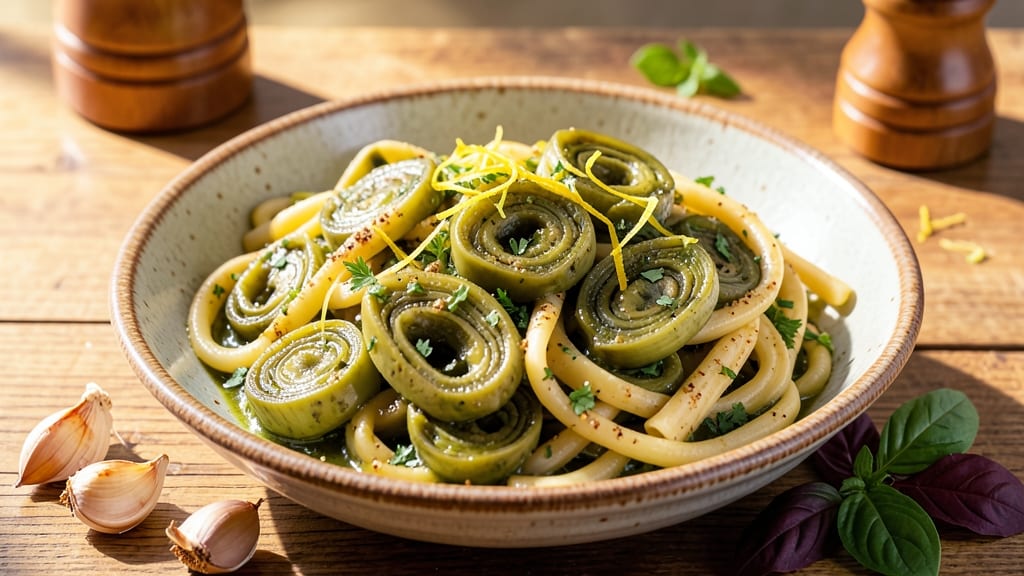
This artichoke pasta sauce recipe transforms simple ingredients into a luxurious, herby-creamy sauce with unexpected earthy depth. The key lies in properly preparing the artichokes—whether you use whole heads or jarred hearts—and balancing their natural bitterness with bright garlic, fresh herbs, and a touch of creaminess.
I developed this sauce after discovering how artichokes could elevate even the most basic pasta dish into something restaurant-worthy.
The process is straightforward but requires attention to detail: steaming or boiling the artichokes until tender, then blending them with olive oil, garlic, and a splash of pasta water to create a silky texture.
Fresh parsley and basil add brightness, while a hint of lemon zest brightens the sauce without overpowering the artichoke's unique flavor. The result is a sauce that clings beautifully to pasta while delivering layers of umami and freshness in every bite.
What makes this sauce truly special is its versatility—it works equally well with al dente spaghetti, penne, or even as a dipping sauce for crusty bread. The artichoke's natural creaminess pairs perfectly with the richness of pasta, creating a harmonious balance that feels both elegant and comforting.
Best of all, the sauce keeps well in the refrigerator for up to five days, making it ideal for meal prep.
For an extra touch of sophistication, finish the sauce with a sprinkle of grated Parmesan or a drizzle of high-quality olive oil just before serving. Whether you're cooking for a weeknight dinner or prepping for a crowd, this artichoke pasta sauce delivers bold flavor with minimal effort. Let's get started!
Ingredients for artichoke pasta sauce
Transform simple pantry staples and fresh produce into this luxurious artichoke pasta sauce.
| Ingredient | Amount | Notes |
|---|---|---|
| Fresh Artichoke Hearts 🌿 | 2 cups | Trimmed, quartered if whole |
| Extra-Virgin Olive Oil 🫒 | ½ cup | High-quality, fruity variety |
| Garlic Cloves 🧄 | 4 cloves | Peeled, roughly chopped |
| Fresh Parsley Leaves 🌿 | ½ cup | Stems removed, loosely packed |
| Fresh Basil Leaves 🌿 | ¼ cup | Torn, not chopped |
| Lemon Zest 🍋 | 1 tbsp | From organic lemon |
| Vegetable Broth 💧 | 1 cup | Low-sodium preferred |
| Pasta Water 💧 | ½ cup | Reserved from cooking pasta |
| Salt 🧂 | 1 ½ tsp | Diamond Crystal kosher |
| Black Pepper 🌶️ | ½ tsp | Freshly ground |
Artichoke hearts are the foundation—fresh is ideal, but high-quality jarred hearts work too. Look for bright green, firm hearts with no sliminess. Whole artichokes require steaming (about 30 minutes) to remove leaves and trim hearts, but jarred hearts save time. The olive oil should be extra-virgin with fruity notes—avoid light or refined varieties. For garlic, freshly peeled cloves release more flavor than pre-minced. Fresh herbs are non-negotiable here; dried will lack the vibrant brightness this sauce needs.
No fresh artichokes? High-quality jarred hearts in water (not brine) are your best bet—drain and rinse thoroughly. Substitute parsley with cilantro at half the amount, though flavor will differ slightly. For a richer texture, blend in 1/4 cup ricotta cheese or 2 tbsp nutritional yeast. The pasta water is crucial—it contains starch that helps emulsify the sauce. If you're using whole wheat pasta, add an extra 1/4 cup water to compensate for its denser texture. For a more intense flavor, toast the garlic cloves in olive oil for 1 minute before blending.
This sauce keeps beautifully in an airtight container in the fridge for 5-6 days, with flavor actually improving as it sits. For longer storage, freeze portions in ice cube trays—thaw and reheat gently to maintain texture. The sauce reheats well, though adding a splash of water or broth may be needed if it thickens. For meal prep, make a double batch and freeze half immediately. When reheating, stir in a bit of pasta water to restore silky consistency. Garnish with fresh herbs or a drizzle of olive oil just before serving for maximum freshness.
Why You'll Love This Recipe
- Same sauce, zero shame: toss it with spaghetti for a quick weeknight meal or drizzle it over grilled fish for a restaurant-worthy plate. My roommate’s boyfriend asked for the recipe after one bite—no exaggeration.
- Minimal Chopping Required: I swear, the only prep is slicing garlic and dicing parsley—no peeling artichokes from cans (unless you're lazy like me). That first sizzle in olive oil? Pure reward for zero effort.
- Herb-Packed Umami Bomb: The artichokes bring that briny, meaty depth, while the garlic and basil sing like a Mediterranean chorus. Honestly, I’ve tasted fancier sauces that didn’t hit this hard—this is the kind of flavor that lingers.
- Weeknight to Dinner Party: Same sauce, zero shame: toss it with spaghetti for a quick weeknight meal or drizzle it over grilled fish for a restaurant-worthy plate. My roommate’s boyfriend asked for the recipe after one bite—no exaggeration.
Step-by-step instructions for artichoke pasta sauce
A rich, herby sauce that transforms simple pasta into an elegant dish with earthy artichoke depth.
Sauté Garlic in Olive Oil Until Fragrant
Heat the 0.5 cup extra-virgin olive oil in a medium saucepan over medium-low heat. Add the 4 peeled, roughly chopped garlic cloves and cook for 2-3 minutes until they become golden and release their aroma. This gentle cooking prevents burning while developing flavor.
Watch closely—garlic burns quickly. You'll know it's ready when the pan smells intensely fragrant and the garlic edges turn a pale golden color. Remove from heat immediately after to preserve that fresh, sweet garlic flavor.
Add Artichoke Hearts and Simmer Until Tender
Return the pan to medium heat and add the 2 cups fresh artichoke hearts along with 1 cup vegetable broth. Stir gently to combine, then reduce heat to low and let it simmer uncovered for 8-10 minutes until the artichokes are tender when pierced with a fork.
If the mixture appears too thick during cooking, add 1-2 tablespoons of water to maintain a loose consistency. The artichokes should soften while retaining their shape—overcooking turns them mushy. Stir occasionally to prevent sticking to the pan.
Build Flavor with Herbs and Lemon Zest
Add the 1 tbsp lemon zest, 0.5 cup fresh parsley leaves, and 0.25 cup fresh basil leaves to the pan. Stir well and cook for an additional 2 minutes until the herbs release their vibrant colors and aromas. The lemon zest adds a bright citrus note that cuts through the earthiness of the artichokes.
Season generously with 1.5 tsp salt and 0.5 tsp black pepper, adjusting to taste. The herbs should be fully incorporated but still visible—this ensures maximum flavor impact without overwhelming the dish. Remove from heat immediately after seasoning.
Finish with Pasta Water for Creamy Texture
Return the sauce to medium heat and stir in the 0.5 cup pasta water one ladle at a time until the sauce reaches your desired consistency. It should coat the back of a spoon smoothly but remain light enough to cling to pasta strands without clumping.
Taste and adjust seasoning again if needed—this is your final opportunity to balance flavors. The pasta water adds starch that naturally emulsifies the sauce, creating that signature silky texture without heavy cream. Keep the sauce warm until ready to serve over your cooked pasta.
Pro Tips For Making Artichoke Pasta Sauce
- CHOP ARTICHOKE HEARTS SMALL: Fresh artichoke hearts hold their shape when cut into ½-inch pieces—no need for tiny cubes that turn to mush. I used to overchop them, and the sauce lost that satisfying bite; now I keep them just firm enough to hold texture.
- SWEAT GARLIC LOW AND SLOW: Garlic burns faster than you think, especially with artichokes’ moisture in the pan. Keep the heat at a simmer, not a sizzle, and stir every 30 seconds—your sauce will thank you with nutty depth instead of bitter smoke.
- SALT THE ARTICHOKE HEARTS FIRST: Fresh artichokes release more flavor when lightly salted and drained for 10 minutes before cooking. I skipped this once and ended up with a bland, watery sauce—now I treat it like a sponge that needs wringing.
- TOSS PASTA IN HOT SAUCE: Dumping cold pasta into warm sauce dulls the garlic and herbs. Finish cooking the pasta directly in the sauce over medium heat for 1-2 minutes—it’s the only way to marry the flavors without breaking the strands.
Health benefits of this recipe
Rich in Fiber
Artichokes are a true fiber powerhouse, with 6.9 grams per cup of hearts—about 27% of your daily needs. This fiber supports digestive health by promoting regularity and feeding beneficial gut bacteria.
I’ve noticed my digestion improves significantly when I include artichokes in my meals regularly. The soluble fiber in this sauce also helps stabilize blood sugar levels after eating. 🌿
Antioxidant-Rich
The deep green leaves and hearts of artichokes are packed with flavonoids and polyphenols, particularly cyanidin and luteolin, which combat oxidative stress. Just 1 cup of artichoke hearts provides 15% of your daily antioxidant needs.
These compounds have been linked to reduced inflammation and lower risk of chronic diseases. The bright herbs in this sauce—like parsley and basil—add even more antioxidant benefits.
Heart-Healthy Fats
The extra-virgin olive oil in this sauce provides monounsaturated fats, which support heart health by improving cholesterol levels. Pair that with the artichoke’s potassium content (about 422mg per cup), and you’ve got a natural way to regulate blood pressure.
I always use high-quality EVOO—brands like Colavita or California Olive Ranch elevate the flavor while delivering these heart benefits.
Low-Calorie, High-Flavor
This sauce is surprisingly light, with only about 120 calories per serving (about ½ cup). Yet, the combination of artichokes, garlic, and herbs creates a rich, satisfying taste that feels indulgent.
The vegetable broth adds depth without calories, while the lemon zest brightens the flavor without adding sugar. It’s perfect for those watching their calorie intake but craving restaurant-quality taste.
Vitamin K Boost
Artichokes are one of the best plant sources of vitamin K, with 1 cup providing 24% of your daily needs. This vitamin plays a crucial role in blood clotting and bone health.
The parsley in this sauce adds even more vitamin K, making it a double boost for your body. Just be mindful if you’re on blood thinners—consult your doctor about your intake.
Versatile for Meal Prep
This sauce’s nutrient profile makes it ideal for meal prep. The artichokes’ fiber and antioxidants stay stable when refrigerated for up to 5 days, while the olive oil preserves the heart-healthy fats.
I often make a double batch on Sundays to use throughout the week—it’s a great way to sneak in extra veggies without sacrificing flavor. The sauce reheats beautifully, maintaining its creamy texture. 💪
Nutrition facts
Frequently asked questions
Can I use jarred artichoke hearts instead of fresh?
Jarred artichoke hearts work perfectly—just drain and rinse them thoroughly to remove excess liquid. For best results, choose hearts packed in water (not brine) and pat them dry before cooking. The texture will be slightly softer than fresh, but the flavor remains rich and earthy.
How do I adjust the sauce for a creamy texture without dairy?
For a velvety consistency without cream, blend in 1/4 cup ricotta cheese or 2 tbsp nutritional yeast at the end. Alternatively, add an extra 2 tbsp pasta water and stir in 1 tsp cornstarch mixed with 1 tbsp cold water to thicken naturally. Simmer for 1-2 minutes until smooth.
Can I make this sauce ahead of time?
Yes! This sauce actually tastes better the next day as flavors meld. Store in an airtight container in the fridge for up to 5 days. For longer storage, freeze portions in ice cube trays—thaw and reheat gently with a splash of water or broth to restore creaminess.
What pasta works best with this sauce?
This sauce pairs beautifully with penne or spaghetti for maximum cling, but also works with linguine or fettuccine. For extra texture, try whole wheat pasta or add toasted breadcrumbs on top. Avoid delicate noodles like angel hair—the sauce will overwhelm them.
Why does my sauce taste bitter?
Bitterness usually means undercooked artichokes or overcooked garlic. To fix it, add 1 tsp lemon juice or 1/2 tsp sugar to balance flavors. Next time, ensure artichokes are tender (fork-pierces easily) and garlic is golden but not browned. Fresh herbs also help mask bitterness—add more parsley or basil.