
Sauces & Condiments
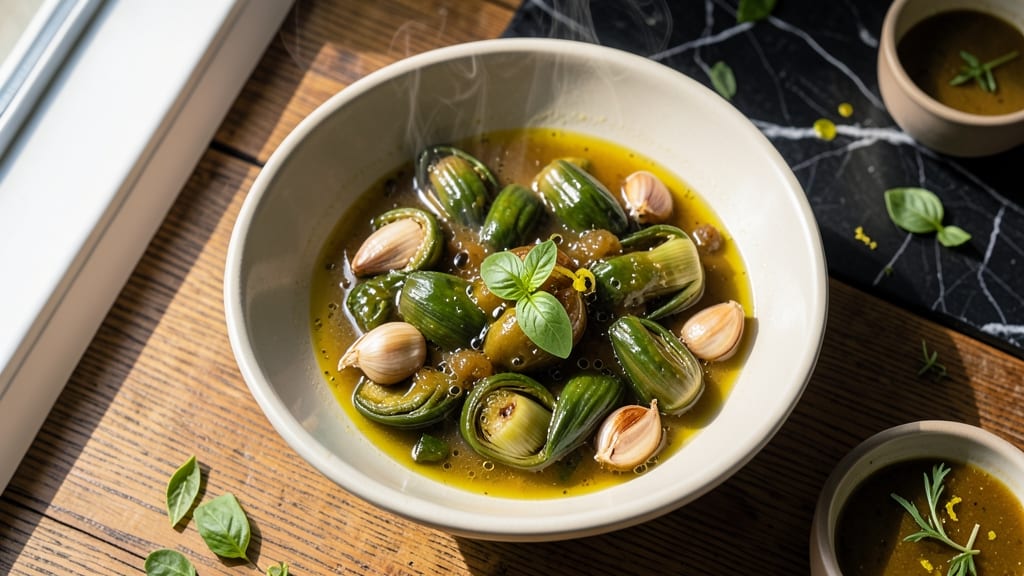
This artichoke garlic pizza sauce recipe transforms ordinary pizza night into a gourmet experience with bright, herby depth that canned sauces can't match. The secret lies in blending artichoke hearts—naturally sweet and tender—with roasted garlic for a flavor profile that's both sophisticated and approachable.
Unlike heavy tomato sauces, this version stays light yet rich, making it perfect for both pizza and dipping.
The process is straightforward: simmer artichoke hearts and garlic in a flavorful broth until tender, then blend until smooth or leave slightly chunky for texture. A touch of lemon juice brightens the flavors, while fresh herbs like basil or parsley add freshness.
What you'll end up with is a versatile sauce that works on pizza, pasta, or even as a marinade—its creamy yet vibrant taste elevates any dish.
This sauce stands out because it balances artichokes' natural sweetness with garlic's pungency, creating a harmonious flavor that's neither too sweet nor overpowering. The result is a sauce that's creamy yet not heavy, with just the right amount of chunkiness for texture.
It's the kind of sauce that makes you want to make it again and again.
Store it in the fridge for up to five days or freeze for longer shelf life, making it ideal for meal prep. Whether you're a pizza enthusiast or simply love versatile sauces, this artichoke garlic blend will become a staple in your kitchen. Let's get started!
Ingredients for artichoke garlic pizza sauce
Nine simple ingredients create a sauce brighter than any jarred version.
| Ingredient | Amount | Notes |
|---|---|---|
| Marinated Artichoke Hearts 🍃 | 14 oz | Drained, not oil-packed |
| Garlic Cloves 🧄 | 6 whole | Roasted until golden |
| Vegetable Broth 💧 | 1 cup | Low-sodium preferred |
| Extra-Virgin Olive Oil 🫒 | ½ cup | Light fruity variety |
| Fresh Lemon Juice 🍋 | 1 tbsp | Freshly squeezed |
| Fresh Basil Leaves 🌿 | ¼ cup | Packed, stems removed |
| Fresh Parsley Leaves 🌿 | ¼ cup | Packed, chopped fine |
| Salt 🧂 | ½ tsp | Diamond Crystal preferred |
| Black Pepper 🌶️ | ¼ tsp | Freshly ground |
| Garlic Powder 🧄 | ½ tsp | For extra depth |
Artichoke hearts make all the difference here—oil-packed versions add richness, but water-packed or marinated keep it light. Grab the Trader Joe's marinated hearts if you're short on time, but Whole Foods has the best quality. Roasting the garlic? Don't skip it—it adds a sweet, caramelized depth that raw garlic can't match. I usually roast mine at 400°F for 15 minutes until golden brown. If you're using fresh artichokes, trim the tough parts and quarter them before cooking.
No fresh herbs? Dried basil and parsley at half the amount work in a pinch, but fresh is ideal. Short on lemon juice? A splash of white wine vinegar brightens things up. The olive oil should be light and fruity—none of that strong, peppery stuff that'll overpower everything. Want extra creaminess? Blend in 2 tablespoons of cashew cream at the end. The sauce gets thicker as it cools, so don't over-blend if you prefer some texture. For a nutty twist, add 1 tablespoon of tahini to the blend.
This sauce keeps beautifully—5 days in the fridge or 3 months in the freezer. Portion it into ice cube trays for single-use servings, or freeze in small jars for easy grab-and-go. The flavor actually improves after a day or two as everything melds together. If it thickens too much, just stir in 1-2 tablespoons of water or broth. Leftovers make an amazing pasta sauce or dipping sauce for bread—trust me, you'll find a million uses for it.
Why You'll Love This Recipe
- No-Chop Needed: I swear by this—just drain those jarred artichoke hearts and toss them in a food processor with raw garlic. The texture? Silky smooth, no chopping, no mess. Honestly, I make this while scrolling through my phone.
- Umami Bomb: That jarred artichoke brine? It’s the secret. Simmer it with garlic and broth until it reduces into a glossy, savory sauce—brightened just enough by lemon to cut through the richness. It’s the kind of flavor that makes you pause mid-bite.
- Pantry Staple Magic: I keep this sauce on hand for everything—drizzled over grilled chicken, tossed with pasta, or even slathered on toast with a sprinkle of flaky salt. It’s my go-to when I’m too tired to think, but still want something that tastes intentional.
- Budget-Friendly Luxury: Marinated artichokes are cheap, and a little goes a long way. This sauce stretches to feed four for dinner, then becomes tomorrow’s lunch in a wrap. Between us, it’s the most cost-effective way I’ve found to make something feel fancy without breaking the bank.
Step-by-step instructions for artichoke garlic pizza sauce
Here's how to blend vibrant flavors into a silky, herb-infused sauce that rivals anything store-bought.
Roast the Garlic and Prepare Artichokes
Preheat your oven to 400°F. Wrap the 6 whole garlic cloves tightly in aluminum foil, drizzle with 1 teaspoon of the 0.5 cup extra-virgin olive oil, and roast for 20-25 minutes until golden and fragrant. This gentle roasting mellows the garlic's sharpness while concentrating its sweet, nutty flavor.
While the garlic roasts, drain the 14 oz marinated artichoke hearts thoroughly, pressing between paper towels to remove excess liquid. Chop them into ¼-inch pieces—this size ensures they blend smoothly without becoming pasty. Set both aside for the next step.
Sauté Artichokes Until Tender
Heat 1 tablespoon of the remaining 0.5 cup extra-virgin olive oil in a medium saucepan over medium heat. Add the chopped artichokes and cook for 5-6 minutes until they soften slightly and release their natural juices. Stir occasionally to prevent sticking—this is where the sauce builds its rich foundation.
Here's the thing—if the artichokes start to brown too quickly, reduce the heat to medium-low. You want them tender, not crispy. The goal is to develop flavor without cooking them dry. Once they're just softened, remove them from the pan and set aside temporarily.
Build the Sauce Base with Broth and Herbs
In the same saucepan, add the roasted garlic cloves (squeezed from their skins) and the 1 cup vegetable broth. Bring to a gentle simmer over medium heat and let it reduce by half—about 5-7 minutes. This reduction concentrates the flavors and creates a velvety texture.
While the broth reduces, finely chop the 0.25 cup fresh basil leaves and 0.25 cup fresh parsley leaves (stems removed). Add them to the sauce along with the 1 tbsp fresh lemon juice, 0.5 tsp garlic powder, 0.5 tsp salt, and 0.25 tsp black pepper. Stir everything together for 1-2 minutes until the herbs wilt and release their aromatic oils.
Blend Until Silky Smooth
Return the sautéed artichokes to the saucepan and stir to combine. Let the mixture simmer for another 2-3 minutes until everything is well integrated. Then, use an immersion blender to purée the sauce directly in the pan until completely smooth. If you prefer, transfer to a countertop blender, but be careful—hot liquids can splatter.
The sauce should be thick enough to coat the back of a spoon but still flow easily. If it's too thick, thin it with 1-2 tablespoons of water or reserved artichoke liquid. Taste and adjust seasoning—you might need a pinch more salt or a squeeze of lemon to balance the flavors. The final texture should be velvety, with just enough body to cling beautifully to pizza crust.
Rest and Finish
Remove the sauce from heat and let it cool slightly for 5 minutes. This resting period allows the flavors to meld and the sauce to thicken naturally. Give it a final taste—it should be bright, herby, and subtly sweet from the roasted garlic and artichokes.
For best results, use the sauce immediately on your pizza, but it will keep in the refrigerator for up to 3 days if stored in an airtight container. The flavors actually deepen overnight, making it perfect for next-day pizza nights. This sauce isn't just a topping—it's the star of your pizza, bringing a fresh, vibrant twist to every bite.
Pro Tips For Making Artichoke Garlic Pizza Sauce
- Drain and Pat Dry: Marinated artichoke hearts hold way more liquid than you’d think—skip draining them straight from the jar, and your sauce will turn into a watery mess. Dump them into a colander, let them drain for 10 minutes, then blot them dry with a paper towel. Trust me, the texture changes everything.
- Sear the Garlic: Low and slow garlic turns to mush. Instead, heat your olive oil until it shimmers (not smoking), then add the minced garlic and let it sizzle for 30 seconds—just until it’s golden, not browned. This adds depth without burning, and your sauce won’t taste like you charred your kitchen.
- Simmer, Don’t Boil: Vegetable broth loves to evaporate fast. Once you add it to the artichokes and garlic, keep the heat at a gentle simmer—tiny bubbles, not a rolling boil. This concentrates the flavors and keeps the sauce thick enough to cling to pizza, not pool in a sad puddle.
- Zest Before Juicing: That lemon juice is great, but the zest? Game-changer. Grate a strip of peel (no pith!) into the sauce while it simmers. It brightens the whole dish without overpowering, and it’s way easier than squeezing extra juice. (Yes, even if you’re impatient like me.)
Flavor customization for these flavors
Sweet & Tangy Twist
Add 1 tablespoon honey or agave syrup to the blend for a subtle sweetness that balances the garlic's pungency. I like to add it during the final simmer with the herbs—just stir it in for 1 minute before blending.
For tanginess, increase the lemon juice to 2 tablespoons or add ½ teaspoon white vinegar for a brighter finish. This combo works beautifully with creamy mozzarella on pizza. 🍯
Smoky Depth
Infuse the sauce with smoky flavor by adding ½ teaspoon smoked paprika or ¼ teaspoon liquid smoke (like La Choy) during the simmering stage. For extra depth, sauté 1 finely chopped chipotle pepper in adobo with the artichokes for 1 minute before adding broth.
This gives the sauce a subtle BBQ-inspired warmth that pairs well with grilled chicken or vegan cheese. 🔥
Creamy Variations
For a richer texture, blend in 2 tablespoons of cashew cream (soaked cashews blended with water) or ¼ cup Greek yogurt after cooking. I also love adding 1 tablespoon tahini for a nutty depth—just whisk it in at the end.
These variations turn the sauce into a creamy dip perfect for breadsticks or veggie platters. 🥄
Herb Swaps
Swap out basil and parsley for other fresh herbs like thyme or oregano for a Mediterranean vibe, or try cilantro for a Latin-inspired twist. If you prefer dried herbs, use ½ teaspoon dried basil and ½ teaspoon dried parsley—just add them at the end to avoid overpowering the sauce.
Fresh herbs always taste best, but dried works in a pinch. 🌿
Spicy Kick
For heat lovers, add ½ teaspoon red pepper flakes or 1 finely chopped jalapeño (seeds removed) when sautéing the artichokes. For a smoother heat, blend in ½ teaspoon gochujang (Korean chili paste) at the end. This spicy version pairs perfectly with creamy ricotta or spicy salami on pizza. 🌶️
Umami Boost
Enhance the sauce with umami by adding 1 teaspoon soy sauce or ½ teaspoon fish sauce (for non-vegetarian versions) during the final simmer. For a vegetarian option, stir in 1 teaspoon miso paste or ½ teaspoon nutritional yeast.
These additions add depth that makes the sauce taste even more complex and satisfying. 💡
Nutrition facts
Frequently asked questions
Can I use fresh artichokes instead of marinated hearts?
Yes, but it requires extra prep! Trim the tough outer leaves and quarter fresh artichokes, then boil for 15-20 minutes until tender. Drain well and chop before using in the recipe. Fresh artichokes add a slightly earthier flavor but require more active prep time.
How do I adjust the sauce for a gluten-free pizza?
This sauce is naturally gluten-free! Just ensure your vegetable broth contains no wheat additives. For extra binding on gluten-free crusts, blend in 1 tablespoon cornstarch with 2 tablespoons water and stir it into the finished sauce. The artichoke base provides natural thickness, so most adjustments aren't needed.
What's the best way to store leftovers?
Transfer to an airtight container and refrigerate for up to 5 days. For longer storage, freeze in 1-cup portions with parchment between layers. Thaw in the fridge overnight - never microwave directly from frozen. The sauce actually tastes better after 24 hours as flavors meld!
Can I make this sauce without a blender?
Simply mash the artichokes with a fork after cooking and stir in all other ingredients. For creamier texture, press through a fine-mesh sieve. The result will be slightly chunkier but still delicious - perfect for rustic-style pizzas.
Why does my sauce taste bitter?
Overcooking the artichokes or garlic can cause bitterness. Keep cooking times short (5-6 minutes max) and add ½ teaspoon honey or 1 extra tablespoon lemon juice to balance flavors. If using oil-packed artichokes, drain thoroughly to remove excess salt.