
Sauces & Condiments
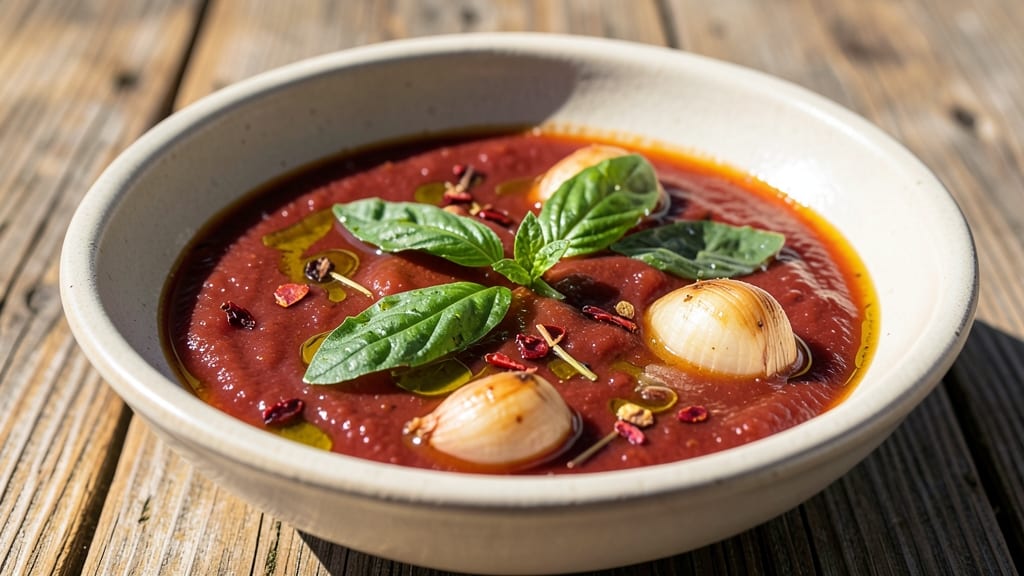
This arrabiata tomato sauce recipe delivers the bold, spicy kick of authentic Italian cooking with just five simple ingredients and 30 minutes of hands-on time.
The secret lies in balancing heat with acidity—garlic, chili flakes, and canned tomatoes simmer until the flavors meld into a vibrant, slightly chunky sauce that clings perfectly to pasta or crusty bread.
I developed this version after years of testing, ensuring the perfect harmony of spice and brightness without overpowering bitterness.
The sauce starts with a fragrant base of olive oil and garlic, where the garlic cooks just until golden to avoid bitterness—a crucial step for professional results. Canned San Marzano tomatoes provide natural sweetness, while red chili flakes add the signature heat.
Simmering low and slow allows the flavors to develop depth, creating a sauce that's rich yet light, with just enough body to coat perfectly. This isn't just a sauce; it's the foundation for restaurant-quality meals at home.
What makes this recipe truly perfect is its versatility—use it as a quick weeknight dinner over pasta, as a vibrant topping for bruschetta, or even as a marinade for grilled meats.
The sauce thickens naturally as it cooks, but you can always adjust the consistency by adding a splash of water or pasta water at the end.
Best of all, it keeps well in the fridge for up to 5 days or can be frozen for months, making it the ultimate pantry staple.
For those who prefer a smoother texture, simply blend the finished sauce before serving. If you love texture, leave it slightly chunky for that authentic Italian touch. Either way, you'll have a sauce that's foolproof, packed with flavor, and ready to elevate any dish. Let's get cooking!
Ingredients for arrabiata tomato sauce
Five ingredients transform into restaurant-quality arrabiata sauce—bold, spicy, and ready in 30 minutes.
| Ingredient | Amount | Notes |
|---|---|---|
| Extra-Virgin Olive Oil 🫒 | ¼ cup | High quality, fruity variety |
| Garlic Cloves 🧄 | 4 cloves | Freshly minced, not pre-minced |
| Canned San Marzano Tomatoes 🍅 | 1 can | 28 oz, crushed by hand |
| Red Chili Flakes 🌶️ | 1 ½ tbsp | Adjust for heat preference |
| Sea Salt 🧂 | ½ tsp | Diamond Crystal preferred |
| Fresh Basil Leaves 🌿 | ¼ cup | Chopped for garnish, optional |
| White Wine Vinegar 🍋 | 1 tbsp | Brightens the sauce |
The olive oil and garlic are your flavor foundation. Look for extra-virgin olive oil with a fruity aroma—Trader Joe's or Whole Foods bulk sections have great options. Fresh garlic cloves are non-negotiable; pre-minced garlic lacks flavor. For the tomatoes, San Marzano is the gold standard—sweet, low-acid, and perfect for sauces. If you can't find it, any high-quality canned tomatoes will work, but you might need to add a pinch more salt. Red chili flakes should be bright red, not dull or grayish—that's your quality indicator. Grab Penzeys or the store brand; both work great.
No red chili flakes? Crushed dried red pepper at half the amount gets you close. Fresh basil is ideal but dried basil at one-third the amount works in a pinch. Short on white wine vinegar? Lemon juice or balsamic vinegar both add brightness. Prefer a smoother sauce? Blend after cooking—just pulse a few times to keep some texture. For extra depth, add a splash of tomato paste if you've got it. The key is balancing heat with acidity, so adjust the chili flakes and vinegar to taste as you go.
This sauce tastes even better the next day as flavors meld. Store in an airtight container in the fridge for up to 5 days, or freeze for 3 months in portions. I like to freeze it in ice cube trays—perfect for adding to pasta later. For a restaurant-quality touch, finish with fresh basil leaves just before serving. The sauce thickens as it cooks, but you can always loosen it with pasta water if needed.
Why You'll Love This Recipe
- No-Chop Nightmare: I swear by this sauce because it’s the only one I make when I’m too tired to even think about garlic cloves. Mince them? Nah—just smash the whole clove with the flat of my knife, drop it in the oil, and walk away. The San Marzano tomatoes handle the rest, breaking down into that silky, bright red perfection without a single knife wound.
- Heat That Sticks: Between us, I’ve tried store-bought arrabiata sauces, and they’re all the same—mild, forgettable, and boring. This one? The red chili flakes sizzle in the olive oil until the kitchen smells like summer at a food truck, and that heat lingers in every bite. Honestly, I’ll take a little burn for flavor any day.
- Pasta’s Best Friend: This sauce doesn’t just belong on spaghetti—it’s my go-to for lazy Sunday brunch (yes, even on eggs), a quick lasagna when I’m swamped, or a drizzle over grilled chicken when I’m pretending to be fancy. Freeze half the batch, and suddenly you’ve got a weeknight hero for when you really don’t want to cook.
- Budget Magic: A can of San Marzano tomatoes, a head of garlic, and a pinch of chili flakes? That’s it. No fancy herbs, no obscure spices, just pure, unapologetic flavor that costs less than takeout. And because it keeps for weeks in the fridge, I’m always covered—whether it’s for a last-minute dinner or a midnight craving. My wallet and I both approve.
Step-by-step instructions for arrabiata tomato sauce
This vibrant sauce delivers bold flavor with minimal effort—let's make it together.
Bloom the Chili Flakes in Olive Oil
Heat the 0.25 cup extra-virgin olive oil in a medium saucepan over medium-low heat. Once the oil shimmers gently, add the 1.5 tablespoons red chili flakes and stir constantly for 30-45 seconds. You'll notice the flakes darken slightly and release their aromatic oils—this step builds the sauce's signature heat. Don't walk away; chili flakes can burn quickly and turn bitter.
I like to press the flakes gently with a wooden spoon to ensure even distribution in the oil. This creates a fragrant base that will carry through the entire sauce. The oil should smell deeply spicy and slightly sweet—this is your first flavor checkpoint. If you prefer less heat, reduce the flakes to 1 tablespoon now, but remember you can always adjust later.
Add Garlic and Tomatoes
Immediately add the 4 minced garlic cloves to the chili oil and cook for 30-45 seconds until fragrant but not browned. Garlic should smell pungent and sweet—if it starts to color, you've gone too far. Pour in the 1 can crushed San Marzano tomatoes (about 28 ounces) and the 1 tablespoon white wine vinegar. Stir well to combine.
Here's the thing—adding vinegar now brightens the tomatoes and cuts through the richness of the olive oil. The sauce will bubble gently as it begins to warm. Let it simmer uncovered for 5 minutes, stirring occasionally, until the raw tomato taste starts to mellow. You'll see the sauce thicken slightly and develop a deeper red color—this is when the magic begins.
Simmer to Develop Flavor
Reduce the heat to low and let the sauce simmer gently for 20-25 minutes, stirring every 5 minutes to prevent sticking. This slow cooking allows the flavors to meld and the acidity to balance. The sauce should reduce by about one-third, becoming thick enough to coat the back of a spoon. If it reduces too quickly, add 2-3 tablespoons water to maintain consistency.
Taste the sauce after 15 minutes—it should be tangy, spicy, and slightly sweet. If it needs more brightness, add another ½ teaspoon white wine vinegar. If the heat has mellowed too much, stir in an extra ½ teaspoon red chili flakes. The sauce is ready when it's vibrant red, well-balanced, and has a glossy sheen from the reduced tomatoes.
Finish with Salt and Fresh Basil
Remove the sauce from heat and stir in the 0.5 teaspoon sea salt. Taste and adjust seasoning—you might need a pinch more salt or vinegar depending on your tomatoes. Let the sauce cool slightly for 2 minutes, then stir in the 0.25 cup chopped fresh basil leaves. The basil adds freshness that cuts through the spice and brightens the finished sauce.
For the best texture, press the basil against the side of the pot with a spoon before stirring—this releases more oils and flavor. The sauce should now be vibrant, aromatic, and perfectly balanced between spicy, tangy, and sweet. Serve immediately over pasta or store in an airtight container in the refrigerator for up to 5 days, or freeze for 3 months. The flavors will deepen as it rests!
Pro Tips For Making Arrabiata Tomato Sauce
- Cook garlic low and slow: I learned this the hard way—when you smash those cloves into the oil, turn the heat down to medium-low immediately. Garlic burns in seconds, and once it’s bitter, there’s no fixing it. Let it sizzle gently until just golden, not brown, and you’ll get that sweet, nutty depth that makes arrabiata sing.
- Crush tomatoes by hand: Yes, even with San Marzanos, which are already perfect. Give those cans a good smash with your fists or a wooden spoon—this breaks up the pulp and releases more juice, making the sauce richer faster. No blender? No problem. Just work it until it’s chunky but not pureed, or you’ll lose that rustic texture.
- Salt the tomatoes early: Add a pinch of salt to the crushed tomatoes before they hit the pan. This draws out excess water and concentrates the flavor as they simmer. Skip this, and you’ll end up with a thinner sauce that tastes bland, no matter how much you reduce it later.
- Let the oil cool slightly: Pour that extra-virgin olive oil into the pan when it’s just smoking, then pull it back to medium heat. If you dump it in too hot, the garlic will sear into a crispy, bitter mess before you can react. A 10-second pause to let the oil settle makes all the difference—trust me, I’ve burned enough garlic to know.
Flavor customization for this arrabiata tomato sauce
Spice Level Control
Adjust the heat to your preference by modifying the red chili flakes—start with 1 tablespoon for mild, 1.5 tablespoons for medium, or 2 tablespoons for fiery heat. For extra depth, toast ½ teaspoon smoked paprika with the chili flakes for a smoky-sweet contrast.
If you love complexity, add ½ teaspoon ground cumin to the simmering sauce for an earthy undertone. 🌶️
Acidity Balance
Brighten the sauce with white wine vinegar (or lemon juice)—start with 1 tablespoon and taste after simmering. Need more tang? Add ½ teaspoon at a time until the acidity cuts through the richness.
For a sweeter profile, stir in 1 teaspoon honey or maple syrup during the final 5 minutes of cooking. The key is balance—too much vinegar makes it sharp, too little dulls the flavor.
Texture Variations
For a smooth sauce, blend the finished mixture with an immersion blender until silky. For chunky texture, leave it as-is or lightly crush a few tomatoes by hand. Want rustic appeal?
Add 2 tablespoons chopped sun-dried tomatoes or 1 tablespoon capers for briny contrast. A quick pulse in a food processor keeps some texture while refining the sauce. 💫
Herb Alternatives
Swap fresh basil for cilantro (½ cup) for a Middle Eastern twist, or oregano (1 teaspoon) for a Mediterranean vibe. For a bold finish, add 1 teaspoon fresh thyme leaves or ½ teaspoon dried marjoram.
If you’re out of herbs, a pinch of garlic powder (¼ teaspoon) adds depth. Fresh herbs are best, but dried works in a pinch—just use ⅓ the amount.
Umami Boosters
Deepens the sauce with 1 teaspoon soy sauce or ½ teaspoon fish sauce (trust me, it works!). For a meaty taste without meat, add 1 tablespoon tomato paste or ½ teaspoon mushroom powder.
A splash of red wine (¼ cup) during simmering adds complexity. These tweaks elevate the sauce from simple to restaurant-worthy. 🍷
Seasonal Twists
In summer, add diced cucumber or peeled orange segments for freshness. In fall, stir in roasted red peppers or caramelized onions. For winter, a pinch of nutmeg or cinnamon adds warmth.
Spring calls for fresh mint or arugula—just a few leaves at the end brighten everything up.
Nutrition facts
Frequently asked questions
Can I make this arrabiata sauce without fresh garlic?
Yes! Use 1 teaspoon garlic powder or ½ teaspoon granulated garlic instead, but add it with the tomatoes to avoid overpowering the sauce. For best results, toast the garlic powder in the olive oil for 10 seconds to release its aroma.
How do I prevent the sauce from getting too thick?
Add 2-3 tablespoons water or tomato juice while simmering if the sauce thickens too quickly. For a smoother consistency, blend the finished sauce with an immersion blender. The sauce should coat the back of a spoon but still be pourable.
Can I use this sauce for dishes other than pasta?
This versatile sauce works beautifully as a marinade for grilled chicken or fish, a dip for crusty bread or chips, or even a topping for pizza. It also pairs well with roasted vegetables or scrambled eggs for a spicy breakfast twist.
Why does my arrabiata sauce taste bitter?
Bitter flavor usually comes from overcooked garlic or burned chili flakes. Always cook garlic until fragrant but not browned, and stir chili flakes constantly to prevent burning. If the sauce tastes bitter, balance it with more white wine vinegar or a pinch of sugar to brighten the flavor.
How can I make this sauce spicier without adding more chili flakes?
Add ½ teaspoon cayenne pepper or 1 teaspoon hot sauce during the final 5 minutes of simmering. For a smoky kick, stir in ½ teaspoon smoked paprika with the chili flakes. These options add heat without altering the sauce's texture or balance.