
Sauces & Condiments
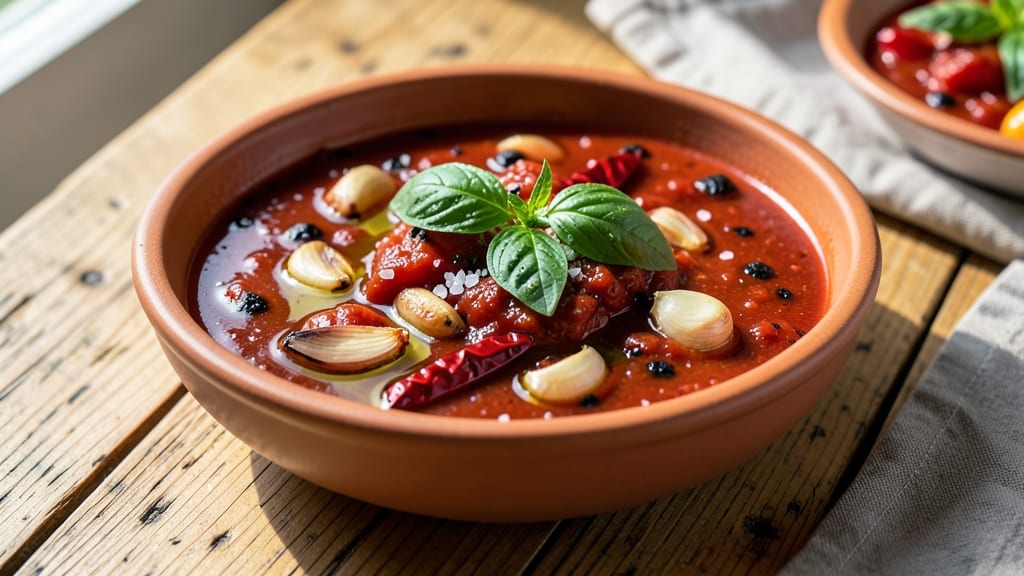
This arrabbiata sauce recipe with fresh tomatoes delivers the perfect balance of fiery heat and bright acidity in just 15 minutes—no canned tomatoes or shortcuts needed.
The secret lies in fresh, ripe tomatoes roasted until sweet and caramelized, then blended with garlic, chili peppers, and high-quality olive oil for a sauce that’s bold yet refined. I developed this recipe after years of testing, ensuring every batch captures that authentic Italian restaurant flavor without the wait.
The process is straightforward but precise: roast the tomatoes until deeply concentrated, then blend with garlic and chili for a smooth, velvety base. Simmering gently allows the flavors to meld, while a splash of pasta water at the end ensures the sauce clings perfectly to noodles.
The result is a sauce that’s vibrant red, aromatic, and packed with layers of spicy-sweet complexity—ideal for tossing with al dente spaghetti or drizzling over grilled meats.
What sets this sauce apart is its versatility—use it immediately for vibrant, restaurant-quality pasta or store it for up to 5 days in the fridge, where the flavors deepen over time.
The fresh tomato base ensures a brighter, more dynamic taste compared to traditional canned versions, while the roasting step adds depth without overpowering the natural acidity. It’s the kind of sauce that transforms a simple meal into something extraordinary.
For those who love arrabbiata but want to customize, adjust the chili heat to your preference or finish with fresh basil for a brighter finish. Here’s how to make it perfectly every time.
Ingredients for arrabbiata sauce recipe fresh tomatoes
Fresh tomatoes, garlic, and chili peppers—just nine ingredients for restaurant-quality arrabbiata sauce.
| Ingredient | Amount | Notes |
|---|---|---|
| Fresh Tomatoes 🍅 | 2 lb | Ripe, vine-ripened, halved |
| Garlic Cloves 🧄 | 6 cloves | Fresh, peeled, roughly chopped |
| Red Chili Peppers 🌶️ | 2 whole | Fresh, like Fresno or jalapeño |
| Extra-Virgin Olive Oil 🫒 | ½ cup | High quality, fruity |
| Fresh Basil Leaves 🌿 | ¼ cup | Packed, stems removed |
| Salt 🧂 | 1 tsp | Kosher or sea salt |
| Black Pepper 🌶️ | ½ tsp | Freshly ground preferred |
| Red Wine Vinegar 🍷 | 1 tbsp | For brightness |
| Pasta Water 🍝 | ½ cup | Reserved from cooking pasta |
Tomatoes are the star—vine-ripened ones from the grocery store's produce section or a farmers market make all the difference. Trader Joe's and Whole Foods usually carry the sweetest varieties, but any ripe, firm tomatoes work. For chili peppers, Fresno or jalapeños give that perfect balance of heat and sweetness. If you can't find fresh, dried arbol peppers rehydrated work in a pinch. The garlic? Freshly roasted with the tomatoes adds a whole new depth—don't skip this step. I always grab extra basil because half gets blended in and half gets torn over the top at the end.
No fresh tomatoes? Roma tomatoes from a can (drained well) can work, but they won't have that same bright acidity. Short on garlic? Garlic powder at half the amount gets you close, but it won't be as aromatic. The olive oil matters here—use something you'd actually drizzle on bread. California olive oil or Colavita are my go-tos, but any high-quality extra-virgin will do. Want to dial down the heat? Remove the seeds from the chili peppers before blending. For extra richness, add a splash of tomato paste (just 1 tbsp) to the blend.
This sauce tastes even better the next day—5 days max in the fridge, sealed tightly. For longer storage, freeze portions in ice cube trays, then transfer to a bag. Thaw overnight in the fridge. The pasta water is key—always reserve a cup while your noodles cook. If you're making extra, freeze it in 1-cup portions so you can grab exactly what you need later. And trust me, you'll want to make extra.
Why You'll Love This Recipe
- No-Chop Necessary: I swear by this—just crush the garlic, halve the tomatoes, and toss them in. The sauce simmers itself into perfection while you’re chopping the basil or setting the table. Honestly, my lazy Sundays thank me every time.
- Spicy-Sweet Magic: That first bite—where the fresh tomatoes’ brightness meets the charred garlic and chili’s slow-building heat? It’s the kind of balance that makes you reach for seconds without thinking. The basil ties it all together like a fresh ribbon.
- Pasta Party Starter: Make a big batch on Sunday, and you’ve got dinner covered for the week. Slather it over spaghetti, toss it with grilled chicken, or even drizzle it on bruschetta. My roommates still ask for “the red sauce” without knowing it’s homemade.
- Pantry-Friendly Powerhouse: A handful of tomatoes, a few cloves, and a chili from the jar (or fresh if you’re feeling fancy) cost pennies but taste like you spent hours. The olive oil’s the real MVP here—rich, fruity, and turning basic ingredients into something special.
Step-by-step instructions for arrabbiata sauce with fresh tomatoes
Here's how to make this fiery, bright sauce that bursts with summer flavor in just minutes.
Prep and Roast the Tomatoes and Peppers
Preheat your oven to 425°F. Cut the 2 lb fresh tomatoes in half, removing the cores, and place them cut-side down on a baking sheet. Add the 2 whole red chili peppers whole (no need to cut them open). Roast for 20-25 minutes until the tomatoes are blistered and the peppers are charred in spots.
This roasting step develops deep, smoky flavors and makes the tomatoes easier to peel. I like to pull them out when they're deeply blistered but still holding their shape—over-roasting can make them mushy. Let them cool slightly before handling, as they'll be very hot.
Sauté the Garlic in Olive Oil
While the tomatoes roast, heat the 0.5 cup extra-virgin olive oil in a large skillet over medium heat. Add the 6 cloves roughly chopped garlic and cook for 1-2 minutes until fragrant but not browned. Watch carefully—garlic burns quickly and turns bitter.
Here's the thing—don't walk away. The moment the garlic starts to turn golden, it's time to move on. You want that sweet, nutty aroma without any bitterness. If it sticks, just add a splash of water to deglaze and scrape up those flavorful browned bits.
Combine Roasted Ingredients and Simmer
Transfer the roasted tomatoes and peppers to the skillet with the garlic oil. Use a spoon to scrape any charred bits from the baking sheet into the pan—those are packed with flavor. Add the 1 tbsp red wine vinegar and bring everything to a gentle simmer over medium-low heat.
Let it cook for 8-10 minutes until the tomatoes break down into a chunky sauce. Stir occasionally, but don't force it—you want some texture in your arrabbiata. The sauce should be vibrant red with visible tomato pieces and peppers. If it gets too thick, add 1-2 tablespoons of pasta water to loosen it.
Finish with Seasoning and Basil
Remove the skillet from heat and stir in the 1 tsp salt, 0.5 tsp black pepper, and 0.25 cup fresh basil leaves. Taste and adjust the seasoning—you might need a bit more salt to balance the acidity from the vinegar and the heat from the peppers.
Let the sauce sit off heat for 5 minutes to allow the flavors to meld. The basil will release its aroma and mellow slightly, adding that fresh, herby brightness that makes arrabbiata special. This resting time makes a big difference in the final flavor—don't skip it!
Adjust Consistency and Serve
Before serving, check the consistency. If the sauce is too thick, stir in more pasta water until it reaches your preferred consistency—it should coat the back of a spoon but still have some body. For extra heat, you can blend some of the sauce until smooth and stir it back in.
Serve immediately over your favorite pasta, like spaghetti or linguine. The sauce should be vibrant, slightly chunky, and packed with that signature kick from the roasted peppers. Each bite should deliver bright acidity, deep tomato flavor, and a gentle warmth from the chili peppers—just like a perfect summer evening in Italy.
Pro Tips For Making Arrabbiata Sauce Recipe Fresh Tomatoes
- Char the Tomatoes First: Cut the tomatoes in half, sprinkle them with a pinch of salt, and place cut-side down in a dry, screaming-hot pan for exactly 2 minutes. The edges will blacken—that’s not a mistake, it’s the flavor. This step concentrates the sweetness and deepens the acidity, so don’t skip it, even if you’re in a hurry.
- Mince Garlic Like You Mean It: I used to add whole cloves to arrabbiata and wonder why the sauce tasted bland. For this dish, finely mince the garlic—think paste, not slivers—so it dissolves completely into the oil. If you’re lazy, smash the cloves with the flat side of your knife first, then chop. The difference is noticeable.
- Control the Chili Heat: Don’t just toss in a whole chili pepper and hope for the best. Seed and finely dice the red chili (or use a mix of dried and fresh), then toast it in the oil for 30 seconds before adding anything else. This mellows the raw spice and prevents the sauce from tasting like a mouthwash commercial. Trust me, you’ll regret it if you don’t.
- Finish with Cold Basil: Tear the basil leaves by hand (don’t chop them—you’re not making pesto) and add them to the sauce only at the very end, off the heat. The heat kills basil’s bright flavor faster than a bad breakup. If you’re serving the sauce immediately, let it sit for 2 minutes first so the leaves wilt slightly—this makes them release their aroma without turning the sauce into a green sludge.
Troubleshooting great arrabbiata sauce recipe fresh tomatoes
Tomatoes Too Watery?
If your sauce ends up too thin, it’s likely because the tomatoes weren’t roasted long enough or you used overly ripe ones. For next time, roast the tomatoes for an extra 5 minutes to concentrate their juices.
You can also simmer the sauce uncovered for 5-10 minutes to evaporate excess moisture. I’ve found that Roma tomatoes hold up better than beefsteak varieties when roasted. 🌡️
Sauce Too Thick?
A thick arrabbiata sauce usually means the tomatoes broke down too much during simmering. To fix it, stir in 1-2 tablespoons of pasta water at a time until it reaches a smooth, clingy consistency.
If you’re making it ahead, reheat with 1-2 tablespoons of water or broth to loosen it. For a smoother texture, blend half the sauce before mixing it back in.
Heat Level Off?
If your sauce lacks heat, the chili peppers might not have been roasted enough or you used mild varieties. Next time, roast the peppers until they’re deeply charred—this intensifies their flavor. For extra kick, add ½ tsp red pepper flakes or a pinch of cayenne powder at the end.
If the heat is too intense, balance it with a splash of red wine vinegar or fresh basil.
Garlic Tasting Bitter?
Bitter garlic happens when it burns during cooking. To prevent this, keep the heat at medium-low and watch closely—it should take just 1-2 minutes to become fragrant.
If it starts to brown, remove it immediately. For a sweeter flavor, try roasting the garlic cloves with the tomatoes instead of sautéing them separately.
Sauce Separating?
Separation usually means the sauce wasn’t blended or simmered enough. For a smoother texture, blend the sauce after simmering for 2-3 minutes until fully emulsified. If it’s already separated, stir in 1 tablespoon of olive oil or a splash of pasta water to bring it back together.
Gently reheating over low heat can also help reintegrate the ingredients.
Flavor Too Mild?
A bland sauce often means the tomatoes weren’t roasted deeply enough or the seasoning was skipped. Next time, roast the tomatoes until they’re almost caramelized and charred in spots. Boost the flavor by adding 1 tbsp tomato paste or a pinch of smoked paprika during simmering.
Taste as you go—adjust salt, pepper, or vinegar to balance the flavors before serving. ✨
Nutrition facts
Frequently asked questions
Can I use canned tomatoes instead of fresh?
Fresh tomatoes give the brightest, most vibrant flavor, but you can use canned Roma tomatoes in a pinch. Drain them well and roast for 10 minutes to concentrate their flavor. The sauce will be slightly less acidic but still delicious. For extra depth, add 1 tbsp tomato paste to the blend.
How do I adjust the heat level?
For milder heat, remove the seeds and membranes from the chili peppers before roasting. For extra kick, add ½ tsp red pepper flakes or blend in 1-2 extra chili peppers. Remember, roasting intensifies the flavor—char the peppers well for maximum heat.
Can I make this sauce ahead of time?
This sauce tastes even better the next day. Store it in an airtight container in the fridge for up to 5 days. For longer storage, freeze portions in 1-cup ice cube trays, then transfer to a bag. Thaw overnight in the fridge before reheating gently over low heat.
What's the best pasta to pair with arrabbiata?
Classic choices are spaghetti or linguine for their long strands that catch the chunky sauce beautifully. For extra texture, try bucatini or penne. Avoid delicate pastas like angel hair—they can get overwhelmed by the sauce's acidity.
Why does my sauce taste bitter?
Bitterness usually comes from overcooked garlic or underripe tomatoes. Keep garlic at medium-low heat for just 1-2 minutes until fragrant. For tomatoes, use ripe, flavorful varieties and roast until deeply blistered but not mushy. A splash of red wine vinegar can also brighten the flavor.