
Sauces & Condiments
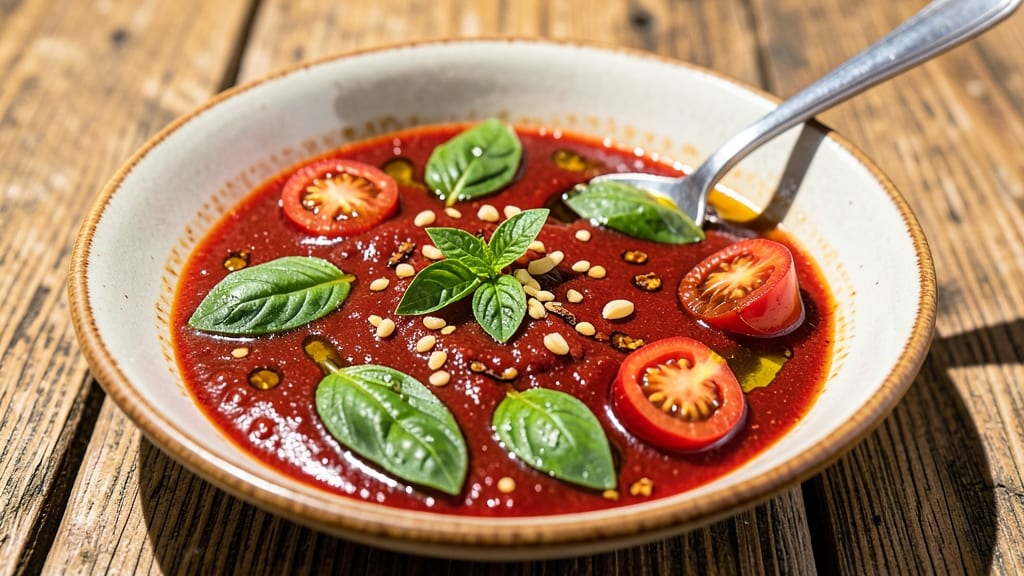
This authentic Italian arrabbiata sauce delivers the bold, spicy tomato heat that makes every bite unforgettable. The secret lies in slow-cooked San Marzano tomatoes, fresh garlic, and chili peppers that meld into a vibrant, fiery sauce—just like Nonna used to make.
Every spoonful balances spicy kick with bright basil freshness, transforming simple dishes into restaurant-quality meals.
The sauce starts with a simple base of olive oil, garlic, and chili flakes, but it's the 30-minute simmer that develops deep, complex flavors. No shortcuts here—just authentic technique that builds layers of spice and sweetness.
The key is using quality tomatoes and letting the sauce reduce naturally for maximum intensity.
What you'll end up with is a rich, velvety sauce with just the right amount of heat—enough to wake up your taste buds without overwhelming them.
The fresh basil added at the end keeps it bright and aromatic, cutting through the spice beautifully. This isn't just a sauce; it's a flavor experience.
Perfect for tossing with pasta, drizzling over grilled meats, or even using as a marinade, this arrabbiata sauce keeps well in the fridge for up to 5 days or freezes beautifully for months. Let's get cooking!
Ingredients for authentic italian arrabbiata sauce
Eight ingredients, one powerful sauce—where bold tomato heat meets fresh basil brightness.
| Ingredient | Amount | Notes |
|---|---|---|
| Extra-Virgin Olive Oil 🫒 | ½ cup | High-quality, fruity variety |
| San Marzano Tomatoes 🍅 | 28 oz | Canned, whole peeled tomatoes |
| Garlic Cloves 🧄 | 4 cloves | Fresh, peeled and minced |
| Dried Chili Flakes 🌶️ | 1 tbsp | Crushed between fingers for heat |
| Fresh Basil Leaves 🌿 | ¼ cup | Packed, stems removed |
| Red Wine Vinegar 🍷 | 1 tbsp | Bold, dry variety preferred |
| Kosher Salt 🧂 | 1 tsp | Diamond Crystal preferred |
| Black Peppercorns 🌶️ | ½ tsp | Freshly cracked |
The tomatoes are non-negotiable here. San Marzano is worth the splurge—they're sweeter, meatier, and packed with flavor. Grab a 28-oz can from the Italian section at Whole Foods or Trader Joe's. The vinegar adds depth, so go for a bold, dry red wine variety. Fresh basil? Farmers market has the best—bright green leaves with no wilting. Skip the dried stuff; it can't match the freshness. For the chili flakes, Penzeys or any Italian market will have the good stuff—none of that dusty red powder.
No San Marzano? Crushed tomatoes in a can work in a pinch, but drain them well. Red wine vinegar missing? Balsamic vinegar at half the amount adds sweetness but loses the acidity. Fresh basil wilted? Dried basil at one-third the amount is better than nothing. The garlic can be roasted for a sweeter flavor—just toss whole cloves in olive oil at 400°F for 10 minutes. And if you're worried about heat, reduce the chili flakes to 1/2 tbsp—you can always add more later.
This sauce tastes even better the next day as the flavors meld. Store in an airtight container in the fridge for up to 5 days. For longer storage, freeze in ice cube trays—perfect for single portions. Reheat gently on the stove, stirring occasionally. The basil will wilt when reheated, so always add fresh leaves at the end. If you make a big batch, freeze half immediately—it keeps for 3 months and makes quick weeknight dinners a breeze.
Why You'll Love This Recipe
- Minimal Chopping Required: I swear by this—just crush garlic, tear basil, and toss in whole chili flakes. No dicing, no stress, just pure, hands-off flavor.
- That Garlic-Basil Heat: The moment the San Marzano tomatoes hit the pan with olive oil and garlic? Chef’s kiss. The chili flakes add just enough kick to wake up your taste buds without overpowering—it’s the kind of balance that makes you reach for seconds.
- Weeknight to Weekend: Slap this on spaghetti for a Tuesday night or drizzle it over grilled chicken for a Sunday dinner. It’s the same sauce, but the vibe changes entirely—no rules, just results.
- Budget-Friendly Pantry Hero: A single can of San Marzano tomatoes and a clove of garlic stretch this sauce farther than you’d think. Freeze leftovers in ice cube trays for instant flavor boosts later—because why buy jars of sauce when you can make it better?
Step-by-step instructions for authentic Italian arrabbiata sauce
Here's the classic Roman technique that delivers bold, spicy flavor with perfect balance.
Sauté Garlic in Olive Oil Until Fragrant
Heat the 0.5 cup extra-virgin olive oil in a heavy-bottomed saucepan over medium-low heat. Add the 4 cloves minced garlic and sauté for 1-2 minutes until the garlic turns a pale golden color and releases its aroma—this prevents burning while building flavor. The oil should shimmer but not smoke, and you'll smell that irresistible garlic scent before you see the color change.
Watch closely here: garlic burns faster than you think. If the oil starts to bubble vigorously or the garlic darkens, immediately reduce the heat to low and stir constantly until it cools slightly. This step is the foundation of your sauce, so take your time to get it right.
Add Chili Flakes and Tomatoes
Increase heat to medium-high and add the 1 tablespoon dried chili flakes, stirring constantly for 30 seconds to toast them lightly. This quick toasting deepens their heat and aroma—you'll see them darken slightly and smell their spicy essence. Immediately add the 28 oz San Marzano tomatoes (crushed by hand or with a wooden spoon) and stir to combine.
Bring the mixture to a gentle simmer, then reduce heat to medium-low. The tomatoes should bubble softly for 15-20 minutes as they break down and release their juices. Stir occasionally to prevent sticking, and taste after 10 minutes—this is when you'll start to develop the sauce's signature tangy depth.
Season and Simmer Until Thickened
Add the 1 tablespoon red wine vinegar, 1 teaspoon kosher salt, and 0.5 teaspoon freshly cracked black peppercorns. Stir well and let the sauce simmer uncovered for 25-30 minutes until it thickens to a rich, glossy consistency. You're looking for a sauce that coats the back of a spoon and has reduced by about one-third—it should cling to pasta rather than pool in the bottom of the pan.
Here's where authenticity matters: traditional arrabbiata doesn't need heavy cream or butter. The acidity from the vinegar and the natural sweetness of the tomatoes create the perfect balance. Taste and adjust seasoning—you might need a pinch more salt or a few extra chili flakes to achieve that signature "spicy kick" that defines the sauce.
Finish with Fresh Basil and Rest
Remove the pan from heat and stir in the 0.25 cup packed fresh basil leaves. Let the sauce sit off the heat for 5 minutes—this allows the flavors to meld completely. The basil will soften slightly and infuse the sauce with its bright, aromatic essence. Give it one final taste and adjust if needed, though the basil should add just the right freshness to balance the spice.
For best results, let the sauce rest for 10-15 minutes before serving. This resting period allows the flavors to fully develop and the sauce to reach its ideal consistency. The longer it sits, the more complex and harmonious the flavors become. Serve immediately over al dente pasta for the ultimate authentic experience.
Pro Tips For Making Authentic Italian Arrabbiata Sauce
- Bloom the Chili: DESCRIPTION: Toss the dried chili flakes into the hot oil first—let them sizzle for 10 seconds until fragrant. This wakes up their heat and aroma before the garlic hits, so the sauce doesn’t taste like burnt chili powder later. (Yes, even if you’re impatient like me.)
- Crush Garlic Like a Pro: DESCRIPTION: Use a flat side of your knife to smash the garlic cloves into a paste before mincing—no food processor. This keeps them from burning while releasing more flavor into the oil. I learned this the hard way after one batch tasted bitter.
- Simmer, Don’t Boil: DESCRIPTION: Keep the sauce at a gentle simmer, not a rolling boil—just enough bubbles to break the surface occasionally. Boiling turns it watery and dulls the acidity of the San Marzano tomatoes. Low and slow makes all the difference.
- Salt the Tomatoes Twice: DESCRIPTION: Add half the salt when crushing the tomatoes, then finish with the rest at the end. This balances the acidity as it cooks, so the sauce doesn’t taste sharp or flat. (Your future self will thank you.)
Common mistakes when making this dish
Overcooking the Garlic
One of the most common mistakes is letting that garlic burn—it turns bitter and ruins your sauce before it even starts. I’ve seen people walk away for just a minute while the garlic sizzles, and poof—instant flavor disaster.
Keep the heat at medium-low and watch those cloves like a hawk. They should be golden, not brown. If they start to darken too quickly, immediately reduce the heat to low and stir constantly until they cool slightly. 🌡️
Skipping the Vinegar
Some recipes omit vinegar, but that’s a big mistake—it’s what gives arrabbiata its signature tangy depth. The 1 tablespoon red wine vinegar cuts through the richness of the tomatoes and enhances the chili heat.
If you skip it, your sauce will taste flat and one-dimensional. Don’t substitute with balsamic unless you want a sweeter, less acidic profile. Trust me, the vinegar is non-negotiable for authentic flavor.
Using Low-Quality Tomatoes
Not all tomatoes are created equal, and arrabbiata demands the best. If you grab just any can of crushed tomatoes, you’ll end up with a watery, bland sauce. San Marzano tomatoes are the gold standard—they’re sweeter, meatier, and have fewer seeds.
If you can’t find them, at least choose a high-quality crushed tomato with no added salt or preservatives. The difference in flavor is night and day. 🍅
Rushing the Simmering Time
Some people think arrabbiata sauce is quick to make, so they crank up the heat and rush through the simmering. Big mistake! The 25-30 minutes of simmering is where the magic happens—the flavors meld, the sauce thickens, and the acidity develops.
If you rush it, you’ll end up with a thin, watery sauce that lacks depth. Patience is key here—let it simmer gently and reduce naturally.
Adding Basil Too Early
Fresh basil is what gives arrabbiata its bright, aromatic finish, but adding it too soon can turn it mushy and lose its freshness. Always stir in the basil right at the end, just before serving.
If you add it during cooking, it’ll wilt and lose its vibrant flavor. Save it for the final step to keep that fresh, herbaceous punch. 🌿
Ignoring the Resting Period
After you finish cooking, some people are eager to serve the sauce immediately. But arrabbiata needs time to rest—10-15 minutes—so the flavors can fully develop and the sauce can reach its ideal consistency.
Skipping this step means you’ll miss out on that deep, complex flavor profile. Let it sit, and you’ll notice a world of difference in the final result.
Nutrition facts
Frequently asked questions
Can I make arrabbiata sauce without fresh basil?
Yes, but dried basil won't give the same bright, aromatic finish. Use 1 teaspoon dried basil instead of 0.25 cup fresh, but add it at the very end and reduce the amount by one-third. For extra freshness, try a pinch of basil-infused olive oil (steep dried basil in warm oil for 10 minutes) instead.
How do I adjust the heat level?
Start with the 1 tablespoon chili flakes for medium heat. For milder sauce, reduce to 0.5 tablespoon, and for extra spice, add 1-2 chopped fresh red chili peppers with the garlic. Remember, you can always add more chili flakes later, but you can't remove excess heat!
What's the best pasta to serve with arrabbiata?
Traditional choices are spaghetti or linguine for classic arrabbiata, but bucatini or tonnarelli work beautifully too. For extra texture, try orecchiette or rigatoni. The key is al dente pasta that holds up to the sauce without turning mushy.
Can I make arrabbiata sauce without vinegar?
While possible, it won't be authentic. The 1 tablespoon red wine vinegar is crucial for balance—it brightens the tomatoes and enhances the chili heat. For a substitute, use 0.5 tablespoon lemon juice, but the flavor won't be identical. The sauce will taste flatter without the acidity.
How long can I store homemade arrabbiata sauce?
In an airtight container in the fridge, it keeps for 5 days with flavors improving over time. For longer storage, freeze in ice cube trays—perfect for single portions. Thaw overnight in the fridge and reheat gently. The basil will wilt when frozen, so always add fresh leaves before serving.