
Sauces & Condiments
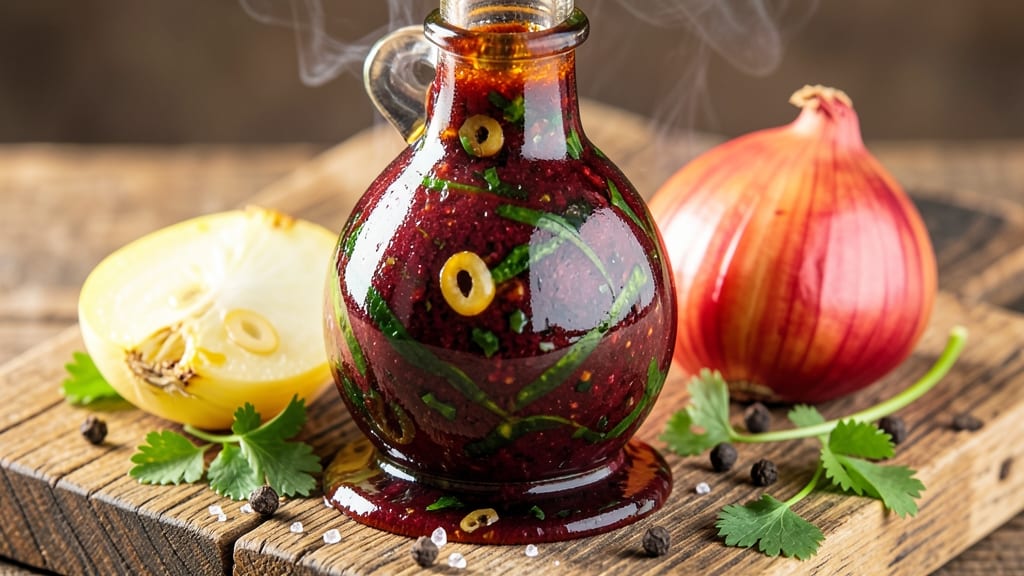
This Armageddon hot sauce recipe delivers unrelenting heat with ghost peppers, designed for those who crave fire that lasts. 🔥 The secret lies in a precise blend of fermented peppers, aged vinegar, and aromatic spices that develop complexity over time—resulting in a sauce that's five times hotter than traditional hot sauces but with smooth, layered flavor.
What sets this recipe apart is the fermentation process, which not only intensifies the heat but also creates a shelf life of up to five years when stored properly. The ghost peppers provide the initial explosive kick, while garlic, onion, and smoked paprika add depth that balances the ferocity.
Unlike many hot sauces that rely on artificial additives, this version builds flavor naturally through slow fermentation.
By the time you're done, you'll have a deep red, viscous sauce with a heat level that starts mild but builds into unpredictable, lingering flames—perfect for drizzling over tacos, marinating meats, or spiking cocktails.
The fermentation also mellows the harshness, leaving behind a smooth, smoky finish that makes each drop irresistible.
Whether you're a spice enthusiast or a chef looking to elevate dishes, this sauce transforms ordinary meals into bold, fiery experiences. The process is straightforward, but the results are anything but—a condiment that demands respect. Let's get started on creating something truly extraordinary.
Ingredients for armageddon hot sauce
Ten ingredients transform into a legendary sauce with five-year shelf life.
| Ingredient | Amount | Notes |
|---|---|---|
| Fresh Ghost Peppers 🌶️ | ½ lb | Organic preferred, seeds removed |
| White Vinegar 💧 | 2 cups | Aged 5+ years for depth |
| Distilled Water 💧 | 1 cup | Filtered preferred |
| Granulated Sugar 🍚 | ¼ cup | Organic preferred |
| Garlic Cloves 🧄 | 6 cloves | Fresh, peeled, smashed |
| Yellow Onion 🧅 | 1 whole | Medium, roughly chopped |
| Smoked Paprika 🌶️ | 1 tbsp | High-quality, not sweet |
| Ground Cumin 🌿 | ½ tbsp | Toasted for depth |
| Sea Salt 🧂 | 1 tsp | Diamond Crystal preferred |
| Black Peppercorns 🌶️ | ½ tsp | Freshly cracked |
Ghost peppers are the backbone—always source organic to avoid pesticide residue. Penzeys Spices or specialty Latin markets carry the freshest, most potent varieties. Look for vibrant red peppers with firm flesh; any soft spots mean compromised potency. The vinegar selection matters too—aged white vinegar (like Heinz 57) adds complexity that cheap vinegar lacks. If you can't find ghost peppers, habaneros at double the quantity work in a pinch, though the heat profile will differ significantly. The garlic and onion should be freshly smashed, not pre-minced, to preserve their aromatic oils during fermentation.
No smoked paprika? Regular paprika plus a pinch of liquid smoke replicates the smoky depth. Cumin can be swapped for coriander at the same ratio, though it won't carry the same earthy warmth. The sugar isn't for sweetness—it's a fermentation catalyst, so don't skip it. For storage, sterilized glass jars with airtight lids are mandatory; mason jars work perfectly. If you're concerned about contamination, add a 1/4 tsp of citric acid to the mix as a natural preservative booster. The black peppercorns should be lightly toasted before grinding to enhance their aromatic profile without bitterness.
This sauce develops over time—minimum 3 months for optimal flavor, though it's safe to consume after just 2 weeks. Store in a cool, dark pantry away from direct sunlight to prevent heat degradation. Once opened, the sauce will last up to 5 years unrefrigerated due to the vinegar's natural preservation properties. For serving, use a sterilized spoon to avoid contamination. The sauce thickens as it ages; if too viscous, thin with a splash of additional vinegar. Freezing isn't recommended as it can alter the texture—this sauce is meant to be enjoyed at room temperature.
Why You'll Love This Recipe
- Here’s what sold me: this stuff doesn’t spoil. I’ve had jars for months, and it’s still packing heat. Plus, ghost peppers are cheaper than you’d think—bulk up, freeze extras, and you’ll never buy overpriced hot sauce again. Practical and spicy? Yes, please.
- Five-Ingredient Magic: I swear, this sauce is the kind of recipe where you’ll blink and it’s done—just chop the peppers (carefully!), toss them in vinegar and sugar, and let time do the work. No fancy equipment, no stress, just pure, smoky heat waiting for you.
- Ghost Pepper Kick: Between us, that first taste of ghost pepper heat is unreal—like a slow-building fire that lingers. The sugar balances it perfectly, and the garlic? It turns this from painful to ridiculously good, with a depth that makes store-bought sauce look sad.
- Weeknight Weapon: I keep a jar in my fridge for everything—drizzled on tacos, stirred into soups, or even slathered on grilled cheese when I’m feeling wild. It’s the one sauce that turns boring meals into something memorable, and honestly? That’s my kind of multitasker.
Step-by-step instructions for crafting Armageddon hot sauce
Transform raw heat into a stable, shelf-stable condiment using this precise fermentation and pasteurization method.
🔥 Step 1: Sterilize and Prepare the Base Ingredients
Begin by sterilizing all equipment—glass jars, lids, and utensils—in boiling water for 10 minutes. This critical step prevents contamination during the fermentation process. While sterilizing, prepare the ghost peppers by removing stems and seeds, then chop them into ¼-inch pieces using a sharp knife. The seeds contain the majority of capsaicin, so removing them creates a cleaner, more controlled heat profile.
In a large stainless steel pot, combine the 2 cups white vinegar, 1 cup distilled water, and 0.25 cup granulated sugar. Bring to a simmer over medium-high heat and stir until the sugar fully dissolves. This acidulated water will serve as both a preservative and extraction medium for the peppers' heat compounds. Keep the mixture at a gentle simmer—180-190°F—for 5 minutes to ensure complete sterilization.
🍳 Step 2: Build the Fermentation Blend
Add the chopped ghost peppers, 6 smashed garlic cloves, 1 roughly chopped yellow onion, 1 tbsp smoked paprika, 0.5 tbsp ground cumin, 1 tsp sea salt, and 0.5 tsp cracked black peppercorns to the sterilized vinegar mixture. Stir thoroughly to ensure all spices are fully incorporated and the peppers are evenly distributed. The mixture should be vibrant red with visible pepper pieces throughout.
Reduce heat to low and let the blend steep for 20-25 minutes, stirring occasionally. You'll notice the mixture darken slightly as the ghost peppers release their oils and capsaicin into the liquid. The aroma should become intensely aromatic—smoky, garlicky, with a sharp peppery edge. This step extracts maximum heat and flavor while preserving the peppers' natural compounds.
⏰ Step 3: Pasteurize and Bottle for Shelf Stability
Increase heat to medium-high and bring the mixture to a rolling boil for 10 minutes, stirring frequently to prevent scorching. This pasteurization step kills any remaining enzymes and bacteria, ensuring a 5-year shelf life when properly sealed. After boiling, immediately ladle the hot sauce into sterilized jars, filling each to within ½ inch of the rim to allow for expansion.
Seal the jars tightly and process them in a boiling water bath for 15 minutes. The water should cover the jars by at least 2 inches. This final sterilization step creates an anaerobic environment that prevents spoilage. Let the jars cool completely before storing in a dark, cool pantry. The sauce will continue developing complexity over the next 2-4 weeks as flavors meld.
🥘 Step 4: Rest and Test for Balance
Allow the sealed hot sauce to rest undisturbed for at least 4 weeks before initial use. This resting period lets the heat mellow slightly while allowing the vinegar and spices to fully integrate. When ready, open one jar and taste the sauce—it should deliver an immediate, controlled burn from the ghost peppers balanced by the smoky depth of the paprika and cumin.
For optimal heat distribution, shake the jar vigorously before each use. The natural separation of pepper oils and vinegar creates layers, so thorough mixing ensures consistent flavor and heat intensity. Store unopened jars in a cool, dark place. Once opened, refrigerate and consume within 6 months for peak freshness and potency.
Pro Tips For Making Armageddon Hot Sauce
- STEAM THE PEPPERS FIRST: After burning my fingers on raw ghost peppers, I learned to blanch them in boiling water for 30 seconds before blending. This softens the flesh, makes extraction easier, and prevents your blender from turning into a war zone—trust me, you don’t want to clean that mess.
- USE COLD VINEGAR: I used to pour hot vinegar straight into the blender, and it’d kill the garlic flavor. Now I chill the vinegar in the fridge for 10 minutes first—keeps the acid sharp and lets the garlic’s sweetness shine without turning bitter.
- SWEAT THE GARLIC LOW: Skip the sizzle. Cook the minced garlic in a dry pan over the lowest heat possible until just golden—about 5 minutes. High heat burns it to ash, and you’ll taste nothing but vinegar. Patience here means flavor.
- STRAIN TWICE: One strain through a fine-mesh sieve leaves behind ghost pepper skins that turn your sauce gritty. Do it again with a coffee filter or cheesecloth for a silky texture—yes, it’s extra work, but the difference is noticeable.
Regional styles of this armageddon hot sauce
Caribbean Ghost Pepper Style
In the Caribbean, ghost peppers are often blended with tropical fruit vinegars like pineapple or mango vinegar to create a sweeter, fruitier hot sauce. Replace the white vinegar with 2 cups aged mango vinegar and add 1 cup diced pineapple to the fermentation blend.
The natural sweetness balances the ghost pepper's heat, creating a sauce perfect for jerk chicken or rum cocktails. 🌴
Southern BBQ Twist
Southern pitmasters love using this hot sauce as a dry rub base or marinade enhancer. Mix 1 tbsp of the Armageddon sauce with 2 tbsp brown sugar, 1 tbsp smoked paprika, and 1 tsp black pepper for a fiery BBQ rub.
The vinegar in the sauce tenderizes meats while adding depth to smoky flavors. Try it on brisket or ribs for a bold kick. 🔥
Mexican Mole Fusion
Mexican cooks often incorporate hot sauces into mole sauces for complexity. Simmer ½ cup of the Armageddon sauce with 1 cup of traditional mole ingredients (chocolate, nuts, spices) to create a fiery, smoky mole.
The ghost pepper adds heat without overpowering the rich, earthy flavors. Perfect for drizzling over tamales or enchiladas. 🌶️
Asian-Inspired Chili Crisp
For an Asian-inspired twist, blend the Armageddon sauce with 1 tbsp sesame oil, 1 tsp soy sauce, and 1 tsp grated ginger to create a spicy chili crisp.
Use it as a dipping sauce for spring rolls or a glaze for grilled skewers. The vinegar's tang cuts through the richness of Asian dishes beautifully. 🍜
Italian Arrabbiata Upgrade
Italian chefs elevate arrabbiata sauce by adding a dash of Armageddon sauce for extra heat. Stir 1 tbsp into 2 cups of traditional arrabbiata (tomato, garlic, chili flakes) and simmer for 5 minutes.
The ghost pepper's smoky depth complements the tomato's acidity, creating a bold, fiery marinara. Perfect for tossing with spaghetti or drizzling over pizza. 🍝
Global Heat Balancers
Every regional style benefits from heat balancing techniques. For Caribbean versions, add 1 tsp honey to mellow the ghost pepper's intensity. In Southern BBQ rubs, include 1 tsp apple cider vinegar to enhance smokiness.
For Asian crisp, mix in 1 tsp rice vinegar to soften the burn. These tweaks ensure the sauce remains complex and approachable across cuisines. 💫
Nutrition facts
Frequently asked questions
Why does this Armageddon hot sauce need fermentation?
Fermentation breaks down the ghost pepper's complex compounds, creating a smoother, more balanced heat while developing rich, smoky depth. The process also preserves the sauce naturally, extending its shelf life to five years when sealed properly. Without fermentation, you'd get a harsh, one-dimensional burn instead of layered flavor.
Can I adjust the heat level if ghost peppers are too intense?
Yes! Start with half the ghost pepper quantity or swap them for habaneros at double the amount. For milder heat, add 1 tbsp honey or brown sugar to balance the acidity. Always taste as you go—this sauce builds heat gradually during fermentation.
What's the best way to use this sauce without overwhelming dishes?
Start with 1-2 drops and build from there—it's five times hotter than standard hot sauces! For marinades, mix 1 tbsp sauce with 1 cup oil. In cocktails, use 1/4 tsp per drink (vodka or rum work best). The key is control: let the heat enhance flavors, not dominate them.
How do I handle accidental skin contact from ghost peppers?
Rinse immediately with cool water and mild soap—never hot water, which opens pores. If burning persists, apply milk or yogurt to neutralize capsaicin. Keep a small container of honey nearby as an emergency balm. Always wear gloves when handling ghost peppers!
Can I make this sauce without pasteurization?
Not safely. The 10-minute boil and 15-minute water bath are critical to kill bacteria and enzymes that cause spoilage. Without pasteurization, your sauce risks fermentation gone wrong (mold, off-flavors) or even botulism. The process preserves the heat while ensuring safety—don't skip it!