
Sauces & Condiments
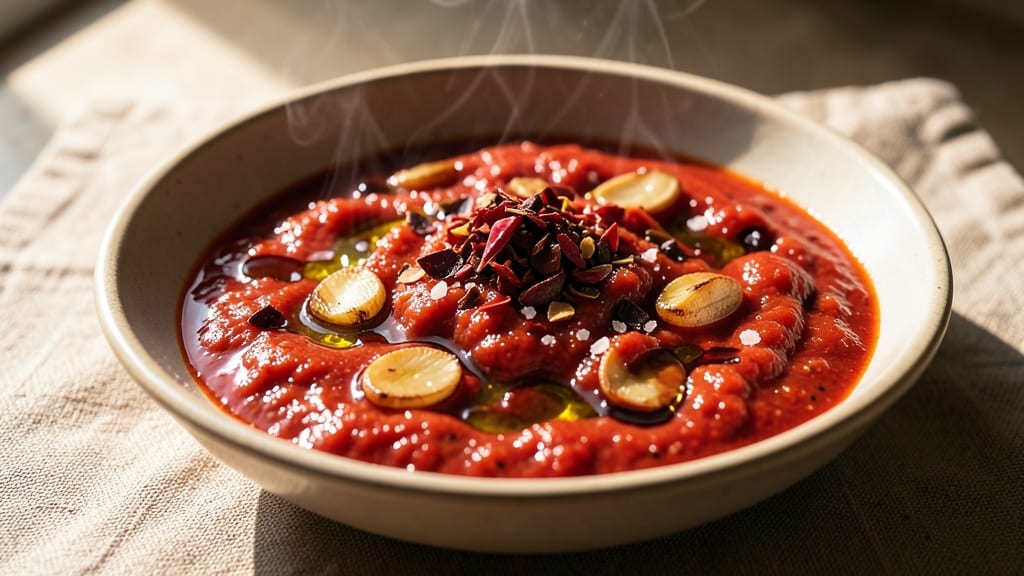
This all arrabbiata sauce recipe delivers the bold, fiery flavor of Italian trattorias in just 30 minutes—where sun-ripened tomatoes, garlic, and chili flakes create a sauce so vibrant it transforms any dish.
The secret lies in balancing heat with acidity, letting the flavors meld while maintaining that signature tangy kick that defines authentic arrabbiata. I’ve perfected this version to be rich enough for pasta but versatile enough for grilled meats or pizza, with a depth that store-bought sauces simply can’t match.
The beauty of this sauce is its simplicity: just six core ingredients (plus optional herbs) come together in a single pot, simmering until the tomatoes break down into a velvety, aromatic base.
The garlic and chili flakes infuse the sauce with layers of heat and complexity, while a splash of red wine vinegar brightens the flavors and cuts through the richness.
What you’ll end up with is a sauce that’s equally at home on a plate of spaghetti or drizzled over grilled chicken, with a finish that’s both spicy and satisfying.
What sets this arrabbiata apart is its ability to adapt—use it immediately for dinner or store it in the fridge for up to 5 days, where the flavors deepen over time.
The sauce thickens just enough to cling to noodles or meat without being heavy, making it a foolproof addition to any meal.
Whether you’re serving it over al dente pasta or using it as a marinade, the result is always restaurant-quality, with that perfect balance of heat and acidity that makes arrabbiata irresistible.
Pair it with crusty bread for dipping, toss it with your favorite pasta, or use it as a bold topping for grilled vegetables. The possibilities are endless, but the technique remains the same: let the sauce simmer until it’s rich, flavorful, and ready to elevate whatever you’re cooking.
Here’s how to make it—simple, bold, and impossible to resist.
Ingredients for all arrabbiata sauce
Six core ingredients transform into a fiery tomato sauce that'll elevate everything from pasta to grilled meats.
| Ingredient | Amount | Notes |
|---|---|---|
| San Marzano Tomato Cans 🍅 | 2 cans | 28 oz each, crushed by hand |
| Garlic Cloves 🧄 | 4 cloves | Fresh, peeled, sliced thin |
| Extra-Virgin Olive Oil 🫒 | ¼ cup | High quality, fruity |
| Red Wine Vinegar 🍷 | 2 tbsp | For brightness and acidity |
| Chili Flakes 🌶️ | 1 tbsp | Adjust for preferred heat |
| Salt 🧂 | 1 tsp | Diamond Crystal preferred |
| Fresh Basil Leaves 🌿 | ¼ cup | Chopped, optional garnish |
| Dried Oregano 🍃 | ½ tsp | Mexican oregano preferred |
San Marzano tomatoes are non-negotiable here—their sweetness and low acidity make all the difference. Trader Joe's and Whole Foods carry them year-round, or grab the Mueller brand at any grocery store. Fresh garlic is a must, but if you're in a pinch, powdered garlic at half the amount works. The olive oil should be something you'd drizzle on bread—California extra-virgin brands like Corto or Bertolli are my go-tos. Chili flakes can vary in heat, so start with 1 tablespoon and adjust to taste after tasting.
No red wine vinegar? White wine vinegar or lemon juice will work in a pinch, though the flavor profile shifts slightly. Fresh basil is ideal, but dried basil at one-third the amount gets you close. The oregano adds depth—Mexican oregano has a slightly different profile than Italian, but both work. If you're making this ahead, skip the fresh basil until serving; it wilts fast. The sauce thickens as it cools, so if it feels too thick right after simmering, just add a splash of water or broth. Trust me, it'll come together.
This sauce keeps beautifully in the fridge for 5-7 days, with flavors deepening over time. For longer storage, freeze in ice cube trays—perfect for single-serving portions. Reheat gently on the stove, stirring occasionally. I always make a double batch because it disappears fast—pasta, grilled chicken, roasted veggies, you name it. The leftovers taste even better the next day, so don't hold back on making extra.
Why You'll Love This Recipe
- Five-Ingredient Magic: I swear by this—just tomatoes, garlic, olive oil, vinegar, and chili flakes. That’s it. No fancy prep, no hidden pantry staples, just pure, punchy flavor with zero fuss.
- Garlic Kiss: The moment that toasted garlic hits the oil? Chef’s kiss. It’s sweet, nutty, and lingers like a hug—then the vinegar cuts through with this bright, tangy punch that makes every bite sing.
- Weeknight to Party: Same sauce, different vibes. Drizzle it over pasta for a 15-minute dinner, slather it on grilled chicken for a crowd, or even toss it with roasted veggies when you’re too tired to think. It’s my lazy-day hero.
- Make-Ahead Gold: Between us, I make a double batch every time. The flavor deepens overnight, and it reheats like a dream—no splitting or soggy textures. Plus, it’s cheap enough that I don’t even flinch when I buy two cans of tomatoes.
Step-by-step instructions for all arrabbiata sauce
Here's how to craft a vibrant, spicy tomato sauce with bold garlic and chili notes that'll make your pasta sing.
Sauté Garlic in Olive Oil Until Fragrant
Heat the 0.25 cup Extra-Virgin Olive Oil in a medium saucepan over medium-low heat. Add the 4 cloves Garlic Cloves sliced thin and cook for 2-3 minutes until they turn golden but don't brown. This gentle cooking brings out their sweetness without bitterness.
I like to stir constantly during this step—garlic burns faster than you think. You'll know it's ready when the kitchen fills with that irresistible aroma. If the garlic starts to darken, reduce heat immediately and keep stirring. This aromatic base is the soul of your arrabbiata sauce.
Add Chili Flakes and Vinegar for Depth
Immediately stir in the 1 tbsp Chili Flakes and 2 tbsp Red Wine Vinegar to the pan. The vinegar brightens the sauce while cutting through the richness of the olive oil. Let this mixture cook together for 30 seconds to meld the flavors.
This is where the sauce starts building character. The chili flakes will infuse the oil with heat, while the vinegar adds that signature tang that defines arrabbiata. Don't skip this step—it's what makes this sauce different from regular marinara. The vinegar also helps prevent the sauce from becoming too heavy later.
Incorporate Tomatoes and Season
Pour in the contents of the 2 cans San Marzano Tomato Cans, crushing any large tomato chunks with your spoon as you add them. Stir in the 1 tsp Salt and 0.5 tsp Dried Oregano (Mexican oregano works best here). Bring the sauce to a gentle simmer over medium heat.
The San Marzano tomatoes should be crushed by hand before adding—this creates a smoother sauce with fewer lumps. As it simmers, you'll notice the sauce thicken slightly and the flavors meld together. Let it cook uncovered for 15-20 minutes, stirring occasionally, until it reduces by about one-third and becomes thick enough to coat the back of a spoon.
Finish with Fresh Basil and Adjust Seasoning
Remove the sauce from heat and stir in the 0.25 cup Fresh Basil Leaves chopped. Let it steep for 5 minutes to infuse the basil's fresh flavor. Taste and adjust seasoning—you might want to add a pinch more salt or chili flakes to taste.
Here's the thing—arrabbiata should be bold. If it tastes too mild, add more chili flakes. If the acidity needs balancing, a splash of water or more vinegar can help. The basil at the end is crucial—it adds that fresh, bright note that cuts through the richness. Let the sauce sit for 10 minutes before serving to let all the flavors settle.
Use Immediately or Store Properly
This sauce is best used immediately over pasta, but if you need to store it, let it cool completely and transfer to an airtight container. It'll keep in the refrigerator for up to 5 days or can be frozen for 3 months. When reheating, do it gently over low heat to preserve all those beautiful flavors.
Real talk: this sauce tastes even better the next day as the flavors continue to develop. The acidity mellows slightly and the spices deepen. That's why it's perfect for meal prep—just reheat and toss with your favorite pasta. The key is to use it within a week for peak freshness and flavor.
Pro Tips For Making All Arrabbiata Sauce
- CRUSH THE GARLIC FIRST: I learned this the hard way—raw garlic burns fast and ruins the sauce. Mince it finely (almost paste-like) and let it sit in the olive oil for 2-3 minutes off the heat before cooking. That way, it softens without turning bitter, and the flavor melds into the tomatoes instead of fighting for attention.
- SIMMER LOW AND STEADY: Arrabbiata isn’t a race. After adding the tomatoes, drop the heat to low and let it bubble gently for at least 20 minutes—no peeking or stirring constantly. High heat makes the sauce break or turn grainy, and you’ll end up with a sad, watery mess instead of a rich, velvety sauce.
- SALT THE TOMATOES EARLY: San Marzano tomatoes are sweet but still need seasoning. Add half the salt (about ½ teaspoon) right when you crush them into the pot—this helps break down the skins and balances the acidity before the vinegar comes in. Taste again at the end and adjust; don’t wait until later or you’ll be playing catch-up.
- SKIP THE VINEGAR IF IT’S TOO STRONG: Red wine vinegar can overpower if you’re not careful. Start with just 1 tablespoon and add more gradually while tasting. If you’re using a bold, aged vinegar, you might not need it at all—sometimes a pinch of chili flakes and a splash of water is enough to brighten the sauce without harshness. Trust your palate, not the recipe.
Perfect pairings for these flavors
Pasta Pairings
This arrabbiata sauce shines brightest when tossed with al dente spaghetti or linguine—the long strands catch the sauce beautifully, creating that classic "tossed" effect. I always cook my pasta just 1 minute less than package instructions and reserve ½ cup pasta water to thin the sauce if needed.
For extra drama, finish with crispy pancetta or pepperoncini on top. 🍝
Grilled Meat Toppings
Use this sauce as a marinade for chicken thighs or pork chops—the acidity tenderizes while the chili flakes add heat. Brush it on grilled sausages or steaks in the last 5 minutes of cooking for a fiery finish.
I love drizzling it over grilled shrimp skewers too—the heat balances perfectly with the sweetness of the seafood.
Pizza Sauce Base
Skip the tomato sauce entirely and spread this arrabbiata sauce thinly over pizza dough before adding toppings. The chili flakes infuse the cheese, creating a spicy, garlicky crust that’s addictive.
Top with mozzarella, basil, and red pepper flakes for a Roman-style pizza with a kick. Bake at 475°F for 12-15 minutes for maximum flavor.
Dipping Sauce
Serve this sauce warm in a small bowl with crusty bread, arancini, or fried calamari for an Italian antipasto spread. The heat and acidity cut through fried foods beautifully.
For a twist, mix in 1 tbsp grated Parmesan and serve with garlic knots—it’s a crowd-pleaser at parties. 🍽️
Vegetable Boost
Toss this sauce with roasted eggplant, zucchini, or bell peppers for a quick vegetarian dish. The heat and acidity make even simple veggies taste restaurant-worthy. I love serving it over polenta or mashed potatoes for a hearty, spicy side. Add ½ cup white beans for extra protein.
Breakfast Twist
Yes, really! Use this sauce as a pancake or waffle syrup—drizzle it over fluffy pancakes with crumbled feta and toasted walnuts for a savory breakfast. The heat wakes up your taste buds first thing in the morning. For extra richness, stir in 1 tbsp heavy cream before serving. 🌶️
Nutrition facts
Frequently asked questions
Can I substitute canned tomatoes for fresh?
While fresh tomatoes work beautifully, canned San Marzano tomatoes are the secret weapon here—they're sweeter and less acidic, which balances the chili flakes perfectly. If using fresh, roast them first at 400°F for 20 minutes to concentrate their flavor, then blend before adding to the sauce.
How do I adjust the heat level?
Start with 1 tablespoon chili flakes for mild heat, then increase to 2 tablespoons for medium, or 3 tablespoons for fiery arrabbiata. For extra kick, add ½ teaspoon red pepper flakes or a pinch of cayenne. Always taste before serving—arrabbiata should be bold but never overwhelming.
Why does my sauce taste too acidic?
This happens when the vinegar overpowers the tomatoes. Balance it by adding 1 tablespoon sugar or ½ teaspoon salt to round out the flavors. Let the sauce simmer uncovered for 5 extra minutes to let some acidity evaporate. If needed, stir in 1 teaspoon tomato paste to deepen the tomato flavor.
Can I make arrabbiata without wine vinegar?
Yes! Swap the red wine vinegar for white wine vinegar (same amount) or lemon juice (reduce to 1 tablespoon). For a sweeter profile, use 1 tablespoon balsamic vinegar instead—it adds depth without sharp acidity. The key is maintaining that bright, tangy element that cuts through the richness.
How do I prevent the sauce from getting too thick?
Keep the heat at medium-low while simmering and stir frequently to prevent sticking. If it thickens too much, add 1-2 tablespoons water or pasta water to loosen it. For a smoother texture, blend the sauce briefly with an immersion blender after simmering. Never boil vigorously—this causes the sauce to split and become grainy.