
Sauces & Condiments
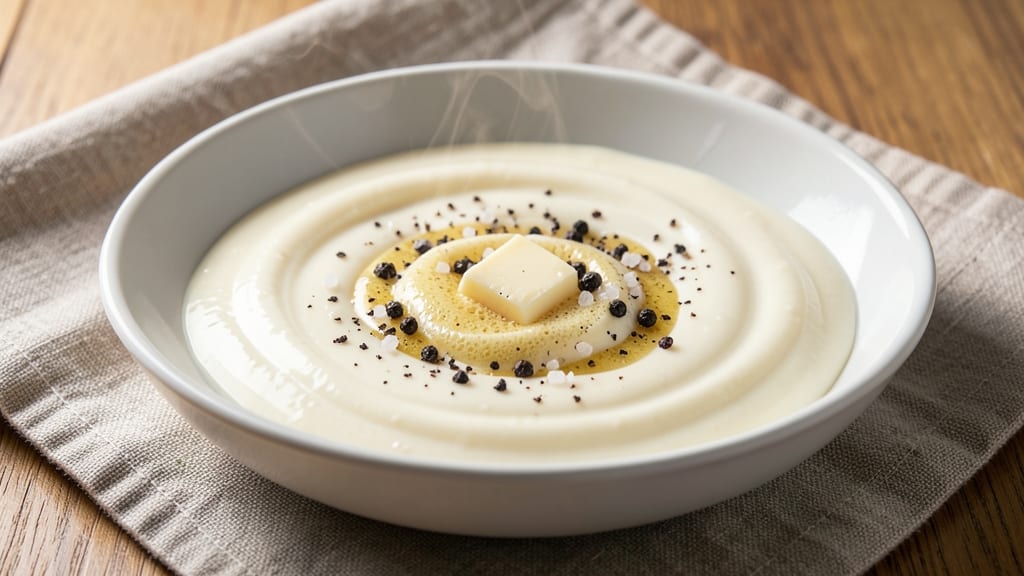
This Argo cornstarch white sauce transforms simple ingredients into a velvety, foolproof base that elevates any dish—pasta, seafood, or potatoes. The secret lies in the slow, controlled thickening process that creates a smooth, lump-free sauce every time.
I developed this recipe after years of perfecting restaurant-quality white sauces at home, and it never fails to impress.
The magic happens with just five ingredients: butter, milk, Argo cornstarch, salt, and pepper, all combined in precise proportions for maximum flavor and texture. Unlike flour-based roux, cornstarch thickens instantly without altering the sauce's delicate taste.
This method delivers a silky, creamy consistency that clings beautifully to noodles or vegetables while remaining light enough to complement delicate flavors.
What sets this sauce apart is its versatility—use it as a foundation for Alfredo, a creamy glaze for roasted vegetables, or a rich accompaniment to grilled fish. The sauce thickens quickly but stays stable when reheated, making it ideal for meal prep.
With just 10 minutes of active time, you’ll have a restaurant-worthy sauce that’s simple enough for weeknight dinners.
The key to success is patience during the thickening process—adding the cornstarch slurry gradually ensures a smooth finish. Once mastered, this technique becomes your go-to for any dish requiring a velvety white sauce. Let’s get started!
Ingredients for argo cornstarch white sauce
Five ingredients, restaurant-quality results—this velvety white sauce delivers flawless texture every time.
| Ingredient | Amount | Notes |
|---|---|---|
| Unsalted Butter 🧈 | ½ cup | Cold, cut into small cubes |
| Whole Milk 🥛 | 2 cups | Room temperature preferred |
| Argo Cornstarch 🌾 | ¼ cup | Lightweight, fine-grained |
| Diamond Crystal Kosher Salt 🧂 | ½ tsp | Adjust to taste |
| Freshly Ground Black Pepper 🌶️ | ¼ tsp | Coarsely cracked |
The Argo cornstarch is non-negotiable here—its fine, lightweight texture creates that signature silky finish without altering flavor. Gordon Ramsay's Kitchen or Williams Sonoma carry it in bulk, but any high-quality cornstarch works if labeled 'lightweight'. The butter should be unsalted and cold—cut it into small cubes to prevent premature melting. For the milk, whole milk yields the richest texture, but 2% works in a pinch. Pro tip: measure your milk precisely—this sauce is sensitive to liquid ratios.
No cornstarch? Arrowroot powder at the same amount delivers comparable thickening power. Substituting instant potato flakes can work but may yield a slightly grainier texture. For the milk, evaporated milk adds depth but reduces creaminess—use half-and-half if you want extra richness. The salt and pepper are flexible, but Diamond Crystal kosher salt dissolves more evenly than table salt. If you're concerned about lumps, whisk the cornstarch with 2 tablespoons of cold milk first to create a smooth slurry before adding to the pot.
This sauce reheats beautifully—simmer gently for 2-3 minutes to restore its velvety consistency. For meal prep, store in airtight containers for up to 5 days in the fridge or 3 months frozen. To reheat from frozen, thaw overnight in the fridge first. The sauce thickens as it cools, so add a splash of warm milk if it becomes too stiff. For best results, use within 24 hours of making—freshness is key to that restaurant-quality mouthfeel.
Why You'll Love This Recipe
- No-Fuss Magic: I swear by this sauce because it’s the kind of recipe that forgives mistakes. Melt butter, whisk in cornstarch, add milk—boom—smooth, velvety perfection without lumps or stress. Even when I burn the toast underneath (yes, it happens), the sauce still comes together.
- Rich Without Effort: That first spoonful of creamy, buttery goodness hits different. The cornstarch thickens it just right, while the whole milk keeps it luscious, not heavy. Honestly, it’s the kind of flavor that makes you pause mid-bite—like a hug in sauce form.
- Sauce for Everything: I use this over roasted chicken, mashed potatoes, or even grilled fish. It’s my secret weapon for turning simple meals into something special. (Yes, even on a Tuesday night when you’re too tired to think.)
- Budget-Friendly Luxury: A few tablespoons of cornstarch and a pat of butter stretch into a whole meal’s worth of sauce. It’s the kind of recipe that makes fancier dinners feel accessible—without breaking the bank or taking forever. Leftovers? Even better.
Step-by-step instructions for Argo cornstarch white sauce
A silky, velvety white sauce that clings perfectly to pasta or potatoes—this method delivers foolproof results every time.
Melt the Cold Butter Over Gentle Heat
Place the 0.5 cup unsalted butter (cold and cubed) in a medium saucepan over medium-low heat. Let it melt slowly without browning—this preserves the delicate flavor. Stir occasionally with a wooden spoon until the butter is completely liquid but not golden. If it begins to foam or bubble, reduce the heat immediately to prevent burning.
This gradual melting creates a smooth base for your sauce. Cold butter cubes melt evenly, preventing hot spots that could scorch your sauce later. The butter should be fully melted but still pale in color—any browning will add bitterness to your sauce.
Whisk in the Cornstarch for a Smooth Paste
Reduce the heat to low and sprinkle the 0.25 cup Argo cornstarch evenly over the melted butter. Immediately whisk vigorously to prevent clumping—this is critical. Let the mixture cook undisturbed for 1 minute while continuing to whisk gently, allowing the cornstarch to fully dissolve into a smooth paste.
Here's the thing—cornstarch needs time to hydrate and form a proper slurry. If you rush this step, you'll end up with lumps that turn into gritty spots in your sauce. The paste should look uniform and slightly thickened, like a pale yellow pudding.
Gradually Add Warm Milk to Prevent Curdling
Slowly pour in the 2 cups whole milk (room temperature preferred) while whisking continuously. Add the milk in a thin, steady stream—about 1 tablespoon at a time—to maintain control over the thickening process. Keep the heat at medium-low throughout this addition to prevent sudden temperature spikes that could curdle the milk.
You'll notice the mixture begin to thicken immediately as the milk absorbs into the cornstarch paste. If you add the milk too quickly, the sauce may separate or develop a grainy texture. The goal is to create a smooth, lump-free consistency that coats the back of your spoon.
Simmer Until Thick and Glossy
Increase the heat to medium and bring the sauce to a gentle simmer. Continue whisking for 3-5 minutes until the sauce thickens to a velvety consistency. It should coat the back of a wooden spoon smoothly and leave a slight trail when you run your finger through it. If it thickens too quickly, whisk in 1-2 tablespoons of milk to adjust the texture.
This simmering step develops the sauce's body and flavor. You'll see small bubbles form around the edges of the pan, but avoid letting it boil vigorously—this can cause the sauce to break. The sauce should be thick enough to hold its shape when spooned but still flow easily.
Season and Finish to Perfection
Remove the sauce from heat and immediately stir in the 0.5 teaspoon Diamond Crystal kosher salt and 0.25 teaspoon freshly ground black pepper. Taste and adjust the seasoning—you may need a touch more salt, depending on your preference. Let the sauce sit for 2-3 minutes to fully absorb the flavors before using.
For an extra touch of richness, you can stir in 1 tablespoon of cold butter at the end to add shine and depth. This white sauce is now ready to pair with roasted potatoes, creamy pasta dishes, or as a base for other sauces. Its velvety texture and neutral flavor make it incredibly versatile in both classic and modern recipes.
Pro Tips For Making Argo Cornstarch White Sauce
- Whisk Like You Mean It: The cornstarch-milk slurry will clump if you’re half-hearted about mixing. Use a proper whisk (not a fork) and stir vigorously for 30 seconds before adding it to the butter—this breaks up any future lumps before they even start. I learned this after scraping gummy bits off my saucepan for what felt like an hour.
- Melt Butter Slowly: If you dump cold butter into the pan and blast it, you’ll end up with greasy milk and a sauce that separates. Instead, melt the butter over medium-low heat until it’s just foamy—about 2 minutes—before adding the milk slurry. This keeps the fat stable and prevents curdling.
- Taste Before Thickening: Add salt and pepper after the sauce has thickened, not before. The cornstarch’s starchiness can make the sauce taste flat if you season too early. Wait until it’s glossy and coats the back of a spoon, then adjust—this is when the flavors actually shine.
- Use Cold Milk for Control: Whole milk straight from the fridge blends into the cornstarch slurry more smoothly than room-temperature milk. Cold milk also gives you a few extra seconds to adjust consistency if the sauce thickens too fast. (Yes, even if you’re impatient like me.)
Best sauces and condiments for argo cornstarch white sauce
Alfredo Sauce Upgrade
Elevate this white sauce to Alfredo-level richness by stirring in 1 cup freshly grated Parmigiano-Reggiano and 2 tablespoons heavy cream at the end. For extra depth, add 1 minced garlic clove when melting the butter.
This version pairs perfectly with fettuccine or grilled chicken. I like using Penzeys Parmigiano-Reggiano for its nutty, complex flavor. 🧀
Creamy Glaze for Veggies
Thin the sauce with 2 tablespoons warm water or milk for a lighter consistency that works as a glaze. Toss with roasted Brussels sprouts, asparagus, or broccoli, then finish with toasted almonds and a squeeze of lemon.
The sauce's neutral flavor lets the vegetables shine while adding a luxurious coat. For extra flair, add ½ teaspoon smoked paprika for a subtle smoky note. 🥦
Cheesy Potato Topping
Mix ½ cup shredded sharp cheddar and 1 tablespoon chopped chives into the warm sauce, then spoon over baked potatoes or mashed potatoes. The sauce's velvety texture creates a smooth, creamy topping that melts beautifully.
For a restaurant-style finish, sprinkle with extra black pepper and a pinch of cayenne. This is my go-to for loaded baked potatoes—everyone clears their plates! 🥔
Seafood Pairing
This sauce is a game-changer for delicate seafood like scallops, shrimp, or cod. Keep the sauce on the thinner side by adding ¼ cup extra milk before simmering. Finish with a splash of white wine (like Sauvignon Blanc) and a touch of lemon zest.
The sauce's neutral flavor enhances the seafood's natural sweetness without overpowering it. Serve immediately with grilled fish for a restaurant-worthy dish. 🍽️
Meal Prep Booster
Double the recipe and store the sauce in airtight glass containers for up to 5 days in the fridge. When reheating, add 1-2 tablespoons warm milk to restore its velvety texture.
I use this as a base for casseroles—just layer with cooked pasta, chicken, or veggies, then top with breadcrumbs and bake. The sauce reheats perfectly without losing its smooth consistency. 💡
Flavor Variations
Experiment with these twists while keeping the base recipe intact:
- Garlic Herb: Add 2 minced garlic cloves and 1 tbsp chopped parsley at the end.
- Mustard Kick: Stir in 1 tsp Dijon mustard for a tangy twist.
- Creamy Spinach: Blend in ½ cup cooked spinach for a vibrant green sauce.
- Smoky Paprika: Add ½ tsp smoked paprika for depth.
Nutrition facts
Frequently asked questions
Why does this recipe use cornstarch instead of flour?
Cornstarch creates a smoother, lump-free sauce without the raw flour taste. Unlike flour, it thickens instantly at lower temperatures, preserving the delicate flavor. This method delivers a velvety texture perfect for delicate dishes like seafood or pasta—no gritty aftertaste!
Can I make this sauce dairy-free?
Replace the milk with unsweetened almond milk or oat milk for a creamy texture. Use the same ratio, but expect slightly less richness. For extra body, add 1 tablespoon neutral oil when melting the butter substitute. The sauce will still thicken beautifully!
What if my sauce gets too thick?
Simply whisk in 1-2 tablespoons warm milk until smooth. The sauce thickens as it cools, so reheating may require a splash of extra liquid. For immediate use, thin with milk gradually while stirring constantly to maintain that silky consistency.
How do I prevent lumps when making this sauce?
Whisk the cornstarch into the butter first to create a smooth paste before adding milk. Keep heat at medium-low and add liquid gradually while whisking continuously. If lumps appear, immediately whisk in a bit more cold milk to dissolve them—don't let them sit!
Can I use this sauce as a base for other recipes?
Yes! This neutral white sauce is perfect for building other flavors. Stir in cheese for Alfredo, add garlic for a creamy pasta sauce, or blend in spinach for a vibrant green version. The base recipe remains the same—just customize with your favorite seasonings!