
Sauces & Condiments
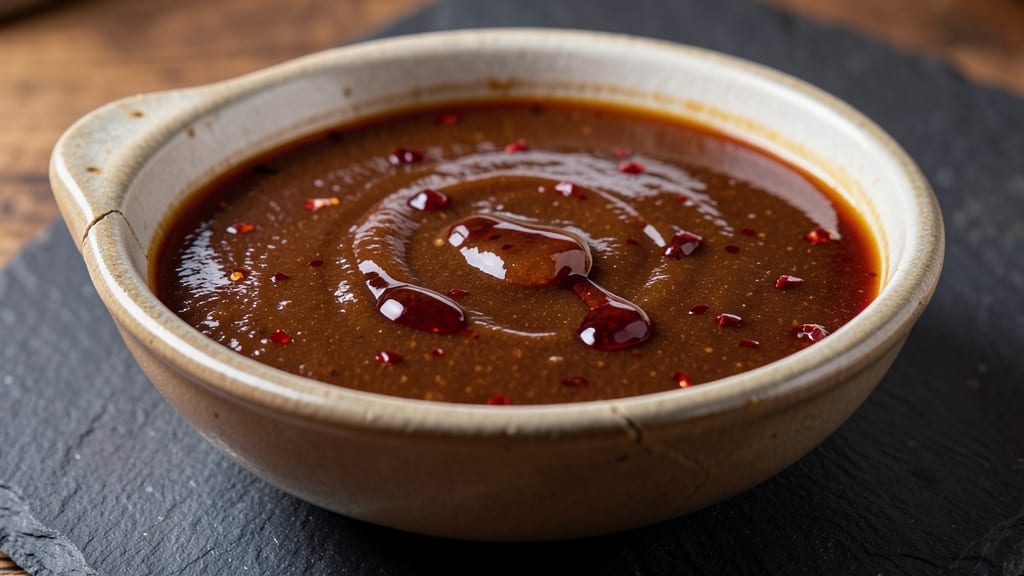
This Arby's au jus sauce recipe unlocks the restaurant's signature deep, savory flavor in your own kitchen. The secret lies in slow-simmered beef broth, rich red wine, and a touch of vinegar to brighten the umami depth—just like their famous pan drippings.
I've simplified the process for home cooks while keeping the authentic, meaty essence that makes this sauce irresistible.
The beauty of this recipe is its versatility—start with basic ingredients like beef broth, beef bouillon, and red wine, then build layers of flavor through careful simmering and straining.
No special equipment needed beyond a saucepan and fine-mesh strainer. The optional cornstarch thickening ensures the perfect consistency for dipping or drizzling without losing that signature richness.
What you'll end up with is a velvety, deeply flavorful sauce that's perfect for roast beef sandwiches, grilled meats, or even as a dipping sauce for fries. The balance of tangy, sweet, and savory notes creates that unmistakable Arby's taste at home.
This sauce keeps well in the refrigerator for up to a week, making it ideal for meal prep.
For extra depth, I recommend using high-quality beef broth and a good red wine—these small upgrades make a noticeable difference in flavor. The slow simmering process allows the ingredients to meld together, creating a sauce that's both restaurant-worthy and simple to achieve.
Let's get started on making this iconic sauce at home!
Ingredients for arby's au jus sauce
Nine ingredients transform into Arby's iconic, restaurant-quality au jus sauce at home.
| Ingredient | Amount | Notes |
|---|---|---|
| Beef Broth 🥩 | 4 cups | High-quality, low-sodium preferred |
| Red Wine 🍷 | 1 cup | Bold, dry variety like Cabernet Sauvignon |
| Beef Bouillon Cubes 🧂 | 2 whole | Knorr or Maggi brand recommended |
| Balsamic Vinegar 🍶 | 2 tbsp | For tangy depth and brightness |
| Worcestershire Sauce 🍶 | 1 tbsp | Lea & Perrins brand preferred |
| Cornstarch 🌾 | 1 tbsp | Optional for thickening (mixed with 1 tbsp water) |
| Fresh Parsley 🌿 | ¼ cup | Finely chopped for garnish and freshness |
| Black Peppercorns 🌶️ | ½ tsp | Freshly cracked for robust flavor |
| Garlic Cloves 🧄 | 2 cloves | Minced for aromatic depth |
| Beef Fat or Drippings 🥩 | ¼ cup | From roasted beef for authentic richness |
The foundation of this sauce lies in the beef broth and bouillon cubes—Knorr or Maggi brands deliver consistent, meaty depth without excessive sodium. For the red wine, opt for a bold, dry variety like Cabernet Sauvignon or Merlot—avoid sweet wines, as they’ll overpower the umami. The beef drippings or fat are non-negotiable for that signature richness; if you don’t have any, render a small piece of beef fat in a pan until melted. Fresh parsley and cracked black peppercorns elevate the sauce’s brightness, so don’t skip them even if they’re optional in some recipes. Trader Joe’s or Whole Foods often carry high-quality beef broth and bouillon cubes in bulk, making sourcing a breeze.
No red wine? Beef broth with an extra splash of balsamic vinegar mimics the acidity, though the depth won’t be identical. Substitute Worcestershire sauce with soy sauce or liquid smoke in a pinch, but reduce the amount by half—these alternatives lack the complexity. For thickening, if cornstarch isn’t available, arrowroot powder or flour work, though cornstarch yields the smoothest finish. The garlic and parsley can be swapped for dried herbs (one-third the amount), but fresh is ideal. If you’re making this ahead, skip the cornstarch slurry until reheating—it thickens as it cools, which can ruin the sauce’s silky texture.
This sauce peaks in flavor after a 24-hour rest in the fridge, allowing the ingredients to meld fully. Store it in an airtight container with a thin layer of oil on top to preserve freshness for up to 1 week. For longer storage, freeze in ice cube trays—thaw and reheat gently for the best consistency. The sauce reheats beautifully; if it thickens too much, whisk in a splash of warm water or broth. Portion into small containers for easy dipping or drizzling over sandwiches, and always garnish with fresh parsley just before serving to keep it vibrant.
Why You'll Love This Recipe
- Pantry Magic: I swear, this sauce comes together with stuff I already had—no last-minute grocery runs needed. The beef bouillon cubes and Worcestershire do all the heavy lifting, while the red wine and balsamic add that signature depth without extra effort.
- Deep Umami Bang: That first sip? Chef’s kiss. The beef broth and bouillon give it a rich base, but the red wine and Worcestershire turn it into something dangerously addictive. It’s the kind of sauce that makes you pause mid-bite and go, “Wait, I made this?”
- Game Day Ready: Between us, this is my go-to for game days, BBQs, or when I’m roasting a rack of ribs. It’s not just for fries—drizzle it over grilled steak, use it as a marinade, or even toss it with mashed potatoes. (Yes, even on a Tuesday night.)
- Budget-Friendly Luxury: For under $5, I get enough sauce to feed a crowd and still have leftovers. The bouillon cubes stretch the broth, the wine adds sophistication without the price tag, and it keeps well in the fridge for a week. Practical? Absolutely. Delicious? Even more so.
Step-by-step instructions for Arby's au jus sauce
This method delivers that signature Arby's depth with rich, savory complexity.
Render the Beef Fat and Bloom the Bouillon
Heat the 0.25 cup beef fat or drippings in a medium saucepan over medium-low heat. Once the fat is fully melted and shimmering (about 3-4 minutes), add the 2 whole beef bouillon cubes. Let them bloom for 1-2 minutes, stirring constantly until they dissolve completely and release their concentrated umami flavor. This step forms the flavor base—don't rush it or the bouillon won't fully integrate.
Watch for the fat to turn slightly opaque as it renders. If you see any browned bits forming, remove the pan from heat for 30 seconds to prevent burning. The bouillon should dissolve into a smooth, thick paste before moving forward—this ensures maximum flavor extraction from the cubes.
Build the Sauce Base with Wine and Broth
Increase heat to medium-high and add the 1 cup red wine, scraping up any browned bits from the bottom of the pan with a wooden spoon. Let the wine simmer for 3-4 minutes until it reduces by about half and the alcohol smell dissipates completely. This reduction concentrates the wine's flavor and removes any harsh notes.
Next, pour in the 4 cups beef broth and bring the mixture to a gentle boil. Reduce heat to medium-low and let it simmer uncovered for 10 minutes, stirring occasionally. You'll notice the sauce thicken slightly as the liquid reduces and the flavors meld together. This simmering step develops the sauce's depth and ensures all ingredients integrate properly.
Add Aromatics and Acidic Elements
Stir in the 2 cloves minced garlic and 0.5 tsp freshly cracked black peppercorns, cooking for 1-2 minutes until the garlic becomes fragrant but doesn't brown. Add the 2 tbsp balsamic vinegar and 1 tbsp Worcestershire sauce, stirring well to combine. The balsamic adds bright acidity while the Worcestershire contributes its signature savory complexity—both are essential for that authentic Arby's profile.
Let the sauce simmer for an additional 5 minutes to allow all the flavors to meld together. You should notice the aroma becoming more complex and inviting. The sauce should now have a rich, deep color with a glossy sheen—this indicates proper reduction and flavor development.
Thicken and Finish with Fresh Parsley
In a small bowl, whisk together the 1 tbsp cornstarch with 1 tbsp cold water to create a smooth slurry. Slowly pour this mixture into the simmering sauce while stirring constantly. The sauce will thicken immediately—continue stirring for 2-3 minutes until it reaches your desired consistency, which should be thick enough to coat the back of a spoon but still flow smoothly.
Remove the sauce from heat and stir in the 0.25 cup finely chopped fresh parsley. Let it steep for 1-2 minutes to infuse the parsley's freshness into the sauce. The parsley adds brightness and visual appeal, balancing the sauce's rich, savory depth. Taste and adjust seasoning if needed—you may want to add a pinch more salt or a splash of water if the sauce is too thick.
Rest and Serve Warm
Transfer the sauce to a clean saucepan or serving dish and let it rest for 5-10 minutes before serving. This resting period allows the flavors to fully settle and the sauce to reach its optimal consistency. The sauce should be warm but not boiling when served—this ensures it coats meats beautifully without curdling.
Serve immediately alongside roasted meats, sandwiches, or as a dipping sauce. The finished au jus should have a deep, rich color with a glossy sheen, and each spoonful should deliver layers of beefy umami, wine complexity, and bright acidity. For best results, use within 2-3 hours of preparation while the flavors are at their peak.
Pro Tips For Making Arby'S Au Jus Sauce
- Simmer Gently, Not Boil: This sauce is all about depth, not volume—boiling it turns it flat. Keep the heat at a low simmer (tiny bubbles, barely moving) for 15-20 minutes. I used to rush it and ended up with a watery, vinegary mess that tasted like regret.
- Dissolve Bouillon First: Toss the beef bouillon cubes into the warm broth before adding wine or vinegar. Cold cubes sink and refuse to dissolve properly, leaving you scraping the pot later. Stir them in for 2 minutes until fully melted—this guarantees a smooth, rich base.
- Reduce Early, Add Vinegar Late: Cut the sauce by half before adding balsamic vinegar or Worcestershire. The acidity works best when concentrated—adding it too soon just dilutes the flavor. Wait until the last 5 minutes, then stir in the vinegar and let it mingle.
- Use Real Wine, Not Cooking Wine: That cheap "cooking wine" label is a lie—it’s just vinegar with a sad story. A $10 bottle of red wine (like Cabernet Sauvignon) adds real fruit and depth. Even a splash of it makes the difference between "meh" and "worth the effort."
Troubleshooting perfect results
Sauce Too Thin?
If your au jus turns out thinner than expected, don't panic—simmering longer is the first fix. Return the sauce to medium-low heat and let it reduce uncovered for an additional 5-10 minutes, stirring occasionally.
For a quicker fix, whisk in ½ teaspoon cornstarch mixed with 1 teaspoon cold water and simmer for 1-2 minutes until thickened. The key is patience: rushing the thickening process can create lumps or make the sauce grainy.
Sauce Too Thick?
Over-thickened au jus happens when cornstarch is added too quickly or the sauce simmers too long. Thin it by whisking in 1 tablespoon warm water or beef broth at a time until you reach a smooth, dipping consistency.
For extra insurance, strain the sauce through a fine-mesh sieve to remove any cornstarch lumps. If the sauce separates, whisk vigorously while heating gently over low heat to recombine the ingredients.
Flat or Bland Flavor?
Bland au jus usually means insufficient reduction or weak ingredients. Boost flavor by adding 1 extra teaspoon Worcestershire sauce or ½ teaspoon soy sauce for umami depth. For acidity, stir in ½ teaspoon balsamic vinegar or a splash of lemon juice.
If the sauce lacks richness, simmer in a small amount of beef drippings or rendered beef fat for 2-3 minutes to enhance the meaty notes.
Grainy or Lumpy Texture?
Lumps form when cornstarch isn't fully dissolved or added too quickly. To fix, whisk the sauce vigorously over low heat for 1-2 minutes until smooth. For prevention, always whisk cornstarch with cold water into a smooth paste before adding it to the sauce.
If lumps persist, strain the sauce through a fine-mesh sieve or cheesecloth for a silky finish. A blender or immersion blender can also help break down lumps temporarily.
Sauce Separates When Reheating?
Separation occurs when fat and liquid ingredients don't fully emulsify. To fix, whisk the sauce vigorously over low heat while adding 1 tablespoon warm water or broth at a time. For a smoother result, blend the reheated sauce briefly before serving.
To prevent separation, avoid boiling the sauce when reheating—keep it at a gentle simmer (160°F) and stir frequently. Adding a small amount of cornstarch slurry can also help stabilize the emulsion.
Wine Taste Too Strong?
If the red wine flavor overpowers the beefy notes, balance it by adding 1 extra teaspoon Worcestershire sauce or ½ teaspoon soy sauce for umami depth. Simmer the sauce for an additional 5 minutes to let the wine's alcohol burn off, which mellows its intensity.
For a subtler wine profile, reduce the amount of wine to ½ cup in future batches and compensate with extra beef broth or bouillon.
Nutrition facts
Frequently asked questions about Arby's au jus sauce
Can I make this au jus sauce without red wine?
Yes! Replace the 1 cup red wine with 1 cup beef broth plus 1 tablespoon balsamic vinegar for similar acidity. For extra depth, add 1 teaspoon soy sauce to mimic the wine's umami. The sauce will be less complex but still delicious—just expect a slightly different flavor profile.
How long does homemade au jus sauce last?
Store the sauce in an airtight container in the refrigerator for up to 1 week. For longer storage, freeze in ice cube trays or small portions. Thaw overnight in the fridge before reheating gently over low heat, stirring occasionally to prevent separation. The sauce reheats beautifully but may need a splash of warm water if it thickens too much.
What's the best way to use leftover au jus sauce?
This versatile sauce works perfectly for roast beef sandwiches, grilled steaks, or even as a dipping sauce for fries or onion rings. For extra richness, drizzle it over mashed potatoes or use it as a base for beef stews. The sauce also freezes well for future meals—just reheat gently and adjust consistency with a splash of water if needed.
Why does my au jus sauce look cloudy?
Cloudiness usually means the sauce hasn't been strained properly or the cornstarch wasn't fully dissolved. Strain the sauce through a fine-mesh sieve or cheesecloth for a clearer finish. If using cornstarch, whisk it with cold water into a smooth paste before adding to prevent clumping. For extra clarity, simmer the strained sauce for an additional 2-3 minutes to help settle any remaining particles.
Can I make this sauce in a slow cooker?
Yes! Combine all ingredients except the cornstarch and parsley in a slow cooker on Low heat for 3-4 hours or High heat for 1.5-2 hours. Stir occasionally and add the cornstarch slurry during the last 15 minutes of cooking. The slow cooker method creates a deeper, more concentrated flavor but may require more thinning if the sauce reduces too much. Adjust consistency with water or broth as needed.