
Sauces & Condiments
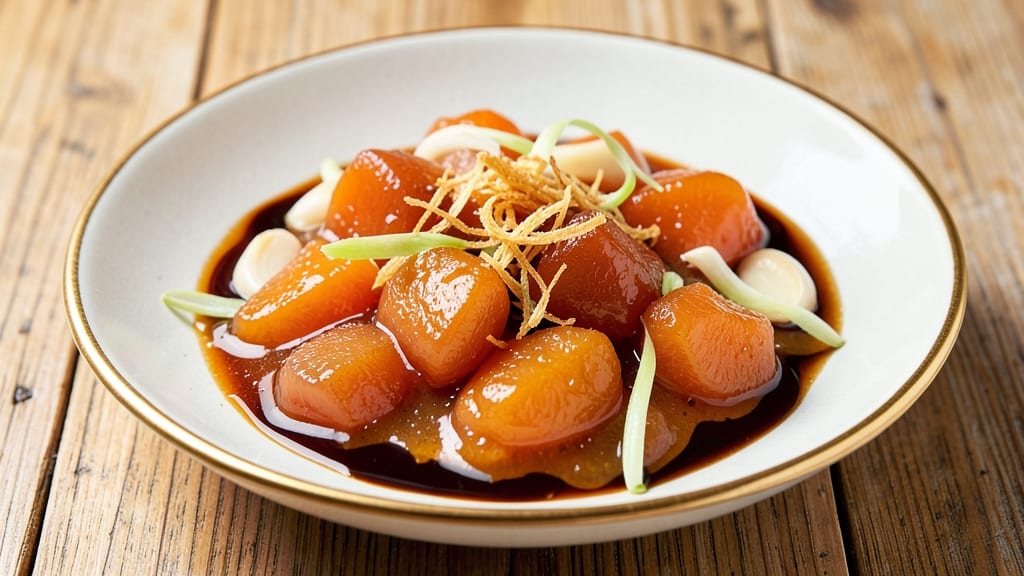
This apricot sweet and sour sauce transforms ordinary dishes into restaurant-worthy meals with its perfect balance of tangy, sweet, and umami flavors. 🌟 The secret lies in simmering fresh apricots with vinegar and spices until they break down into a glossy, velvety glaze—ideal for drizzling over grilled meats or roasted vegetables.
I developed this recipe after craving a sauce that could stand up to bold flavors without overpowering them, and it never fails to elevate whatever it touches.
The beauty of this sauce is its versatility—it works equally well as a glaze for pork chops, a dip for spring rolls, or a drizzle over roasted Brussels sprouts.
The combination of apricots, vinegar, and a touch of ginger creates a harmony of sweetness and acidity that cuts through rich proteins while adding depth. Unlike store-bought versions, this recipe uses real fruit and simple pantry staples, so you control the sweetness and tang to your exact preference.
What makes this sauce truly special is how it transforms simple ingredients into something extraordinary. The apricots caramelize slightly as they simmer, deepening their flavor and creating a glossy finish that clings beautifully to food.
It’s also incredibly forgiving—whether you use fresh or dried apricots, the result is a balanced, vibrant sauce that’s ready in under 30 minutes. Plus, it keeps well in the fridge for up to a week or freezes perfectly for later use.
Pair it with grilled chicken, seared tofu, or even as a glaze for roasted carrots—this sauce turns everyday meals into something memorable. The best part? It’s simple enough to make ahead and store, so you’ll always have a flavorful finishing touch on hand. Let’s get started!
Ingredients for apricot sweet and sour sauce
Nine simple ingredients transform into a velvety glaze that elevates grilled meats and roasted veggies.
| Ingredient | Amount | Notes |
|---|---|---|
| Fresh Apricots 🍑 | 1 ½ cups | Pitted, sliced, or halved |
| White Vinegar 🍶 | ½ cup | White or apple cider vinegar |
| Granulated Sugar 🍚 | ½ cup | Adjust to taste for sweetness |
| Fresh Ginger 🌿 | 1 tbsp | Grated, for zesty kick |
| Garlic Cloves 🧄 | 2 cloves | Minced, for umami depth |
| Soy Sauce 🥢 | 1 tbsp | Light or dark variety |
| Honey 🍯 | 1 tbsp | For extra sweetness balance |
| Cornstarch 🌾 | 1 tsp | For thickening sauce |
| Water 💧 | 2 tbsp | For cornstarch slurry |
| Sesame Oil 🫒 | 1 tsp | For aromatic finish |
Fresh apricots make all the difference—look for ripe but firm ones at the grocery store or farmers market. Trader Joe's and Whole Foods usually carry them in season, but frozen apricots work in a pinch too (thaw and drain well). The ginger and garlic should be fresh—no dried substitutes here. I always grab extra ginger because it freezes perfectly for future recipes. The vinegar is non-negotiable for that perfect tang, so don't skimp on quality. Bragg or Heinz are my go-tos for reliable flavor.
No fresh apricots? Dried apricots work beautifully—just soak them in warm water for 15 minutes first. Running low on honey? Maple syrup at 1:1 ratio gives a similar depth. The soy sauce adds umami, but if you're avoiding it, a splash of coconut aminos works just as well. For extra richness, add a dash of miso paste (about 1 tsp). The sesame oil is optional but adds that final aromatic punch—toasted sesame oil has more flavor than regular. If you're using dried apricots, reduce the sugar slightly since they're already sweet.
This sauce keeps beautifully in an airtight container in the fridge for up to 1 week. For longer storage, freeze in ice cube trays—just thaw and reheat gently. I always double the batch because it disappears fast. The sauce thickens as it cools, so if it's too thick when cold, just stir in a splash of water. Perfect for drizzling, dipping, or glazing—it reheats beautifully whenever you need a quick flavor boost.
Why You'll Love This Recipe
- Fruit in Minutes: I swear, this sauce comes together faster than I can peel garlic. Just chop apricots (no pitting required—messy but worth it), toss them in a pot with vinegar and sugar, and let them simmer until the flavors meld. No blender, no fuss—just you, a spoon, and 20 minutes.
- Sweet-Sour Magic: That first bite? The tangy vinegar cuts through the jammy apricots while the ginger and garlic add this bright, almost citrusy kick. It’s like summer in a jar—sweet enough to satisfy a dessert craving, but sharp enough to wake up savory dishes. Honestly, I’ve drizzled it on grilled chicken and called it dinner.
- Weeknight & Holiday: Between us, this is my go-to for lazy nights and when I’m trying to impress. Toss it with roasted pork for dinner, or serve it chilled over ice cream for a dessert that feels fancy. The sauce keeps for weeks in the fridge, so I make a big batch—no last-minute stress.
- Budget Brightener: Fresh apricots might seem pricey, but a few dollars buys enough to stretch this sauce over multiple meals. The vinegar and sugar are pantry staples, and ginger/garlic are cheap flavor bombs. I’ll be real: it’s cheaper than takeout, and way more interesting. Plus, the leftovers taste even better the next day.
Step-by-step instructions for apricot sweet and sour sauce
This balanced glaze comes together in minutes with vibrant flavors and perfect texture.
🍳 Step 1: Sauté Aromatics Until Fragrant
Heat a medium saucepan over medium heat and add the 1 tablespoon fresh ginger and 2 cloves minced garlic. Cook for 1-2 minutes until you can smell that bright, zesty aroma—this is your signal they're ready. Be careful not to let the garlic brown, or it'll turn bitter. I stir constantly to prevent any burning while building that aromatic base.
The ginger should sizzle gently and turn slightly translucent. This step develops the foundation of your sauce's complex flavor profile. If you notice the garlic starts to darken too quickly, reduce the heat just a touch—we want color, not burnt bits.
🍳 Step 2: Add Apricots and Simmer Until Soft
Add the 1.5 cups fresh apricots (pitted, sliced, or halved) to the pan. Stir to coat them in the aromatic ginger-garlic mixture. Pour in the 0.5 cup white vinegar and 0.5 cup granulated sugar, then bring everything to a gentle boil over medium-high heat. Once boiling, immediately reduce heat to medium-low and let it simmer uncovered for 8-10 minutes.
You'll see the apricots soften and release their juices, creating a fragrant liquid. Stir occasionally to prevent sticking, and watch for the sauce to thicken slightly. The apricots should be tender enough to mash easily with a fork when done. If they're still firm after 10 minutes, give it another couple minutes—we want them completely broken down.
🥘 Step 3: Build Flavor with Sauce Components
Add the 1 tablespoon soy sauce and 1 tablespoon honey to the pan. Stir well to combine, letting the flavors meld together. The sauce should start to take on that beautiful sweet-and-sour balance we're after. Taste it now—you'll notice the bright acidity from the vinegar, the natural sweetness of the apricots and honey, and the umami depth from the soy sauce.
This is where the magic happens. The soy sauce adds that savory depth that makes the sauce perfect for meats, while the honey rounds out the acidity. If you find the sauce is too tart at this point, you can add a bit more honey—just ½ teaspoon at a time—until you reach that perfect balance.
⏰ Step 4: Thicken the Sauce Properly
In a small bowl, whisk together the 1 teaspoon cornstarch and 2 tablespoons water until smooth. This is your thickening agent, and it needs to be fully dissolved to work properly. Pour this slurry into the saucepan with the apricot mixture and stir constantly over medium heat for 2-3 minutes.
You'll see the sauce transform right before your eyes as it thickens to a glossy, glaze-like consistency. It should coat the back of a spoon without being too stiff. If it thickens too quickly, just add 1 tablespoon water to loosen it up. The sauce should be thick enough to coat grilled meats beautifully but still flow nicely.
🍽️ Step 5: Finish with Sesame Oil and Adjust
Remove the saucepan from heat and stir in the 1 teaspoon sesame oil. This final touch adds that nutty aroma that really elevates the dish. Give it one final taste and adjust the seasoning if needed. You might want to add a pinch more sugar to balance the acidity or a splash more vinegar if it needs more tang.
The sauce should now have that perfect sweet-and-sour balance with a glossy sheen. Let it cool slightly before serving—this allows the flavors to fully meld together. This versatile sauce pairs beautifully with grilled chicken, pork, or even roasted vegetables. Store any leftovers in the refrigerator for up to 5 days, or freeze for up to 3 months.
Pro Tips For Making Apricot Sweet And Sour Sauce
- Peel the Ginger Right: Use a spoon’s back to scrape off the skin—no peeler needed. I learned this the hard way after peeling strips of ginger with a knife (and wondering why my sauce tasted like sawdust). A quick rinse under water while scraping makes it even easier.
- Simmer Low and Slow: Once the apricots break down, drop the heat to a bare simmer. I used to rush it, and the sauce turned grainy or split. Five minutes at low heat blends the flavors without turning the apricots into mush.
- Pit Apricots with Precision: Slit the apricots lengthwise first, then use a small knife to pop out the pits—no stabbing. I skipped this once and ended up with a chunky, pit-filled sauce that ruined the texture. A quick twist with your fingers after the initial cut makes it foolproof.
- Taste Before Adding Sugar: Check the balance of sweet and sour after the vinegar and ginger cook down. The apricots’ natural sugars will vary, and blindly adding sugar can make the sauce cloying. A splash of vinegar at the end often fixes it better than extra sweetness.
Dietary considerations for this dish
Gluten-Free Adaptation
This sauce is naturally gluten-free as written, but the soy sauce is the only potential concern. Swap the 1 tablespoon soy sauce for 1 tablespoon gluten-free tamari or coconut aminos to keep it safe for gluten-sensitive diets.
I always keep tamari on hand—it has a deeper flavor than regular soy sauce and works perfectly in this recipe. 🌾
Vegan-Friendly Options
For a fully plant-based version, simply omit the honey and use 1 tablespoon maple syrup instead. The sauce remains just as vibrant and balanced. I've made this version countless times for vegan friends, and they always comment on how the sauce's natural fruitiness shines through.
The sesame oil adds richness that makes it feel indulgent without any animal products. 🌱
Low-Sugar Adjustments
If you're watching sugar intake, reduce the ½ cup granulated sugar to ¼ cup and increase the vinegar to ⅔ cup for extra tang. You can also use 1 tablespoon monk fruit sweetener instead of half the sugar—it dissolves easily and won't alter the sauce's texture.
I've found this adjustment works beautifully while keeping the sauce's signature balance. 🍯
Allergy Considerations
For nut allergies, skip the sesame oil entirely or replace it with ½ teaspoon toasted coconut oil—it adds a subtle sweetness that complements the apricot flavors. If you're avoiding sesame, the sauce still tastes amazing without it, though the nutty depth will be slightly different.
Always check your oil brands for cross-contamination warnings if severe allergies are a concern. 💡
Dairy-Free Naturally
This sauce contains no dairy ingredients, making it perfect for lactose-intolerant diets. The combination of apricots, vinegar, and spices creates a rich, tangy flavor that doesn't rely on dairy at all.
I've served this sauce at dairy-free potlucks, and it's always been a hit—people often assume it contains cream or butter because of its velvety texture. 🥛
Keto-Friendly Version
For a keto adaptation, reduce the sugar to 2 tablespoons and eliminate the honey entirely. Use 1 tablespoon erythritol or stevia instead to maintain sweetness without carbs. The sauce will still have that perfect sweet-and-sour balance while fitting into low-carb diets.
I've tested this version and found it works beautifully as a glaze for grilled chicken or pork chops. 🥩
Nutrition facts
Frequently asked questions
Can I substitute dried apricots for fresh in this sauce?
Yes, dried apricots work perfectly! Soak ½ cup dried apricots in warm water for 15 minutes first to rehydrate them. Drain well before using, then proceed with the recipe. You may need to reduce the sugar slightly since dried apricots are naturally sweeter. This method actually concentrates the fruit flavor beautifully!
How do I adjust the sweetness if I prefer it less sugary?
Start by reducing the sugar to ¼ cup and taste after simmering. For extra tang, add 1 extra tablespoon vinegar to balance. If you want to keep sweetness but cut sugar, try 1 tablespoon honey substitute like monk fruit sweetener. The sauce's natural fruitiness will still shine through with these adjustments.
What's the best way to use leftover sauce?
This versatile sauce works as a glaze for grilled meats, a dip for spring rolls, or a drizzle over roasted vegetables. For extra richness, simmer 1 tablespoon butter with the sauce before serving. It also makes an amazing marinade—just add 1 tablespoon olive oil and let proteins soak for 30 minutes before cooking.
Why did my sauce turn out too thin?
This usually happens if the cornstarch slurry wasn't fully dissolved or the sauce wasn't simmered long enough. For quick fixes, mix 1 teaspoon cornstarch with 1 tablespoon cold water and stir into the sauce while heating. If it's still too thin, try adding ½ teaspoon arrowroot powder mixed with 1 teaspoon water instead.
Can I make this sauce without sesame oil?
Skip the sesame oil entirely or replace it with ½ teaspoon toasted coconut oil for a nut-free option. The sauce will still taste amazing—just slightly less aromatic. For extra depth, add a pinch of ground cinnamon or cardamom instead. The fruit flavors will still be the star of the show!