
Sauces & Condiments
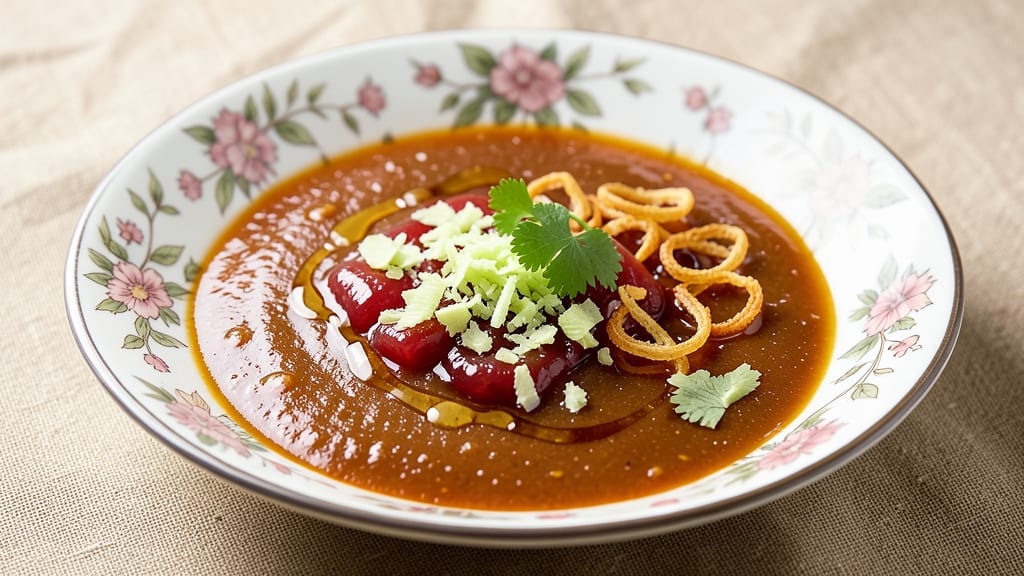
This authentic Chinese sweet and sour sauce delivers the perfect harmony of tangy, sweet, and umami flavors that elevate any dish. The secret lies in balancing ketchup, vinegar, and sugar while incorporating traditional elements like ginger and garlic for depth.
I developed this recipe after years of perfecting the ratio—no artificial flavors, just vibrant taste that transports you to a bustling Cantonese kitchen.
The sauce begins with a rich base of ketchup and vinegar, where the acidity cuts through the sweetness without overpowering it. A touch of pineapple juice adds natural brightness, while fresh ginger and garlic infuse layers of aromatic warmth.
The key is simmering the mixture just until it thickens slightly, creating a glossy, clingy sauce that clings perfectly to crispy fried foods or tender meats.
What makes this sauce truly authentic is the umami boost from soy sauce and a pinch of white pepper, giving it that signature depth you won’t find in store-bought versions.
The result is a glossy, balanced sauce with a perfect sweet-tart profile—bright enough to cut through rich dishes but rich enough to stand on its own. It keeps well in the fridge for up to two weeks, making it ideal for meal prep.
Use it to glaze crispy chicken, drizzle over stir-fried vegetables, or serve as a dipping sauce for spring rolls. The versatility of this sauce means it’s a must-have in your pantry for both weeknight dinners and special occasions. Let’s make it—your taste buds will thank you.
Ingredients for authentic chinese sweet and sour sauce
This sauce brings the perfect balance of tangy, sweet, and umami flavors to your table.
| Ingredient | Amount | Notes |
|---|---|---|
| Ketchup 🍅 | 1 cup | High-quality, no sugar added preferred |
| White Vinegar 💧 | ½ cup | Distilled white vinegar preferred |
| Granulated Sugar 🍬 | ½ cup | White or brown sugar works |
| Pineapple Juice 🍍 | ¼ cup | Fresh or canned, unsweetened |
| Light Soy Sauce 🥢 | 2 tbsp | For authentic umami flavor |
| Fresh Ginger 🌿 | 1 ½ tbsp | Grated, for aromatic warmth |
| Garlic Cloves 🧄 | 3 cloves | Minced for depth of flavor |
| White Pepper 🌶️ | ¼ tsp | Freshly ground for subtle heat |
| Cornstarch 🌾 | 1 tsp | For thickening the sauce |
| Water 💧 | 2 tbsp | For thinning cornstarch slurry |
The ketchup is the foundation, so grab a high-quality brand—I always reach for Heinz for consistency, but any good-quality ketchup works. The white vinegar should be distilled (not apple cider) for that sharp, clean tang. Fresh ginger and garlic are non-negotiable here—they bring the aromatic depth that separates this from store-bought versions. If you're short on time, pre-minced garlic from the jar works, but fresh is always better. The soy sauce matters too—light soy gives that authentic umami punch without overpowering. Trader Joe's has a great affordable option if you want to splurge a little.
No fresh ginger? Ginger powder at half the amount gets you close, but it won’t be as vibrant. Out of pineapple juice? Fresh lemon juice works in a pinch (same amount), though it’ll be slightly more acidic. The cornstarch slurry is key—make sure it’s smooth with no lumps by whisking it well. If you don’t have cornstarch, arrowroot powder works just as well. The sugar can be swapped for honey or maple syrup (reduce other liquids slightly to balance), but white sugar keeps it classic. For extra tang, add 1 tsp of rice vinegar—it’s a pro trick I picked up from Cantonese kitchens.
This sauce keeps beautifully in an airtight container in the fridge for up to 2 weeks. The flavors actually meld and deepen over time, so it’s perfect for meal prep. If you make extra, freeze it in ice cube trays—just thaw and reheat for quick use. The sauce thickens as it cools, so if it seems too thick when cold, stir in 1 tsp of water to loosen it up. Trust me, this is the kind of sauce you’ll reach for again and again—once you taste the difference from the store-bought stuff, you’ll never go back.
Why You'll Love This Recipe
- Pantry Magic: I swear by this recipe because it uses stuff I already have—no special trips to the store. That tangy vinegar cut with pineapple juice? It’s the secret that makes it taste fresh, even when I’m grabbing whatever’s in the cabinet.
- Sweet-Tart Balance: The sugar and ketchup give it that classic glossy sheen, but the vinegar and soy sauce keep it sharp. It’s the kind of sauce that makes you want to dip everything—chicken, veggies, even fries—because it’s that good.
- Weeknight Hero: This sauce is my go-to when I’m scrambling to feed the family. Toss it with pre-cut chicken or frozen veggies, and dinner’s ready in 20 minutes. Honestly, it’s saved me more than once when I forgot to meal prep.
- Budget-Friendly Staple: A single batch stretches across three meals—tacos one night, stir-fry the next, and a quick dip for snacks. The ingredients cost pennies, but the flavor? That’s priceless. (Yes, even on a Tuesday night.)
Step-by-step instructions for authentic Chinese sweet and sour sauce
This sauce balances sweet, sour, and umami perfectly—here's how to make it taste just like your favorite Chinese takeout.
Combine Base Ingredients in a Saucepan
In a medium saucepan over medium heat, pour in the 1 cup ketchup, 0.5 cup white vinegar, and 0.5 cup granulated sugar. Stir continuously for 3-4 minutes until the sugar completely dissolves and the mixture begins to bubble gently. This is your flavor foundation—don't walk away, as sugar can burn easily if unattended.
Here's the thing—adding the vinegar first helps dissolve the sugar faster. You'll notice the mixture will start to thicken slightly as it heats, but we'll address that in the next step. The sauce should smell tangy with a hint of sweetness at this point. If you're using brown sugar, you might see tiny granules settling at the bottom—keep stirring until fully incorporated.
Add Aromatics and Simmer
Reduce the heat to low-medium and add the 0.25 cup pineapple juice, 2 tbsp light soy sauce, 1.5 tbsp freshly grated ginger, and 3 minced garlic cloves. Stir well to combine all ingredients thoroughly. Let the mixture simmer gently for 5-7 minutes until the aromatics are fragrant and the liquid reduces by about 25%.
You'll know it's ready when the garlic and ginger release their oils and the sauce takes on a glossy sheen. The pineapple juice will add a subtle tropical brightness that balances the tartness. Taste at this stage—you want a foundation that's sweet, tangy, and slightly savory. If it's too thin, we'll fix that next. The white pepper will be added later to preserve its subtle heat.
Thicken the Sauce Properly
In a small bowl, whisk together the 1 tsp cornstarch and 2 tbsp water until smooth—this is your thickening slurry. Increase the heat to medium-high and pour the slurry into the saucepan while stirring constantly. Bring to a gentle boil and let it cook for 1-2 minutes until the sauce thickens to a glossy, coatable consistency.
This is the moment that matters: the sauce should coat the back of a spoon and leave a slight trail when you run a finger through it. If it's still too thin after 2 minutes, make another slurry with ½ tsp cornstarch and 1 tbsp water and add it gradually. Real talk: cornstarch burns easily, so keep stirring and watch for that perfect glossy finish.
Finish with Seasoning and Rest
Remove the sauce from heat and stir in the 0.25 tsp freshly ground white pepper. Let it cool for 5 minutes—this resting period allows all the flavors to meld together. The sauce will thicken slightly more as it cools, which is perfect for dipping or tossing.
Taste and adjust the balance: need more sweetness? Add a pinch of sugar. Too tangy? A splash of pineapple juice helps. The sauce should be vibrant, glossy, and ready to elevate any dish. For best results, use it immediately, but it will keep in the refrigerator for up to 1 week in an airtight container. This sauce is the secret to restaurant-quality sweet and sour dishes at home.
Pro Tips For Making Authentic Chinese Sweet And Sour Sauce
- Simmer Slow and Low: Once you mix the ketchup, vinegar, and sugar, turn the heat to just below a simmer—around medium-low—and let it bubble gently. I learned this the hard way after scorching a batch when I rushed it; now I keep it at a steady 180°F (82°C) to blend flavors without burning the pineapple juice.
- Strain the Vinegar: Pour the white vinegar into a small bowl first, then strain it through a fine-mesh sieve into your saucepan. Vinegar often has sediment, and that grit turns your smooth sauce into a textured mess—trust me, you’ll notice the difference.
- Balance the Soy Sauce: Taste your sauce before adding the soy sauce, then add just ½ teaspoon at a time—it’s easy to overdo it and turn your bright sauce muddy. I used to dump in a tablespoon and regret it every time.
- Reduce the Pineapple Juice: If your pineapple juice is watery (and most store-bought is), simmer it alone for 2–3 minutes first to concentrate the flavor. This cuts down on extra sweetness later and keeps your sauce from tasting like diluted juice—sounds weird, but it works.
Common mistakes when making perfect results
Overcooking the Sauce
One of the biggest mistakes is letting the sauce boil too vigorously after adding the cornstarch slurry. When you bring it to a hard boil, the cornstarch can break down unevenly, creating a grainy texture or even a glue-like consistency.
I've seen this happen when people walk away for just a few minutes—don't let that be you. Keep the heat at medium-high and stir constantly until it reaches a gentle simmer. The sauce should thicken in about 1-2 minutes, not 5 minutes. 🔥
Skipping the Resting Time
Rushing to use the sauce immediately after cooking is another common error. The flavors need time to meld together, and the sauce will continue thickening as it cools. I always let mine rest for at least 5 minutes before tasting or using.
This resting period also allows the white pepper to fully infuse without losing its subtle heat. If you taste it too soon, you might find the flavors disjointed or the texture still too thin.
Using Low-Quality Ketchup
The foundation of this sauce is ketchup, and using a cheap, overly sweetened brand will throw off the balance. I recommend using a high-quality ketchup like Heinz or Hunt's—they have a more balanced sweetness and tang.
If you're using a sugar-free ketchup, you may need to add an extra 1-2 tablespoons of sugar to compensate. Trust me, the difference in flavor is night and day when you use a better-quality base.
Ignoring the Vinegar-to-Sugar Ratio
Many recipes treat vinegar and sugar as interchangeable, but getting this ratio right is crucial. If you use too much sugar without enough vinegar, the sauce will taste cloyingly sweet. Conversely, too much vinegar without enough sugar makes it harsh.
The key is to add the vinegar first when heating to help dissolve the sugar evenly. I find that 0.5 cup vinegar to 0.5 cup sugar is the perfect starting point, but always taste as you go and adjust gradually.
Adding Pepper Too Early
White pepper is added at the very end to preserve its delicate heat and aroma. If you add it too early during cooking, the heat can dissipate, and the sauce might develop a bitter taste.
I always wait until the sauce is off the heat before stirring in the 0.25 tsp white pepper. This ensures you get that subtle, authentic kick without any off-flavors. It's a small detail, but it makes a big difference in the final result.
Not Adjusting Seasoning After Cooling
The sauce will thicken and sometimes mellow slightly as it cools, which can affect the balance of flavors. Many people make the mistake of tasting it hot and then serving it without adjustments. Always let it cool for 5 minutes and taste again before finalizing.
If it needs more sweetness, add a pinch of sugar. If it's too tangy, a splash of pineapple juice helps. This final adjustment ensures your sauce is perfectly balanced every time. ✨
Nutrition facts
Frequently asked questions
Can I use this sauce for dishes other than sweet and sour pork?
This versatile sauce works beautifully with chicken, tofu, shrimp, or even as a dipping sauce for spring rolls or egg rolls. The balanced sweet-tart flavor pairs well with crispy fried foods, grilled meats, or stir-fried vegetables. Try glazing baked chicken thighs for a restaurant-style finish.
How can I make this sauce less sweet?
Reduce the sugar by 1-2 tablespoons and increase the vinegar by the same amount. For extra tang, add 1 extra tablespoon of pineapple juice or ½ teaspoon of rice vinegar. Always taste as you go—adjust gradually to avoid overpowering the flavors. The key is balance!
Can I substitute pineapple juice with something else?
Yes! For a similar brightness, use lemon juice or orange juice (same amount). For a deeper umami note, try ½ teaspoon of fish sauce (common in Thai-inspired versions). Avoid apple juice—it lacks the necessary acidity to balance the sweetness properly.
Why does my sauce turn out too thin?
This usually happens if the cornstarch slurry wasn't cooked long enough or if you added too much liquid. For a quick fix, mix ½ teaspoon cornstarch with 1 teaspoon water, heat until smooth, then stir into the sauce. Simmer for 1 more minute—don't let it boil hard, or it may break.
How long does this sauce keep, and can I freeze it?
The sauce stays fresh in the fridge for 2 weeks in an airtight container. For freezing, portion into ice cube trays—thaw overnight in the fridge before using. The texture may separate slightly when frozen, but stir well to restore consistency. For best results, use within 3 months of freezing.