
Sauces & Condiments
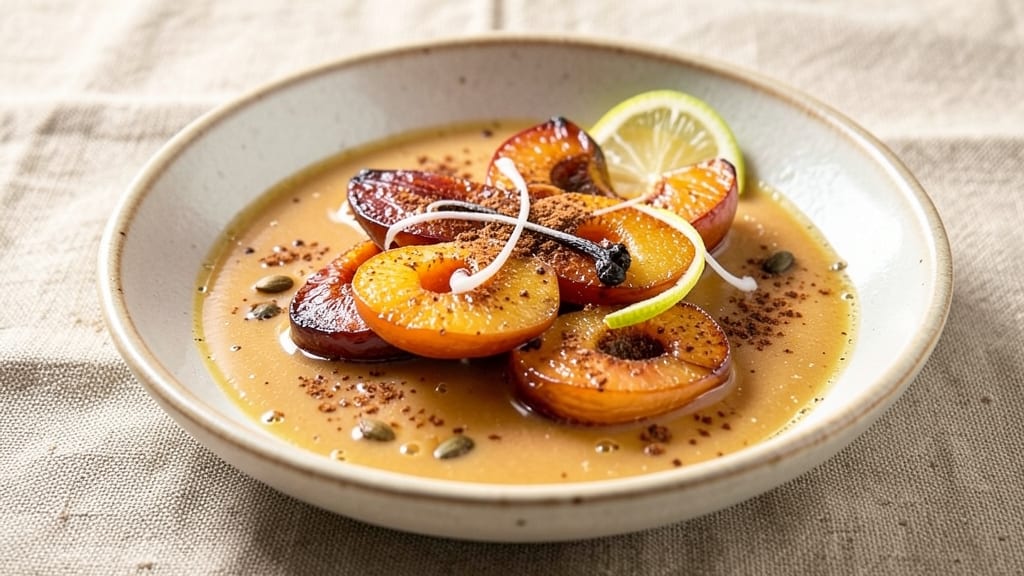
This apricot sauce recipe transforms simple ingredients into a versatile glaze that elevates everything from grilled meats to vanilla yogurt. The balance of sweet and tart creates a complex flavor that works as a dessert drizzle, meat glaze, or even a breakfast topping.
I developed this version after realizing store-bought sauces lacked the depth of homemade—where fresh apricots and spices shine.
The secret lies in simmering apricots with just enough sugar to highlight their natural tartness, then blending until silky smooth. A touch of vanilla and cinnamon adds warmth without overpowering, while lemon juice brightens the finish.
This method delivers a sauce that's rich enough for drizzling but light enough to complement delicate desserts or savory dishes.
What makes this sauce special is its versatility—use it to glaze roasted chicken, drizzle over pancakes, or swirl into Greek yogurt for a breakfast upgrade. The texture remains glossy and spreadable when chilled, making it perfect for meal prep.
With just five ingredients and 20 minutes of active time, you'll have a pantry staple that tastes better than anything store-bought.
Store the sauce in an airtight container in the refrigerator for up to two weeks, or freeze for longer shelf life. The flavors actually deepen over time, making this an ideal make-ahead condiment. Let's create a sauce that transforms ordinary dishes into something extraordinary.
Ingredients for apricot sauce
Seven simple ingredients elevate any dish with this velvety apricot sauce.
| Ingredient | Amount | Notes |
|---|---|---|
| Fresh Apricots 🍑 | 1 ½ lbs | Pitted, halved, organic preferred |
| Granulated Sugar 🍚 | ½ cup | Light brown sugar for depth |
| Pure Vanilla Extract 🍯 | 1 tbsp | High-quality, Madagascar bourbon |
| Ground Cinnamon 🌿 | ½ tsp | Freshly ground for warmth |
| Fresh Lemon Juice 🍋 | 2 tbsp | Cold-pressed, no pulp |
| Water 💧 | ¼ cup | Filtered or spring water |
| Extra-Virgin Olive Oil 🫒 | 1 tbsp | For glossy finish |
The apricots are the foundation—organic, ripe ones from the farmers market deliver the best balance of sweetness and acidity. If fresh aren't available, high-quality dried apricots rehydrated in warm water work surprisingly well, though texture will differ slightly. For sugar, light brown sugar adds subtle molasses notes that complement the apricot's natural depth. The vanilla extract should be Madagascar bourbon or Tahitian for authentic flavor complexity. I always buy mine from Penzeys Spices—their quality is unmatched for this application. Store-bought apricots often lack the vibrant color of fresh, so if you must use them, look for brands like Mott's or Great Value for the best quality in the conventional aisle.
No vanilla extract? Vanilla bean paste at half the amount works beautifully, though scraping seeds from a split vanilla bean is ideal. Running short on lemon juice? Lime juice at the same quantity brightens the sauce similarly, though tartness will be more pronounced. Substituting dried apricots for fresh? Soak them in warm water for 20 minutes first—this mimics the moisture content of fresh fruit. The olive oil isn't just for texture; it carries the sauce's flavors beautifully when drizzled. For a vegan adaptation, simply omit the vanilla extract and use vanilla bean paste instead. The cinnamon can be adjusted to taste—Ceylon cinnamon has a more delicate flavor than cassia, so use half the amount if that's what you have on hand.
This sauce thickens as it cools, so stir in a splash of water if it becomes too stiff after refrigeration. Store in an airtight container in the refrigerator for up to two weeks, though flavors actually deepen after 5-7 days. For longer storage, portion into ice cube trays and freeze—perfect for single-use applications. The sauce reheats beautifully; simply microwave for 20-30 seconds until warm. I always make a double batch—one jar stays in the fridge for immediate use, and the other gets frozen for future projects. The sauce's versatility makes it a year-round pantry essential, whether you're glazing holiday ham or brightening summer fruit salads.
Why You'll Love This Recipe
- No Peel, No Hassle: I swear by this—just halve those apricots and toss them in. No peeling, no pitting, no fuss. The skins soften right into the sauce, adding a subtle earthiness that actually elevates the flavor.
- Sunshine in a Jar: That bright lemon juice and vanilla cut through the sweetness like a summer breeze. The cinnamon? A whisper of warmth that makes it taste like a hug from your favorite bakery—but way easier to make at home.
- Dinner Party Secret Weapon: Slather it on grilled chicken, drizzle over yogurt, or serve it warm with ice cream. Honestly, I’ve used it for everything from brunch to dessert, and no one ever guesses how little effort it took.
- Lasts All Week: A batch keeps for days in the fridge, and the flavor only gets better. Freeze extras in ice cube trays for a quick flavor boost later—because who wants to chop apricots twice in one week?
Step-by-step instructions for sweet-tart apricot glaze
This method transforms fresh apricots into a velvety glaze with perfect balance between sweetness and acidity.
Prepare the Apricots for Cooking
Begin by pitting and halving the 1.5 lbs fresh apricots, removing any stems. Arrange them cut-side down in a single layer on a baking sheet. This preparation ensures even cooking and prevents the fruit from curling during the process.
Preheat your oven to 375°F. Roast the apricots for 15-20 minutes until they soften and release their juices. You'll notice the edges begin to caramelize slightly, which deepens the sauce's flavor. Remove them from the oven and let cool for 5 minutes before transferring to a food processor or blender.
Simmer the Apricot Purée
Transfer the roasted apricots to a medium saucepan along with the 0.25 cup water. Bring the mixture to a gentle simmer over medium heat, stirring occasionally to prevent sticking. Let it cook for 8-10 minutes until the purée thickens slightly and the raw apricot aroma transforms into a warm, fruity scent.
While simmering, add the 0.5 cup granulated sugar and 2 tbsp fresh lemon juice. Stir well to dissolve the sugar completely. The lemon juice brightens the flavor profile and balances the natural sweetness of the apricots. Keep the mixture at a simmer for an additional 5 minutes to allow the flavors to meld.
Finish with Aromatics and Gloss
Remove the saucepan from heat and stir in the 1 tbsp pure vanilla extract and 0.5 tsp ground cinnamon. The vanilla adds depth, while the cinnamon introduces a subtle warmth that complements the apricot's natural sweetness. Let the mixture steep off the heat for 5 minutes to fully infuse.
For a glossy finish, whisk in the 1 tbsp extra-virgin olive oil until fully incorporated. This step creates a silky texture and adds a delicate richness to the glaze. If the consistency is too thick, thin it with 1-2 tablespoons of water at a time until it reaches a pourable, syrup-like state suitable for drizzling.
Strain and Adjust Seasoning
Line a fine-mesh strainer with cheesecloth or a coffee filter and strain the glaze to remove any remaining skin or seeds. This ensures a smooth, velvety texture ideal for drizzling over desserts or incorporating into recipes.
Taste the glaze and adjust the balance of sweetness and acidity if needed. If it tastes too sweet, add a splash more fresh lemon juice. If it needs more depth, stir in an additional ¼ teaspoon of cinnamon or ½ teaspoon of vanilla extract. The glaze should coat the back of a spoon with a light, syrupy consistency.
Pro Tips For Making Apricot Sauce
- Pit the Apricots: DESCRIPTION: I learned this the hard way—skipping the pit removal makes your sauce grainy and uneven. Use a small knife to slice a shallow slit around each pit, then twist it out. No fancy tools needed, just patience. (Yes, even if you're impatient like me.)
- Simmer Slow and Low: DESCRIPTION: High heat turns this sauce into syrup fast. Once the apricots break down, drop the heat to a gentle simmer—think tiny bubbles, not rolling boil. Thirty minutes at medium-low gives you that perfect jammy texture without burning the sugar.
- Toast the Cinnamon: DESCRIPTION: Skip the dry measuring spoon—lightly toast your cinnamon in a dry pan for 30 seconds until fragrant. It deepens the flavor and cuts through the sweetness. (Your future self will notice the difference.)
- Strain for Smoothness: DESCRIPTION: This isn’t the prettiest method, but it’s the tastiest: after cooking, force the sauce through a fine-mesh sieve with a spoon. It removes skins and seeds, leaving you with a velvety finish. (I know, I know—it’s extra work, but trust the process.)
Creative variations of this apricot sauce
Savory Meat Glaze
Transform this sweet-tart sauce into a savory meat glaze by reducing the sugar to ¼ cup and adding 1 tsp smoked paprika and ½ tsp garlic powder during the simmer. Brush it on grilled pork chops or roasted chicken thighs for a caramelized finish.
The apricot's natural acidity cuts through rich meats beautifully, while the spices add depth. For extra richness, stir in 1 tbsp Dijon mustard at the end. 🔥
Spiced Yogurt Drizzle
Thin this sauce with 2 tbsp warm water and stir in 1 tsp cardamom for a Middle Eastern-inspired yogurt topping. Drizzle over Greek yogurt with honeycomb and toasted pistachios for breakfast.
The cardamom's floral notes complement the apricot's sweetness while keeping the dish light. Store the spiced version separately in the fridge for up to 10 days.
Baked Apple Sauce
Replace the water with ½ cup apple cider and add 1 tsp fresh ginger for a baked apple-apricot sauce. Core 2 apples, stuff with halved apricots, and bake at 350°F for 30 minutes.
Blend the cooked fruit with the sauce ingredients for a dual-fruit glaze perfect over pancakes or oatmeal. The ginger adds warmth that balances the fruit's sweetness. 🍏
White Chocolate Dip
Melt ½ cup white chocolate chips with the finished sauce over a double boiler, stirring until smooth. Drizzle over strawberries, pretzels, or dark chocolate bark for a luxurious dessert.
The apricot's tang cuts through the sweetness of white chocolate, creating a sophisticated flavor. Chill for 10 minutes before serving to set the chocolate.
Herbed Cheese Board Sauce
Reduce the sugar to ¼ cup and infuse the sauce with 1 tsp fresh rosemary and ½ tsp black pepper for a savory cheese board dip. Pair it with aged cheddar, brie, and walnuts for a charcuterie upgrade.
The rosemary adds an earthy note that elevates the apricot's natural sweetness without overpowering. Serve at room temperature for best flavor. 🧀
Grilled Peach Glaze
Swap the cinnamon for ½ tsp chili powder and reduce the sugar to ⅓ cup for a grilled peach glaze. Brush it on halved peaches before grilling for 3-4 minutes per side at medium-high heat.
The chili powder adds a subtle heat that contrasts the peaches' juiciness. Serve with vanilla ice cream for a smoky-sweet dessert.
Nutrition facts
Frequently asked questions
Can I use dried apricots instead of fresh?
Yes! Soak ½ cup dried apricots in 1 cup warm water for 20 minutes to rehydrate, then drain before using in place of fresh. The texture will be slightly thicker, so thin with extra water if needed. For best results, choose organic dried apricots without added sulfites.
How long will this sauce keep in the fridge?
This apricot glaze stays fresh in an airtight container for up to 2 weeks in the refrigerator. The flavors actually improve over time—after 5-7 days, the sweet-tart balance becomes even more balanced. For longer storage, freeze in ice cube trays for single-use portions.
What's the best way to thin a thickened sauce?
If your glaze thickens after chilling, stir in 1-2 tablespoons of water at a time until it reaches a pourable consistency. For a smoother texture, warm the sauce gently while stirring. Avoid adding too much liquid—this sauce should remain glossy and coat the back of a spoon.
Can I make this sauce without vanilla?
Replace the vanilla with ½ teaspoon of vanilla bean paste or scrape seeds from 1 vanilla bean. For a different flavor profile, try ½ teaspoon of orange zest instead—it adds bright citrus notes that pair beautifully with apricot. The sauce will still be delicious without it!
What are the best dishes to use this sauce on?
This versatile glaze works on everything from grilled meats (like pork chops) to desserts (pancakes, yogurt). Try it as a cheese board dip, ice cream topping, or even a marinade for chicken. The sweet-tart balance makes it perfect for both sweet and savory applications.