
Sauces & Condiments
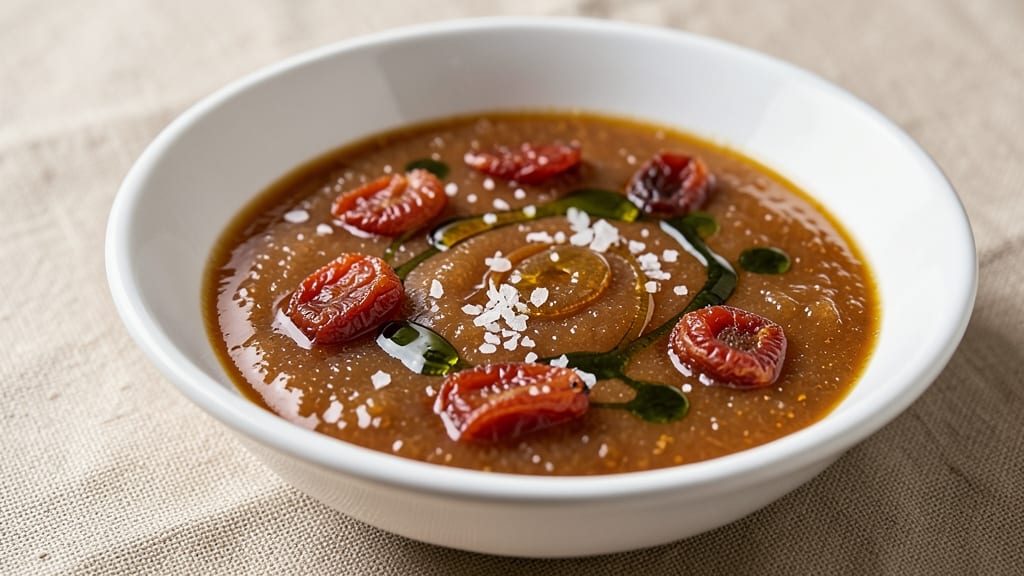
This apricot shallot sauce recipe transforms simple pantry staples into a versatile, sweet-tangy glaze that elevates everything from grilled meats to cheese boards. The secret lies in balancing caramelized shallots with apricot's natural sweetness, creating a sauce that's rich yet bright—perfect for drizzling, glazing, or pairing with sharp cheeses. I developed this recipe after years of testing fruit-based sauces, and it consistently delivers restaurant-quality results at home.
What makes this sauce special is its dual nature: it works as both a glaze for roasted chicken or pork and as a sophisticated drizzle for desserts or charcuterie.
The process is straightforward—simmering shallots until golden, then blending with apricots, vinegar, and a touch of honey creates a silky, well-rounded sauce. The key is patience during reduction, which intensifies the flavors without overpowering them.
By the time you're done, you'll have a glossy, aromatic sauce that's sweet yet tangy, with just the right balance of depth from the shallots. It thickens naturally as it cools, making it ideal for drizzling over warm dishes or storing for up to a week.
The versatility is what makes this sauce a pantry essential—transforming simple meals into something extraordinary with just a few spoonfuls.
Whether you're glazing a holiday ham, drizzling over grilled vegetables, or pairing with aged cheddar, this sauce adds a touch of elegance without complicating your cooking.
The ingredients are simple, but the results are anything but basic. Let's get started on creating this crowd-pleasing sauce that will become your new go-to condiment.
Ingredients for apricot shallot sauce
Nine simple ingredients balance sweet, tangy, and savory notes perfectly for versatile glazing and drizzling.
| Ingredient | Amount | Notes |
|---|---|---|
| Shallots 🧅 | 1 ½ cups | Thinly sliced for even caramelization |
| Dried Apricots 🍑 | 1 cup | Pitted, chopped into small pieces |
| Red Wine Vinegar 🍷 | ¼ cup | Balsamic adds depth if preferred |
| Honey 🍯 | 2 tbsp | Local raw honey enhances flavor |
| Extra-Virgin Olive Oil 🫒 | ½ cup | High-quality, fruity variety |
| Garlic Cloves 🧄 | 2 cloves | Minced for subtle garlic presence |
| Salt 🧂 | ½ tsp | Diamond Crystal preferred |
| Black Pepper 🌶️ | ¼ tsp | Freshly cracked for aroma |
| Fresh Thyme Leaves 🌿 | 1 tbsp | Or 1 tsp dried thyme |
| Water 💧 | ¼ cup | For thinning if needed |
Shallots are the flavor foundation here—look for plump, firm bulbs at the market, not shriveled ones. Whole Foods or local farmers markets often carry the best quality. Thinly slice them yourself (not pre-minced) for even caramelization. The dried apricots should be plump and chewy—Trader Joe's has a great organic variety. If you can't find them, dried plums work in a pinch. The olive oil matters too; California Extra Virgin brands like Corto or Lucini add fruity depth that cheap oils can't match.
No red wine vinegar? Apple cider vinegar or balsamic vinegar both work—just adjust the amount to taste. Fresh thyme is ideal but dried works at one-third the amount. The honey can be swapped for maple syrup (though it won't caramelize the same way). For a richer sauce, add 1 tbsp of vegan butter at the end. If you're using this as a glaze for meats, reduce the sauce slightly longer to achieve a thicker consistency—just watch it like a hawk to avoid burning.
This sauce thickens as it cools, so store it in a glass jar with a tight seal in the fridge for up to 1 week. For longer storage, divide into ice cube trays, freeze, then transfer to a bag—perfect for single-use portions. The flavors actually improve after 24 hours as the shallots' sweetness develops. Reheat gently in a saucepan with a splash of water to restore its silky texture. A little goes a long way—start with 1 tbsp per serving and adjust to taste.
Why You'll Love This Recipe
- Five-Ingredient Magic: I swear by this—just chop shallots, toss in dried apricots, and let the vinegar and honey do the work. No fancy techniques, no stress, just pure, effortless flavor.
- Sweet-Savory Balance: That first bite of honeyed apricots cutting through the sharp shallots? It’s like a flavor hug. The red wine vinegar adds this bright, tangy kick that makes it irresistible.
- Weeknight Wonder: Drizzle it over grilled chicken, toss with roasted veggies, or even slather it on toast for breakfast. Honestly, I’ve used it in at least three different meals this week—it’s that adaptable.
- Pantry Staple Power: No need to rush to the store—shallots, dried apricots, and vinegar are probably already lurking in your cupboards. Plus, a little goes a long way, so you’ll have leftovers for days without breaking the bank.
Step-by-step instructions for apricot shallot sauce
This sauce delivers a perfect harmony of sweet, tangy, and savory notes—ideal for glazing meats, drizzling over cheeses, or brightening salads.
Caramelize the Shallots for Deep Flavor
Heat the 0.5 cup extra-virgin olive oil in a medium saucepan over medium-low heat. Add the 1.5 cups thinly sliced shallots and cook, stirring occasionally, for 15-20 minutes until they become golden brown. This slow cooking transforms their natural sweetness into a rich, jammy base.
Here's the thing—don't rush this step. You're building the foundation of your sauce, so patience pays off. The shallots should be soft enough to mash slightly between your fingers but still hold their shape. If they start to brown too quickly, reduce the heat to low and keep stirring to prevent burning.
Add Apricots and Vinegar for Sweet-Tangy Balance
Once the shallots are caramelized, increase the heat to medium and add the 1 cup chopped dried apricots, 0.25 cup red wine vinegar, and 2 cloves minced garlic. Stir well to combine, scraping up any browned bits from the bottom of the pan. These bits are packed with flavor—don't let them go to waste.
Let the mixture simmer for 5-7 minutes until the apricots soften and the vinegar reduces slightly. You'll notice the sauce starting to thicken and develop a glossy sheen. This is when the sweetness of the apricots begins to meld with the tang of the vinegar, creating that signature balance we're after.
Sweeten and Season the Sauce
Reduce the heat to low and stir in the 2 tbsp honey, 0.5 tsp salt, and 0.25 tsp black pepper. Add the 1 tbsp fresh thyme leaves and let the sauce simmer gently for another 3-5 minutes. The honey will help bind everything together while adding just the right amount of sweetness to complement the tartness.
Taste the sauce at this point and adjust the seasoning if needed. You might want to add a pinch more salt to enhance the flavors or a splash more vinegar if it needs more tang. Remember, we're aiming for a well-balanced sauce that's neither cloyingly sweet nor overly sour—it should sing with complexity.
Finish and Thin to Desired Consistency
Remove the sauce from heat and let it cool slightly. If it's too thick for your liking, stir in the 0.25 cup water one tablespoon at a time until you reach your desired consistency. The sauce should coat the back of a spoon but still be pourable enough to drizzle or glaze.
For a smoother texture, you can press the sauce through a fine-mesh sieve to remove any remaining apricot skins or thyme stems. This final step ensures a silky finish that will elevate any dish you use it on. Let the sauce cool completely before storing, as it will continue to thicken as it sits.
Pro Tips For Making Apricot Shallot Sauce
- CHOP SHALLOTS SMALL: Dried apricots and shallots play hide-and-seek in this sauce. Dice the shallots into 1/8-inch pieces—any larger, and they’ll turn to mush instead of caramelizing. I learned this the hard way when my sauce ended up looking like a mushy brown paste instead of glossy and layered.
- SOAK DRIED FRUIT FIRST: Skip the soaking, and your sauce will taste like you forgot to hydrate the apricots. Toss them in warm water for 10 minutes before chopping—this plumps them up and makes them release their sweetness evenly. (Yes, even if you’re impatient like me.)
- LOW AND SLOW CARAMELIZE: Cranking the heat high to rush the shallots is a fast track to burnt bits. Keep the pan on medium-low and let them cook for 10-12 minutes until deep golden—almost jammy. The sauce’s depth comes from patience, not speed.
- BALANCE THE VINEGAR: Red wine vinegar adds brightness, but too much turns this sauce into a sad, tangy glaze. Start with 1 tablespoon, taste, then adjust—you can always add more honey later. I once ruined a batch by doubling it; the dish tasted like a balsamic dressing.
Storing and reheating your apricot shallot sauce
Fridge Storage Tips
Transfer your apricot shallot sauce to a glass jar with a tight-sealing lid while still warm—this helps prevent condensation from forming in the fridge.
Store it at 40°F or below for up to 1 week, though I’ve found the flavors actually deepen after 24 hours as the shallots' sweetness develops further.
The sauce thickens naturally as it cools, so you might want to thin it slightly with 1-2 tablespoons water before serving if it becomes too stiff. 💫
Freezer Preservation
For longer storage, divide the sauce into ice cube trays—this makes single-use portions perfect for quick glazes. Once frozen solid, transfer the cubes to a ziplock freezer bag, squeezing out excess air to prevent freezer burn.
These portions will keep for 3 months without losing quality. When ready to use, thaw overnight in the fridge or reheat directly from frozen over low heat with a splash of water.
Reheating Methods
For stovetop reheating, transfer the sauce to a small saucepan and warm over low heat with 1-2 tablespoons water to restore its silky texture. Stir constantly to prevent sticking—this sauce is delicate when cold.
Microwave reheating works too: place the sauce in a microwave-safe bowl, cover loosely, and heat in 10-second intervals on 50% power, stirring between each interval. Never boil it, or the delicate balance of flavors will break down. 🔥
Texture Recovery
If your sauce thickens too much after refrigeration, revive it by whisking in 1 tablespoon water at a time until it reaches a pourable consistency. For a smoother finish, strain through a fine-mesh sieve to remove any apricot skins or thyme stems.
I’ve found that adding ½ teaspoon honey while reheating helps restore the sauce’s natural gloss if it loses its shine during storage.
Portioning for Convenience
Consider storing the sauce in small glass jars (like 4-ounce mason jars) for easy grab-and-go use. These portions are perfect for glazing single proteins or drizzling over individual plates.
Label each jar with the date and store them in the fridge—this way, you can always grab a fresh portion without digging through the whole batch. The sauce’s natural thickening means it’s ready to use straight from the fridge with minimal thinning. ✨
Nutrition facts
Frequently asked questions
Can I substitute fresh apricots for dried?
Yes, but you'll need to adjust the recipe! Use 2 cups peeled, pitted fresh apricots instead of dried, and reduce the cooking time to 8-10 minutes (they soften faster). Add 1-2 tablespoons water if needed to prevent burning, since fresh fruit has more moisture. The sauce will be slightly fruitier but still balanced.
How can I make this sauce thicker for glazing?
Simmer the sauce uncovered for 5-7 extra minutes to reduce it further, or stir in 1 teaspoon cornstarch mixed with 1 tablespoon water at the end. For a richer texture, whisk in 1 tablespoon vegan butter while warm. Test consistency by chilling a spoonful—it should coat smoothly but still be pourable.
What's the best way to use this sauce with cheese?
Drizzle over aged cheeses like manchego or gouda for a sweet-savory contrast, or use as a dip base by thinning with 2 tablespoons heavy cream. The sauce pairs beautifully with sharp cheeses—its tangy-sweet balance cuts through the richness. For extra elegance, sprinkle with toasted pine nuts or flaky salt before serving.
Why did my sauce turn out too sweet?
This usually happens if you skipped the vinegar reduction step or used too much honey. Next time, taste before adding honey and adjust with 1-2 teaspoons vinegar to restore balance. For a quicker fix, stir in ½ teaspoon lemon juice or a pinch of smoked paprika to add depth. The shallots' natural sweetness should complement, not overpower, the other flavors.
Can I make this sauce in a slow cooker?
Combine all ingredients in your slow cooker on low heat for 4-5 hours, stirring occasionally. The gentle cooking enhances the flavors without risk of burning. For a quicker version, use high heat for 2 hours. Just watch the water level—add 1-2 tablespoons water if it gets too thick, as slow cookers reduce moisture differently.