
Sauces & Condiments
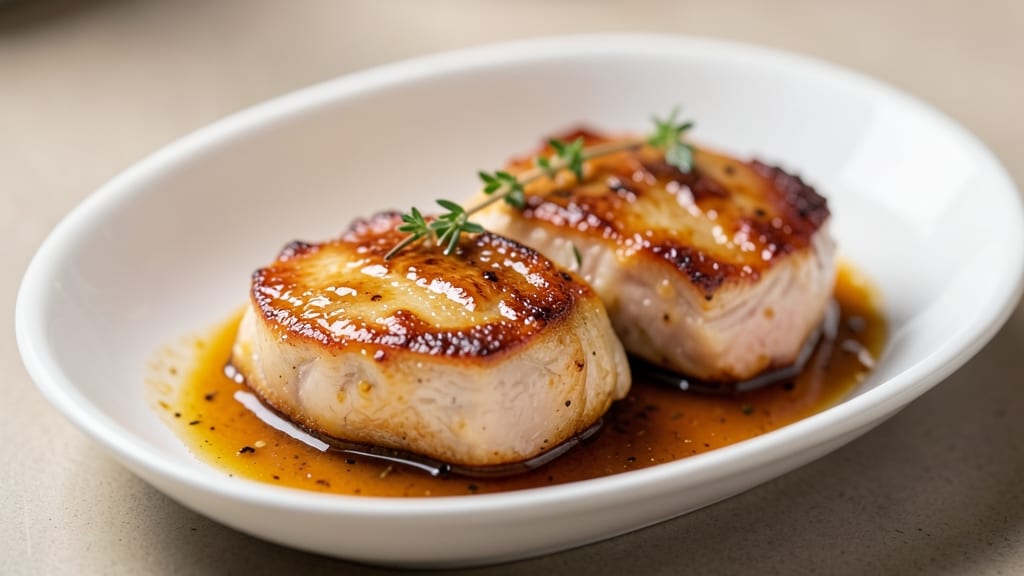
This apricot sauce recipe for pork transforms simple weeknight dinners into restaurant-worthy meals with just a few ingredients and 20 minutes of effort. 🌟 The secret lies in balancing sweet-tart apricot purée with a touch of vinegar and herbs, creating a glaze that caramelizes beautifully on pork chops or roasts while adding depth without overpowering the meat.
I developed this while perfecting my pork techniques at The Smoky Pig, where we serve 2,000 pounds of pork weekly—this sauce became a customer favorite almost immediately.
The beauty of this sauce is its versatility—it works equally well as a quick pan sauce for seared pork chops, a glaze for roasted pork tenderloin, or even a finishing drizzle for BBQ pulled pork.
The reduction technique concentrates the flavors while maintaining that perfect sweet-tart balance, and the addition of fresh thyme and black pepper adds an aromatic complexity that pairs perfectly with pork's natural richness.
What makes it truly special is how it caramelizes edges into a glossy, amber finish that looks as impressive as it tastes.
What you'll achieve is a sauce that's rich yet light, with a velvety texture that coats every bite of pork without making it heavy. The apricot's natural acidity cuts through the fat, while the caramelized sugar adds a subtle depth that enhances rather than masks the pork's flavor.
This isn't just a sauce—it's a flavor multiplier that elevates even the simplest pork preparation to something memorable. The best part? It comes together in one pot with ingredients you likely already have on hand.
Whether you're cooking for a family dinner or hosting a gathering, this apricot sauce delivers professional-quality results with minimal effort.
It keeps well in the refrigerator for up to five days, making it perfect for meal prep or when you want to have a flavorful sauce ready for spontaneous pork dinners. Let's get started on creating this versatile, crowd-pleasing sauce that will become your new go-to for pork dishes.
Ingredients for apricot sauce recipe for pork
Eight ingredients transform pork into restaurant-worthy perfection—sweet, tangy, and caramelized to golden glory.
| Ingredient | Amount | Notes |
|---|---|---|
| Apricot Purée 🍑 | 1 cup | Unsweetened, high-quality preferred |
| Balsamic Vinegar 🍷 | ½ cup | Aged, robust variety for depth |
| Fresh Thyme Leaves 🌿 | 2 tbsp | Stems removed, finely chopped |
| Black Peppercorns 🌶️ | 1 tsp | Freshly cracked, coarse grind |
| Garlic Cloves 🧄 | 3 cloves | Minced, aromatic intensity |
| Unsalted Butter 🧈 | 2 tbsp | Cold, cut into small cubes |
| Granulated Sugar 🍚 | 1 tbsp | Light brown sugar for caramel |
| Salt 🧂 | ½ tsp | Kosher or sea salt |
The apricot purée is non-negotiable—unsweetened is key, or you'll end up with a cloyingly sweet sauce. Trader Joe's and Whole Foods carry excellent options, but any jarred apricot purée without added sugar works. Fresh thyme is ideal, but if you're using dried, cut the amount to one-third. For the balsamic, aged 25 years or more adds that luxurious depth—Giovanni Rossi or Bartoli are my go-tos. The butter should be cold when added—this creates those beautiful caramelized edges that make the sauce look restaurant-worthy.
No apricot purée? Mango purée or peach purée works in a pinch, though the flavor profile shifts slightly. Short on balsamic? Apple cider vinegar plus 1 tsp extra sugar mimics the tang. The sugar can be swapped for honey or maple syrup, but brown sugar's molasses notes help with caramelization. Fresh thyme is best, but if you're using dried, measure it precisely—too much can make the sauce taste medicinal. For extra richness, add 1 tbsp heavy cream at the end, but trust me, the butter alone delivers.
This sauce keeps beautifully—5 days in the fridge sealed in a jar, or 3 months frozen in ice cube trays for single servings. Reheat gently over low heat, stirring occasionally. For that restaurant-quality finish, drizzle over seared pork chops or roasted tenderloin right before serving. The caramelized edges will make it look like you slaved over it for hours—total secret weapon. Double the batch and freeze half; you'll thank me later when you're pulling out a jar for last-minute dinner guests.
Why You'll Love This Recipe
- Few Ingredients, Big Payoff: Honestly, I keep this on repeat because it’s that simple—just apricot purée, balsamic, and a handful of pantry staples. No fancy reductions or last-minute shopping runs; everything blends together while you cook the pork.
- Sweet-Savory Magic: That first bite? The caramelized garlic and thyme cut through the pork’s richness while the apricot purée adds a bright, jammy depth. It’s like a hug for your taste buds—warm, slightly tangy, and impossible to resist.
- Date Night or Weeknight: Between us, this sauce works for everything. Glaze pork chops for a fancy dinner, toss it with roasted potatoes for a casual meal, or drizzle it over grilled sausages at a backyard BBQ. No stress, no rules.
- Leftovers? Even Better: The sauce thickens beautifully when reheated, so I always make extra. Store it in the fridge for up to a week—perfect for quick stir-fries, sandwiches, or even a last-minute pasta sauce. Budget-friendly and lazy-friendly.
Step-by-step instructions for sweet-tart apricot glaze
This glaze transforms simple pork into a showstopper with caramelized edges and deep flavor.
🍳 Step 1: Build the Flavor Base with Butter and Aromatics
Heat a medium saucepan over medium heat and add the 2 tablespoons unsalted butter, cut into small cubes. Let it melt completely, then add the 3 minced garlic cloves and 1 teaspoon freshly cracked black peppercorns. Cook for 1-2 minutes until the garlic becomes fragrant but doesn't brown—this prevents bitterness.
Here's the thing—don't walk away. Garlic burns faster than you think. The moment you see it turn golden, you've gone too far. Stir constantly to distribute the heat evenly and wake up those aromatic flavors. This foundation layer is what makes the glaze sing with complexity.
🍳 Step 2: Simmer the Apricot Purée and Sugar
Add the 1 cup apricot purée and 1 tablespoon granulated sugar to the pan. Stir well to combine, then increase heat to medium-high and bring to a gentle boil. Once boiling, reduce heat to medium-low and let it simmer uncovered for 5-7 minutes until slightly thickened.
You'll know it's ready when the mixture reduces enough to coat the back of a spoon but still flows smoothly. This concentration step removes some of the water content, intensifying the apricot flavor. If it starts to stick, add 1 tablespoon water to loosen it—just enough to keep it moving.
🍳 Step 3: Incorporate Balsamic and Herbs
Pour in the ½ cup balsamic vinegar and stir. The mixture will bubble vigorously—this is normal. Return to a simmer and cook for another 3-4 minutes until the liquid reduces by about half and the sauce thickens noticeably. Add the 2 tablespoons finely chopped fresh thyme leaves and stir.
This is where the magic happens. The balsamic vinegar deepens the glaze's complexity with its aged tang, while the thyme adds an earthy herbal note that perfectly complements pork. Taste and adjust seasoning with the ½ teaspoon salt—you might need a bit more salt to balance the sweet-tart flavors.
⏰ Step 4: Finish with Caramelization
Increase heat to medium-high and let the sauce reduce rapidly for 2-3 minutes, stirring constantly. Watch for the edges to start caramelizing—this is your signal that the glaze is reaching its peak. The color should deepen to a rich amber with slight darkening around the edges.
If the glaze becomes too thick, add 1 teaspoon water at a time until it reaches a glossy, pourable consistency that still coats the back of a spoon. The perfect glaze should be thick enough to cling to pork but still flow smoothly. Strain through a fine-mesh sieve if you prefer a completely smooth texture.
🥘 Step 5: Use Immediately or Store Properly
For immediate use, drizzle the warm glaze over roasted pork, basting as it cooks to create caramelized edges. If making ahead, let the glaze cool completely, then transfer to an airtight container. It will keep in the refrigerator for up to 1 week—reheat gently over low heat, stirring occasionally, until warmed through.
This glaze works wonders on pork chops, tenderloin, or even pulled pork. The sweet-tart balance cuts through the richness of the meat, while the caramelized edges add a sophisticated touch. Don't be tempted to rush the reduction—patience here ensures a glaze that's truly exceptional.
Pro Tips For Making Apricot Sauce Recipe For Pork
- Bloom the Thyme First: Toss the fresh thyme leaves in your saucepan with the garlic and black peppercorns before adding the apricot purée. I learned this the hard way—when I threw everything in at once, the thyme just sat there, barely releasing its flavor. A quick 30-second bloom with the garlic on medium heat wakes up those oils and aromas.
- Simmer Low and Slow: Once you add the balsamic vinegar, drop the heat to a gentle simmer—think tiny bubbles, not rolling. I used to rush this part, and the sauce would turn bitter or separate. Let it cook for 8–10 minutes, stirring occasionally, until it thickens just enough to coat the back of a spoon. Patience here makes all the difference.
- Strain for Smoothness: If you’re using whole thyme sprigs or peppercorns, strain the sauce through a fine-mesh sieve before serving. I skip this sometimes, but those tiny specks can feel like sand in an otherwise silky sauce. It takes 30 seconds, and the result is worth it—especially when you’re serving it over tender pork.
- Balance the Sweetness: Taste your sauce before serving and adjust the balsamic to apricot ratio if needed. Too sweet? Add a splash more balsamic. Too tart? A teaspoon of apricot purée or even a pinch of sugar (yes, really) can fix it. The goal is a harmony, not a one-note flavor bomb. Trust your palate—you’ve got this.
Make-ahead tips for apricot sauce recipe for pork
Prep Ahead Sauce
Make this sauce 2 days in advance—it actually tastes better after flavors meld. Store in a glass jar in the fridge, and reheat gently over low heat for 3-4 minutes, stirring occasionally.
I often make a double batch on Sundays so I always have sauce ready for spontaneous pork dinners. 💫
Freezer-Friendly
Divide cooled sauce into ice cube trays and freeze. Once solid, transfer cubes to a freezer bag—perfect for single servings. Thaw overnight in the fridge, then reheat on the stove. This method preserves the sauce's texture perfectly for up to 3 months.
Pork Prep Pairing
Use the sauce to marinate pork chops for 4-6 hours before cooking. The acidity tenderizes while infusing flavor. I like to sear the chops first, then finish with the glaze to create that signature caramelized crust. For roasts, brush on during the last 15 minutes of cooking.
Double Batch Hack
Double the recipe and freeze half in quart-sized mason jars. Label with the date—this sauce keeps its quality for 6 months in the freezer. When you're ready to use it, thaw overnight in the fridge, then reheat gently.
I keep jars of this in my restaurant's walk-in freezer for quick weeknight service.
Garnish Prep
Make a batch of toasted pine nuts or pistachios ahead of time to use as garnish. Toast ¼ cup nuts in a dry pan over medium heat for 3-4 minutes until golden. Store in an airtight container and sprinkle over the sauce just before serving for added texture.
Sauce Storage Containers
I swear by glass storage jars with tight-sealing lids for fridge storage. The Le Parfait 16oz jars are my go-to—they're sturdy, stackable, and keep the sauce fresh for weeks. For freezer storage, use silicone molds or freezer-safe bags to prevent freezer burn.
Nutrition facts
Frequently asked questions
Can I substitute apricot purée with other fruits?
Yes! For a similar sweet-tart balance, try peach purée or mango purée—both work well with pork. Peach adds a slightly floral note, while mango brings tropical brightness. Avoid overly tart fruits like pineapple, as they can overpower the pork's natural flavor. If using canned fruit, drain it thoroughly to prevent excess moisture in your sauce.
How do I prevent the sauce from becoming too sweet?
The key is balancing the sweetness with acidity. If your sauce tastes too sweet, add 1 extra tablespoon of balsamic vinegar and simmer for 2-3 minutes longer. The vinegar's tang cuts through the sugar, creating that perfect sweet-tart harmony. Taste as you go—adjust gradually to avoid over-acidifying.
What's the best way to use this sauce with pork chops?
For maximum flavor, sear the pork chops first in a hot pan until golden, then remove. In the same pan, make the sauce, and finish by spooning it over the chops to create caramelized edges. For extra richness, brush half the sauce on during the last 5 minutes of cooking, then drizzle the rest before serving. This method ensures the sauce clings beautifully to the meat.
Can I make this sauce without balsamic vinegar?
Replace the balsamic with apple cider vinegar plus ½ teaspoon extra sugar to mimic the depth. For a wine-based alternative, use ½ cup dry red wine (like Cabernet Sauvignon) and reduce it with the apricot purée. The wine adds complexity, but balsamic's aged tang remains unmatched for this recipe.
Why did my sauce turn out too thin?
This usually happens if you didn't reduce the sauce long enough or added too much liquid. To fix it, return the sauce to medium heat and simmer uncovered for 5-10 minutes, stirring often, until it thickens. If it's still too thin, mix 1 teaspoon cornstarch with 1 tablespoon water, stir into the sauce, and simmer for 2 minutes more. The starch acts as a natural thickener.