
Sauces & Condiments
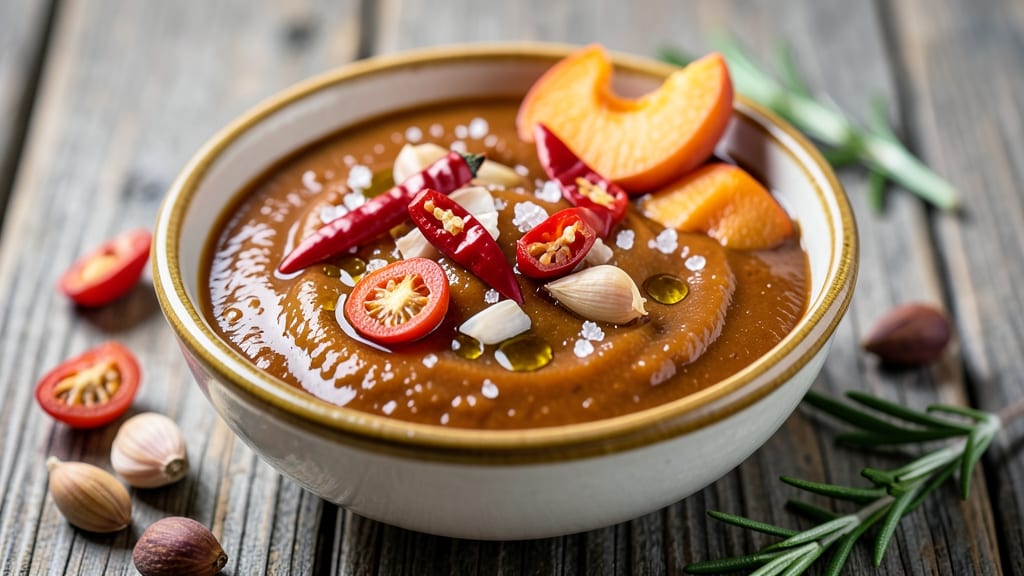
This apricot hot sauce recipe transforms sweet, jammy apricots into a complex, balanced condiment where fruity depth meets controlled heat. The secret lies in blending ripe apricots with chili peppers and vinegar, creating a sauce that's fruity enough to complement grilled meats yet spicy enough to stand alone.
I developed this recipe after years of experimenting with fruit-based hot sauces—it’s the one that finally nailed that elusive balance between sweetness and heat.
The process is straightforward but requires patience: apricots are simmered until soft, then blended with chili peppers, garlic, and a touch of sugar to round out the acidity. A slow reduction on the stove concentrates the flavors, while a final infusion of vinegar ensures tangy brightness.
The result is a sauce with layers of caramelized apricot, smoky chili, and a lingering warmth that lingers without overpowering.
What you’ll end up with is a versatile condiment that elevates everything from tacos to roasted vegetables. The apricot’s natural sweetness mellows the heat, making it approachable for those sensitive to spice while still delivering a satisfying kick.
It stores well in the fridge for up to 3 months, so you can make a big batch and enjoy it all season long.
Perfect for drizzling over grilled chicken, mixing into marinades, or serving as a dipping sauce for fries, this hot sauce proves that fruit and fire can coexist beautifully. Let’s get started—your taste buds will thank you.
Ingredients for apricot hot sauce
Sweet apricots meet fiery chilis in this vibrant sauce—where balanced heat and fruity depth shine.
| Ingredient | Amount | Notes |
|---|---|---|
| Fresh Apricots 🍑 | 1 ½ lb | Pitted and roughly chopped |
| Red Chili Peppers 🌶️ | 4 whole | Jalapeños or serranos for heat |
| Garlic Cloves 🧄 | 6 cloves | Peeled and smashed |
| White Vinegar 🍶 | ½ cup | Distilled or apple cider |
| Granulated Sugar 🍬 | ¼ cup | Light brown sugar for depth |
| Extra-Virgin Olive Oil 🫒 | ¼ cup | For richness and balance |
| Salt 🧂 | 1 ½ tsp | Diamond Crystal preferred |
| Ground Black Pepper 🌶️ | ½ tsp | Freshly cracked |
| Red Wine Vinegar 🍷 | 2 tbsp | For acidity and complexity |
| Fresh Ginger 🧅 | 1 tbsp | Grated, optional for warmth |
The apricots are the backbone here. Look for ripe, slightly soft ones—they’ll break down beautifully during simmering. Trader Joe’s and local farmers markets usually carry the best variety, or grab a can of pitted apricots in heavy syrup if fresh aren’t available. The chili peppers? Jalapeños or serranos give you that perfect balance of heat and smokiness. If you’re using serranos, wear gloves—those babies pack a punch. For garlic, peel and smash the cloves rather than mincing to avoid bitterness. And don’t skip the vinegar—it’s what ties everything together.
No fresh apricots? Canned apricots in heavy syrup work perfectly—just drain and rinse them first. Too spicy? Reduce the chili count by half or swap in milder jalapeños. The ginger is optional but adds a lovely warmth—substitute with an extra pinch of cinnamon if you’re out. For extra depth, add a splash of balsamic vinegar at the end. And if you’re feeling fancy, infuse the olive oil with a few red pepper flakes before adding it to the sauce. The sugar? It’s not just for sweetness—it helps caramelize the apricots and balances the acidity beautifully.
This sauce tastes even better after a few days as the flavors meld. Store it in a clean glass jar in the fridge for up to 3 months. The longer it sits, the more complex it gets—like a fine wine. If you make a big batch, freeze portions in ice cube trays for easy single-use servings. And trust me, you’ll want to make extra. It disappears faster than you think—especially when drizzled over grilled chicken or mixed into marinades.
Why You'll Love This Recipe
- No-Chop Necessary: I swear by this—just toss in whole apricots and peppers, no dicing required. The vinegar and sugar do all the work while you sip your coffee.
- Sweet Heat Balance: That first bite? Tangy, fruity, with a slow-building kick from the chilis. Honestly, the apricots make the heat sing—like a dessert you’d actually eat with wings.
- Pantry Staple Magic: Already have vinegar, sugar, and garlic? Done. No fancy ingredients, just pantry basics that transform into something unforgettable. (Yes, even on a Tuesday night.)
- Months of Flavor: This sauce keeps like a champ—months in the fridge, no weird aftertaste. I make a big batch, gift jars to friends, and still have leftovers for my lazy Sundays. Zero waste, all win.
Step-by-step instructions for apricot hot sauce
Here's how to craft a perfectly balanced hot sauce where sweet apricots meet fiery chili.
Prepare and Char the Base Ingredients
Start by pitting and roughly chopping the 1.5 lb fresh apricots - I prefer a knife for this rather than a food processor to preserve some texture. In a large skillet over medium-high heat, add the chopped apricots, 4 whole red chili peppers (whole, not sliced), 6 smashed garlic cloves, and 1 tbsp freshly grated ginger. Let them cook undisturbed for 8-10 minutes, stirring occasionally, until the apricots begin to soften and the peppers develop deep char marks.
The key here is achieving that smoky char on the peppers - you'll know it's ready when the peppers turn black in spots and the kitchen fills with an intense aroma. This charring builds depth of flavor that's essential for authentic hot sauce. Keep the heat steady but not too aggressive, or you'll burn the garlic before the peppers char properly.
Deglaze and Simmer the Mixture
Once the apricots are tender and the peppers are charred, carefully remove the pan from heat and add 0.5 cup white vinegar and 2 tbsp red wine vinegar. Using a wooden spoon, scrape up all the browned bits from the bottom of the pan - these contain concentrated flavors that will make your sauce sing. Return the pan to medium heat and let it simmer for 10-12 minutes, stirring occasionally, until the liquid reduces by about half.
This reduction step is crucial as it intensifies the flavors and creates the proper consistency. You'll notice the mixture darkening as the sugars caramelize slightly. If you see the sauce getting too thick before the 10 minutes are up, add 1-2 tablespoons of water to maintain proper texture. The sauce should coat the back of a spoon but still be pourable.
Add Sweetness and Balance the Flavors
Reduce the heat to low and stir in the 0.25 cup granulated sugar, 1.5 tsp salt, and 0.5 tsp ground black pepper. The sugar will help balance the heat from the chili peppers while adding complexity. Let the mixture simmer gently for another 8-10 minutes, stirring frequently, until the sugar dissolves completely and the flavors meld together.
Here's where you'll need to taste and adjust. The sauce should have a perfect balance of sweet, spicy, and tangy flavors. If it's too sweet, add a splash more vinegar. If it's too sharp, add a pinch more sugar. The 0.25 cup extra-virgin olive oil comes in next - stir it in now to help emulsify the sauce and add richness. The oil should be warm when you add it to prevent separation.
Blend and Process the Sauce
Transfer the mixture to a blender or food processor. Blend until completely smooth, scraping down the sides as needed. For a slightly textured sauce that still has some bite, pulse briefly instead of blending completely. The consistency should be somewhere between thick ketchup and thin BBQ sauce - it should coat the back of a spoon but still pour easily.
I like to taste the sauce at this stage before final adjustments. The blend should reveal all the individual components - the sweetness of the apricots, the heat from the peppers, the garlicky depth, and the bright acidity. If you want to mellow the heat slightly, you can add a bit more of the apricot puree or sugar. For extra complexity, strain the sauce through a fine-mesh sieve to remove any remaining skin or seeds.
Bottle and Rest for Maximum Flavor
Transfer the hot sauce to clean glass bottles or jars, leaving about ¼ inch headspace at the top. The sauce will continue to develop flavors as it rests. Let it sit at room temperature for at least 24 hours before using - this resting period allows all the flavors to fully integrate and the heat to mellow slightly.
For best results, store the hot sauce in the refrigerator where it will keep for up to 3 months. The flavors will continue to evolve over time, becoming more complex and balanced. When ready to use, shake the bottle gently before serving to redistribute any settled ingredients. This sauce pairs beautifully with grilled meats, fried foods, or even as a drizzle over fresh mozzarella and basil.
Pro Tips For Making Apricot Hot Sauce
- CHAR THE APRICOTS FIRST: Fresh apricots will turn to mush if you toss them in raw—blister them first. Cut them in half, pit them, and sear skin-side down in a dry skillet over medium-high for 2-3 minutes until charred in spots. This caramelizes the fruit and keeps the sauce from turning into apricot soup.
- PEEL THE CHILIS CLEAN: Skip the seeds if you want heat without capsaicin burn, but don’t just wipe them—peel the skin off first. Blister whole peppers in the same skillet as the apricots, then rub them with a damp paper towel to remove the charred skin before blending. Your sauce will be smoother and less bitter.
- USE LESS SUGAR: The apricots and vinegar already bring enough natural sweetness—start with half the sugar called for and taste as you go. Adding sugar later lets you adjust for tartness without overpowering the fruit’s depth. (I’ve ruined batches by dumping in all the sugar upfront.)
- STRAIN THE GARLIC: Mince the garlic fine, then press it through a mesh strainer or cheesecloth into the sauce. This removes the harsh bits and gives you silky texture without the gummy mouthfeel of blended cloves. Worth the extra 30 seconds—your sauce will taste like it was made by a pro.
Storing and reheating your leftovers
Fridge Storage Essentials
Store your apricot hot sauce in a clean glass jar with an airtight lid—glass preserves flavor better than plastic and won’t absorb odors. I use Mason jars because they’re sturdy and stackable, but any amber or cobalt glass bottle works too.
Leave ¼-inch headspace at the top to prevent oxidation and mold growth. The sauce will keep in the fridge for up to 3 months, with flavors deepening over time like a fine wine. 🥫
Freezer Preservation
For longer storage, freeze the sauce in ice cube trays for single-use portions or silicone molds for easy drizzling. Once frozen, transfer cubes to a freezer-safe bag with all air removed to prevent freezer burn.
Label with the date—it’ll stay good for 6 months without losing quality. Thaw overnight in the fridge before using, or pop a cube directly into hot dishes like stir-fries or soups. ❄️
Reheating for Maximum Flavor
Gently reheat the sauce on the stovetop over low heat for 3-5 minutes, stirring occasionally, until warmed through. Avoid microwaving—it can break down the sauce’s delicate emulsification and make it separate.
If the sauce thickens during reheating, add 1-2 teaspoons of water or vinegar to restore its silky consistency. Always taste before serving to adjust heat or sweetness levels. 🔥
Reviving Thickened Sauce
If your sauce thickens after storage, thin it with 1-2 teaspoons of vinegar or water while stirring vigorously. For a smoother texture, blend briefly in a mini food processor or immersion blender.
If the sauce separates due to oil, whisk in ½ teaspoon of mustard or honey to help re-emulsify it naturally. Never add cold oil—it’ll create an unappetizing layer on top. 💡
Portion Control Tips
Use pipettes or squeeze bottles for precise drizzling—this prevents waste and makes serving fun. For kids or heat-sensitive eaters, dilute with equal parts apricot jam or honey to mellow the spice while keeping the fruity flavor.
I keep a small bottle in the fridge for quick access and store the rest in the freezer for long-term use. 🍯
Nutrition facts
Frequently asked questions
Can I substitute dried apricots for fresh?
Yes, but you'll need to adjust the liquid balance. Use ½ cup dried apricots (about 1 oz) rehydrated in ½ cup hot water for 20 minutes before using in the recipe. The dried version is more concentrated, so reduce the sugar by 1 tablespoon to prevent over-sweetness. The texture will be slightly thicker, but the flavor remains rich and jammy.
How do I adjust the heat level?
For milder heat, remove the seeds and membranes from the chili peppers before charring, or use 2 jalapeños instead of 4 serranos. To increase spice, add 1-2 extra serranos or a pinch of cayenne pepper at the end. Always taste as you go—you can't remove heat once it's added, but you can balance it with more apricot puree or sugar.
Why did my sauce separate?
Separation usually happens when oil and liquid aren't properly emulsified. Stir in ½ teaspoon of mustard or honey to help bind the ingredients, then blend briefly with an immersion blender. Avoid adding cold oil—always use warm oil to prevent separation. If it happens again, reduce the oil to 2 tablespoons next time and stir constantly during reheating.
Can I make this sauce without vinegar?
While vinegar is essential for tang and preservation, you can substitute with lemon juice or apple cider in equal amounts. However, vinegar's acidity helps balance the sweetness and extends shelf life. If using lemon juice, add ½ teaspoon of citric acid to mimic vinegar's preservation properties. The flavor will be slightly different but still delicious.
What are the best ways to use this hot sauce?
This versatile sauce shines on grilled meats, fried chicken, or tacos, but it's also perfect for drizzling over pizza, roasted vegetables, or even popcorn. Mix it into marinades for extra depth, or use it as a dipping sauce for fries or spring rolls. The fruity heat pairs surprisingly well with goat cheese or shrimp cocktails too.