
Sauces & Condiments
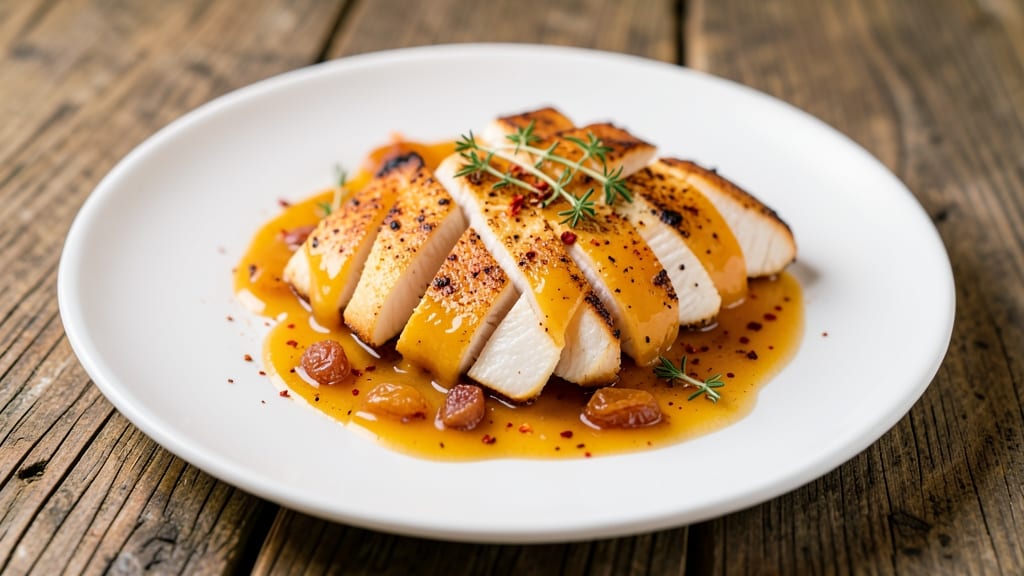
This apricot chicken sauce recipe transforms simple pantry staples into a rich, sweet-tangy glaze with layers of warmth from cinnamon and ginger.
The secret lies in simmering dried apricots with vinegar and sugar until they burst into a velvety sauce—perfect for drizzling over grilled chicken, roasted vegetables, or even as a dipping sauce.
I developed this recipe after years of testing apricot-based sauces, and the balance of sweetness, acidity, and subtle spice is what sets it apart.
The process is straightforward but requires patience: dried apricots steep in warm vinegar to soften, then simmer with aromatic spices until the sauce thickens to a glossy, coatable consistency. A quick blend ensures a smooth texture without losing the rustic depth of the dried fruit.
This sauce isn’t just about sweetness—it’s the harmony of flavors that makes it special, with a hint of garlic and a pinch of red pepper flakes adding complexity.
What you’ll end up with is a sauce that’s versatile yet refined, cutting through rich proteins while adding a touch of elegance. It keeps well in the refrigerator for up to two weeks, making it ideal for meal prep or gifting.
Whether you’re glazing a Sunday roast or elevating a weeknight stir-fry, this sauce delivers restaurant-quality results with minimal effort.
For extra depth, toast the spices in a dry pan before adding them to the sauce—this step amplifies their aroma and flavor. The sauce also freezes beautifully, so you can make a big batch and store it for future use. Ready to elevate your dishes with this apricot chicken sauce?
Ingredients for apricot chicken sauce
Nine simple ingredients create this velvety apricot glaze with layers of warmth and tang.
| Ingredient | Amount | Notes |
|---|---|---|
| Dried Apricots 🍑 | 1 cup | Chopped into small pieces |
| White Vinegar 🍶 | ½ cup | White or apple cider |
| Granulated Sugar 🍚 | ½ cup | Light or dark brown works too |
| Garlic Cloves 🧄 | 3 cloves | Minced for depth |
| Ground Cinnamon 🌿 | 1 tsp | Toasted for warmth |
| Ground Ginger 🌶️ | ½ tsp | Freshly ground preferred |
| Red Pepper Flakes 🔥 | ¼ tsp | Adjust for heat preference |
| Fresh Thyme Leaves 🌿 | ¼ tsp | Or 1/4 tsp dried thyme |
| Extra-Virgin Olive Oil 🫒 | ¼ cup | For richness and smoothness |
| Salt 🧂 | ½ tsp | Kosher or sea salt |
The dried apricots are the star—look for plump, moist ones in the baking aisle, not the shriveled kind. Trader Joe's and Whole Foods usually carry the best quality, but any brand works if they're not rock-hard. Soak them in warm vinegar for 15 minutes before cooking to soften them up faster (trust me, it's worth it). The garlic and thyme add that hidden herb depth the intro promises—fresh is ideal, but dried works in a pinch if you're short on time. Toast the cinnamon and ginger in a dry pan for 30 seconds first—this step makes the spices sing.
No dried apricots? Substitute dried peaches or mango for a similar texture, though the flavor will shift slightly. Running out of vinegar? Lemon juice at half the amount works, but you'll lose some of that tangy depth. The sugar can be swapped for maple syrup or honey (though honey isn't vegan), but granulated keeps it neutral. For extra richness, add 1 tablespoon of tahini at the end—it blends right in and adds a nutty note. If you're making this for a crowd, double the batch and store extras in the freezer for up to 6 months.
This sauce thickens as it cools, so don't worry if it looks too thin right after blending. Store it in a glass jar in the fridge for up to 2 weeks—it actually tastes better the next day as the flavors meld. For gifting, portion into small jars with a ribbon and a handwritten note. Freezes beautifully for 6 months, though the texture might separate slightly. Just stir it back together before using. The olive oil on top helps preserve the color and keeps the surface from drying out.
Why You'll Love This Recipe
- I’ll be real: dried apricots are my pantry hero. You don’t need to soak them—just chop and toss into the simmering vinegar and sugar. The plump texture happens naturally, and the sauce thickens while you’re still chopping garlic. (Yes, even on a Tuesday night.)
- No-Soaking Required: I’ll be real: dried apricots are my pantry hero. You don’t need to soak them—just chop and toss into the simmering vinegar and sugar. The plump texture happens naturally, and the sauce thickens while you’re still chopping garlic. (Yes, even on a Tuesday night.)
- Sweet-Savory Magic: The cinnamon and vinegar might sound odd, but trust me—it’s ridiculously good. The dried apricots melt into a jammy, tangy-sweet base, while the garlic adds a sharp kick. It’s like a grown-up version of that childhood jam you slathered on toast, but way more interesting.
- Leftovers That Shine: This sauce doubles as a marinade, a glaze, or a quick stir-in for rice. I’ve used it to coat chicken thighs, drizzled it over roasted carrots, and even thinned it with broth for a soup. The flavors only get better after a day in the fridge—it’s my secret weapon for lazy weeknights.
Step-by-step instructions for apricot chicken sauce
This sauce builds flavor layer by layer—start with the apricots and end with a perfect balance of sweet, tangy, and aromatic notes.
Soften the Apricots in Vinegar
Place the 1 cup chopped dried apricots in a small saucepan with the 0.5 cup white vinegar. Bring to a gentle simmer over medium heat and cook for 8-10 minutes until the apricots soften and release their jammy essence. You'll see them plump up and turn translucent—this is your signal they're ready. Stir occasionally to prevent sticking, but don't let them burn. The vinegar will mellow out as it cooks, creating the tangy foundation of your sauce.
Once softened, mash the apricots lightly with a wooden spoon to break them down while leaving some texture. This creates a thicker, more cohesive sauce later. If the mixture looks too thick, add 1-2 tablespoons of water to loosen it slightly. The goal is a smooth, jam-like consistency that will blend seamlessly with the other ingredients.
Build the Spiced Base
In a separate small skillet, heat the 0.25 cup extra-virgin olive oil over low heat. Add the 3 minced garlic cloves and sauté for 30 seconds until fragrant—you should smell that unmistakable garlic aroma without any browning. Immediately add the 1 tsp ground cinnamon, 0.5 tsp ground ginger, 0.25 tsp red pepper flakes, and 0.25 tsp fresh thyme leaves. Stir constantly for 1 minute to toast the spices gently, which deepens their flavors and prevents bitterness.
Transfer the spiced oil to the saucepan with the apricot mixture. Add the 0.5 cup granulated sugar and 0.5 tsp salt, then stir well to combine. The sugar will dissolve quickly, but keep the heat at medium-low to prevent scorching. This step is where the magic happens—the spices infuse the apricot-vinegar mixture, creating a complex aromatic base that will elevate your chicken.
Simmer and Thicken the Sauce
Bring the sauce to a gentle simmer over medium heat, then reduce the heat to low and let it cook uncovered for 15-20 minutes. Stir occasionally to prevent sticking, and watch for the sauce to thicken slightly—it should coat the back of a spoon but still be pourable. You're looking for a glossy, syrupy consistency that will cling beautifully to chicken or rice.
Taste and adjust the balance: if it needs more sweetness, add 1 tablespoon sugar; if it's too sharp, a splash of vinegar will help. The sauce should be harmonious—sweet from the apricots and sugar, tangy from the vinegar, with warm spice notes and a subtle kick from the red pepper flakes. If you're serving this over chicken, reduce the sauce to about 1 cup total—it will thicken further as it sits.
Finish and Use Immediately
Once the sauce reaches your desired consistency, remove it from heat and let it cool slightly for 2-3 minutes. This resting period allows the flavors to meld and the sauce to thicken further. The sauce will keep in the refrigerator for up to 5 days, but it's best used fresh—its vibrant flavors and glossy texture are at their peak when served immediately.
Use this sauce to glaze grilled or roasted chicken, drizzle over rice or couscous, or serve as a dip for warm flatbread. The subtle heat from the red pepper flakes and the earthy thyme make this sauce more complex than it appears—don't skip the spices! For extra richness, stir in 1 tablespoon of butter at the end, but keep the heat off to prevent separation.
Pro Tips For Making Apricot Chicken Sauce
- SOAK DRY APRICOTS FIRST: Dried apricots stay stubbornly tough if you toss them in straight from the jar—soak them in warm water for at least 10 minutes before chopping. I learned this the hard way when my sauce ended up with chewy bits that refused to break down, no matter how long I simmered.
- SIMMER LOW AND SLOW: This sauce isn’t a race. Once you add vinegar and sugar, keep the heat at a gentle bubble—any higher and you’ll end up with a grainy mess instead of a glossy, balanced sauce. After burning three batches, I finally figured out that patience here makes all the difference.
- CHOP GARLIC FINE: Whole garlic cloves? No. Minced or crushed garlic blends into the sauce smoothly, while cloves just sit there like stubborn guests. If you’re lazy (like me), use a garlic press—it’s faster and ensures even distribution.
- BALANCE SWEET AND SOUR: Taste as you go. If the vinegar tastes sharp, add a pinch more sugar. If it’s cloying, splash in another teaspoon of vinegar. My grandmother swore by this, and she was right: the sauce should taste like a well-made jam, not candy or pickle juice.
Best sauces and condiments for this recipe
Glazed Chicken Pairing
This sauce transforms simple grilled or roasted chicken into a showstopper. Brush it on during the last 5-7 minutes of cooking at 400°F for a caramelized crust. I love using it on bone-in thighs because the sauce clings beautifully to the skin, creating a crispy, sticky exterior.
For extra drama, finish with a sprinkle of toasted sesame seeds or crumbled feta cheese—the contrast of textures makes every bite exciting. 🍗
Vegetable Drizzle
Drizzle this sauce over roasted vegetables like carrots, Brussels sprouts, or sweet potatoes to add sweetness and depth. Toss them with 2 tablespoons of olive oil, roast at 425°F for 20-25 minutes, then finish with the sauce.
The natural sweetness of the vegetables pairs perfectly with the tangy-spiced apricot glaze. I also love it on grilled eggplant—the sauce soaks into the flesh beautifully. 🥕
Rice or Couscous Elevator
Stir 2-3 tablespoons of sauce into steamed white rice or fluffy couscous for an instant flavor boost. The sauce's thickness helps it cling to each grain, making every bite flavorful. I recommend using jasmine rice for its delicate, slightly floral notes that complement the sauce's warm spices.
For extra richness, top with a dollop of Greek yogurt or a sprinkle of toasted pistachios. 🍚
Dipping Sauce
Serve this sauce warm as a dip for warm pita bread, naan, or spring rolls. The combination of sweet, tangy, and spicy flavors makes it irresistible. For extra flair, add a few drops of hot honey or a pinch of smoked paprika before serving.
I often use it as a dip for grilled chicken skewers—the sauce adds moisture and flavor with every bite. 🍞
Breakfast Twist
Use this sauce as a glaze for pancakes or waffles—it adds a unique sweet-tangy twist to breakfast. Warm the sauce slightly and drizzle over freshly made pancakes, then top with whipped cream or fresh berries.
The cinnamon and ginger in the sauce make it feel like a cozy dessert, but it's a fun breakfast upgrade. I also love it on French toast—the texture contrasts perfectly with the crispy exterior. 🥞
Storage and Reuse
This sauce keeps well in the fridge for up to 2 weeks in an airtight container. For longer storage, freeze it in ice cube trays—thaw and use as needed. The sauce thickens as it cools, so stir in 1-2 teaspoons of water before reheating.
I often use leftover sauce to glaze roasted nuts or mix it into yogurt-based dips for a sweet-spicy kick. 💡
Nutrition facts
Frequently asked questions
Can I use fresh apricots instead of dried?
Fresh apricots won't work for this recipe—they lack the concentrated sweetness and jammy texture needed to create a thick, glossy sauce. The drying process intensifies the fruit's flavors, which is essential for balancing the tangy vinegar and spices. If you're set on fresh fruit, try peaches or mangoes (dried or canned) as substitutes, but dried apricots are the secret to that perfect consistency.
How can I adjust the sweetness level?
Start with the recipe as written, then taste and adjust after simmering. For less sweetness, reduce the sugar to 0.375 cup and add 1 extra tablespoon of vinegar to balance. For more sweetness, add 1-2 tablespoons of honey or maple syrup at the end—just remember it will thicken the sauce further. The key is harmony: the sauce should complement, not overpower, your dish.
Why did my sauce turn out too thin?
Sauce thickness depends on simmering time and ingredient ratios. If yours is too thin, simmer uncovered for an extra 5-10 minutes to reduce it. For immediate thickening, mix 1 teaspoon of cornstarch with 1 tablespoon water, stir in, and cook for 2 more minutes. The sauce should coat the back of a spoon but remain pourable—this is the ideal consistency for glazing or drizzling.
Can I make this sauce without olive oil?
Yes, but the texture and flavor will change. Replace with butter (same amount) for richness or avocado oil for a neutral taste. If using butter, add it at the very end and keep heat low to prevent separation. For a vegan version, substitute with coconut oil (melted) or neutral vegetable oil, though the sauce may have a slightly lighter body. The oil helps emulsify the sauce and carry the spices.
How can I make this sauce spicier?
Double the red pepper flakes to 0.5 teaspoon or add 1/4 teaspoon of cayenne pepper for heat. For smoky depth, stir in 1/2 teaspoon of smoked paprika at the end. If you prefer a gradual heat build, add a few drops of hot honey or a pinch of crushed chili flakes when serving. Remember, the spices toast during cooking, so adjust before simmering for maximum flavor impact.