
Sauces & Condiments
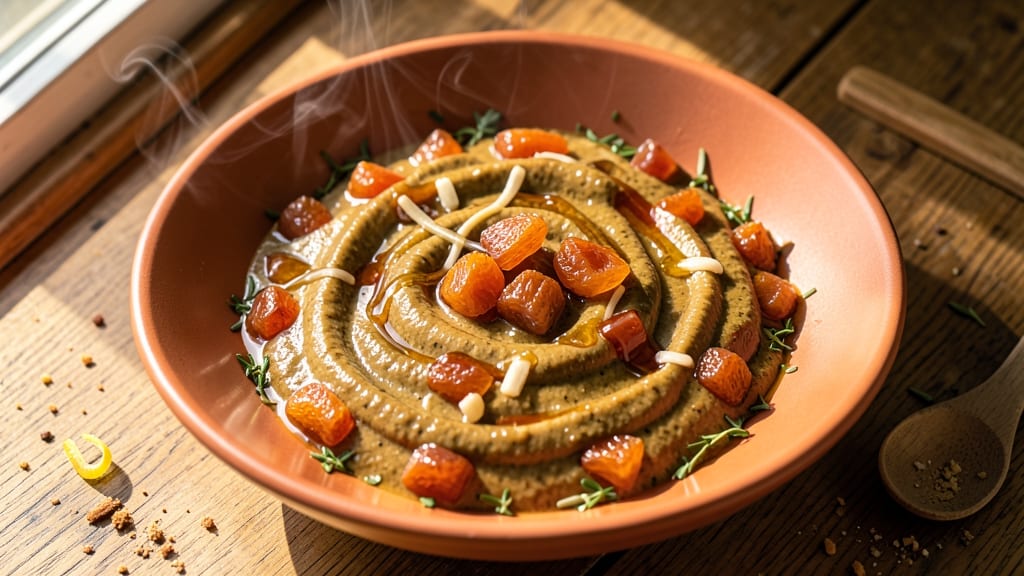
This apricot mustard sauce transforms ordinary grilled chicken and salmon into restaurant-worthy masterpieces with just a few simple ingredients. The perfect balance of sweet, tangy, and slightly spicy flavors comes together in minutes, creating a versatile glaze that elevates any protein.
I developed this sauce after years of experimenting with fruit-based marinades, and it’s now my go-to for weeknight dinners and special occasions alike.
The secret lies in simmering dried apricots with Dijon mustard, apple cider vinegar, and a touch of honey until the mixture thickens into a glossy, velvety sauce. No fancy equipment is needed—just a saucepan and a blender (or immersion blender) to achieve that silky texture.
The sauce works equally well as a marinade, drizzle, or dipping sauce, making it incredibly adaptable for any meal.
What you’ll end up with is a rich, aromatic sauce that caramelizes beautifully when brushed onto grilled meats, creating a glossy finish that’s both visually stunning and packed with flavor. The apricots add natural sweetness, while the mustard and vinegar provide the perfect tangy kick.
This sauce keeps well in the refrigerator for up to a week, so you can make a batch ahead and have it ready whenever inspiration strikes.
Whether you’re grilling chicken, salmon, or even tofu, this apricot mustard sauce will take your dish to the next level. Pair it with fresh herbs like thyme or parsley for an extra layer of freshness, and don’t be afraid to experiment with different proteins. Let’s get cooking!
Ingredients for apricot mustard sauce
Sweet, tangy, and packed with restaurant-quality flavor—this sauce comes together in minutes.
| Ingredient | Amount | Notes |
|---|---|---|
| Dried Apricots 🍑 | ½ cup | Chopped into small pieces |
| Dijon Mustard 🌶️ | 2 tbsp | High-quality for best flavor |
| Apple Cider Vinegar 🍏 | ¼ cup | Unfiltered for extra tang |
| Honey 🍯 | 2 tbsp | Wildflower preferred |
| Fresh Garlic 🧄 | 2 cloves | Minced for aromatic punch |
| Extra-Virgin Olive Oil 🫒 | ¼ cup | For richness and smoothness |
| Fresh Ginger 🌿 | 1 tbsp | Grated, for subtle spice |
| Salt 🧂 | ½ tsp | Diamond Crystal preferred |
| Black Pepper 🌶️ | ¼ tsp | Freshly cracked |
| Water 💧 | ¼ cup | For thinning if needed |
The dried apricots are the star here, so look for plump, moist ones—none of that shriveled-up grocery store stuff. I always grab mine from Trader Joe's or the bulk bin at Whole Foods because they're less likely to be dried out. The Dijon mustard should be 100% mustard seed—none of that cheap, watery stuff. If you can't find Dijon, whole-grain mustard works in a pinch, but it'll be slightly grainier. The honey? Wildflower is ideal, but any good-quality honey will do—just avoid the imitation stuff.
No honey? Maple syrup works perfectly, though it'll have a deeper flavor. Fresh out of garlic? Garlic powder at half the amount gets you close, but you'll lose that fresh aroma. The olive oil matters here—use something fruity and peppery, not the cheap cooking oil. For extra depth, a pinch of red pepper flakes adds subtle heat. The sauce should be thick enough to coat the back of a spoon, but if it's too stiff, just add a splash of water or vinegar to loosen it up.
This sauce keeps beautifully in the fridge for up to a week—just store it in an airtight jar. I like to make a double batch because it's so versatile. It reheats perfectly in the microwave or on the stovetop, though I prefer it at room temperature for brushing. Freezes for up to 3 months if you want to prep ahead. The flavors actually improve overnight as everything melds together—trust me on that.
Why You'll Love This Recipe
- Five-Ingredient Magic: I swear by this—just chop, blend, and go. No fancy techniques here, just dried apricots soaking in warm water while you minced garlic hits the pan. Honestly, it’s the kind of recipe that makes me feel like a home cook hero.
- Sweet-Savory Balance: That first bite? Chef’s kiss. The honey and vinegar play tag with the Dijon’s tang, while the garlic adds a punch that lingers. It’s not too sweet, not too sharp—just perfectly layered, like a hug in sauce form.
- Glazes & Dips: Slather it on grilled chicken, drizzle over roasted veggies, or toss with couscous—this stuff does it all. Between us, I’ve even used it as a dip for crusty bread when I’m too tired to cook. (Yes, even on a Tuesday night.)
- Pantry Goldmine: A little goes a long way, and it keeps for weeks in the fridge. I make a big batch, freeze half, and suddenly I’ve got a flavor bomb ready for whenever I crave something special without breaking the bank. Budget win, flavor win.
Step-by-step instructions for apricot mustard sauce
This sauce comes together faster than you'd expect—just 15 minutes of hands-on time for a glaze that's perfect over grilled chicken or salmon.
Soak and Chop the Dried Apricots
Place the 0.5 cup dried apricots in a small heatproof bowl and pour 0.25 cup hot water over them. Let them soak for 5 minutes—this jumpstarts the rehydration process and makes them easier to chop. While they soak, use a sharp knife to finely chop them into small pieces, about ¼-inch in size. You want them to break down completely during cooking, so don't worry if they're not perfect cubes.
Here's the thing—if you skip soaking, the apricots will stay tough and chewy in the sauce. The water also helps balance the acidity from the vinegar later. Drain any excess water after chopping, but don't rinse them clean. A little moisture helps create a smoother sauce.
Sauté Garlic and Ginger Until Fragrant
Heat 0.25 cup extra-virgin olive oil in a small saucepan over medium heat. Add the 2 minced garlic cloves and 1 tbsp grated fresh ginger, stirring constantly for 1-2 minutes until the garlic is light golden and the ginger releases its bright aroma. You'll smell it—this is where the sauce gets its depth of flavor.
Don't walk away. Garlic burns in seconds, and you want it to perfume the oil without turning bitter. If the pan starts to smoke, reduce the heat to low and let the aromatics cook gently. The ginger should soften slightly but remain vibrant in color—this ensures it adds warmth without overpowering the sweet-tart balance.
Combine Wet Ingredients for the Base
Pour in the 0.25 cup apple cider vinegar and 2 tbsp honey, stirring to dissolve the honey completely. Add the 2 tbsp Dijon mustard and the soaked, chopped apricots, then bring the mixture to a gentle simmer over medium-low heat. Let it cook for 5-6 minutes, stirring occasionally, until the sauce thickens slightly and coats the back of a spoon.
This is where the magic happens—the vinegar cuts through the sweetness, the mustard adds tangy depth, and the honey rounds everything out. You'll see the sauce reduce by about 25% as it simmers. If it starts to look too thick before the 5 minutes are up, add 1-2 tablespoons of the reserved apricot soaking water to loosen it.
Season and Simmer to Perfection
Add the 0.5 tsp salt and 0.25 tsp black pepper, then taste the sauce. You're aiming for a balance where the sweetness of the apricots and honey shines, but the vinegar and mustard keep it bright and tangy. Adjust the seasoning now—you might need a touch more salt or a splash of vinegar to hit that perfect equilibrium.
Simmer the sauce for another 2-3 minutes until it reaches your desired consistency. It should coat the back of a spoon smoothly but still be pourable enough to glaze proteins. If it's too thick, thin it with 1 tablespoon water at a time. For grilled chicken or salmon, you want a sauce that clings beautifully without being watery.
Strain and Cool for Best Results
Remove the sauce from heat and let it cool for 5 minutes. Then, strain it through a fine-mesh sieve into a clean bowl to remove any remaining apricot skins or ginger bits. This step ensures a silky-smooth texture that coats your protein perfectly. Press the solids gently with a spoon to extract every last bit of flavor.
Let the sauce sit at room temperature for 10 minutes before using. This resting period allows the flavors to meld completely. The sauce will thicken slightly as it cools, so if you're using it immediately, give it a quick stir to loosen it. Now you're ready to drizzle it over grilled chicken, salmon, or even roasted vegetables for a sweet-tangy finish.
Pro Tips For Making Apricot Mustard Sauce
- SOAK THE APRICOTS FIRST: Dried apricots are tough little devils when raw—soak them in warm water for 15 minutes before blending. I learned this the hard way after choking on a chewy, unyielding chunk mid-sauce. Warm water works faster than cold, and it softens them just enough to blend smoothly without turning the sauce into a gritty mess.
- SMASH THE GARLIC: Skip the mincer—crush the garlic cloves with the flat side of your knife first. This releases more flavor and prevents clumps in the sauce. I used to blend it whole, and it’d just sit there like a lump in the sauce, no matter how much I pulsed. A quick smash before adding it to the pot makes all the difference.
- WHISK IN THE MUSTARD: Stir the Dijon mustard into the warm (not boiling) sauce while whisking constantly. Cold mustard in hot liquid curdles faster than you can say "gloppy disaster." I’ve ruined three batches by dumping it in too fast—now I mix it into a little honey first to temper it, then whisk it in slowly.
- BALANCE THE VINEGAR LAST: Add the apple cider vinegar at the very end, just before tasting. It’s the acid that brightens everything, but too much too soon can make the sauce taste harsh. I used to add it all upfront, and the sauce would taste like a sour punch. Now I let the honey and mustard play first, then adjust the vinegar to taste.
Essential equipment for this recipe
Small Saucepan
You’ll need a small, heavy-bottomed saucepan (about 1-quart capacity) to prevent scorching while simmering the sauce. I use my Calphalon stainless steel saucepan—it distributes heat evenly and handles the acidity of the vinegar without reacting.
If you don’t have one, a well-seasoned cast iron skillet works too, but watch the heat closely to avoid burning the garlic or ginger. 🔥
Immersion Blender
An immersion blender (like the Ninja MagiChef) is my secret weapon for achieving that ultra-smooth texture without transferring hot liquid to a countertop blender. Simply blend the sauce directly in the saucepan after simmering—just be careful not to splash hot liquid everywhere.
If you don’t have one, transfer the sauce to a high-speed blender (like the Vitamix) for a few seconds until silky. Just let it cool slightly first to avoid steam explosions.
Fine-Mesh Sieve
A fine-mesh sieve (I love the OXO Good Grips) is essential for straining out any apricot skins or ginger bits that could make your sauce grainy. Press the solids with a spoon to extract every last drop of flavor—don’t skip this step!
If you don’t have one, a cheesecloth-lined colander works in a pinch, but it’ll take longer to press out the liquid. For a quick fix, a clean kitchen towel can work, but it won’t be as efficient. ✨
Measuring Spoons
Precision matters with this sauce, so invest in a set of stainless steel measuring spoons (like the OXO Stainless Steel set) for accurate measurements of the Dijon mustard, honey, and spices.
A pinch too much salt or vinegar can throw off the balance, so don’t eyeball it—especially when adjusting seasoning at the end. I keep mine near the stove for easy access while cooking. 💡
Heatproof Bowl
Use a heatproof glass or ceramic bowl (like Pyrex) for soaking the dried apricots—it should handle hot water without cracking. This step is crucial for rehydrating the apricots evenly before chopping.
If you’re in a hurry, a small stainless steel bowl works too, but glass is easier to clean and more forgiving if you accidentally pour boiling water directly into it. Just let the apricots soak for the full 5 minutes—skipping this step can leave them tough in the sauce.
Wooden Spoon
A wooden spoon (I prefer olive wood for its neutral flavor) is perfect for stirring the sauce without scratching your saucepan. Wood also helps prevent the sauce from sticking to the bottom as it thickens.
Avoid metal spoons—they can react with the acidity of the vinegar over time. Keep it handy while simmering to prevent scorching, especially when the sauce reduces. 🌟
Nutrition facts
Frequently asked questions
Can I substitute fresh apricots for dried in this sauce?
Yes, but you'll need to adjust the recipe. Use 1 cup peeled, pitted, and diced fresh apricots instead of dried, and reduce the apple cider vinegar to 2 tablespoons since fresh fruit has more natural moisture. Simmer for 3-4 minutes less to avoid breaking down the fruit too much. The sauce will be slightly less concentrated but still delicious!
How can I make this sauce spicier?
Add ½ teaspoon of cayenne pepper or 1 teaspoon of crushed red pepper flakes while simmering for a subtle kick. For deeper heat, stir in 1 teaspoon of hot sauce at the end. If you love bold flavors, try a pinch of smoked paprika for a smoky-spicy twist. Always taste first—you can adjust to your preference!
Can I use this sauce as a marinade?
This sauce works perfectly as a marinade for chicken, pork, or salmon. For best results, marinate proteins for 2-4 hours (or overnight for deeper flavor). Use ½ cup of sauce per pound of meat, then grill or bake as usual. The sauce will caramelize beautifully while cooking, creating a sticky, flavorful crust.
Why did my sauce turn out too thick?
This usually happens if you simmered it too long or didn't add enough liquid. Thin it with 1-2 tablespoons of water, vinegar, or apricot soaking liquid at a time while stirring. For future batches, keep an eye on the sauce and remove it from heat as soon as it coats the back of a spoon. If it's still too thick after thinning, it might work better as a dip or spread!
What are some unexpected uses for this sauce?
Try it as a glaze for roasted vegetables, a dip for spring rolls, or a drizzle over grilled cheese sandwiches! It also pairs beautifully with aged cheeses like brie or gouda, or as a sweet-savory topping for pancakes. For a unique twist, mix 1 tablespoon into mayo for a fruity sandwich spread. The possibilities are endless!