
Sauces & Condiments
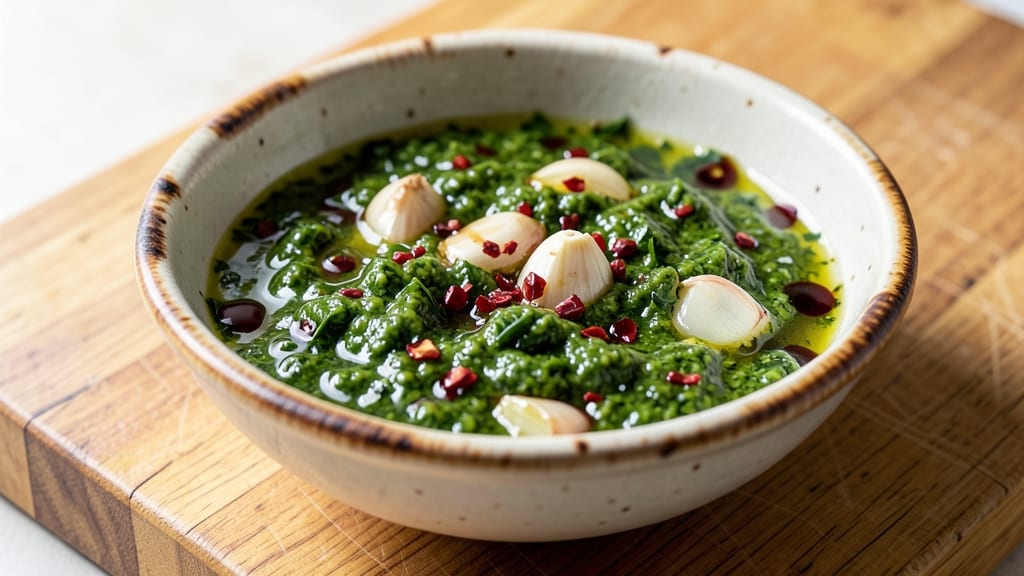
Applebee's chimichurri sauce delivers that signature herb-packed brightness with no cooking required—just chop, mix, and let it rest. The secret lies in fresh parsley, garlic, and a perfect balance of acidity from red wine vinegar, all bound together with high-quality olive oil.
This vibrant green sauce transforms any protein into a restaurant-worthy dish, and it comes together in just 10 minutes of prep time.
The key to authentic chimichurri is using finely chopped herbs—parsley is non-negotiable—and letting the sauce rest for at least 30 minutes before serving. This allows the flavors to meld and the oil to fully infuse, creating a sauce that's bright, tangy, and deeply aromatic.
The red pepper flakes add just enough heat to complement grilled meats without overpowering them.
What you'll end up with is a versatile, herb-forward sauce that pairs perfectly with grilled steak, chicken, or even fish. It's also fantastic as a dip for crusty bread or a zesty topping for tacos and salads.
The best part? No cooking required—just chop, mix, and enjoy the fresh, vibrant flavors of this restaurant-quality chimichurri.
Store any leftovers in an airtight container in the refrigerator for up to 5 days, where the flavors will continue to develop. For an extra boost of freshness, add a pinch of salt or a squeeze of lemon juice before serving.
This sauce is the perfect way to elevate any meal with minimal effort.
Ingredients for applebee's chimichurri sauce
Fresh herbs, bold vinegar, and premium olive oil—this trio transforms into Applebee's signature chimichurri.
| Ingredient | Amount | Notes |
|---|---|---|
| Fresh Parsley Leaves 🌿 | 1 ½ cups | Finely chopped, stems removed |
| Garlic Cloves 🧄 | 4 cloves | Minced into fine paste |
| Extra-Virgin Olive Oil 🫒 | ¾ cup | High-quality, fruity variety |
| Red Wine Vinegar 🍷 | ¼ cup | Dry, bold variety preferred |
| Red Pepper Flakes 🌶️ | 1 tsp | Adjust for desired heat |
| Kosher Salt 🧂 | 1 tsp | Diamond Crystal preferred |
| Lemon Zest 🍋 | 1 tsp | Freshly grated, bright flavor |
| Fresh Oregano Leaves 🌿 | ¼ cup | Finely chopped, optional |
The parsley is your star—buy the freshest bunch you can find, preferably from a farmers market or the produce section of Whole Foods or Trader Joe's. Look for vibrant green leaves with no wilting. Garlic should be plump and firm, not sprouting. The olive oil makes or breaks this sauce: California Olive Ranch or Bertolli are great mid-range options, but splurge on Otto or Colavita for restaurant-quality results. Red wine vinegar should be dry—Bragg or Bertolli work perfectly. Pro tip: Toast your red pepper flakes in a dry pan for 30 seconds before adding—it deepens the flavor without cooking the sauce.
No fresh parsley? Cilantro or basil at half the amount works in a pinch, though purists will notice the difference. Short on garlic? Garlic powder at one-third the amount gets you close, but fresh is non-negotiable for that authentic chimichurri taste. Substitute red wine vinegar with lemon juice plus a pinch of sugar if needed. The oregano is truly optional—skip it if you're not a fan, but it adds that extra herbaceous depth. For a smoky twist, add 1/4 tsp smoked paprika to the mix. And remember: rest the sauce for at least 30 minutes before serving—this isn't just mixing ingredients, it's building flavor.
This sauce keeps beautifully in an airtight container in the fridge for 5-7 days, with flavors actually improving over time. For longer storage, freeze in ice cube trays—perfect for single-serving portions. To revive, let it sit at room temperature for 10 minutes before using. A quick shake before serving ensures that vibrant green color and bright flavor. The oil will separate slightly, but just stir it back together—it's all part of the charm. Trust me, you'll want to make extra; it disappears faster than you'd think.
Why You'll Love This Recipe
- No Pulse Required: I swear, this sauce takes less effort than deciding what to eat. Just pile chopped parsley and garlic into a bowl, drizzle in olive oil, and pulse—maybe—if you’re feeling fancy. Honestly, I’ve made it with my hands when I couldn’t be bothered with a blender.
- Garlic-Kissed Magic: That first bite of chimichurri on grilled meat? The garlic and parsley hit like a bright, herby hug. The red wine vinegar adds just enough tang to cut through richness, while the olive oil smooths it all out. It’s the kind of flavor that makes you pause mid-bite.
- Weeknight to Dinner Party: This sauce works just as well on a Tuesday night with takeout shrimp as it does at a summer BBQ. Drizzle it over steak, toss it with roasted veggies, or even slather it on avocado toast—it’s my go-to for any meal that needs a little wow.
- Lasts for Days, Costs Almost Nothing: A big batch keeps in the fridge for a week, and the ingredients? Cheap enough that I don’t flinch when I buy extra parsley. The red pepper flakes add heat without breaking the bank, and olive oil stretches far when you’re making just enough for a crowd.
Step-by-step instructions for Applebee's chimichurri sauce
This vibrant sauce comes together in minutes with no cooking required—just chop, mix, and taste.
Chop the Fresh Herbs Finely
Place the 1.5 cups fresh parsley leaves and 0.25 cup fresh oregano leaves on a cutting board. Using a sharp chef's knife, finely chop them into tiny pieces—think more like a paste than traditional herbs. You want the texture to be almost minced, not just roughly chopped. This ensures the sauce will blend smoothly and deliver that signature bright, herby punch.
I like to work in batches if needed, but keep the chopped herbs in a pile so they don't dry out. The goal is to maximize surface area for flavor infusion. If you're feeling ambitious, you can even pulse them briefly in a food processor before mixing with other ingredients—just don't overdo it or you'll end up with a mushy texture.
Mince the Garlic to a Paste
Peel the 4 cloves garlic and place them on the cutting board. Using the flat side of your knife blade, press down firmly to create a flat surface. Then, using a rocking motion with the blade, mince the garlic into a fine paste—you want it almost like a thick jam rather than distinct cloves. This creates a smoother sauce without any harsh garlic bits.
Here's a pro tip: I like to add the garlic paste to the herbs while they're still on the cutting board. This prevents you from having to clean another bowl later. The garlic should be completely incorporated before moving to the mixing stage—no visible chunks allowed.
Combine Wet Ingredients
In a medium bowl, whisk together the 0.75 cup extra-virgin olive oil, 0.25 cup red wine vinegar, 1 tsp lemon zest, 1 tsp kosher salt, and 1 tsp red pepper flakes. The vinegar and lemon zest will create a bright, tangy base that cuts through the richness of the olive oil. I always use a whisk for this step to ensure everything is fully emulsified before adding the herbs.
Taste the mixture at this stage—it should be tangy, slightly spicy, and well-balanced. If it needs more acidity, add a splash of extra vinegar. If it's too sharp, a tiny pinch of salt can help round out the flavors. This preliminary taste check ensures your final sauce will be perfectly balanced.
Mix and Rest for Maximum Flavor
Add the chopped herbs and garlic paste to the wet ingredients. Using a fork or small whisk, stir vigorously until everything is completely combined. The sauce should look vibrant green and be well-emulsified. If it looks too thick, add 1-2 tablespoons of water to loosen it slightly—it should coat the back of a spoon but still be pourable.
Let the chimichurri rest at room temperature for at least 15 minutes before serving. This resting period allows the flavors to meld together beautifully. I like to cover it and let it sit while I finish preparing my main dish. The longer it rests (up to 2 hours), the more complex and delicious the flavors become.
Adjust and Serve
Before serving, give the chimichurri another taste and make any final adjustments. Need more brightness? Add a pinch of lemon zest. Want more heat? A tiny sprinkle of red pepper flakes will do the trick. The sauce should be vibrant, herby, and perfectly balanced between tangy, spicy, and fresh.
This versatile sauce pairs beautifully with grilled meats, roasted vegetables, or even as a dip for crusty bread. I love using it as a marinade for steak or chicken—just let it sit on the protein for 30 minutes before cooking for maximum flavor penetration. The possibilities are endless with this bright, herbaceous sauce!
Pro Tips For Making Applebee'S Chimichurri Sauce
- PULSE THE PARSLEY: Use a knife to finely chop the parsley in batches—don’t just pile it all in the food processor. Pack it tightly and pulse until you get a rough, paste-like texture, not a watery slurry. I learned this the hard way after ending up with a sad, soupy chimichurri that clung to the bowl instead of clinging to the meat.
- SMASH THE GARLIC: Peel the garlic cloves, wrap them in plastic wrap, and crush them with the flat side of your knife before adding them to the mix. This releases more flavor and prevents the sauce from tasting like raw garlic cloves. (Yes, even if you’re impatient like me.)
- STOP WHEN IT’S THICK: The sauce should coat the back of a spoon but not drip like syrup. If it’s too thin after mixing, let it sit for 10 minutes—it’ll thicken as the parsley releases its juices. I used to rush this and end up with a sauce that pooled instead of clinging. Patience here makes all the difference.
- SWAP THE VINEGAR: If you don’t have red wine vinegar, sub in a mix of balsamic and apple cider vinegar (1:1 ratio). It adds depth without overpowering the parsley’s brightness. I was skeptical until I tried it—now it’s my go-to when I’m out of the right stuff.
Best sauces and condiments for this applebee's chimichurri sauce
Grilled Meat Game-Changer
This chimichurri transforms ordinary grilled proteins into restaurant-quality masterpieces. Drizzle 2-3 tablespoons over perfectly seared ribeye steak or grilled chicken breasts right before serving—its vibrant acidity cuts through the richness beautifully. For extra flavor, marinate proteins in ½ cup chimichurri for 30 minutes before grilling.
I especially love it on skirt steak or shrimp skewers—the sauce's brightness makes every bite pop. 🔥
Versatile Beyond Meat
Don't limit chimichurri to grilled meats—it's equally fantastic with roasted vegetables. Toss asparagus, zucchini, or Brussels sprouts with 1-2 tablespoons after roasting at 425°F for 20 minutes. The sauce's tangy notes elevate even simple sides.
Spread it on garlic bread or tortilla chips for an instant appetizer, or use it as a zesty dip for crudité platters. The possibilities are endless!
Sandwich & Wrap Secret
Take your sandwiches to the next level by slathering 1-2 tablespoons of chimichurri on grilled chicken wraps or steak sandwiches. The acidity balances the richness perfectly. I love it on ciabatta rolls with prosciutto and mozzarella for an Italian-inspired twist.
For extra freshness, add a squeeze of lemon juice right before serving. The sauce's vibrant color makes every bite look as good as it tastes. ✨
Storage & Flavor Boost
Store leftovers in an airtight container in the fridge for up to 5 days—the flavors actually improve over time. Before using, give it a good stir and taste. If it needs a refresh, add ½ teaspoon lemon juice or a pinch of salt.
For a smoky variation, stir in ¼ teaspoon smoked paprika before serving. The sauce's versatility makes it perfect for meal prep—just keep it in your fridge for quick flavor upgrades. 💡
Nutrition facts
Frequently asked questions
Can I make chimichurri without fresh parsley?
Fresh parsley is essential for authentic chimichurri, but you can substitute with cilantro or basil at half the amount if needed. For best results, use a mix of 1 cup parsley + 0.5 cup cilantro to maintain that signature bright flavor. If you're truly out of fresh herbs, dried parsley (at 1/4 the amount) works in a pinch, though the texture and flavor won't be the same.
Why does my chimichurri separate after resting?
This is completely normal! The oil and vinegar naturally separate, but just stir it gently before serving. The sauce will re-emulsify perfectly. For a smoother texture, whisk vigorously for 10-15 seconds or use an immersion blender. The separation doesn't affect flavor—it's actually part of the sauce's charm. Pro tip: Add 1 extra tablespoon olive oil if you want extra insurance against separation.
Can I use this chimichurri as a marinade?
This sauce makes an excellent marinade for grilled meats, fish, or chicken. Use ½ cup chimichurri per pound of protein and marinate for 30 minutes to 2 hours in the fridge. For tougher cuts like steak, marinate for 2-4 hours to tenderize. Always pat the meat dry before cooking to ensure a good sear. The acidity in the sauce helps tenderize while adding incredible flavor.
How do I adjust the heat level in chimichurri?
Start with 1 teaspoon red pepper flakes for mild heat, then adjust to taste. For medium heat, add 1.5 teaspoons, and for spicy, go up to 2 teaspoons. If you want smoky heat instead, replace half the red pepper flakes with ¼ teaspoon smoked paprika. Always taste as you go—chimichurri's heat builds gradually, so start conservative.
Can I make chimichurri ahead of time?
Yes! This sauce actually tastes better after resting. Make it 1-2 days ahead and store in an airtight container in the fridge. Stir well before serving and adjust seasoning if needed. For longer storage, freeze in ice cube trays—perfect for single servings. Thaw in the fridge overnight, then stir to re-emulsify. The flavors deepen over time, making it perfect for meal prep.