
Sauces & Condiments
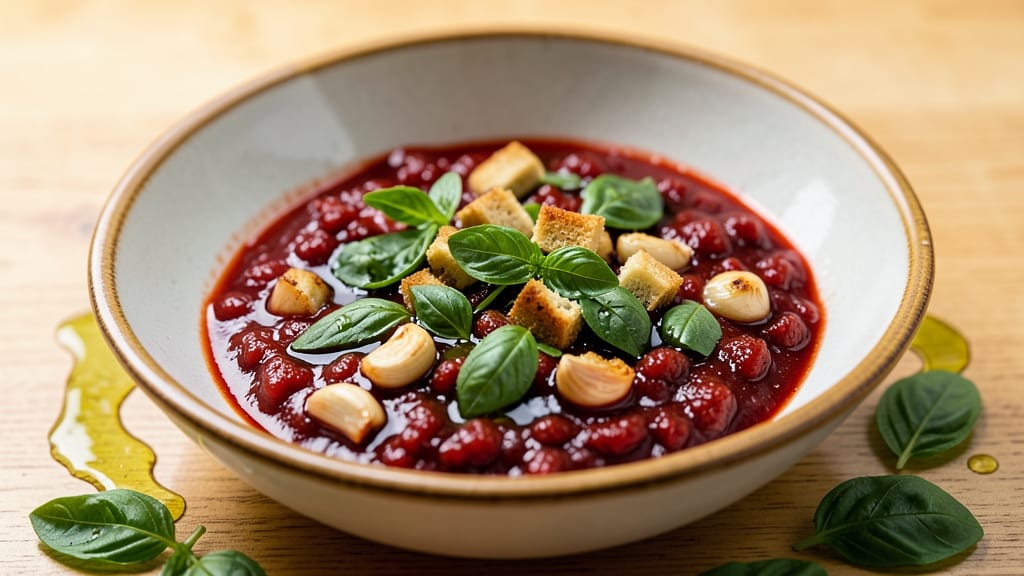
Alice Jo's spaghetti sauce delivers the kind of slow-simmered depth that transforms ordinary pasta nights into something extraordinary. The secret lies in balancing sweet tomatoes with aromatic herbs, letting flavors meld over hours rather than minutes. I've perfected this recipe through countless batches—each one richer than the last—because the difference between store-bought and homemade sauce is like night and day.
What makes this sauce special is its versatility and intensity. The foundation of crushed tomatoes and garlic builds a robust base, while red wine and fresh basil add layers of complexity that stand up to any protein.
Unlike quick sauces that rely on sugar or salt, this version develops its own sweetness through slow reduction, creating a natural balance that's both satisfying and sophisticated.
The result is a sauce with perfect consistency—thick enough to cling to pasta but still silky smooth. It's the kind of sauce that tastes even better the next day, when all the flavors have had time to deepen.
Whether you're serving it with spaghetti, tossing it with meatballs, or using it as a marinade, this sauce brings restaurant-quality richness to your home cooking.
With just a few simple ingredients and patience, you'll create a sauce that's worth the wait. The process is straightforward, but the reward is unmatched flavor. Let's get started on making sauce that will have everyone asking for seconds—and thirds.
Ingredients for alice jo's spaghetti sauce
Ten ingredients for sauce that tastes like it simmered all day.
| Ingredient | Amount | Notes |
|---|---|---|
| Crushed Tomatoes (San Marzano if possible) 🍅 | 28 oz | High-quality canned, no added salt |
| Extra-Virgin Olive Oil 🫒 | ½ cup | Fruity, not bitter variety |
| Garlic Cloves 🧄 | 6 cloves | Fresh, minced or finely chopped |
| Red Wine 🍷 | 1 cup | Bold, dry variety like Cabernet |
| Fresh Basil Leaves 🌿 | 1 cup | Packed, stems removed |
| Tomato Paste 🍅 | 2 tbsp | Squeeze tube preferred |
| Dried Oregano 🍃 | 1 tsp | Not Mexican oregano |
| Ground Black Pepper 🌶️ | ½ tsp | Freshly cracked |
| Kosher Salt 🧂 | 1 ½ tsp | Diamond Crystal preferred |
| Bay Leaves 🌿 | 2 whole | Remove before serving |
The tomatoes are everything—San Marzano if you can find it, but any high-quality crushed tomatoes work. I always grab the Muir Glen brand at Whole Foods—no added salt, just pure tomato flavor. Fresh basil is non-negotiable here (the good stuff, not the pre-washed kind), but if you're desperate, dried oregano at half the amount gets you close. The red wine? Any bold, dry variety—Cab Sauv, Merlot, whatever's open. Toast the tomato paste in the pot first (don't skip this part)—it deepens the flavor like magic.
No red wine? Beef broth with a splash of balsamic works in a pinch. Fresh out of basil? Dried basil at one-third the amount, but honestly, nothing beats the real thing. The garlic can be roasted (microwave 30 seconds with a splash of water) for a sweeter flavor. If your tomato paste is the thick kind from a tube, no need to measure—just scoop out about two tablespoons. For extra richness, add a tablespoon of balsamic vinegar at the end, but that's optional.
This sauce only gets better with time—3-4 days in the fridge is ideal, and it freezes beautifully for up to 6 months. I always make a double batch because it disappears fast. Store it in glass jars with a little olive oil on top to preserve the color. The bay leaves can be removed early if you can't wait, but leaving them in longer adds depth. Portion into containers for easy reheating—just warm gently on the stove with a splash of water or pasta water.
Why You'll Love This Recipe
- No-Chop Nightmare: I swear, the only prep is crushing tomatoes and mincing garlic—no dicing, no peeling, no stress. That San Marzano base does 80% of the work while you sip wine and pretend you’re in a Tuscan kitchen.
- Wine-Infused Magic: The red wine doesn’t just cook off—it lingers, deepening the sauce into something rich and complex. Fresh basil at the end? That’s the cherry on top, bright and herbaceous like a summer evening.
- Freezer-Friendly Hero: Make a double batch and freeze half for next month’s lazy Tuesday. Thaw it overnight, simmer 10 minutes, and boom—homemade sauce that tastes like you slaved over it (but you didn’t).
- Budget Luxury: San Marzano tomatoes and good olive oil might sound fancy, but they stretch this sauce into three meals. Serve it over pasta, in lasagna, or even on toast—same incredible flavor, zero guilt.
Step-by-step instructions for alice Jo's spaghetti sauce
Here's how to build this rich, slow-simmered sauce that balances deep tomato flavor with bright fresh herbs.
Sauté Garlic in Olive Oil Until Fragrant
Heat the 0.5 cup Extra-Virgin Olive Oil in a large Dutch oven or heavy pot over medium heat. Add the 6 cloves Garlic Cloves and cook for 2-3 minutes until they're golden and smell irresistibly fragrant—not browned, just perfumed. This step develops the sauce's aromatic foundation.
Watch the garlic carefully—it burns quickly. You'll know it's ready when the oil shimmers around the garlic and the kitchen fills with that unmistakable aroma. Remove the pot from heat immediately after the garlic turns golden to prevent burning.
Stir in Tomato Paste and Cook for 2 Minutes
Return the pot to medium heat and add the 2 tbsp Tomato Paste. Stir continuously for 2 minutes until the paste loses its raw flavor and begins to darken slightly. This step deepens the sauce's richness by caramelizing the paste's sugars before adding liquids.
Don't walk away during this step—the paste can burn easily. You're looking for a smooth, dark roux-like consistency that coats the back of a spoon. This creates the velvety texture that sets this sauce apart from basic tomato sauces.
Deglaze with Red Wine and Add Crushed Tomatoes
Pour in the 1 cup Red Wine and scrape up any browned bits from the bottom of the pot with a wooden spoon. Let it simmer for 3-4 minutes until reduced by half. Then add the 28 oz Crushed Tomatoes, stirring well to combine.
Here's where the sauce starts building its complex flavor profile. The wine reduces to concentrate its depth, while the tomatoes provide the acidity and body. Season immediately with 1.5 tsp Kosher Salt and 0.5 tsp Ground Black Pepper, then add the 2 whole Bay Leaves and 1 tsp Dried Oregano.
Slow Simmer for 45-60 Minutes
Bring the sauce to a gentle simmer over low heat, then reduce to the lowest setting possible. Let it bubble softly for 45-60 minutes, stirring occasionally. This slow cooking allows the flavors to meld and develop depth while reducing the sauce to a thick, concentrated consistency.
Real talk: Don't rush this step. The longer it simmers, the more complex the flavors become. You'll notice the sauce darkens and thickens as it reduces. If it gets too thick before the time is up, add 1-2 tablespoons of water to maintain the right consistency.
Finish with Fresh Basil and Adjust Seasoning
Remove the 2 whole Bay Leaves and stir in the 1 cup Fresh Basil Leaves. Simmer for an additional 5 minutes to infuse the basil's bright flavor. Taste and adjust seasoning—you might need more salt or pepper depending on your tomatoes.
For the best texture, the sauce should coat the back of a spoon but still be loose enough to cling to pasta. If it's too thick, thin with a splash of pasta water. Serve immediately over al dente spaghetti, or store in an airtight container in the refrigerator for up to 5 days or freeze for 3 months.
Pro Tips For Making Alice Jo'S Spaghetti Sauce
- SWEAT THE GARLIC: After burning three batches, I finally figured out that low-and-slow wins here—cook the minced garlic in olive oil over medium-low heat until it’s just golden, not brown. If you’re impatient like me, keep the heat steady and resist the urge to crank it up when the oil bubbles.
- DEGLAZE WITH WINE: Pour that red wine in right after the garlic softens—don’t let it reduce too much first. The alcohol burns off faster when the pan’s still warm, and you’ll get a richer, less harsh flavor. (Yes, even if you’re tempted to add it later.)
- CRUSH THE BASIL: Tear the fresh basil by hand instead of chopping—it releases more aroma and stays vibrant longer. Add it last and let it steep for 5 minutes off the heat, or it’ll turn bitter. (Your future self will notice the difference.)
- SIMMER THE TOMATOES: Bring the crushed tomatoes to a gentle boil first to drive off excess acidity, then reduce to a low simmer. Skipping this step means your sauce might taste sharp or underdeveloped. (I learned this the hard way after a dinner party disaster.)
Best sauces and condiments for alice jo's spaghetti sauce
Red Wine Reduction
The red wine in this sauce isn't just for flavor—it's a game-changer for depth. Use a bold, dry variety like Cabernet Sauvignon or Merlot—avoid sweet wines like Zinfandel. Deglaze the pot with the wine after cooking the garlic and tomato paste, letting it reduce by half before adding tomatoes.
This step concentrates the wine's richness, adding complexity that store-bought sauces can't match. 🍷
Herb Infusion
Fresh basil is non-negotiable here—it's what transforms this sauce from ordinary to extraordinary. Add the 1 cup packed basil leaves at the very end, simmering for just 5 minutes to preserve their bright, sweet flavor.
If you're using dried basil, reduce to 1 tablespoon and add it with the oregano. For extra freshness, I sometimes blend a few leaves into the sauce for a smoother texture.
Tomato Paste Magic
Toast the 2 tbsp tomato paste in olive oil for 2 minutes before adding liquids—this step is crucial. The paste caramelizes slightly, deepening the sauce's umami flavor and creating a velvety texture.
If your paste is thick, don't worry about measuring precisely—just scoop out about 2 tablespoons. For a smoky twist, add ½ teaspoon smoked paprika with the tomato paste. 🌶️
Acidity Balance
If your tomatoes taste too mild, add 1 teaspoon balsamic vinegar at the end for brightness. The crushed tomatoes should have natural acidity, but some brands (like Muir Glen) are sweeter.
For extra tang, I sometimes add 1 teaspoon lemon juice when finishing the sauce. Balance is key—taste as you go and adjust gradually.
Slow Simmer Secrets
Low and slow is the only way to go—45-60 minutes on the lowest heat setting. This allows the sauce to reduce naturally, intensifying flavors without burning. Stir occasionally to prevent sticking, and if it gets too thick, add 1-2 tablespoons of water or broth.
The longer it simmers, the deeper the flavor, but never let it boil vigorously. ⏳
Storage Tips
This sauce tastes even better the next day as flavors meld. Store in an airtight glass container in the fridge for up to 5 days, or freeze for 3 months. To preserve color, add a thin layer of olive oil on top before sealing.
When reheating, warm gently on the stove with a splash of water or pasta water to restore texture. The sauce thickens as it cools, so adjust consistency before serving. 💫
Nutrition facts
Frequently asked questions
Can I make this sauce without red wine?
Replace the 1 cup red wine with 1 cup beef broth plus 1 tablespoon balsamic vinegar for similar depth. For extra richness, add 1 teaspoon soy sauce or ½ teaspoon Worcestershire sauce. The key is maintaining the same liquid volume while keeping the sauce's umami profile intact.
How do I adjust the consistency for meatballs vs. pasta?
For meatballs, simmer the sauce 10-15 minutes longer to make it thicker and more concentrated. For pasta, keep it slightly looser—add 2-3 tablespoons of water or pasta water before serving. The sauce should cling to noodles without making them soggy. Taste as you go and adjust gradually.
What's the secret to making this sauce taste better the next day?
The flavors deepen overnight as the acidity mellows and ingredients meld. Store in an airtight glass container with a thin layer of olive oil on top to preserve color. Reheat gently on low heat with a splash of water or broth to restore texture. The sauce will naturally thicken as it cools again.
Can I freeze this sauce with meatballs or sausage?
Yes, but freeze the meatballs/sausage separately first. Assemble the sauce and meat in a freezer-safe container, leaving 1-inch headspace for expansion. Thaw overnight in the fridge, then reheat on low heat with occasional stirring. For best results, add fresh basil after reheating to restore its bright flavor.
Why does my sauce taste too acidic or sweet?
Acidic? Add ½ teaspoon sugar or 1 teaspoon tomato paste to balance. Too sweet? Boost acidity with 1 teaspoon lemon juice or ½ teaspoon red wine vinegar. Taste as you go and adjust gradually—this sauce develops complexity over time, so don't rush the seasoning.