
Sauces & Condiments
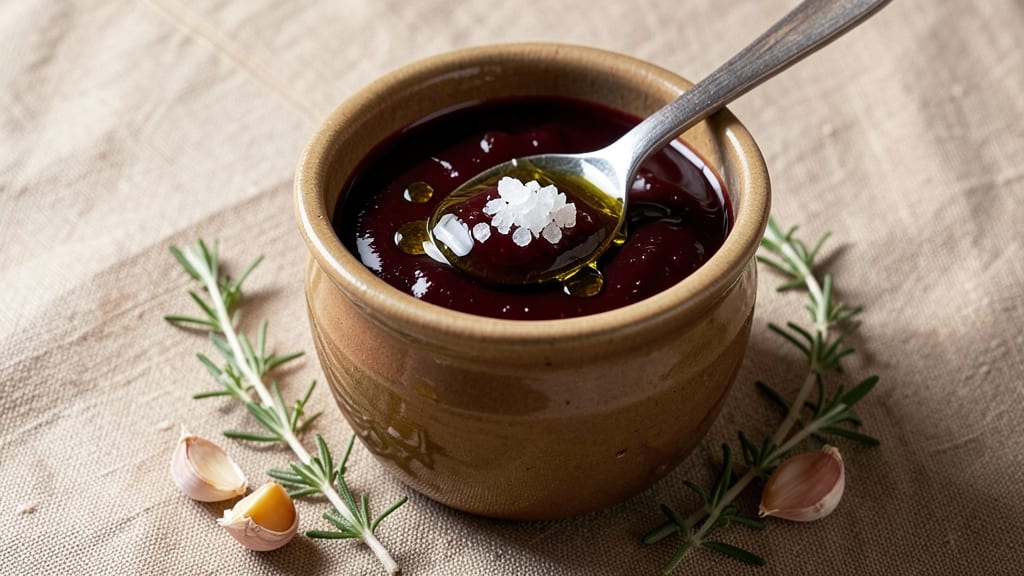
This balsamic dipping sauce recipe transforms simple pantry staples into a velvety, sweet-tangy masterpiece that elevates every bite. The secret lies in simmering balsamic vinegar until it thickens into a glossy reduction, then brightening it with fresh herbs and a touch of honey for balance.
I’ve perfected this sauce over years of testing—it’s the kind of condiment that turns ordinary appetizers into showstoppers without overpowering flavors.
The magic happens in the reduction stage, where the vinegar’s sharp acidity mellows into a rich, caramelized depth. Adding minced garlic and fresh thyme (or rosemary) infuses layers of aromatic complexity, while a drizzle of olive oil at the end creates a silky, emulsified finish.
This isn’t just a sauce—it’s a flavor multiplier that works with everything from crispy bread and roasted vegetables to grilled meats and even fruit platters.
What you’ll end up with is a glossy, versatile dipping sauce that’s sweet enough to complement crispy textures but tangy enough to cut through richness. The reduction process concentrates the balsamic’s natural sweetness, while the herby finish adds freshness that keeps the flavors dynamic.
It’s restaurant-quality simplicity at home, with just five core ingredients and 15 minutes of active time.
Use it immediately for dipping, or store it in the fridge for up to two weeks—the flavors only deepen with time. The sauce doubles as a marinade, salad dressing, or finishing drizzle, making it one of those pantry staples you’ll reach for again and again. Ready to make it?
Ingredients for balsamic dipping sauce
Five pantry staples plus fresh herbs create this restaurant-worthy balsamic reduction.
| Ingredient | Amount | Notes |
|---|---|---|
| Balsamic Vinegar 🍷 | 1 cup | High-quality aged balsamic preferred |
| Honey 🍯 | 2 tbsp | Wildflower or clover variety |
| Fresh Thyme Leaves 🌿 | ¼ cup | Or 1 tbsp dried thyme |
| Garlic Cloves 🧄 | 2 cloves | Minced for aromatic depth |
| Extra-Virgin Olive Oil 🫒 | ¼ cup | Light fruity variety preferred |
| Diamond Crystal Kosher Salt 🧂 | ½ tsp | For seasoning balance |
| Fresh Rosemary 🌿 | 1 sprig | Optional for herbal variation |
The balsamic vinegar is the star—look for aged balsamic (not the cheap cooking vinegar) at Whole Foods or Trader Joe's for the best depth of flavor. I always grab the 16-ounce bottles from Balsamic Vinegar Factory when I can—they're worth the splurge. Fresh thyme and rosemary should have a vibrant green color and smell intensely aromatic. If you're using dried herbs, measure carefully—they're more concentrated than fresh. The garlic cloves should be fresh, not dried or pre-minced, for the best flavor punch. For the olive oil, avoid the cheap stuff—you want something light and fruity that won't overpower the delicate reduction.
No aged balsamic? Red wine vinegar with 1 tbsp brown sugar works in a pinch, though it won't have the same depth. Short on thyme? Fresh oregano or basil at half the amount gives a different but still delicious twist. The honey can be swapped for maple syrup if you prefer, though it adds a slightly different sweetness profile. Want more garlic flavor? Add an extra clove—it's hard to overdo. For the olive oil, if you're out, avocado oil is a great neutral substitute. The salt is crucial—don't skip it—it rounds out all the sweetness and acidity perfectly.
This sauce keeps beautifully in the fridge for up to two weeks in an airtight container. For longer storage, transfer to a sterilized jar and keep it in the pantry for up to 6 months. The flavors actually improve with time as the reduction continues to develop. If you make a double batch, freeze half in ice cube trays—perfect for single-serving dips later. Always bring the sauce to room temperature before using it, especially if it's been refrigerated, so the flavors meld smoothly. Trust me, the first time you drizzle this over warm crusty bread, you'll be hooked.
Why You'll Love This Recipe
- Five-Ingredient Magic: I swear by this combo—just vinegar, honey, thyme, garlic, and olive oil. No fancy gadgets, no measuring cups (I eyeball it), and it still tastes like I spent hours simmering.
- Garlic-Honey Crunch: That first bite where the honey’s sweetness meets the sharp garlic? It’s like a flavor hug. The thyme adds this earthy whisper that makes it taste restaurant-level—not just store-bought.
- Party Host Hack: Slather it on grilled chicken, drizzle over roasted veggies, or serve with crusty bread for game day. I’ve used it for everything from lazy weeknights to impressing in-laws—no one ever asks what’s in it.
- Fridge Goldmine: Make a big batch—it keeps for weeks in the fridge. A splash in pasta sauce, a quick glaze for salmon, or a last-minute marinade. Honestly, I’ve forgotten it was there until I needed it most.
Step-by-step instructions for sweet-tangy balsamic reduction
This sauce comes together in minutes but delivers restaurant-quality depth.
Simmer the Vinegar and Honey
Pour the 1 cup balsamic vinegar and 2 tbsp honey into a medium saucepan over medium-high heat. Bring to a gentle boil, then immediately reduce to medium-low heat. You want steady bubbling—not a rolling boil—that reduces the liquid by about half. This takes roughly 8-10 minutes, but watch closely as the color deepens from ruby to rich mahogany.
The honey will dissolve completely, creating a smooth base. If you see any sugar crystals lingering, stir gently with a silicone spatula to help them incorporate. This step builds the sauce's signature sweet-tangy balance, so don't rush it. You'll know it's ready when the mixture thickens noticeably and coats the back of a spoon.
Infuse with Aromatics
Add the minced 2 cloves garlic and the 0.25 cup fresh thyme leaves to the simmering reduction. Stir once to combine, then let it cook for an additional 2-3 minutes. The garlic should become fragrant but not brown—you're aiming for aromatic depth, not bitterness. The thyme leaves will soften and release their earthy notes into the sauce.
Here's where it gets interesting: the thyme leaves should be fully submerged in the liquid. If they float, gently press them down with a spoon. This ensures maximum flavor extraction. The sauce should now smell like a sun-drenched Mediterranean herb garden—bright, slightly floral, with that unmistakable vinegar tang.
Finish with Oil and Seasoning
Remove the sauce from heat and stir in the 0.25 cup extra-virgin olive oil. The oil will immediately emulsify with the reduced vinegar mixture, creating a silky texture. Add the 0.5 tsp diamond crystal kosher salt and the 1 sprig fresh rosemary, then let the mixture steep for 5 minutes off the heat. This resting period allows the rosemary to infuse its piney aroma without overpowering the delicate balance.
For best results, use a fine-mesh strainer to remove the thyme leaves and rosemary sprig before serving. The sauce should now have a glossy sheen and coat the back of a spoon smoothly. If it's too thick, whisk in 1-2 teaspoons of warm water to reach your desired consistency—it should be thick enough to coat but still flow gracefully.
Pro Tips For Making Balsamic Dipping Sauce
- Infuse the Oil First: Heat the olive oil low and slow—just until it shimmers—before adding garlic. This keeps it from burning and lets the flavor meld into the oil properly. I used to toss everything in at once, and the garlic always tasted raw or bitter. Five minutes of gentle warmth makes all the difference.
- Bruise the Garlic: Smash the garlic cloves with the flat side of your knife before adding them. This releases more flavor without burning. I learned this after tasting a sauce where the garlic was just minced—it lacked depth. A quick whack with the knife blade does the trick.
- Simmer, Don’t Boil: Keep the sauce at a gentle simmer, not a rolling boil. High heat turns balsamic vinegar harsh and the honey grainy. I’ve ruined batches by letting it bubble too hard—now I watch for tiny bubbles and adjust the heat. Patience here keeps the sauce silky.
- Strain the Thyme: Remove the thyme leaves after simmering—don’t let them sit too long or they’ll turn bitter. A fine-mesh strainer or cheesecloth works best. I’ve left them in once and ended up with a sauce that tasted like herbal medicine. Two minutes max, then strain.
Serving suggestions for this balsamic dipping sauce
Bread Pairings
This sauce is a match made in heaven with crusty baguettes or sourdough loaves. I love toasting thick slices until golden and crisp, then drizzling with the warm reduction. The contrast between the buttery bread and the tangy-sweet sauce is pure magic.
For extra flair, sprinkle with flaky sea salt and serve with whipped goat cheese on the side. 🥖
Vegetable Dippers
Roasted vegetables become irresistible with this sauce. Toss asparagus, Brussels sprouts, or zucchini with 2 tbsp olive oil, ½ tsp garlic powder, and salt, then roast at 425°F for 20-25 minutes until tender.
The balsamic reduction cuts through their natural bitterness beautifully. I also love it with crudité platters—carrots, celery, and bell peppers become instant crowd-pleasers.
Protein Elevator
Use this sauce as a finishing drizzle for grilled or roasted meats. A generous spoonful over seared chicken breast or grilled shrimp skewers adds a sweet-tangy contrast that balances rich flavors.
For a quick appetizer, serve with prosciutto-wrapped melon—the saltiness of the cured meat and the sweetness of the fruit pair perfectly with the sauce’s depth. 🍗
Cheese Board Star
Transform a simple cheese board into a gourmet experience by adding this sauce. Pair it with creamy brie, sharp cheddar, or aged gouda—the reduction’s acidity cuts through the richness.
I also include cured meats like salami or soppressata and marinated olives for a well-rounded spread. The sauce’s versatility makes it a must-have for any gathering.
Dessert Twist
Who says dipping sauce is just for savory foods? Drizzle this reduction over warm vanilla ice cream or strawberry shortcake for a sophisticated dessert. The sweetness of the honey and the tang of the balsamic create a perfect balance.
For a more decadent option, serve with dark chocolate-dipped strawberries—the contrast is divine. 🍓
Global Fusion Ideas
Get creative with international pairings! Use the sauce as a dipping sauce for sushi rolls or tempura vegetables in a Japanese-inspired twist. It also works beautifully with Indian samosas or Moroccan meatballs—the balsamic’s depth complements the spices.
For a Mediterranean touch, serve with grilled halloumi cheese or stuffed grape leaves (dolmas). The possibilities are endless! 🌍
Nutrition facts
Frequently asked questions
Can I make this balsamic reduction without honey?
Swap the honey for 1 tbsp maple syrup or 1 tsp brown sugar to maintain sweetness. For a more complex flavor, try 1 tbsp orange zest or 1 tsp vanilla extract—both add depth without altering the sauce's fundamental tangy profile. The key is balancing the acidity, so adjust to taste.
How do I fix a sauce that's too thick or too thin?
For a thick sauce, whisk in 1-2 tsp warm water to loosen it gradually. If it's too thin, return it to low heat and simmer for 2-3 extra minutes to reduce further. Pro tip: The sauce should coat the back of a spoon smoothly but still flow when drizzled. If you've over-reduced, a splash of olive oil can help restore silkiness.
What's the best way to store leftover sauce?
Transfer to an airtight container and refrigerate for up to 2 weeks. The flavors actually improve with time! For longer storage, freeze in ice cube trays—perfect for single-serving dips. Always bring refrigerated sauce to room temperature before using, as cold temperatures can make it thicken temporarily.
Can I use this sauce as a marinade?
Yes! This reduction makes an excellent marinade for chicken, pork, or seafood. Use it undiluted for 30-60 minutes (never longer than 2 hours for safety). The acidity helps tenderize proteins while infusing flavor. For grilled meats, brush it on during the last 2 minutes of cooking for a caramelized finish.
What herbs work best if I don't have thyme?
Fresh rosemary, oregano, or basil all work beautifully. Use half the amount of fresh herbs (e.g., 1 tbsp fresh oregano instead of 0.25 cup thyme). For dried herbs, reduce to ¼ the amount (e.g., 1 tsp dried oregano). Each herb will give a distinct twist—rosemary adds piney notes, oregano brings earthiness, and basil offers floral brightness.