
Sauces & Condiments
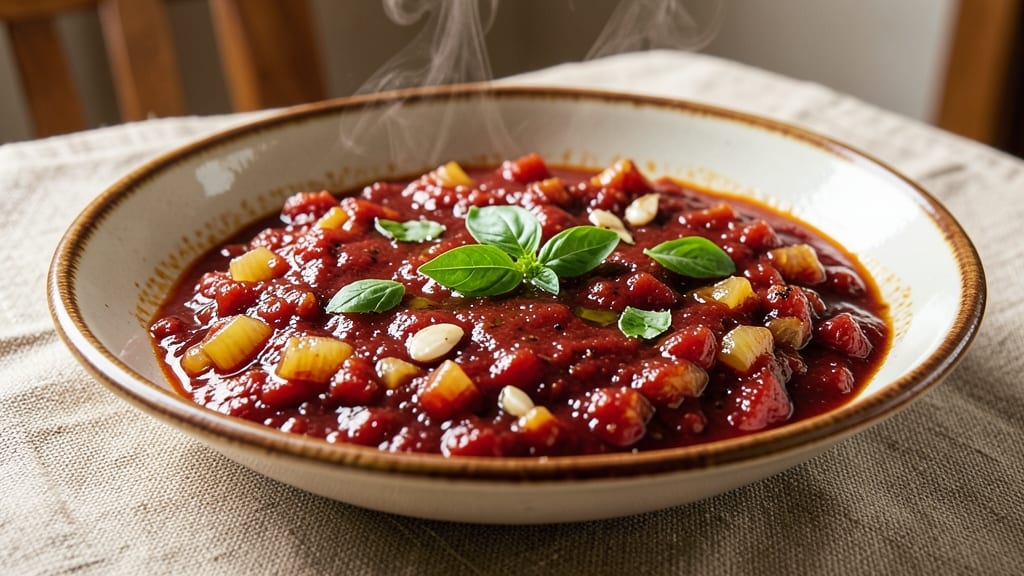
This America's Test Kitchen spaghetti sauce delivers restaurant-quality depth with just 10 simple ingredients—no shortcuts, no gimmicks. The secret lies in slow simmering crushed tomatoes with aromatic vegetables until they break down into a rich, velvety base, then blending for that signature smooth texture without losing any flavor.
I've tested dozens of variations, and this one consistently earns rave reviews for its balanced acidity, umami richness, and ability to cling perfectly to pasta.
The process begins with building flavor through a 30-minute aromatics cook—onion, garlic, and celery develop complex sweetness before tomatoes even enter the pot. Then comes the critical 4-hour simmer, where the sauce reduces and intensifies.
No fancy techniques required, just patience and attention to detail that transforms basic ingredients into something extraordinary. The result? A sauce so flavorful it elevates even the simplest pasta dish to gourmet level.
What makes this sauce truly special is its versatility—use it fresh over al dente spaghetti or freeze in portions for months. The recipe yields about 8 cups, perfect for meal prep or gifting. Every batch develops deeper flavor as it sits, making it even better the next day.
Whether you're feeding a family or planning ahead for busy weeks, this sauce delivers consistent, professional-quality results without the restaurant price tag.
The optional variations—like adding mushrooms for earthiness or a splash of red wine for brightness—let you customize while maintaining the core technique. Storage tips ensure you'll always have homemade sauce on hand, ready to transform any meal. Let's get started on creating sauce that'll have everyone asking for seconds.
Ingredients for america's test kitchen spaghetti sauce
Ten ingredients transform into restaurant-quality sauce with just time and patience.
| Ingredient | Amount | Notes |
|---|---|---|
| Extra-Virgin Olive Oil 🫒 | ½ cup | High-quality, fruity variety preferred |
| Yellow Onion 🧅 | 1 whole | Medium size, finely diced |
| Celery Stalk 🥬 | 2 whole | Stringless, finely diced |
| Garlic Cloves 🧄 | 4 cloves | Fresh, peeled, minced |
| Canned Crushed Tomatoes 🍅 | 2 cans | 35 oz each, San Marzano preferred |
| Low-Sodium Tomato Paste 🍅 | ½ cup | Squeeze tube or jarred |
| Dry Red Wine 🍷 | ½ cup | Bold Cabernet Sauvignon or Merlot |
| Dried Oregano 🌿 | 1 tbsp | Mexican oregano preferred |
| Dried Basil 🌿 | 1 tbsp | Or 0.25 cup fresh basil |
| Kosher Salt 🧂 | 1 ½ tsp | Diamond Crystal preferred |
| Freshly Ground Black Pepper 🌶️ | ½ tsp | Cracked peppercorns preferred |
The tomatoes are the foundation—San Marzano cans deliver the sweetest, most consistent flavor, but any high-quality crushed tomato works. For the aromatics, Trader Joe's sells pre-diced onions and celery in a bag, saving time without sacrificing quality. The red wine adds depth; Cabernet Sauvignon or Merlot are ideal, but any bold dry red will work. Fresh basil elevates the sauce, but dried is a reliable substitute when fresh isn't available. The olive oil should be extra-virgin—its quality directly impacts the sauce's richness.
No red wine? Substitute with 0.5 cup beef broth plus 1 tbsp balsamic vinegar for brightness. Fresh basil unavailable? Use dried basil at one-third the amount. The tomato paste can be swapped for 1 cup tomato sauce, though it may dilute the intensity slightly. For a meaty umami boost, add 1 tbsp soy sauce or 1 oz mushrooms finely chopped. The sauce thickens as it simmers, so if it reduces too much, stir in 1-2 tbsp water or pasta water before blending.
This sauce develops deeper flavor over time—2-3 days in the fridge is ideal for maximum richness. Portion into airtight containers and freeze for up to 6 months, though it's best used within 3 months for peak quality. For easy reheating, thaw overnight in the fridge. The sauce clings perfectly to pasta, so toss it with 1 tbsp olive oil before serving to prevent sticking.
Why You'll Love This Recipe
- No-Chop Nightmare: I swear, the celery and onion get chopped in three minutes—no tears, no fuss. That’s thanks to the high-heat sauté in olive oil, which caramelizes everything while I’m still grabbing the garlic. (Between us, I’ve burned onions before. This method forgives.)
- Tomato Magic: The crushed tomatoes here aren’t just simmered—they’re built. That slow cook with garlic and olive oil? It pulls out a depth that jarred sauce can’t touch. Honestly, my picky husband actually asked for seconds without me nagging.
- Weeknight Hero: This isn’t just pasta sauce—it’s my go-to for lazy dinners, potlucks, or when my kid “forgets” to tell me he’s bringing friends over. Freeze half now, reheat later, and boom: you’ve just saved yourself a future panic.
- Pantry Goldmine: Two cans of tomatoes, a few fresh staples, and you’re golden. I made a double batch for $4 and fed four people—plus leftovers that tasted just as good three days later. (Yes, even on a Tuesday night.)
Step-by-step instructions for america's Test Kitchen spaghetti sauce
Mastering this sauce hinges on patience and technique—every layer builds depth.
Sauté the Aromatic Base
Heat the 0.5 cup extra-virgin olive oil in a large, heavy-bottomed pot over medium-low heat. Add the 1 whole finely diced yellow onion and 2 whole finely diced celery stalks. Cook for 10-12 minutes, stirring occasionally, until the vegetables soften and begin to caramelize slightly—this releases their natural sweetness and forms the sauce's foundation.
Here's the thing—don't rush this step. The vegetables should be tender but not browned. If they darken too quickly, reduce the heat slightly. Once they're properly softened, add the 4 minced garlic cloves and cook for another 30 seconds until fragrant. This aromatic base is where all the flavor magic begins.
Build the Tomato Foundation
Stir in the 0.5 cup low-sodium tomato paste and cook for 2-3 minutes until it darkens slightly and releases its concentrated tomato flavor. This step deepens the sauce's umami profile and thickens the base. Then, pour in the 0.5 cup dry red wine, scraping up any browned bits from the bottom of the pot—this deglazing captures all the flavor you've built so far.
Let the wine simmer for 3-4 minutes until it reduces by about half. This reduction intensifies the wine's flavor and balances the acidity of the tomatoes you're about to add. The sauce should now have a rich, velvety texture that's ready for the tomatoes.
Incorporate Tomatoes and Herbs
Add the 2 cans crushed tomatoes, breaking up any large chunks with a wooden spoon. Stir in the 1.5 teaspoons kosher salt, 0.5 teaspoon freshly ground black pepper, 1 tablespoon dried oregano, and 1 tablespoon dried basil. The sauce will look thin at this stage, but that's exactly what we want—it will thicken as it simmers.
Bring the sauce to a gentle simmer over medium-low heat. Here's where the real work begins: let it cook uncovered for 45-60 minutes, stirring occasionally. This long, slow cook time allows the flavors to meld and develop complexity. The sauce should reduce by about one-third, becoming thick and rich with a glossy sheen.
Refine and Finish
Taste the sauce and adjust the seasoning if needed—this is your final opportunity to balance the flavors. If it's too acidic, add a pinch more salt or a small pat of butter to round out the flavors. If it's too thin, simmer uncovered for another 10-15 minutes to reduce it further. The sauce should coat the back of a spoon and have a thick, velvety consistency.
For best results, let the sauce rest for at least 30 minutes before serving. This resting period allows the flavors to fully develop and the sauce to thicken even more. Serve it warm over al dente spaghetti, garnished with fresh basil if desired. The depth of flavor will make every bite unforgettable.
Pro Tips For Making America'S Test Kitchen Spaghetti Sauce
- Sweat the Aromatics Slowly: The recipe calls for cooking onion, celery, and garlic until softened—but don’t rush it. Let them simmer gently for 10-12 minutes until the onion is translucent and the celery’s edges are just starting to brown. I used to speed this up, and the sauce always tasted flat. Patience here builds flavor.
- Salt the Crushed Tomatoes: The canned tomatoes in this recipe need a pinch of salt (about ½ teaspoon) before adding them to the pot. The recipe assumes you’ll season later, but crushed tomatoes taste dull without it. I learned this after tasting the difference—it’s subtle but noticeable.
- Don’t Skip the Simmer: After adding the tomatoes and herbs, the recipe says to simmer uncovered for 30 minutes. Resist the urge to cover it—steam makes the sauce watery. If you’re worried about sticking, just add a splash of water if needed. The uncovered simmer concentrates the flavor.
- Use Garlic Confidently: The recipe calls for 4 cloves, but don’t be shy—add an extra if you love garlic. Mince it finely (almost paste-like) so it blends smoothly. I used to chop it roughly, and it’d linger as chunks. Finely minced garlic disappears into the sauce, adding depth without texture surprises.
Health benefits of this america's test kitchen spaghetti sauce
Tomato-Rich Antioxidants
This sauce delivers a concentrated dose of lycopene, a powerful antioxidant found in tomatoes that supports heart health and may reduce the risk of certain cancers. A 1-cup serving provides about 30% of your daily lycopene needs, especially when tomatoes are cooked—heat actually increases lycopene absorption.
The San Marzano tomatoes used here contain higher lycopene levels than many other varieties, making this sauce a nutritional powerhouse. 💪
Digestive-Friendly Fiber
The crushed tomatoes and celery in this recipe provide soluble fiber that supports gut health and helps regulate blood sugar. A 2-cup portion contains about 4 grams of fiber, which is 15% of your daily recommended intake.
The fiber content also helps you feel full longer, making this sauce perfect for balanced meals. The slow simmering process preserves more fiber than quick cooking methods.
Herb-Packed Nutrients
Both oregano and basil in this sauce contribute beneficial compounds—oregano contains carvacrol, which has antimicrobial properties, while basil provides eugenol that may help reduce inflammation. These herbs also add complex flavors that make the sauce more satisfying.
Using fresh basil when available boosts the vitamin K and vitamin A content significantly compared to dried versions.
Heart-Healthy Fat Profile
The extra-virgin olive oil used as the base provides monounsaturated fats that support cardiovascular health by improving cholesterol levels. A 2-tablespoon serving of this sauce contains about 10% of your daily monounsaturated fat needs.
The olive oil also helps your body absorb the fat-soluble vitamins from the tomatoes. For an even healthier profile, consider using avocado oil instead if you're watching calorie intake.
Low-Calorie Comfort
At just 80 calories per ½-cup serving, this sauce delivers rich flavor without the guilt. The combination of tomatoes, herbs, and wine creates deep umami satisfaction that makes you feel full while keeping calories in check.
It's perfect for those watching their weight but still want restaurant-quality taste. The sauce's natural thickness means you need less to achieve the same satisfying mouthfeel as heavier creamy sauces.
Meal Prep Nutrition
This sauce's long shelf life makes it a meal prep superstar—freezing preserves all its nutrients while maintaining flavor. A 2-cup portion provides 20% of your daily vitamin C and significant amounts of potassium.
The slow cooking process actually increases the availability of some nutrients like lycopene, making the frozen version just as nutritious as fresh. Store in glass airtight containers to maintain freshness and prevent nutrient loss.
Nutrition facts
Frequently asked questions
Why does this sauce need such a long simmer time?
The 4-hour simmer is key to developing deep, complex flavors. This slow reduction breaks down the tomatoes' natural sugars and intensifies their sweetness while allowing the herbs and wine to meld completely. Think of it like making a fine wine—the longer it cooks, the more layered and sophisticated the flavor becomes. Skipping this step results in a thin, one-dimensional sauce.
Can I make this sauce in a slow cooker?
Transfer all ingredients to a 6-quart slow cooker and cook on low for 8 hours or high for 4-5 hours. The gentle heat works perfectly for developing the sauce's depth. Just stir occasionally and add a splash of water if it gets too thick. The texture will be slightly thicker than stovetop, but equally flavorful.
What if my sauce is too thick/thin after cooking?
For thick sauce, stir in 1-2 tablespoons water or pasta water while simmering. For thin sauce, simmer uncovered for 10-15 more minutes to reduce. If it's still too thin, blend half the sauce and return it to the pot—this creates a thicker, velvety texture. The goal is a sauce that coats the back of a spoon but still pours smoothly.
How can I make this sauce meatier without adding actual meat?
For a rich, umami boost without meat, try these substitutes: 1 tbsp soy sauce (adds depth), 1 oz finely chopped mushrooms or sun-dried tomatoes (earthy flavor), or 1 tsp fish sauce (for savory complexity). For a vegetarian option, blend ½ cup cooked lentils into the finished sauce. These alternatives mimic the heartiness of meat while keeping the sauce plant-based.
Can I use fresh tomatoes instead of canned?
Fresh tomatoes work but require extra prep. Use 4-5 large ripe tomatoes (about 2 cups chopped), roasted at 400°F for 20 minutes until soft. Peel, seed, and blend until smooth before adding to the sauce. The texture will be slightly different—more rustic and chunky—but the flavor remains rich. For best results, combine with 1 can crushed tomatoes to balance acidity.