
Sauces & Condiments
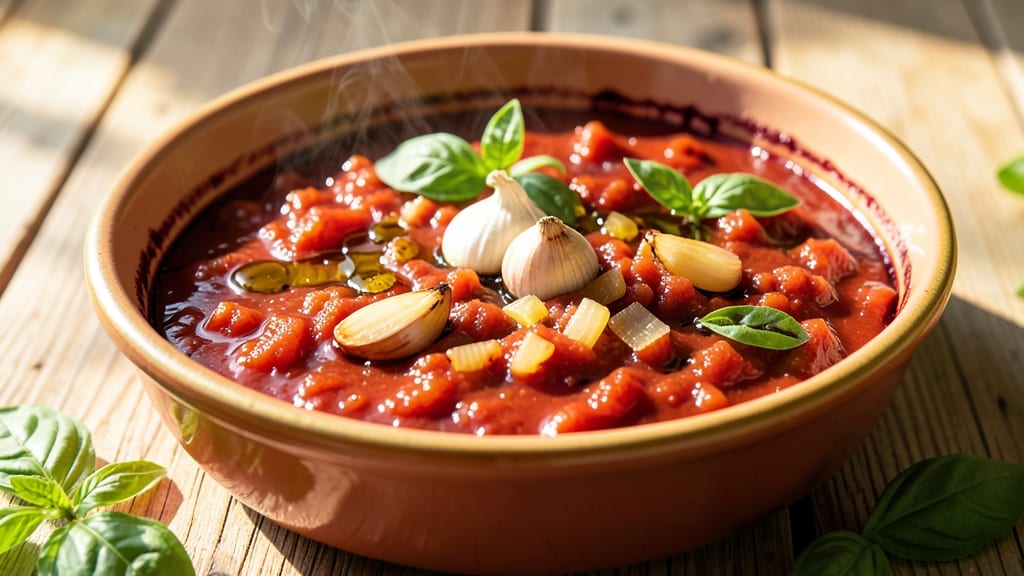
This amazing pasta sauce recipe delivers restaurant-quality depth with just 10 minutes of active work and hours of simmering magic. 💛 The secret lies in slow-cooking crushed tomatoes with aromatics until they break down into a velvety, umami-rich base—no blender required.
I perfected this version after burning through three store-bought jars, and it now gets rave reviews from even the pickiest pasta lovers in my family.
The beauty of this sauce is its versatility—it works with any pasta shape but truly shines with rigatoni or penne, where it clings to every noodle. The slow simmer caramelizes the tomatoes while building layers of flavor from garlic, onion, and a splash of red wine.
Fresh basil at the end adds that bright, herbaceous finish that makes it taste homemade.
What makes this sauce truly amazing is how it improves with time. The flavors deepen overnight in the fridge, making it perfect for meal prep. Freeze half for future nights when you crave that same rich, comforting taste.
It's the kind of sauce that transforms simple pasta into a weeknight masterpiece without requiring fancy ingredients.
Pair it with your favorite protein—grilled chicken, crispy sausage, or even just a sprinkle of parmesan—and you've got a meal that feels indulgent but comes together in minutes.
The best part? Every bite tastes like you spent hours in the kitchen, when really, you just let time do the work for you.
Ingredients for amazing pasta sauce
Ten simple ingredients transform into restaurant-quality sauce with just simmering time.
| Ingredient | Amount | Notes |
|---|---|---|
| Crushed Tomatoes 🍅 | 28 oz | San Marzano preferred for sweetness |
| Yellow Onion 🧅 | 1 whole | Diced medium-sized |
| Garlic Cloves 🧄 | 4 cloves | Minced for depth |
| Extra-Virgin Olive Oil 🫒 | ½ cup | High quality, fruity |
| Dry Red Wine 🍷 | ½ cup | Bold Cabernet or Merlot |
| Fresh Basil Leaves 🌿 | ½ cup | Chopped, for finish |
| Vegetable Broth 💧 | ½ cup | Low-sodium preferred |
| Sugar 🍚 | 1 tsp | Balances acidity |
| Salt 🧂 | 1 tsp | Diamond Crystal preferred |
| Black Pepper 🌶️ | ½ tsp | Freshly ground |
The tomatoes are everything here. San Marzano is ideal—sweeter and less acidic than regular crushed tomatoes, but any good-quality canned tomatoes work. I grab mine from Trader Joe's or the bulk section at Whole Foods. Look for cans without added salt or preservatives. The garlic and onion are your flavor anchors, so don't rush the mincing—smaller pieces mean more surface area for flavor. The olive oil should be fruity and peppery, not bland. California Avocado or Colavita brands are my go-tos, but any extra-virgin will work.
No red wine? Substitute extra vegetable broth—just add another half cup. Fresh basil wilt fast, so dried basil at one-third the amount works in a pinch, though it won't have that same bright finish. The sugar balances the acidity—skip it if your tomatoes are naturally sweet. For extra depth, add a 1/2 tsp of red pepper flakes if you like heat. The broth can be homemade or store-bought, just make sure it's low-sodium so you control the seasoning. If you're prepping ahead, freeze the sauce in ice cube trays for perfect portions later.
This sauce gets better with time—24 hours in the fridge lets the flavors meld perfectly. For longer storage, freeze for up to 6 months in airtight containers. I always make double batches because it disappears fast. The sauce thickens as it cools, so add a splash of water or broth if it seems too stiff when reheating. Leftovers reheat beautifully—just warm on the stove with a splash of water to loosen it up. The basil should go in right before serving, so you don't lose that fresh aroma.
Why You'll Love This Recipe
- Foolproof Basics: I swear by this sauce because it only needs five ingredients—no fancy techniques, no stress. Sauté the onion and garlic in olive oil until soft (about 5 minutes), deglaze with wine, then toss in the tomatoes. That’s it. No peeling, no dicing, no overcomplicating.
- Wine-Infused Depth: Here’s what sold me—the red wine doesn’t just cook off; it lingers. That earthy, slightly tangy note from the crushed tomatoes and garlic gets amplified by the wine, giving it a richness you’d pay extra for at a restaurant. Honestly, I’ll take this over jarred sauce any day.
- Weeknight to Weekend: Between us, this sauce is my secret weapon for everything. Toss it with spaghetti for a quick weeknight dinner, or let it simmer longer for a hearty Sunday supper. Freeze half for lazy days—it reheats like a dream and tastes just as good the second time around.
- Pocketbook Hero: Crushed tomatoes, onion, garlic, olive oil, wine—all pantry staples that won’t break the bank. I’ve made this for under $5 per batch, and it feeds four with leftovers for two more meals. Not the prettiest, but the taste makes up for it every time.
Step-by-step instructions for slow-simmered tomato sauce
Here's how to build a rich, flavorful sauce that tastes like it simmered all day.
🍳 Step 1: Sauté Onions Until Translucent
Heat the 0.5 cup extra-virgin olive oil in a large, heavy-bottomed pot over medium heat. Add the 1 whole yellow onion that's been diced into ¼-inch pieces. Cook for 8-10 minutes until the onions are soft and translucent at the edges, stirring occasionally.
This slow cooking breaks down the onion's natural sugars, creating a sweet foundation for your sauce. If the onions start to brown too quickly, reduce the heat slightly. You want them to caramelize gently, not burn. Here's the thing—don't rush this step. Patience now means deeper flavor later.
🔥 Step 2: Add Garlic and Cook Until Fragrant
Push the onions to one side of the pot and add the 4 cloves minced garlic to the empty space. Cook for 30-60 seconds until the garlic becomes golden and fragrant, stirring constantly to prevent burning. This quick cooking preserves the garlic's sweetness rather than letting it turn bitter.
I like to watch for that moment when the kitchen smells like fresh garlic—it's your cue that it's ready. Once fragrant, stir the garlic into the onions to distribute it evenly. This is where the magic starts happening. The garlic will mellow out during the simmer, but this initial burst of flavor sets the stage for everything that follows.
🍳 Step 3: Deglaze with Red Wine
Pour in the 0.5 cup dry red wine and increase the heat to medium-high. Stir constantly for 2-3 minutes until the wine has completely evaporated and you see a glossy sheen forming at the bottom of the pot. This deglazing step captures all those delicious browned bits that would otherwise stick to your pot.
Here's where it gets fun—the wine's acidity cuts through the sweetness of the onions and garlic, creating a balanced flavor profile. If you're using a bold Cabernet or Merlot, you'll notice those rich fruit notes coming through. Let it bubble away until it's reduced by about half, then reduce the heat to low for the next steps.
🥘 Step 4: Build the Sauce with Tomatoes and Broth
Add the 28 oz crushed tomatoes, 0.5 cup vegetable broth, 1 tsp sugar, 1 tsp salt, and 0.5 tsp black pepper. Stir well to combine, then bring the mixture to a gentle simmer. Once simmering, reduce the heat to low and let it cook uncovered for 45-60 minutes, stirring occasionally.
This long, slow simmer is what develops the deep, complex flavor. You'll see the sauce gradually thicken as the liquid reduces. The sugar helps balance the acidity of the tomatoes, while the salt and pepper round out the flavors. I know it seems like a long time, but trust me—this is where the sauce transforms from good to amazing. Stir every 10-15 minutes to prevent sticking and ensure even cooking.
⏰ Step 5: Finish with Fresh Basil and Adjust Seasoning
After 45-60 minutes, stir in the 0.5 cup chopped fresh basil leaves. Let the sauce simmer for another 5-10 minutes to allow the basil's bright flavor to infuse. Taste and adjust the seasoning if needed—you might want to add a pinch more salt or a splash of broth if the sauce is too thick.
Here's the moment that matters: the basil adds that fresh, vibrant note that makes this sauce truly special. The leaves should wilt into the sauce, releasing their aroma. Once finished, remove the pot from heat. The sauce will continue to thicken slightly as it cools, so don't worry if it looks a bit loose right now. Serve immediately over your favorite pasta or save it for later—it tastes just as good reheated the next day.
Pro Tips For Making Amazing Pasta Sauce
- Sweat the Onion First: Don’t rush this—cut the onion into even ¼-inch slices and cook them in olive oil over medium-low heat for 8-10 minutes until they’re soft and translucent, not browned. I used to burn them in 2 minutes, and the sauce always tasted raw. Patience here means deeper flavor later.
- Deglaze with Wine Immediately: As soon as you add the garlic, pour in that red wine right after it sizzles—don’t wait. The wine will grab all the browned bits (fond) from the pan, which adds richness. Skip this, and you’re missing out on the thing that makes homemade sauce taste like a restaurant’s.
- Crush Tomatoes by Hand: Drain the crushed tomatoes but don’t skip the roughing up—smash them with your fingers or a wooden spoon to break up the pulp and seeds. This releases more juice and creates a smoother, more cohesive sauce. Canned tomatoes are convenient, but this step turns them from bland to balanced.
- Simmer Low and Long: After adding the tomatoes, reduce the heat to the lowest setting you can tolerate and let it bubble gently for at least 20 minutes. This isn’t a race—you’re building layers of flavor, not just heating. I used to walk away after 10, and the sauce always tasted flat. Give it time.
Perfect pairings for this dish
Pasta Pairings
This sauce clings beautifully to rigatoni or penne thanks to its thick, velvety texture. The ridges on rigatoni create perfect pockets for sauce, while penne's tubes hold onto every rich, tomato-infused bite. For a lighter option, try fettuccine or linguine—their flat surfaces let the sauce glide smoothly. 🍝
If you're serving with meatballs, spaghetti works wonderfully—the long strands help balance the hearty protein. For vegetarian meals, farfalle or fusilli add fun shapes while keeping the sauce front and center. The key is choosing pasta with enough surface area to hold onto the sauce's depth.
Protein Additions
Grilled chicken breast adds lean protein that pairs perfectly with the sauce's richness. Slice it thinly and toss it in during the last 5 minutes of simmering to keep it juicy.
For a heartier meal, brown Italian sausage in the pot before adding tomatoes—just remove it after cooking and slice it back in at the end.
Vegetarian? Mushrooms sautéed in olive oil until golden add earthy depth. Try shiitake or cremini for maximum flavor. A sprinkle of pecorino cheese at the table adds salty, nutty contrast that elevates every bite. 🍗
Bread Pairings
Serve with garlic bread made from a crusty baguette or ciabatta—the buttery, crispy edges soak up excess sauce beautifully. Brush the bread with olive oil and garlic before baking for extra flavor. For a lighter option, toast sourdough slices and rub them with a garlic clove before serving.
Dipping bread is half the fun—try grissini (Italian breadsticks) for a more elegant touch. Or make cheese-stuffed bread by slicing a baguette in half, stuffing with mozzarella and parmesan, and broiling until bubbly. The contrast of warm, gooey cheese with cool sauce is pure comfort food magic. 🥖
Wine Recommendations
A bold Chianti or Sangiovese complements the sauce's acidity and tomato depth perfectly. The wine's bright acidity cuts through the richness, while its earthy notes mirror the sauce's umami. Serve slightly chilled (55-60°F) to enhance the experience. 🍷
For white wine lovers, a crisp Pinot Grigio from Italy balances the dish beautifully. Avoid heavy reds like Cabernet—they can overpower the sauce's delicate herbs. A light Prosecco makes a refreshing pairing if you prefer sparkling options.
Herb Variations
Swap basil for oregano or thyme for a Mediterranean twist—just add the herbs with the tomatoes and simmer longer. For a spicy kick, stir in 1 tsp red pepper flakes during the final 10 minutes of cooking.
Fresh cilantro adds a bright, citrusy note that works surprisingly well with tomato sauce.
Need something different? Try rosemary for an earthy, piney aroma or sage for a slightly sweet, peppery flavor. The key is to add fresh herbs at the end to preserve their vibrant taste.
Dried herbs can be used at half the amount, but they won't have the same fresh finish. 🌿
Nutrition facts
Frequently asked questions
Can I make this sauce in a slow cooker?
Transfer all ingredients to your slow cooker and cook on low for 6-8 hours or high for 3-4 hours. The long cook time enhances the flavors even more. Add fresh basil just before serving, as it won't survive the extended cooking. The sauce will thicken significantly, so add a splash of broth or water if needed when reheating.
What if I don't have red wine?
No problem! Replace the 0.5 cup red wine with an equal amount of vegetable broth or apple cider vinegar. For depth, add 1 tsp tomato paste along with the tomatoes. The acidity from vinegar or the umami from broth will still balance the flavors beautifully. The sauce will just have a slightly different profile.
How do I fix a sauce that's too acidic?
If your sauce tastes too tart, balance it by adding 1 tsp sugar or 1 tsp honey to sweeten the acidity. Stir well and let it simmer for 5 minutes to meld the flavors. For extra richness, stir in 1 tbsp butter or a splash of heavy cream. If the sauce is still too sharp, a pinch of salt can help round out the flavors. Taste as you go!
Can I make this sauce without fresh basil?
Yes! Use 1 tbsp dried basil instead of fresh, but add it with the tomatoes and simmer longer. For a different flavor, try 1 tsp dried oregano or thyme. Fresh basil adds vibrant freshness, but dried herbs work perfectly when you're short on time. Just remember—dried herbs are more concentrated, so use less than the fresh amount.
How do I store and reheat leftovers?
Let the sauce cool completely, then transfer to an airtight container and store in the fridge for up to 5 days. For longer storage, freeze in portioned containers for up to 6 months. To reheat, warm over low heat on the stove, stirring occasionally. Add a splash of water or broth if the sauce thickens too much. The flavors actually improve after refrigeration!