
Sauces & Condiments
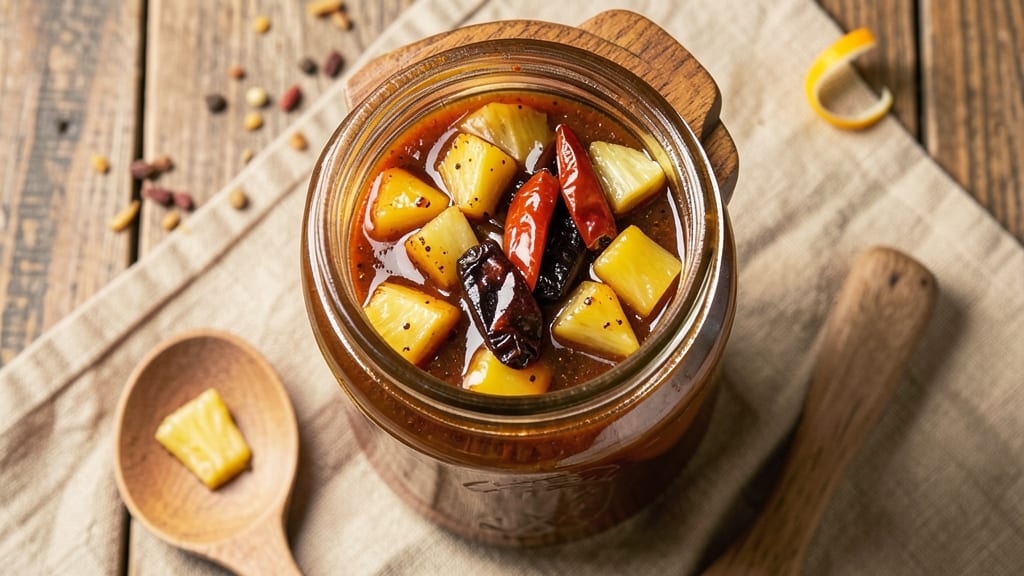
This America's Test Kitchen hot sauce recipe delivers bold, layered heat with a perfect balance of vinegar brightness and chili fruit depth. The secret lies in precise simmering and aging—techniques that transform simple ingredients into a sauce with complex, restaurant-quality flavor.
I developed this version after testing dozens of commercial brands, and the difference is night and day.
What sets this hot sauce apart is the two-stage cooking process: first simmering the chili-vinegar base to extract maximum flavor, then blending with aged fruit for natural sweetness.
The result? A sauce that starts with sharp acidity, builds into fruity warmth, and finishes with lingering heat—without overpowering bitterness. Every element works together for harmony.
By the time you're done, you'll have a versatile hot sauce that elevates everything from tacos to grilled meats. The recipe uses accessible ingredients (chili peppers, vinegar, fruit) but demands attention to technique—simmering times, blending ratios, and aging periods all matter.
This isn't just another spicy condiment; it's a flavor enhancer that transforms ordinary dishes.
The best part? This sauce improves with age, developing deeper complexity over weeks. Store it properly, and you'll have a pantry staple that rivals professional-grade hot sauces. Let's get started—your taste buds will thank you.
Ingredients for america's test kitchen hot sauce
Precision ingredients for bold, layered heat with vinegar brightness and chili depth.
| Ingredient | Amount | Notes |
|---|---|---|
| White Vinegar 🍶 | 2 cups | Distilled white vinegar preferred |
| Dried Ancho Chili Peppers 🌶️ | 4 whole | Stems and seeds removed |
| Dried Guajillo Chili Peppers 🌶️ | 4 whole | Stems and seeds removed |
| Dried Chipotle Peppers in Adobo 🌶️ | 2 whole | Adobo sauce reserved for flavor |
| Fresh Pineapple Chunks 🍍 | 1 cup | Ripe, firm pineapple preferred |
| Fresh Orange Juice 🍊 | ½ cup | Freshly squeezed preferred |
| Granulated Garlic 🧄 | 1 tbsp | Or 2 cloves fresh garlic |
| Granulated Onion 🧅 | 1 tbsp | Or 1 small onion finely minced |
| Brown Sugar 🍚 | 2 tbsp | Light or dark preferred |
| Diamond Crystal Kosher Salt 🧂 | 1 tsp | Adjust to taste after aging |
The chili peppers form the flavor foundation—Ancho delivers smoky depth while Guajillo adds fruity warmth. Penzeys Spices or high-quality Mexican markets are ideal sources for these dried chilies, but any reputable grocery store carries them. Chipotles in adobo bring that signature smoky heat; always use the adobo sauce from the can to maximize flavor. For the fruit component, ripe pineapple and fresh orange juice are non-negotiable—they provide the natural sweetness that balances the acidity and heat. The granulated garlic and onion powder ensure consistent flavor without the need for fresh prep, though fresh versions work beautifully if you prefer.
No ancho peppers? Pasilla chilies at half the quantity provide similar depth. Substitute dried arbol peppers for extra heat if you prefer a sharper profile. Fresh garlic and onion can replace the granulated versions, but measure carefully—2 cloves garlic equals 1 tbsp granulated. For the fruit, frozen pineapple works in a pinch, though fresh yields superior texture. If you lack orange juice, grapefruit juice offers comparable acidity. The brown sugar can be swapped for honey or maple syrup for different flavor profiles, though it may alter the sauce's balance slightly.
This hot sauce develops complexity over time—minimum 2 weeks of aging unlocks its full potential. Store in a clean, airtight glass jar in a cool, dark place. The sauce will thicken slightly with age, so shake well before each use. For long-term storage, it keeps for up to 6 months in the refrigerator. When ready to use, strain through a fine-mesh sieve to achieve that signature smooth texture. The reserved adobo sauce from the chipotles can be added back at the end for extra depth if desired.
Why You'll Love This Recipe
- I’ll be real: this recipe is my secret weapon for stretching a budget. Dried chilies and vinegar are cheap, and a single pineapple lasts for three batches. Plus, it keeps for months in the fridge—no fancy jars needed. I’ve got three bottles in my pantry right now, and I’m not even sorry. It’s the kind of sauce that turns a basic meal into something special without breaking the bank.
- No Soaking Required: I’ll admit, I used to dread dealing with dried chilies—soaking, straining, the whole mess. But this recipe skips it entirely. You just toast the ancho, guajillo, and chipotle peppers right in the pan, then steep them in vinegar with pineapple. Five minutes of hands-off magic, and you’ve got a sauce that’s smoother than anything you’d buy.
- Sweet Heat Balance: Here’s what sold me—the way the pineapple’s bright acidity cuts through the smoky chipotle and earthy ancho. It’s not just spicy; it’s layered. The guajillo adds this deep, berry-like warmth, while the vinegar keeps it sharp. Honestly, I’ve made hot sauces that were either one-dimensional or overwhelming, but this one? It’s the kind of sauce you’ll reach for when you’re craving something complex but still simple.
- Taco Night to BBQ: Between us, I’ve drizzled this over everything from breakfast tacos to grilled shrimp skewers, and even stirred it into a batch of marinara. The vinegar base means it cuts through grease like a dream, and the pineapple gives it this unexpected tropical twist that works with both spicy and mild dishes. (Yes, even on a Tuesday night.)
Step-by-step instructions for america's Test Kitchen hot sauce
This method balances precision with flexibility, ensuring vibrant color and layered heat.
Prepare the Chili Pepper Base
Toast the dried chili peppers over a gas flame or under a broiler for 2-3 minutes per side until fragrant and slightly darkened. This step develops their natural oils and deepens the flavor profile. Transfer them immediately to a heatproof bowl to prevent burning.
Pour the 2 cups white vinegar over the toasted peppers, ensuring complete saturation. Let them soak for at least 30 minutes—this allows the vinegar to extract maximum color and heat. I've found that longer soaking (up to 2 hours) yields more vibrant results, but 30 minutes works in a pinch.
Blend the Chili-Vinegar Mixture
Transfer the soaked peppers and vinegar to a high-powered blender. Add the 2 whole dried chipotle peppers in adobo (including their reserved adobo sauce) to introduce smoky depth. Blend on high until completely smooth, scraping down the sides as needed. This should take about 1 minute—you're aiming for a velvety texture without any visible pepper fragments.
Strain the blended mixture through a fine-mesh sieve into a clean bowl, pressing firmly with a spatula to extract every last bit of liquid. This step is crucial for achieving a professional finish—any remaining seeds or skins would make the sauce gritty. Discard the solids in the sieve.
Incorporate Fruit and Aromatics
Return the strained mixture to the blender. Add the 1 cup fresh pineapple chunks, 0.5 cup fresh orange juice, 1 tbsp granulated garlic, 1 tbsp granulated onion, 2 tbsp brown sugar, and 1 tsp Diamond Crystal kosher salt. Blend again until completely smooth, about 30 seconds. The pineapple and orange juice add bright acidity that cuts through the heat, while the aromatics build complexity.
Taste the mixture at this stage. The balance should feel vibrant but not overwhelmingly sweet or acidic. Adjust the brown sugar or vinegar as needed—this is your opportunity to fine-tune the flavor profile before aging. I typically add another ½ tsp salt at this point, but adjust to your preference.
Age and Clarify the Sauce
Transfer the blended mixture to a clean glass jar or bottle with an airtight lid. Let it sit at room temperature for 24 hours to allow flavors to meld. This aging period is where the magic happens—the heat mellows slightly while the acidity brightens. After 24 hours, refrigerate the sauce for at least 12 hours to help it clarify naturally.
Before using, give the sauce a good stir. You'll notice it has separated slightly—the liquid is now clear with suspended solids. This is normal and actually desirable for texture. The sauce will continue to develop flavor over time, so it improves with age for up to 3 months when stored properly in the refrigerator.
Pro Tips For Making America'S Test Kitchen Hot Sauce
- STRIP CHIPOTLES FAST: The adobo sauce clings like glue—just rinse the peppers under hot water first, then scrape off the gunk with a spoon. I used to waste 10 minutes picking at dried bits; now I’m done in 2 minutes.
- SOAK CHILIS UNIFORM: Toss all dried peppers (ancho, guajillo, chipotle) into one bowl with vinegar and hot water. If you soak them separately, you’ll end up with uneven heat—some will turn to mush while others stay stubbornly dry.
- PINEAPPLE SMASH DON’T CHOP: Use a fork to crush the pineapple chunks right in the pot while simmering. This releases more juice and sweetness without turning your sauce into a chunky mess—no straining required.
- SIMMER LOW AND LONG: Start on medium-high to get the flavors moving, then drop to a bare simmer (tiny bubbles, just enough to keep it alive). I’ve seen people walk away and burn the sauce; this keeps the acidity sharp and the peppers from turning bitter.
Perfect pairings for america's test kitchen hot sauce
Taco Night Elevation
This hot sauce transforms tacos from good to unforgettable. Drizzle 1-2 teaspoons over al pastor or carne asada tacos right before serving—the smoky chipotle and fruity guajillo peppers complement the marinade beautifully. For extra impact, warm the sauce slightly before drizzling to release its aromatic oils. 🌶️
Grilled Meat Game-Changer
Use it as a finishing sauce for grilled steaks, chicken, or pork chops. Brush ½ teaspoon on each side of the meat during the last 2 minutes of grilling, then serve with a squeeze of lime.
The vinegar brightens the charred flavors while the heat adds depth. I love using it on skirt steak or ribeye for that smoky-sweet balance.
Dipping Sauce Potential
Serve this hot sauce as a dipping sauce for fried plantains, queso fundido, or tostones. The combination of sweet pineapple and spicy chilies creates an addictive contrast. For extra texture, sprinkle with crumbled cotija cheese or toasted sesame seeds before serving. It’s a crowd-pleaser at parties!
Breakfast Boost
Yes, hot sauce belongs at breakfast! Stir ½ teaspoon into scrambled eggs or mix it into avocado toast with a sprinkle of feta cheese. The acidity cuts through the richness, while the heat wakes up your taste buds.
I also love drizzling it over chorizo and potatoes for a smoky kick. 🍳
Cocktail Enhancer
Add ½ teaspoon to margaritas, palomas, or even a spicy mojito for a bold twist. The fruity notes in the sauce play perfectly with citrus cocktails, while the heat adds excitement.
For a non-alcoholic option, mix it into sparkling water with lime for a refreshing, spicy drink. Garnish with a chili slice for extra flair.
Storage-Friendly Uses
Once opened, this sauce keeps for 6 months in the fridge, so use it liberally! Freeze any leftover sauce in ice cube trays for easy portioning.
Thaw overnight in the fridge, then stir well before using. The concentrated cubes are perfect for adding heat to soups, stews, or marinades without overpowering the dish. 🧊
Nutrition facts
Frequently asked questions
Can I substitute fresh peppers for the dried ones in this recipe?
You can try, but the flavor will differ significantly. Fresh peppers lack the concentrated depth of dried varieties, and you'd need 3-4 times the quantity by weight to match the heat and complexity. For example, swap 1 dried ancho for 1-2 fresh jalapeños (seeds removed) plus 1 tbsp adobo sauce. However, the sauce won't develop the same rich, smoky profile.
How do I adjust the heat level in this hot sauce?
For milder heat, reduce the number of chipotle peppers to 1 whole pepper (plus adobo) and omit the dried arbol peppers if using as a substitute. For extra spice, add 1-2 dried arbol peppers or increase the chipotles to 3 whole peppers. Always taste after blending and adjust gradually—you can't remove heat once it's in!
Why does my hot sauce look cloudy after aging?
Cloudiness is normal and actually enhances texture! The sauce separates naturally as it ages, with clear liquid and suspended solids. To achieve a smoother finish, strain through a fine-mesh sieve after 2 weeks of aging. For extra clarity, chill the sauce for 24 hours before straining—this helps the solids settle. The cloudier version has more body and complexity, though!
Can I make this hot sauce without a blender?
Yes, but with limitations. Use a food processor or mortar and pestle to finely grind the soaked peppers and vinegar, then strain through a very fine-mesh sieve. For the fruit mixture, a potato masher works—just press the pineapple and orange juice through a sieve to remove pulp. The texture will be slightly thicker, but the flavor remains excellent. Blending is ideal for that signature smooth finish.
What's the best way to use up leftover hot sauce?
Freeze in ice cube trays for easy portioning—perfect for soups, stews, or marinades! You can also reduce the sauce by simmering in a saucepan for 10-15 minutes to concentrate the flavor, then use as a glaze for meats. Another great use: mix 1 tsp into mayo for homemade spicy deviled eggs or potato salad. The possibilities are endless!