
Sauces & Condiments
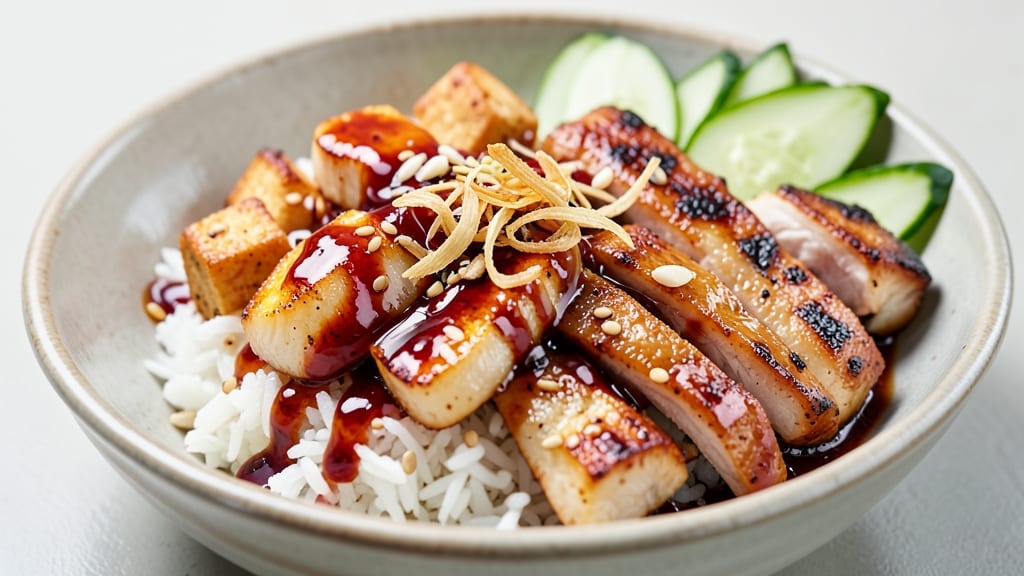
This Asian sweet and spicy sauce recipe transforms any dish with its perfect balance of bold heat and rich sweetness in just 15 minutes. The secret lies in combining vinegar, honey, and chili for a sauce that's tangy, slightly sticky, and packed with umami from soy and garlic.
I developed this after years of tweaking store-bought versions—finally achieving a depth that stands up to grilled meats, stir-fries, or even as a dipping sauce.
The foundation is simple: a mix of rice vinegar and soy sauce creates the base, while honey or brown sugar adds that signature sweetness without overpowering. Fresh garlic and ginger infuse warmth, and a touch of sriracha or chili flakes delivers controlled heat that lingers just right.
For extra richness, a splash of peanut butter or fish sauce deepens the flavor profile, making it versatile for both sweet and savory dishes.
What you'll end up with is a glossy, aromatic sauce that clings beautifully to proteins and vegetables, adding layers of flavor in every bite. The balance of sweetness and heat is what makes this sauce special—it's bold enough to stand alone but flexible enough to complement any cuisine.
This is the kind of sauce that elevates simple weeknight meals into something restaurant-worthy with minimal effort.
Use it as a marinade for chicken or tofu, a stir-fry sauce for vegetables, or even a dipping sauce for spring rolls. The possibilities are endless, and the best part?
It keeps well in the fridge for up to two weeks, so you can make a batch and have it ready whenever you need a quick flavor boost. Let's get started!
Ingredients for asian sweet and spicy sauce
Nine simple ingredients blend into a sauce that's bold, sticky, and packed with umami.
| Ingredient | Amount | Notes |
|---|---|---|
| Rice Vinegar 🍶 | ½ cup | White or seasoned variety |
| Soy Sauce 🍶 | ½ cup | Light or dark preferred |
| Honey 🍯 | ⅓ cup | Wildflower for depth |
| Sriracha 🌶️ | ¼ cup | Adjust for heat preference |
| Garlic Cloves 🧄 | 4 cloves | Minced for infusion |
| Fresh Ginger 🌿 | 1 ½ tbsp | Grated, not powdered |
| Peanut Butter 🥜 | 2 tbsp | Creamy for richness |
| Sesame Oil 🫒 | 1 tbsp | Toasted sesame preferred |
| Red Chili Flakes 🔥 | 1 tsp | Optional for extra heat |
| Salt 🧂 | ½ tsp | Kosher or sea salt |
The rice vinegar and soy sauce form the backbone of this sauce—Kikkoman soy sauce or any light variety works best. For honey, Manuka or wildflower adds subtle depth, but regular honey will do. Fresh ginger and garlic are non-negotiable for that authentic warmth, so grab the fresh ginger root from the produce section, not the jarred stuff. Sriracha can be swapped for gochujang or chili garlic sauce if you prefer a different heat profile. I always grab toasted sesame oil from the Asian aisle at Trader Joe's—it's worth the extra few cents for that nutty aroma.
No peanut butter? Sesame paste or tahini works perfectly for richness. Short on garlic? Garlic powder at half the amount will work in a pinch, but fresh is ideal. Want more tang? Add an extra tablespoon of rice vinegar. For heat control, start with less sriracha and adjust to taste—you can always add more, but you can't take it out. The sesame oil is what gives this sauce that signature aroma, so don't skip it unless you're avoiding nuts entirely. If you're making this for a crowd, double the batch—it's that good.
This sauce keeps beautifully in the fridge for up to 2 weeks in an airtight jar. For longer storage, freeze it in ice cube trays—perfect for adding a single serving to stir-fries or marinades. The flavors actually improve after a day or two as everything melds together. I always make a double batch because it disappears faster than you'd think. Leftovers? Toss them into fried rice, drizzle over noodles, or use as a marinade for tofu or chicken. It's that versatile.
Why You'll Love This Recipe
- Five-Ingredient Magic: I swear by this combo—just rice vinegar, soy sauce, honey, sriracha, and garlic. No fancy tools, no waiting for the oven. Honestly, I’ve made it in a tiny mason jar while chatting with my neighbor.
- Sweet Heat Balance: That first tangy hit from the rice vinegar? Then the honey softens it, and boom—the sriracha kicks in. It’s the kind of sauce where every bite feels like a little flavor explosion, but not so spicy it ruins your dinner.
- Dresses Up Anything: Drizzle it over grilled chicken, toss it with noodles, or even slather it on fries. I’ve used the last of mine to glaze baked tofu—trust me, it’s the unsung hero of weeknight meals.
- Leftovers That Last: Make a double batch and store it in the fridge. The flavors actually deepen over time, and it’s cheaper than buying store-bought sauces. Between us, I’ve had this jar sit for weeks—still delicious.
Step-by-step instructions for Asian sweet and spicy sauce
This sauce comes together in minutes with simple steps and bold flavors.
Mince Garlic and Grate Fresh Ginger
Start by mincing the 4 cloves garlic cloves into tiny pieces—you want them almost paste-like for maximum infusion. I like to press each clove with the flat side of my knife blade first to release the oils before chopping. Then, grate the 1.5 tablespoons fresh ginger using a microplane or fine grater. The goal is to get a smooth, fine texture that will blend seamlessly into the sauce.
Fresh ginger adds a bright, zesty kick that powdered can't match. If you're using a microplane, scrape the entire surface to catch all the fine particles. Set both aside—they'll be the aromatic base of your sauce. Don't skip this step; these aromatics are what make this sauce truly sing.
Combine Wet Ingredients in a Saucepan
In a medium saucepan, pour in the 0.5 cup rice vinegar, 0.5 cup soy sauce, and 0.33 cup honey. Stir gently to combine—no need to be vigorous yet. Place the saucepan over medium heat and let it warm through for about 2 minutes. You'll notice the honey starts to dissolve and the mixture becomes slightly syrupy.
This is where the foundation of your sauce builds. The vinegar adds tang, the soy sauce brings umami depth, and the honey rounds out the flavors. Let it simmer gently until it reaches a gentle bubble—this helps the ingredients meld together. If you see any sugar crystals from the honey, stir gently to encourage them to dissolve completely.
Add Aromatics and Simmer for Depth
Once the mixture is warm and slightly bubbling, add the minced garlic and grated ginger. Stir constantly for 1-2 minutes until you can smell that fragrant aroma wafting up. The garlic should soften slightly but not brown—you want it to infuse, not burn. This is where the magic happens; these aromatics transform the sauce from good to extraordinary.
While stirring, add the 1 tsp red chili flakes and 0.5 tsp salt. Let the mixture simmer for another 3-4 minutes until it thickens slightly. You're looking for a consistency that coats the back of a spoon but still flows easily. If it gets too thick too quickly, you can add a splash of water or vinegar to balance it out.
Incorporate Sriracha and Peanut Butter
Now it's time to add the 0.25 cup Sriracha and 2 tbsp peanut butter. Start with the Sriracha first—stir vigorously to distribute it evenly. The peanut butter might look like too much at first, but trust me, it's what gives this sauce its signature richness. Add it gradually while stirring constantly to prevent clumping.
Let the sauce simmer for another 2-3 minutes on medium heat. The peanut butter will melt completely and create a velvety texture. If the sauce starts to separate or looks too thick, add a few teaspoons of hot water from the pan to help it come together. The Sriracha adds heat, while the peanut butter balances it with creamy richness—this is the perfect yin and yang of flavors.
Finish with Sesame Oil and Adjust Seasoning
Remove the saucepan from heat and stir in the 1 tablespoon sesame oil. This adds a nutty aroma and depth that ties all the flavors together. Give it one final taste and adjust the seasoning if needed. You might need a bit more soy sauce for saltiness, a touch more honey for sweetness, or even a splash more Sriracha for heat. The beauty of this sauce is that it's completely customizable.
Let the sauce cool slightly before using it—this allows the flavors to fully meld. It will thicken even more as it cools, so if you need to thin it out, just add a splash of water or vinegar. This sauce keeps well in the refrigerator for up to 1 week, making it perfect for meal prep. Use it as a glaze, dipping sauce, or marinade for your favorite dishes!
Pro Tips For Making Asian Sweet And Spicy Sauce
- Mince That Garlic: I learned this the hard way—chopping garlic cloves for this sauce is not the same as for stir-fry. Pulse them in a food processor until you’ve got a fine paste (about 2 seconds). That way, the garlic blends smoothly and doesn’t clump into bitter chunks when you mix in the honey and vinegar.
- Balance the Heat: Sriracha is sneaky—start with just 1 teaspoon and taste as you go. If you dump in the whole bottle upfront, you’ll regret it later. The sauce should sing with spice, not burn your tongue off. Adjust with a splash of honey or a pinch more soy sauce if needed.
- Simmer, Don’t Boil: After combining everything, bring the sauce to a gentle simmer (tiny bubbles, no rolling). Boiling turns rice vinegar harsh and makes the honey taste medicinal. Let it cook for 3-4 minutes until the garlic aroma fills your kitchen—that’s when you know it’s ready.
- Upgrade with Toasted Soy: Skip the plain soy sauce—heat 1 tablespoon in a dry pan for 30 seconds until it darkens slightly. The nutty depth it adds? Game-changer. Let it cool before mixing into the sauce, or you’ll end up with a sad, watery glaze instead of a rich, sticky finish.
Wine and beer pairings for these flavors
Light Beer Pairings
A crisp, light lager like Asahi Super Dry or Sapporo cuts through the sauce's richness without overpowering its flavors. The subtle hop bit balances the sweetness, while the clean finish lets the sauce's spicy notes shine.
I've found that Japanese pilsners work particularly well—their mild carbonation refreshes your palate between bites of grilled chicken or spring rolls. 🍺
For a slightly more robust option, try a Hefeweizen like Weihenstephaner. The banana and clove notes in the beer complement the peanut butter's creaminess, while the slight tartness mirrors the sauce's vinegar base. Serve both chilled to highlight their refreshing qualities.
Rosé Wine Balance
A dry Provence rosé with its crisp acidity and red fruit notes is my go-to wine pairing. The acidity cuts through the sauce's sweetness, while the berry flavors harmonize with the peanut butter's richness.
Look for a Côtes de Provence—it's light enough to let the sauce's spicy kick stand out. 🍷
If you prefer white wine, a Pinot Noir from Oregon offers a perfect balance. Its bright acidity and red fruit undertones mirror the sauce's sweet-spicy profile, while the earthy notes complement the soy sauce's umami depth. Serve slightly chilled to enhance its freshness.
Asian-Inspired Cocktails
For a festive touch, mix a Lychee Martini with lychee juice, vodka, and a splash of lime. The floral sweetness of lychee enhances the sauce's honey notes, while the lime's acidity brightens the peanut butter's richness. Garnish with a lychee fruit for an elegant presentation. 🍸
Another crowd-pleaser is a Yuzu Sour—mix yuzu juice (or substitute with grapefruit), gin, and a touch of honey. The citrusy tartness balances the sauce's sweetness, while the gin's botanical notes complement the ginger and garlic aromatics. Serve over ice for a refreshing contrast.
Non-Alcoholic Options
For a refreshing non-alcoholic pairing, try sparkling yuzu soda or San Pellegrino Aranciata. The citrusy bubbles cleanse your palate between bites, while the sweetness harmonizes with the sauce's honey and peanut butter. I love keeping a bottle chilled in the fridge for spontaneous meals. 💧
A green tea iced tea with a hint of honey adds a subtle earthiness that pairs beautifully with the sauce's umami depth. The tannins in the tea also help balance the peanut butter's richness, creating a well-rounded flavor experience. Brew with japanese sencha for the best results.
Nutrition facts
Frequently asked questions
Can I make this sauce without peanut butter?
Swap the peanut butter for 2 tablespoons sesame paste or tahini for a nut-free version that still adds richness. For a different texture, try 1 tablespoon miso paste to boost umami depth. The sauce will still be delicious—just slightly thinner in consistency.
How do I adjust the heat level?
Start with 1 tablespoon Sriracha for mild heat, or 2 tablespoons for medium spice. For extra kick, add ½ teaspoon gochugaru (Korean chili flakes) instead of regular chili flakes. Always taste as you go—you can add more heat but can't remove it!
What's the best way to use leftover sauce?
This sauce keeps for 2 weeks refrigerated—use it as a glaze for grilled meats, stir-fry sauce, or dipping sauce for spring rolls. For extra flavor, simmer with 1 tablespoon fish sauce for 2 minutes before using. It also freezes well in ice cube trays for single-use portions.
Can I make this sauce vegan?
Yes! Replace the honey with agave syrup and use vegan soy sauce (like tamari). For extra richness, add 1 tablespoon coconut aminos or an extra tablespoon of sesame paste. The peanut butter remains vegan-friendly, but check your brand's label.
Why did my sauce separate?
This happens when peanut butter cools too quickly. Stir in 1 teaspoon hot water** while reheating on low heat until smooth. For prevention, whisk constantly when adding peanut butter and remove from heat immediately after. The sauce will thicken more as it cools—this is normal!