
Sauces & Condiments
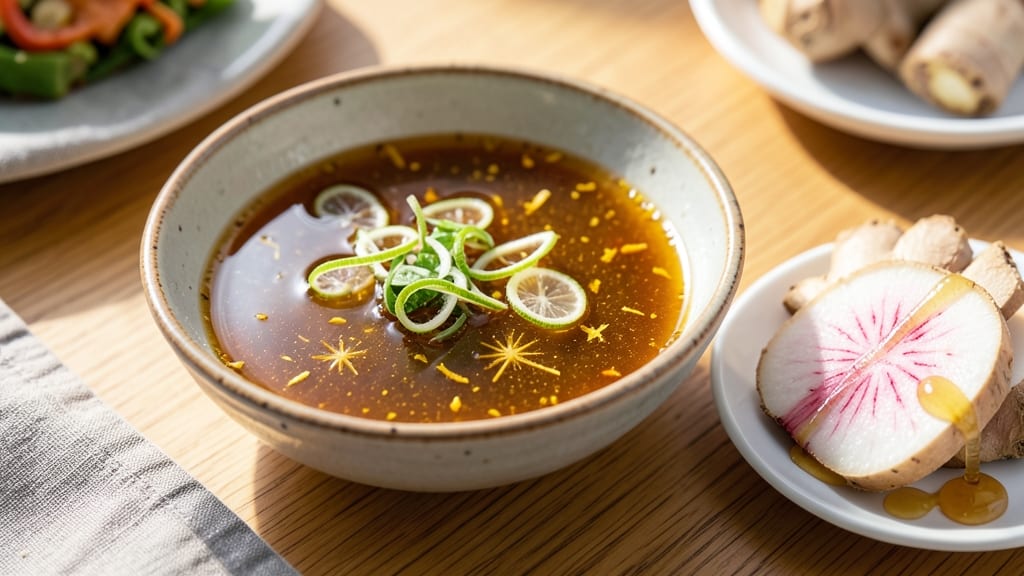
This amazu ponzu sauce recipe transforms simple pantry staples into a vibrant, tangy-sweet glaze that elevates everything from grilled fish to cocktails. The balance of citrus, soy, and mirin creates that signature umami brightness that Japanese restaurants nail perfectly—but you can make at home in just 15 minutes.
I developed this version after years of experimenting with ponzu, refining it to be both authentic and adaptable to any kitchen.
The magic lies in the citrus—traditionally yuzu, but sudachi or lemon work beautifully for home cooks. Combined with soy sauce, mirin, and a touch of vinegar, it creates a sauce that's equally at home drizzled over sashimi or brushed onto searing scallops.
The key is reducing it gently to concentrate the flavors without losing that bright acidity that cuts through rich proteins.
What makes this sauce special is its versatility. Use it as a marinade for chicken or pork, a dipping sauce for tempura, or even a cocktail mixer for a refreshing twist on gin and tonic.
The reduced version keeps for up to 2 weeks in the fridge, making it perfect for meal prep or gifting. Each batch delivers that restaurant-quality tang that transforms simple dishes into something extraordinary.
For those short on time, I've included a quick version that skips reduction—still delicious, just slightly less concentrated. The full recipe, however, rewards patience with layers of flavor that make every bite memorable. Let's get started on creating your own batch of this essential Japanese pantry staple.
Ingredients for amazu ponzu sauce
Nine simple ingredients transform into a vibrant sauce that elevates seafood and meats instantly.
| Ingredient | Amount | Notes |
|---|---|---|
| Yuzu Juice 🍋 | ½ cup | Substitute sudachi or lemon if unavailable |
| Rice Vinegar 🍶 | ¼ cup | Seasoned or unseasoned works |
| Mirin 🍶 | ¼ cup | Sweet cooking wine, don't substitute |
| Soy Sauce 🥢 | ¼ cup | Use high-quality Japanese soy sauce |
| Dashi Stock 🍜 | ½ cup | Instant or homemade bonito-kombu |
| Fresh Ginger 🧅 | 1 tbsp | Grated, for subtle heat |
| Sesame Oil 🫒 | 1 tbsp | Toasted for nutty aroma |
| Sugar 🍚 | 1 tbsp | White or brown sugar |
| Red Chili Flakes 🌶️ | ½ tsp | Adjust for heat preference |
| Salt 🧂 | ½ tsp | Kosher or sea salt |
Yuzu is the star here, but don't stress if you can't find it—sudachi or lemon juice works beautifully. For the best yuzu, check Japanese specialty stores or order online; the fresh juice is worth the hunt. Mirin is non-negotiable—it's what gives ponzu that signature sweetness. If you're using instant dashi, make sure it's bonito-based for that authentic umami punch. The ginger should be fresh and zesty; pre-grated loses its kick fast. For soy sauce, Kikkoman or Yamasa are reliable choices, but any good Japanese soy will do.
No yuzu? Double the lemon juice and add a pinch of extra salt to compensate. Running low on mirin? Dry sherry or white wine in a pinch, but it won't be quite the same. The dashi can be swapped for vegetable broth with a dash of kombu powder if you're avoiding fish. For heat, gochujang at half the amount adds depth but changes the texture. The sesame oil should be toasted—microwave it for 30 seconds to warm it up before adding. If you're short on time, skip the reduction step, but you'll miss that concentrated flavor that makes ponzu sing.
This sauce keeps beautifully—2 weeks in the fridge once opened. Store it in a glass jar with a tight seal, and the flavors will actually deepen over time. For longer storage, freeze in ice cube trays—perfect for single-use portions. The reduced version thickens as it cools, so give it a quick stir before using. Trust me, the first time you drizzle this over fresh sashimi or brush it on searing scallops, you'll be hooked.
Why You'll Love This Recipe
- Few Ingredients, Big Payoff: I’m not kidding when I say this sauce comes together with just five things—no fancy pantry raids. The yuzu juice cuts through the richness of dashi and soy, while mirin adds that sweet, silky balance in two quick stirs. Honestly, it’s the kind of recipe where you’ll wonder why you ever bought store-bought.
- Umami-Packed Punch: That first sip? Chef’s kiss. The dashi stock brings deep savory notes, but the real magic happens when the yuzu’s bright citrus tang dances with the soy’s saltiness. It’s the kind of flavor that makes you pause mid-bite—like a secret handshake between Japanese comfort and bold brightness.
- Works Every Time: Drizzle it over grilled fish, toss it with noodles, or use it as a marinade—this sauce doesn’t play favorites. I’ve even poured it on popcorn (don’t judge) and woken up my taste buds. Between us, it’s the one sauce that turns simple meals into feel-good meals without trying too hard.
- Make Once, Use Twice: The best part? It keeps like a champ in the fridge for up to a week, so you’re never scrambling for a last-minute flavor boost. I’ll be real: I’ve had a batch last me two weeks because it’s just so darn versatile. Plus, the ingredients won’t break the bank—mirin and dashi might sound fancy, but they stretch far enough to make this a budget hero.
Step-by-step instructions for amazu ponzu sauce
This vibrant sauce comes together in minutes with a perfect balance of bright citrus and deep umami.
Combine the Base Ingredients
In a small saucepan, whisk together all the liquid ingredients: the 0.5 cup yuzu juice, 0.25 cup rice vinegar, 0.25 cup mirin, 0.25 cup soy sauce, and 0.5 cup dashi stock. I like to use a whisk for this step to ensure everything blends smoothly without any clumps forming. The yuzu juice should be freshly squeezed for the best flavor, but if you're substituting sudachi or lemon, make sure it's very tart to match the bright acidity.
Place the saucepan over medium heat and bring the mixture to a gentle simmer. You'll see small bubbles forming around the edges—that's your cue it's heating properly. Let it simmer for about 5 minutes to allow the flavors to meld together. The aroma will be incredible at this point, with that citrusy tang mixing with the rich umami from the soy sauce and dashi.
Add the Ginger and Sugar
While the base is simmering, peel and grate the 1 tablespoon fresh ginger using a fine grater or microplane. The ginger should be very finely grated—you want it to dissolve completely into the sauce rather than create texture. Add the grated ginger and 1 tablespoon sugar to the saucepan and stir well to combine. The sugar will help balance the acidity of the citrus while adding a touch of sweetness that complements the savory flavors.
Continue simmering for another 2-3 minutes until the ginger has fully dissolved and the sugar has melted completely. You'll know it's ready when the sauce looks smooth and glossy, with no visible ginger particles. This is also a good time to taste the sauce—it should be bright, tangy, and slightly sweet with a hint of ginger warmth. If it needs more sweetness, you can add a pinch more sugar, but don't overdo it or you'll lose the balance of flavors.
Incorporate the Finishing Touches
Remove the saucepan from the heat and let it cool slightly for about 1-2 minutes. This cooling step is important because we're about to add the sesame oil, which can become bitter if added to a hot sauce. Once the sauce has cooled just enough to handle, stir in the 1 tablespoon toasted sesame oil and the 0.5 teaspoon red chili flakes. The sesame oil will add a nutty aroma and rich depth, while the chili flakes bring a subtle heat that cuts through the richness.
Finally, add the 0.5 teaspoon salt and give everything one last stir. The sauce should now have a perfect balance of sweet, sour, salty, and umami with just a hint of spice. If you're using this sauce immediately, you can serve it right away. But for the best flavor, let it sit at room temperature for about 30 minutes to allow all the flavors to fully meld together. This resting time makes a world of difference in the final result.
Strain and Store for Freshness
For a completely smooth sauce, strain it through a fine-mesh sieve into a clean bowl or jar. This step removes any remaining ginger particles and gives you that silky texture that's perfect for drizzling over dishes. If you prefer a slightly textured sauce, you can skip the straining, but I find the smooth version works best for glazing meats and seafood.
The amazu ponzu sauce will keep in the refrigerator for up to 1 week in an airtight container. Before using, give it a good stir and taste—sometimes the flavors deepen even more after a day or two in the fridge. This sauce is incredibly versatile; use it as a glaze for seared scallops, a marinade for grilled fish, or a dipping sauce for sushi rolls. The possibilities are endless, and the bright, tangy flavor will elevate any dish it touches.
Pro Tips For Making Amazu Ponzu Sauce
- Simmer Slow and Steady: After burning the first batch by rushing it, I learned to keep the heat low and let the sauce reduce gently over 10–12 minutes. If you’re impatient and crank it up, the mirin and vinegar will turn bitter before the flavors meld—like trying to rush a conversation with someone who needs time to open up.
- Strain Twice for Smoothness: Yuzu juice is messy, and if you skip straining, you’ll get pulp in your sauce that makes it gritty. Use a fine-mesh sieve first, then a coffee filter or cheesecloth for that silky texture. (Yes, it’s extra work, but your ponzu will taste like it came from a Kyoto kitchen, not a rushed weeknight.)
- Balance the Soy First: Taste your soy sauce before adding it—some brands are saltier than others. Start with half the amount, then adjust. I’ve ruined batches by assuming "1 tablespoon" would be enough, only to end up with a sauce that tasted like a soy brick. Better to fix it early than regret it later.
- Upgrade with Fresh Dashi: Store-bought dashi is fine, but if you’re using it, at least heat it first—cold dashi makes the sauce taste flat. For real depth, make a quick kombu-dashi (simmer 1 strip kombu in 2 cups water for 10 minutes), then add the bonito flakes last minute. The difference is like switching from tap water to spring water—subtle, but noticeable.
Perfect pairings for this recipe
Seafood Showstoppers
This ponzu sauce transforms simple seafood into a restaurant-worthy dish. Drizzle it over sashimi-grade tuna or salmon just before serving to add that bright citrusy punch. For extra flair, brush it on seared scallops during the last minute of cooking—the sauce will caramelize beautifully. 🍣
Try it with grilled shrimp skewers by marinating them in ponzu for 10-15 minutes before grilling. The sauce’s acidity tenderizes the shrimp while adding depth. For a complete meal, pair with steamed rice and quick-pickled cucumbers to balance the richness.
Meat & Poultry Magic
Ponzu isn’t just for seafood—it’s a game-changer for grilled chicken or pork. Marinate boneless chicken thighs in ponzu for 2 hours before grilling, then finish with a quick brush of extra sauce. The result? Juicy, flavorful meat with a sticky-sweet glaze. 🍗
For pork chops, use ponzu as a basting sauce while searing. The citrus cuts through the fat, keeping the meat tender. Even beef skewers benefit—toss cubes in ponzu before grilling for a tangy contrast to the richness of the meat.
Cocktail & Drink Pairings
Elevate your drinks by mixing 1 oz ponzu sauce with 4 oz gin or vodka, topped with soda water and a squeeze of lime. The citrus and umami make it a refreshing alternative to classic martinis. 🍸
For non-alcoholic options, stir 1 tbsp ponzu into iced green tea or sparkling water with a splash of yuzu soda (if available). It’s like a Japanese version of a citrus spritzer—bright, refreshing, and perfect for summer.
Vegetable & Noodle Twists
Toss hot soba or udon noodles with ponzu, scallions, and sesame seeds for an instant upgrade. The sauce’s acidity cuts through the noodles’ chewiness, making it a quick and satisfying meal. 🍜
Use ponzu as a dipping sauce for tempura or fried tofu—its tangy-sweet profile balances the crispy texture perfectly. For a cold dish, drizzle ponzu over chilled cucumber slices or avocado for a refreshing side.
Nutrition facts
Frequently asked questions
Can I substitute yuzu juice if I can't find it?
Use sudachi juice for the closest flavor, or double the amount of fresh lemon juice and add an extra pinch of salt to compensate for the lower acidity. For a more complex flavor, try a mix of lemon and lime juice—just be prepared for slightly different brightness levels.
How long should I reduce the sauce for best results?
For a balanced sauce, reduce the mixture over medium-low heat for 8-10 minutes until it thickens slightly but remains pourable. This concentration step develops the flavors without making it syrupy. If you prefer a thicker glaze, reduce for an extra 2-3 minutes—just watch closely to avoid burning.
Is this ponzu sauce gluten-free?
Only if you use gluten-free soy sauce. Traditional Japanese soy sauce contains wheat, so check the label for gluten-free certification. For a fully gluten-free version, substitute with tamari or coconut aminos—just note the flavor will be slightly different.
Can I make this sauce without mirin?
Yes, but the flavor will differ. Replace mirin with an equal amount of dry white wine or sake for a similar sweetness profile. For a sweeter alternative, use equal parts white wine and a touch of honey (about 1 teaspoon per 0.25 cup). The sauce will still be delicious, just slightly less refined.
How do I fix ponzu sauce that's too salty?
Dilute it with 1-2 tablespoons of water or citrus juice and taste again. For a more dramatic fix, stir in 1 teaspoon of sugar to balance the saltiness. If the sauce is already strained, you can't adjust it further—prevention is key! Always taste as you go during the cooking process.