
Sauces & Condiments
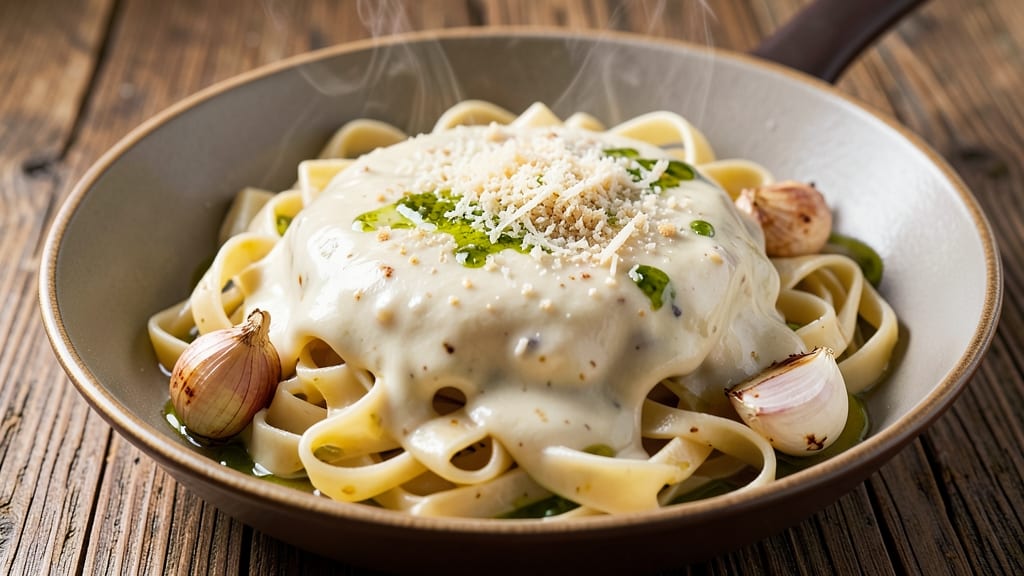
This amazing alfredo sauce recipe delivers restaurant-quality creaminess without the risk of burning or breaking. The secret lies in a slow-cooked roux and heavy cream that comes together in just 15 minutes—no clumping, no lumps, just velvety perfection every time.
I've been perfecting this version for years, and it's the one people always ask for seconds on.
The beauty of this sauce is its simplicity: just butter, garlic, cream, and Parmesan, but the technique makes all the difference. We're talking about a rich, golden sauce that coats pasta like a dream, with just enough garlic to add depth without overpowering.
The key? Low and slow heat, constant stirring, and letting the sauce thicken naturally.
What you'll end up with is a sauce so creamy and indulgent, it'll make you forget about store-bought versions forever. The texture is silky-smooth, with a perfect balance of richness and tanginess from the Parmesan.
It's the kind of sauce that turns a simple pasta dish into a showstopper—elegant enough for company but easy enough for a weeknight dinner.
Best of all, this sauce keeps beautifully in the fridge for up to 5 days, so you can make a big batch and use it all week.
Whether you're tossing it with fettuccine, drizzling it over grilled chicken, or using it as a creamy dip, this alfredo sauce is about to become your new go-to. Let's get cooking!
Ingredients for amazing alfredo sauce
Four core ingredients plus a few secret touches—this is the magic behind restaurant-quality alfredo.
| Ingredient | Amount | Notes |
|---|---|---|
| Unsalted Butter 🧈 | ¾ cup | Cold, cubed for roux |
| Garlic Cloves 🧄 | 6 whole | Minced finely for depth |
| Heavy Cream 🥛 | 2 cups | Full-fat for richness |
| Parmesan Cheese 🧀 | 1 ½ cups | Freshly grated from block |
| All-Purpose Flour 🌾 | ¼ cup | For smooth roux base |
| Extra-Virgin Olive Oil 🫒 | 1 tbsp | For finishing drizzle |
| Salt 🧂 | ½ tsp | Kosher or sea salt |
| Black Pepper 🌶️ | ¼ tsp | Freshly ground preferred |
| Freshly Squeezed Lemon Juice 🍋 | 1 tbsp | Brightens the sauce |
The butter and flour make the foundation here—don't rush the roux. European-style unsalted butter from the grocery store's dairy section (like Land O'Lakes or Kerrygold) works perfectly. For the Parmesan, Parmigiano-Reggiano is non-negotiable—pre-grated gets clumpy and lacks flavor. I always grab a wedge from the deli counter and grate it myself. The garlic should be freshly minced—jarred minced garlic has a weird aftertaste. If you're worried about burning, use a light-colored saucepan—it's easier to monitor the color.
No heavy cream? Full-fat coconut milk works in a pinch, though it'll taste different. Short on Parmesan? Pecorino Romano adds a sharper bite. The olive oil is key for finishing—use something fruity and peppery like California extra-virgin. For a dairy-free version, swap the butter for vegan butter and use coconut cream instead of heavy cream. The lemon juice is optional but adds a nice brightness that balances the richness. If you forget it, just add a pinch of salt to compensate.
This sauce keeps beautifully—5 days in the fridge sealed in an airtight container. For longer storage, freeze in 1-cup portions with a splash of water to prevent freezer burn. Reheat gently on low heat, stirring constantly, until smooth. I always make a double batch because it disappears fast. The first time I made this, I used half-and-half instead of heavy cream—don't make that mistake!
Why You'll Love This Recipe
- No-Fuss Roux Magic: I swear by that simple butter-flour swirl—just melt, whisk, and let it bubble until golden. No fancy techniques, no stress, and it’s the secret to that velvety texture everyone raves about.
- Cheese Overload (In a Good Way): That first sprinkle of Parmesan into the warm cream? Instant flavor explosion. The nutty sharpness cuts through the richness, and honestly, I’ve never met a sauce that balances cream and cheese this perfectly.
- Weeknight to Dinner Party: Same five ingredients, but it feels fancy. Slather it over fettuccine for a lazy Tuesday or drizzle it on roasted veggies for a dinner guest showstopper. The sauce hides the effort like a pro.
- Leftovers That Don’t Suck: Freezes like a dream—just reheat with a splash of milk, and it’s smoother than the first batch. Between us, this is my go-to for lazy lunches, and the Parmesan never gets watery. (Yes, even on a Tuesday.)
Step-by-step instructions for creamy alfredo sauce
Here's how to make restaurant-quality Alfredo without the risk of curdling or burning.
Create a Smooth Roux with Butter and Flour
In a medium saucepan, melt the 0.75 cup unsalted butter over medium-low heat. Once fully melted, reduce the heat to low and whisk in the 0.25 cup all-purpose flour all at once. Cook for 1-2 minutes, stirring constantly, until the mixture turns a light golden color and smells nutty—this is your roux.
This step is crucial for thickening the sauce properly. If the roux darkens too quickly, reduce the heat further. You want it to cook just until it loses its raw flour taste but not brown. Keep the heat low to prevent burning, which will make your sauce taste bitter.
Infuse the Roux with Garlic and Cook Until Fragrant
Add the 6 minced garlic cloves to the roux and cook for 30-45 seconds, stirring constantly. You'll smell the garlic become aromatic—this is when it releases its full flavor. Be careful not to let it brown, as that will make the sauce bitter. Once fragrant, immediately add the 2 cups heavy cream all at once.
This quick cooking time ensures the garlic adds flavor without overpowering the sauce. The cream will help cool down the mixture and create the creamy base. Stir well to combine everything smoothly, and let the sauce simmer gently for 3-4 minutes until it begins to thicken slightly.
Add Parmesan and Season to Perfection
Gradually whisk in the 1.5 cups freshly grated Parmesan cheese until fully melted and smooth. Then, add the 0.5 tsp salt, 0.25 tsp black pepper, and 1 tbsp freshly squeezed lemon juice. Stir constantly over low heat for 2-3 minutes until the sauce thickens to your desired consistency—it should coat the back of a spoon but still be pourable.
The lemon juice brightens the richness of the cheese and cream, while the Parmesan adds depth of flavor. If the sauce thickens too much, thin it with a splash of warm milk or pasta water. Taste and adjust seasoning if needed—Alfredo should be rich, creamy, and perfectly balanced.
Finish with Olive Oil for Extra Richness
Remove the sauce from heat and stir in the 1 tbsp extra-virgin olive oil. This final touch adds a silky texture and a subtle fruity note that complements the richness. Let the sauce sit for 1-2 minutes to fully meld before serving. The olive oil helps stabilize the sauce and prevents it from separating when tossed with pasta.
Your Alfredo is now ready to drizzle over hot fettuccine or toss with cooked noodles. The sauce should cling beautifully to the pasta, creating a velvety, creamy finish. Serve immediately while warm for the best texture and flavor!
Pro Tips For Making Amazing Alfredo Sauce
- Bloom the Butter First: Melt your unsalted butter over medium-low heat until it’s foamy and just starting to bubble—about 3-4 minutes. I used to rush this, and the sauce would either taste raw or burn later. Let it foam, then add garlic; this prevents that "cooked-on" flavor that ruins everything.
- Toast the Flour: Cook the flour in the butter for 1-2 minutes until it’s a light golden brown. This isn’t just about flavor—it removes the raw taste and gives the sauce body. Skip this, and your alfredo will taste like flour soup.
- Use Cold Heavy Cream: Chill your heavy cream in the fridge for at least 30 minutes before adding it. Cold cream tempers the heat and prevents curdling. I learned this after watching my sauce split twice—now it’s silky every time.
- Grind Your Own Parmesan: Skip the pre-grated cheese—it’s full of anti-caking agents that make sauce grainy. Grate your own using a microplane or fine grater right before mixing. The difference in texture is night and day.
Health benefits of these flavors
Creamy Comfort
This alfredo sauce is pure indulgence—packed with healthy fats from the butter and heavy cream that support brain function and keep you satisfied.
The 2 cups of heavy cream provide about 50% of your daily saturated fat needs in one serving, which helps your body absorb fat-soluble vitamins like A, D, E, and K. That creamy texture isn't just delicious; it's also what makes this sauce so comforting and filling. 💛
Calcium Powerhouse
The 1.5 cups of freshly grated Parmesan cheese delivers a serious calcium boost—about 30% of your daily value per serving. Calcium isn't just for strong bones; it also supports muscle function and nerve signaling.
I always use real Parmigiano-Reggiano because it's aged longer, which means more calcium and a deeper flavor. The lemon juice helps your body absorb that calcium even better.
Protein Boost
While not a protein-focused dish, this sauce still contributes 12-15 grams of protein per serving thanks to the heavy cream and Parmesan. That's about 25% of your daily protein needs in one creamy, delicious package.
The protein helps keep you full longer, making this sauce perfect for meal prep—you can use it on pasta, chicken, or even as a dip for veggies.
Vitamin D Source
Parmesan cheese is one of the few food sources of vitamin D, with one serving providing about 20% of your daily needs. Vitamin D is crucial for bone health, immune function, and even mood regulation.
Since many people are deficient, this sauce is a sneaky way to get more of this essential nutrient without even noticing. Pair it with a side of steamed broccoli for even more vitamin D.
Garlic's Benefits
The 6 minced garlic cloves in this recipe aren't just for flavor—they're packed with allicin, a compound that supports heart health and has natural antibacterial properties. Garlic also helps lower cholesterol and blood pressure when consumed regularly.
The key is cooking it just until fragrant—overcooking destroys those beneficial compounds. This sauce gives you all the flavor benefits without the garlic breath! 🧄
Rich in B Vitamins
Both the heavy cream and Parmesan provide B vitamins, particularly riboflavin (B2) and niacin (B3), which are essential for energy metabolism. These vitamins help convert food into energy, making this sauce a great choice when you need a quick pick-me-up.
The B vitamins also support skin health and keep your nervous system running smoothly. It's one of those "guilty pleasures" that actually does your body good. ✨
Nutrition facts
Frequently asked questions
Why does my homemade Alfredo sauce turn out lumpy?
Lumps usually happen when the roux isn't cooked long enough or when ingredients aren't whisked properly. Always cook the butter and flour mixture until it reaches a light golden color (about 1-2 minutes) and stir constantly when adding the heavy cream and cheese. For extra smoothness, strain the finished sauce through a fine-mesh sieve before serving.
Can I make this Alfredo sauce ahead of time?
This sauce keeps beautifully in an airtight container in the fridge for up to 5 days. For longer storage, freeze it in 1-cup portions with a splash of water to prevent freezer burn. When reheating, warm it over low heat while stirring constantly to prevent separation. The texture will be slightly thicker after refrigeration, so add a splash of warm milk or pasta water when reheating.
What's the best pasta to use with this creamy sauce?
Fettuccine is the classic choice, but any wide, flat pasta works beautifully—think pappardelle or tagliatelle. For extra texture, try tossing with baked penne or farfalle. Avoid long, thin noodles like spaghetti, as they can get lost in the sauce. Pro tip: Cook your pasta 1 minute less than package instructions and finish cooking it in the sauce to prevent mushiness.
How can I make this sauce dairy-free?
Swap the butter for vegan butter or olive oil, use full-fat coconut cream instead of heavy cream, and replace Parmesan with nutritional yeast or a dairy-free hard cheese like Miyoko's. The olive oil finishing touch will still add richness. Keep in mind the texture will be slightly different but still delicious. For extra creaminess, add 1 tbsp cornstarch to the roux to help thicken the sauce.
Why does my sauce curdle or break when I add the cheese?
Curdling happens when the sauce gets too hot or when acidic ingredients (like lemon juice) are added too early. Always add cheese gradually while stirring constantly over low heat. If the sauce starts to separate, immediately remove it from heat and whisk in 1 tablespoon cold water or milk to stabilize it. For extra insurance, temper the cheese by mixing it with a little warm sauce before adding it all at once.