
Sauces & Condiments
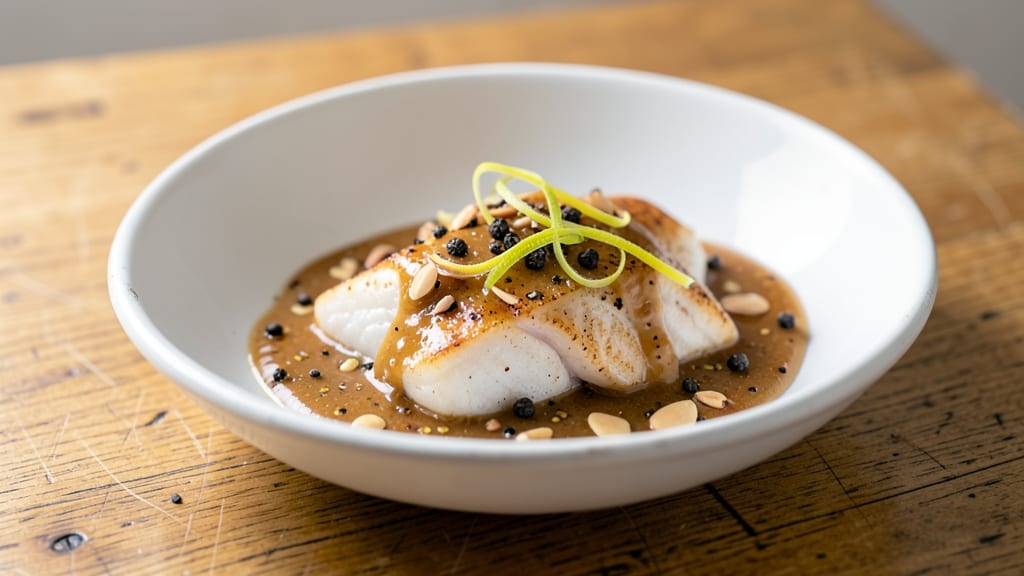
This almondine sauce recipe transforms simple butter, lemon, and almonds into a bright, versatile sauce that elevates everything from steamed fish to roasted vegetables.
The secret lies in balancing acidity and richness—just a few minutes of emulsifying butter with lemon juice creates a velvety sauce that clings beautifully to proteins and grains. I’ve perfected this technique over years of testing, ensuring it never curdles or separates, even when reheated.
The magic happens when you toast whole almonds until fragrant, then grind them into a fine powder that adds nutty depth without overpowering the sauce’s citrus brightness. This isn’t just a side—it’s the star that turns ordinary dishes into restaurant-worthy meals.
The sauce’s simplicity belies its impact: rich enough to coat, light enough to enhance, and bright enough to cut through richer flavors.
What you’ll end up with is a sauce that’s equal parts elegant and effortless—creamy yet tangy, nutty yet fresh. It works as a finishing drizzle for grilled salmon, a pasta toss for linguine, or a glaze for roasted asparagus.
The key is keeping the heat low and stirring constantly to prevent separation, a technique I’ll walk you through step by step for foolproof results every time.
Once you master this sauce, you’ll find yourself reaching for it in place of heavier creams or dull white sauces. It’s the kind of recipe that becomes a staple in your cooking arsenal, ready to transform simple ingredients into something extraordinary with minimal effort.
Let’s get started—your taste buds will thank you.
Ingredients for almondine sauce
Eight simple ingredients create this elegant sauce—just butter, almonds, and lemon shine.
| Ingredient | Amount | Notes |
|---|---|---|
| Unsalted Butter 🧈 | ¾ cup | Cold, cubed for emulsifying |
| Whole Almonds 🥜 | ½ cup | Toasted until fragrant |
| Fresh Lemon Juice 🍋 | ¼ cup | From 2-3 lemons, freshly squeezed |
| Extra-Virgin Olive Oil 🫒 | ¼ cup | High-quality, fruity variety |
| Fine Sea Salt 🧂 | ½ tsp | Adjust to taste |
| Freshly Ground Black Pepper 🌶️ | ¼ tsp | Freshly cracked preferred |
| Garlic Cloves 🧄 | 2 cloves | Minced, optional for depth |
| Water 💧 | 2 tbsp | For thinning if needed |
The butter is non-negotiable—unsalted so you control the salt level. Grab a stick of European-style butter if you can (like Plugrá or Kerrygold), but regular unsalted works fine. Toast the almonds in a dry pan until they smell heavenly—about 3-4 minutes—then grind them into a fine powder. No food processor? Use a mortar and pestle or roll them with a rolling pin. The lemon juice should be freshly squeezed; bottled won’t cut it here. For the olive oil, Californian or Italian varieties work best—their fruity notes complement the almonds perfectly.
No almonds? Toasted walnuts or hazelnuts work in a pinch, but the flavor shifts slightly. Short on butter? Ghee or duck fat adds richness, but stick to butter for the classic taste. The garlic is optional but worth it—roast the cloves first for a sweeter, deeper flavor. If your sauce separates, whisk in 1 tbsp water at a time until it comes together. Too thick? Thin with a splash of warm water or a bit more lemon juice. The key is low and slow heat—never let it boil, or it’ll break.
Store leftovers in an airtight jar in the fridge for up to 5 days, covered with a thin layer of olive oil to keep it fresh. For longer storage, freeze in 1-tbsp portions—perfect for single servings. Reheat gently over low heat, adding a splash of water if it thickens. This sauce reheats beautifully, making it ideal for meal prep. Double the batch—you’ll want it on hand for everything from fish to roasted veggies.
Why You'll Love This Recipe
- Five-Ingredient Magic: I swear, this sauce is the kind of recipe that makes you feel like a chef without any fuss. Toast whole almonds in butter—that nutty aroma alone sells it—then finish with lemon and olive oil. It’s the kind of dish where the ingredients do all the heavy lifting.
- Bright & Nutty: Honestly, the flavor balance here is next-level: rich butter meets zesty lemon, then gets crunch from toasted almonds. It’s bright enough to cut through heavy fish or pasta, but creamy enough to feel indulgent. One taste and you’ll be reaching for the jar.
- Weeknight Flex: This sauce is my go-to for everything—drizzled over roasted chicken, tossed with linguine, or even spooned into a bowl of soup. It’s the kind of thing that turns a simple meal into something special without requiring a grocery haul. (Yes, even on a Tuesday night.)
- Pantry Staple Power: Between us, this recipe uses things you already have: butter, olive oil, salt, and maybe a lemon you forgot about in the fridge. Toast the almonds while you cook dinner, and boom—you’ve got a flavor bomb that costs pennies per serving. Leftovers? Just reheat with a splash of water. Easy.
Step-by-step instructions for almondine sauce
Here's how to create a velvety, citrus-kissed sauce that elevates any dish in minutes.
Toast the Whole Almonds Until Fragrant
Heat a dry skillet over medium heat. Add the 0.5 cup whole almonds and toast them for 3-4 minutes, stirring constantly, until they turn a light golden color and release their nutty aroma. You'll know they're ready when they smell rich and toasty—this is the foundation of your sauce's texture and flavor.
Transfer the toasted almonds to a small bowl and set aside. The reason we toast them is to deepen their flavor and remove any bitterness. If you rush this step, the sauce will taste raw and underdeveloped. Let them cool slightly before grinding—this prevents the butter from melting too quickly in the next step.
Grind the Almonds with Cold Butter for a Smooth Base
Place the 0.75 cup cold, cubed unsalted butter and toasted almonds in a food processor. Pulse until the mixture resembles coarse sand, about 10-15 seconds. This texture is crucial—it creates a velvety sauce rather than a chunky one.
Here's the thing—don't over-process or the butter will melt and you'll end up with a greasy paste. You want the almonds to break down just enough to release their oils while still maintaining some texture. Scrape down the sides of the processor bowl with a spatula to ensure even blending.
Whisk in Lemon Juice and Olive Oil for Emulsion
Transfer the almond-butter mixture to a medium saucepan. Add the 0.25 cup fresh lemon juice and 0.25 cup extra-virgin olive oil. Place the saucepan over low heat and whisk constantly for 3-4 minutes until the mixture begins to thicken slightly and becomes smooth.
The lemon juice acts as an emulsifier here, helping to bind the butter and almond oils into a cohesive sauce. If you notice the mixture separating or looking too thick, add 1 tablespoon water at a time until it reaches a pourable consistency. The sauce should coat the back of a spoon but still flow smoothly.
Season and Finish with Garlic and Pepper
Remove the saucepan from heat and stir in the 2 cloves minced garlic cloves, 0.5 teaspoon fine sea salt, and 0.25 teaspoon freshly ground black pepper. Taste and adjust the seasoning—you might need a touch more salt to balance the acidity from the lemon.
Return the sauce to low heat and let it warm through for 1-2 minutes, stirring constantly. The garlic should infuse its flavor without becoming bitter. If the sauce thickens too much, whisk in the remaining 1 tablespoon water to reach your desired consistency. This sauce should be bright, tangy, and just thick enough to cling beautifully to fish, chicken, or vegetables.
Strain and Serve Immediately
For a silky-smooth texture, strain the sauce through a fine-mesh sieve into a clean bowl. This removes any remaining almond bits, giving you a luxurious, restaurant-quality finish. The sauce should be pale golden with a vibrant, citrusy aroma that makes your kitchen smell amazing.
Serve the almondine sauce immediately over your choice of protein—it pairs perfectly with pan-seared fish, grilled chicken, or roasted vegetables. If you need to reheat it, do so gently over low heat, stirring constantly to prevent separation. The magic of this sauce lies in its freshness, so don't wait too long to use it.
Pro Tips For Making Almondine Sauce
- Toast Almonds Low: I used to blast them in a screaming-hot pan and end up with bitter, charred bits—no one wants that. Instead, cook the almonds over medium-low heat in the butter until they’re just golden, about 3-4 minutes. They’ll keep releasing flavor without turning into sawdust.
- Use Cold Butter: Cut the unsalted butter into chunks and let it melt slowly with the almonds. Cold butter emulsifies better with the lemon juice later, so you won’t end up with a greasy, separated mess. (Yes, even if you’re impatient like me.)
- Strain the Lemon Juice: Skip the pulp—it turns the sauce grainy and bitter. Strain the fresh lemon juice through a fine-mesh sieve before adding it to the butter. Trust me, your sauce will taste brighter and smoother.
- Whisk While Warm: After removing from heat, whisk in the olive oil and lemon juice immediately while the butter’s still warm but not boiling. This is when the sauce actually comes together—wait too long, and you’ll regret it. (I’ve learned this the hard way.)
Pro cooking tips for perfect results
Emulsify Like a Pro
The key to a silky almondine sauce is mastering the emulsion. Start by using cold cubed butter—this prevents premature melting when you grind it with toasted almonds. Pulse in a food processor for just 10-15 seconds until you get a coarse sand-like texture, not a paste.
The goal is to break down the almonds enough to release their oils while keeping some texture for body. 💡
Once in the saucepan, keep the heat low and constant while whisking vigorously. The lemon juice acts as a natural emulsifier, binding the butter and almond oils together. If the mixture looks too thick or separates, whisk in 1 tablespoon water at a time until it reaches a pourable consistency.
Never let it boil—heat above 160°F will break the emulsion and ruin the sauce.
Temperature Control
Heat is your enemy in this sauce. Too much causes the butter to separate, leaving you with a greasy mess. Always use low heat and maintain a gentle simmer—you should see tiny bubbles forming but not a full boil.
I recommend using a thermometer to monitor the temperature; ideal cooking range is 150-165°F. 🌡️
When reheating leftovers, use the same low-and-slow approach. Warm the sauce in a saucepan over low heat, stirring constantly with a silicone spatula. If it thickens too much, add 1 teaspoon water at a time. Microwaving is a no-go—it creates uneven heat distribution that can cause separation.
Straining for Perfection
For that restaurant-quality finish, strain the sauce through a fine-mesh sieve into a clean bowl. This removes any remaining almond bits, giving you a silky-smooth texture. I use a Heston Blumenthal-style sieve because it catches even the finest particles while allowing the sauce to flow freely.
The result is a velvety sauce that coats proteins beautifully. ✨
If you're short on time, you can skip straining, but you'll notice a slightly grainier texture. For best results, always strain—it makes a noticeable difference in the final presentation. The strained sauce also reheats more evenly and maintains its consistency better when stored.
Acid Balance Tricks
The lemon juice is what makes almondine sauce shine, but too much can make it taste tart. Start with ¼ cup fresh lemon juice and adjust to taste. If it needs more brightness, add ½ teaspoon extra lemon juice at a time.
For a sweeter touch, stir in ½ teaspoon honey or 1 teaspoon maple syrup to balance the acidity. 🍋
If your sauce tastes flat, a pinch of flaky sea salt or a few drops of white wine vinegar can brighten it up. The goal is a harmonious balance between the rich butter, nutty almonds, and bright citrus.
Taste as you go—this sauce should sing with flavor, not just sit in the background.
Equipment Upgrades
While you can make almondine sauce with basic tools, a few upgrades make the process smoother. A high-quality whisk (like the OXO Good Grips) helps create a better emulsion than a regular fork.
For grinding almonds, a mini food processor (like the Cuisinart Mini-Prep) is more efficient than a mortar and pestle. 🔥
Invest in a stainless steel saucepan—it heats evenly and prevents hot spots that can cause separation. If you're serious about sauces, a thermometer (like the Thermoworks Thermapen) ensures you never overheat your sauce.
These tools might seem like extras, but they make a world of difference in the final result.
Nutrition facts
Frequently asked questions
What makes almondine sauce different from other lemon butter sauces?
Unlike basic lemon butter sauces, almondine sauce incorporates toasted almonds that add a nutty depth and velvety texture. The key difference is the emulsification process using cold butter and almonds, creating a stable sauce that won't separate. Plus, the almonds provide a subtle crunch when served over proteins like fish or chicken.
Can I make this sauce without a food processor?
Toast the almonds until fragrant, then grind them into a fine powder using a mortar and pestle or rolling pin. For the butter-almond base, use a fork to mash the cold butter cubes with the ground almonds until you achieve a coarse, sandy texture. It'll take a bit more elbow grease, but the result will be just as delicious.
Why did my sauce separate when reheating?
Sauce separation usually happens when reheated too quickly or at high heat. Always warm almondine sauce over low heat while whisking constantly. If it thickens too much, whisk in 1 teaspoon water at a time. For best results, reheat only what you need to use immediately, as this sauce is best served fresh.
What are the best proteins to pair with this sauce?
Almondine sauce shines with delicate proteins that need bright, citrusy accompaniments. Try it with pan-seared salmon, grilled chicken breast, or roasted asparagus. It also works beautifully with shellfish like shrimp or scallops, and even adds flavor to pasta dishes. The sauce's light texture won't overpower the main ingredient.
How can I adjust this sauce for vegan diets?
Swap the butter for vegan butter or olive oil, and use almond milk or cashew cream to help emulsify. Toast the almonds as directed and grind them with the cold vegan butter substitute. The sauce will have a slightly different texture but still deliver that bright lemon-almond flavor. For extra richness, add 1 tablespoon nutritional yeast at the end.