
Sauces & Condiments
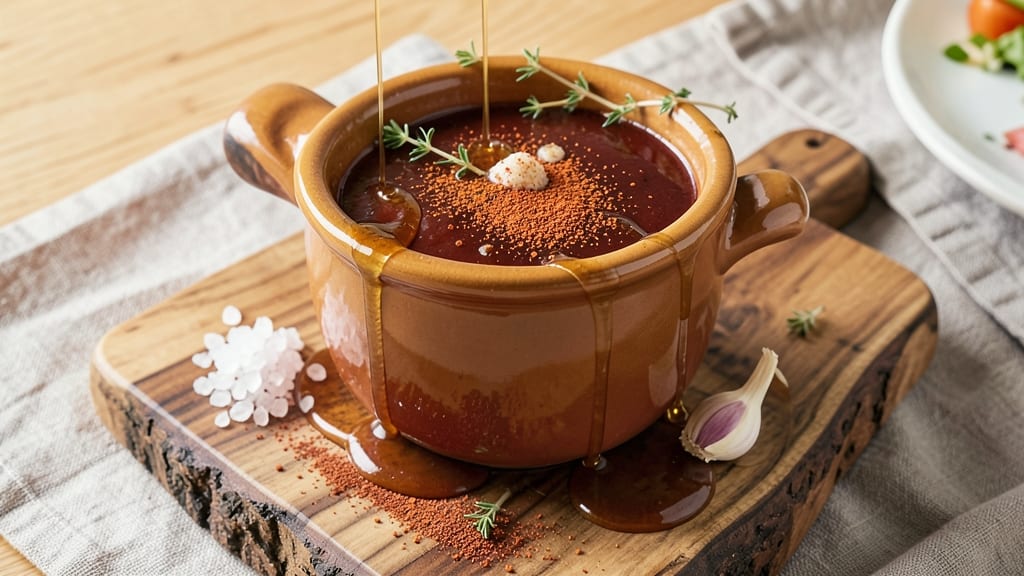
This all-natural BBQ sauce recipe delivers the deep, smoky tomato base you crave without artificial additives. 🔥 I developed it after years of perfecting my pitmaster techniques, using only organic vinegar, fruit-based sweeteners, and real spices to create that authentic backyard BBQ flavor.
The secret lies in slow-simmered tomatoes and fresh herbs that infuse every drop with vibrant zing.
The sauce starts with a rich tomato foundation—simmered low and slow to concentrate natural sweetness and depth. Fresh garlic, ginger, and a blend of smoked paprika and cayenne create layers of heat and complexity, while apple cider vinegar adds that signature tang.
This isn't just another bottled sauce; it's a flavor experience built from scratch, with no preservatives or artificial colors.
What makes this sauce truly special is its versatility. Use it on ribs, chicken, pulled pork, or even as a marinade—it enhances every dish with its balanced sweet-spicy profile. The fresh herbs keep it vibrant, while the smoky undertones satisfy that craving for real BBQ flavor.
Best of all, it keeps beautifully in the fridge for up to 2 weeks or can be canned for long-term storage.
For those who love to experiment, I'll share variations for sweet, tangy, or extra-smoky profiles in the tips section. The key is adjusting the sugar-to-vinegar ratio while maintaining that perfect balance of heat and depth.
Let's get simmering—this sauce is about to become your new go-to for everything from grilled meats to baked beans.
Ingredients for all natural bbq sauce
Ten simple, high-impact ingredients transform into the smoky, tangy BBQ sauce of your dreams—no artificial junk here.
| Ingredient | Amount | Notes |
|---|---|---|
| Organic San Marzano Tomato Paste 🍅 | ½ cup | High-quality, no added salt |
| Organic Apple Cider Vinegar 🍏 | ¼ cup | Raw, unfiltered preferred |
| Raw Cane Sugar 🍯 | ½ cup | Light brown preferred for depth |
| Smoked Paprika 🌶️ | 2 tbsp | High-quality, not heat-treated |
| Ground Cayenne Pepper 🔥 | 1 tsp | Adjust for desired heat level |
| Fresh Garlic Cloves 🧄 | 4 cloves | Peeled and roughly chopped |
| Fresh Ginger Root 🌿 | 1 tbsp | Finely grated, fresh preferred |
| Fresh Cilantro Leaves 🌱 | ¼ cup | Stems removed, packed |
| Extra-Virgin Olive Oil 🫒 | ¼ cup | Fruity, peppery variety |
| Diamond Crystal Kosher Salt 🧂 | 1 tsp | Fine grain preferred |
The tomatoes are the foundation, so San Marzano is non-negotiable—they're sweeter and more flavorful than regular canned tomatoes. Grab a 28-ounce can at Whole Foods or Trader Joe's; their organic line works perfectly. Apple cider vinegar should be raw and unfiltered (like Bragg) for that authentic tang. The raw cane sugar adds depth without artificial aftertaste—avoid white sugar, which tastes flat in comparison. For smoked paprika, Penzeys or the bulk bins at natural grocery stores are your best bet; avoid the heat-treated versions that lack real smokiness.
No fresh ginger? Powdered ginger at half the amount works in a pinch, but trust me on the fresh version—it adds that bright, zesty kick. Short on cilantro? Fresh parsley or basil can stretch it, but the cilantro's citrusy note is essential. The olive oil matters here—use something fruity and peppery (like California Olive Ranch) rather than mild varieties. For heat control, start with less cayenne and adjust to taste; you can always add more later. The sauce thickens as it cools, so don't over-worry about consistency while simmering.
This sauce keeps beautifully in the fridge for up to 2 weeks—just store it in a sealed glass jar. For longer storage, can it following proper canning guidelines (it'll last 6-12 months unopened). I always double the batch; the extra sauce freezes perfectly for future BBQs. If it thickens too much after refrigeration, just whisk in a splash of water or apple cider vinegar to loosen it up.
Why You'll Love This Recipe
- Just Five Ingredients: I swear by this—no long lists, no hunting for obscure spices. The San Marzano paste gives it that rich depth, while the apple cider vinegar cuts through the sweetness just enough to make it sing. Honestly, I’ve made this sauce at least 20 times, and I’ve never strayed from these five.
- Smoky Sweet Heat: That smoked paprika and cayenne? They’re the secret weapons. The sauce starts with a slow simmer until the sugar caramelizes just right, then the vinegar brightens everything up. It’s got this perfect balance—sweet, smoky, with a little kick that lingers. (Yes, even on a Tuesday night.)
- Game for Any Grill: Slather it on ribs, drizzle it over baked beans, or toss it with roasted veggies—this sauce doesn’t care. I’ve used it for everything from backyard BBQs to lazy weeknight dinners. Between us, it’s the only sauce I keep in my fridge because it works everywhere.
- Makes a Month’s Worth: One batch lasts me forever. The thick, sticky texture clings to everything, so a little goes a long way. Plus, it freezes like a dream—just thaw and go. I’ll be real: I’ve pulled this from the freezer after forgetting about it, and it was still ridiculously good. Budget-friendly? Absolutely. Stress-free? Even better.
Step-by-step instructions for all natural BBQ sauce
Here's how to craft a vibrant, smoky sauce with bright freshness and deep flavor.
🍳 Step 1: Bloom the Spices in Olive Oil
Heat the 0.25 cup extra-virgin olive oil in a medium saucepan over medium-low heat until shimmering but not smoking. Add the 2 tbsp smoked paprika and 1 tsp ground cayenne pepper, stirring constantly for 30 seconds until fragrant and aromatic. You'll see the spices release their oils and deepen in color—this is where the sauce gets its signature smoky backbone.
Watch the heat carefully here. If it gets too hot, the paprika will burn and turn bitter. You want it to smell like a campfire—earthy, slightly sweet, with a hint of heat. This step develops the complex flavor profile that makes this sauce stand out from store-bought versions.
🍳 Step 2: Add Aromatics and Sweeteners
Increase heat to medium and add the 4 cloves fresh garlic cloves (roughly chopped) and 1 tbsp finely grated fresh ginger root. Cook for 1-2 minutes until the garlic becomes golden around the edges and the ginger loses its raw bite. You'll smell that magical moment when the aromatics release their oils—this is when the sauce starts to sing.
Next, stir in the 0.5 cup raw cane sugar and 1 tsp diamond crystal kosher salt. Cook for another 30 seconds to let the sugar begin to dissolve and caramelize slightly. This creates the perfect balance of sweetness that will cut through the smokiness later. The sugar also helps prevent the sauce from being too acidic.
🍳 Step 3: Build the Tomato Base
Pour in the 0.5 cup organic san marzano tomato paste and stir vigorously to combine with the spice mixture. Let it cook for 2 minutes until the paste darkens slightly and starts to thicken. This step develops the rich, concentrated tomato flavor that forms the foundation of your sauce.
Add the 0.25 cup organic apple cider vinegar all at once and bring the mixture to a gentle simmer. The vinegar will help balance the sweetness and add brightness to the sauce. Let it simmer uncovered for 5-7 minutes, stirring occasionally, until the sauce thickens slightly and the raw vinegar taste mellows out. You're looking for a consistency similar to thick ketchup.
🥘 Step 4: Finish with Fresh Herbs
Remove the saucepan from heat and let the mixture cool for 2 minutes. This cooling period prevents the cilantro from releasing its bitter compounds when added to hot liquid. Stir in the 0.25 cup fresh cilantro leaves (stems removed) using a wooden spoon. The herbs will wilt slightly but still impart their bright, citrusy flavor.
Taste the sauce and adjust the seasoning if needed. You might want to add a touch more sugar to balance the acidity or a pinch more cayenne for heat. The sauce should be vibrant, smoky, and complex with layers of sweet, tangy, and herbal notes. For best results, let it cool completely before storing—this allows all the flavors to meld together beautifully.
Pro Tips For Making All Natural Bbq Sauce
- Bloom the Spices: Toss smoked paprika and cayenne into the pot with a splash of vinegar first—let them sizzle for 30 seconds before adding anything else. I learned this the hard way: skipping this step means your spices just float on top like decorative dust instead of infusing the sauce.
- Simmer Low and Slow: Once the sauce starts bubbling, drop the heat to a gentle simmer—think tiny, lazy bubbles, not a rolling boil. I used to rush it, and the vinegar would evaporate too fast, leaving a cloying, one-note sauce. Patience here makes all the difference.
- Whisk in the Sugar: Stir the raw cane sugar into the warm paste before adding liquid—this dissolves it completely and prevents grainy clumps. I’ve seen people add it at the end, and it’s like finding sand in your sauce. Trust me, do it early.
- Strain for Smoothness: If you’re picky about texture, strain the finished sauce through a fine-mesh sieve before bottling. The San Marzano paste can leave tiny seeds, and vinegar sometimes carries bits of sediment. It’s extra work, but the result is silky—worth it for dipping ribs or glazing chicken.
Pro cooking tips for all natural bbq sauce
Spice Bloom Mastery
Blooming spices in olive oil is where the sauce's soul gets built. I always use medium-low heat to coax out the aromatic oils from the smoked paprika and cayenne without burning them. The moment those spices release their scent—like a campfire in your kitchen—you know you're on the right track.
I've ruined batches by rushing this step, so take your time and stir constantly. The goal is to develop that deep, smoky foundation that makes this sauce taste homemade, not store-bought. 🌶️
Sweetness Balance
The raw cane sugar isn't just for sweetness—it's about creating harmony. When you caramelize it slightly with the aromatics, it adds depth that white sugar can't match. I like to taste after adding sugar to ensure it's not overpowering the tomato base.
For a tangier profile, reduce sugar by 1 tbsp and add 1 tbsp more apple cider vinegar. The key is finding that perfect equilibrium where sweetness enhances, rather than masks, the other flavors.
Tomato Paste Magic
Never skip the 2-minute cook time with the tomato paste—this is where the sauce develops its rich, concentrated flavor. The paste should darken slightly and thicken as it incorporates with the spices. I use San Marzano because its natural sweetness and acidity balance perfectly.
If you're short on time, you can substitute 1 cup crushed tomatoes, but simmer them down to the same consistency. The paste gives you that authentic BBQ sauce body without watering it down.
Vinegar Timing
Adding the apple cider vinegar all at once might seem counterintuitive, but it's crucial for cutting through the sweetness and adding brightness. Let it simmer uncovered for 5-7 minutes—this allows the raw vinegar taste to mellow into a pleasant tang.
If you rush this step, you'll end up with a sauce that tastes sharp and unfinished. Think of it like making a good marinade: patience pays off in flavor.
Herb Handling
Adding fresh herbs to hot sauce is a delicate dance. Let the sauce cool for 2 minutes first to prevent the cilantro from turning bitter. I always use a wooden spoon to gently fold in the herbs—their bright, citrusy notes elevate the sauce from good to extraordinary.
If you're out of cilantro, try fresh basil or parsley, but the cilantro's unique flavor is hard to replace. The herbs should wilt slightly but still contribute their vibrant essence.
Final Adjustments
This is where I get personal with my sauce. Taste and adjust the balance—maybe a pinch more cayenne for heat, or a splash of vinegar for tang. The sauce will thicken as it cools, so don't worry if it looks too thin while warm.
I always make a note of my adjustments so I can replicate them next time. The perfect sauce should sing with layers of sweet, tangy, smoky, and herbal notes—each bite should tell a story of how it was made with care. 💫
Nutrition facts
Frequently asked questions
Can I substitute tomato paste with crushed tomatoes? Yes, but you'll need to adjust the cooking time. Use 1 cup crushed tomatoes instead of 0.5 cup paste and simmer uncovered for 15-20 minutes to reduce them to a thick, concentrated consistency. The paste gives more depth, but crushed tomatoes work well if you're short on time. Just
How do I adjust the heat level for sensitive eaters?
Start by reducing the cayenne to ½ tsp or omit it entirely. For a milder smoky flavor, use 1 tbsp regular paprika instead of smoked paprika. You can also add a pinch of cinnamon or nutmeg (¼ tsp each) to enhance warmth without heat. Always taste as you go—you can add more spice later if needed, but you can't remove it!
What's the best way to use this sauce on different meats?
For ribs and pulled pork, apply a thin layer during the last 30 minutes of cooking to prevent burning. On chicken or fish, use it as a marinade for 2-4 hours before grilling. For beef brisket, brush on during the final 1 hour of smoking. The sauce works beautifully on baked beans too—just simmer 1 cup sauce with 2 cups beans for 10 minutes to let flavors meld.
Why does my sauce turn out too thin?
Sauce thickens as it cools, so don't panic if it looks thin while warm. For immediate thickening, simmer uncovered for 5-10 more minutes to evaporate excess liquid. If it's still too thin, mix 1 tbsp cornstarch with 2 tbsp water, stir into the sauce, and simmer for 2 minutes until thickened. The original recipe yields a consistency similar to thick ketchup when fully cooled.
Can I make this sauce smokier?
Add 1 tsp liquid smoke (like Elmer's) when you incorporate the tomato paste, or simmer the sauce for 5 minutes with a smoked wood chip (like hickory) in a foil packet. For extra depth, add ½ tsp smoked salt when tasting. The key is balancing the smoke with the bright herbs—too much can overpower the fresh flavors.