
Sauces & Condiments
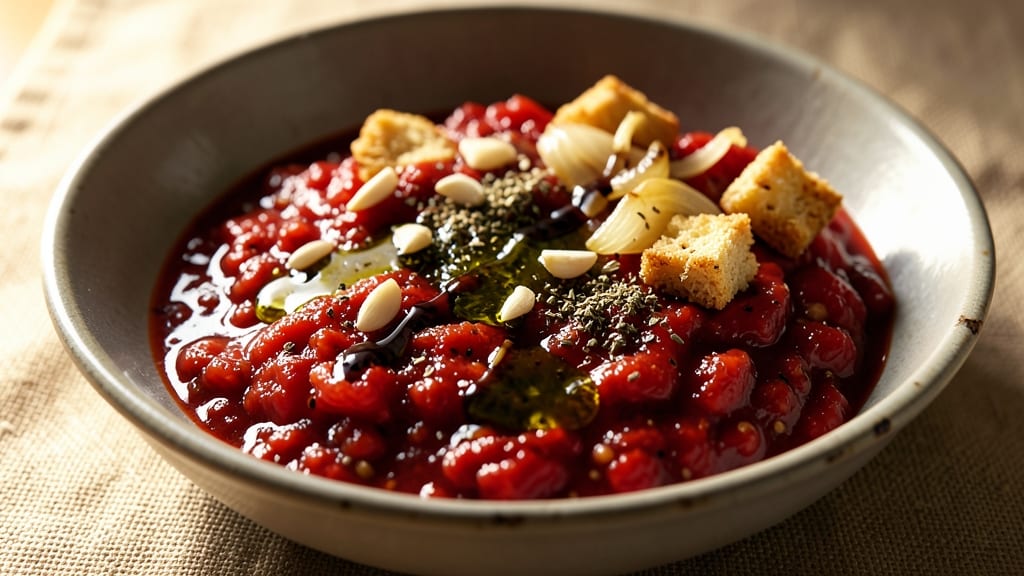
This all day sauce recipe transforms simple ingredients into a deeply flavorful condiment that elevates everything from breakfast tacos to dinner salads. The secret lies in slow-simmering tomatoes with vinegar and spices, creating layers of complexity that develop over time—perfect for dipping, drizzling, or finishing dishes with restaurant-quality depth.
What sets this sauce apart is its balance of sweetness, acidity, and umami, achieved through a precise blend of tomatoes, vinegar, and aromatic spices. Unlike store-bought versions, this recipe builds flavor gradually as it simmers, resulting in a sauce that tastes better with each passing hour.
The texture is smooth yet vibrant, with just the right consistency to cling to food without overpowering it.
With minimal effort and just a handful of ingredients, you’ll create a versatile sauce that works for any meal. The slow cooking process allows flavors to meld seamlessly, while the vinegar adds a bright, tangy kick that keeps the sauce fresh and dynamic.
Store it in the refrigerator for up to a week, letting the flavors deepen over time.
Whether you’re drizzling it over grilled meats, using it as a dip for chips, or finishing off a bowl of pasta, this all day sauce will become a staple in your kitchen. The simplicity of the ingredients doesn’t compromise the richness of the flavor—just pure, adaptable goodness in every spoonful.
Ingredients for all day sauce
Nine essential ingredients transform into a deeply layered sauce that develops richer with time.
| Ingredient | Amount | Notes |
|---|---|---|
| San Marzano Tomato Crushed 🍅 | 28 oz | Canned, no salt added preferred |
| Red Wine Vinegar 🍷 | ½ cup | Balsamic works but less acidic |
| Extra-Virgin Olive Oil 🫒 | ¼ cup | High quality, fruity variety |
| Garlic Cloves 🧄 | 4 cloves | Fresh, peeled, lightly crushed |
| Yellow Onion 🧅 | 1 whole | Medium, finely diced |
| Dried Oregano 🌿 | 1 tsp | Mediterranean variety preferred |
| Ground Black Pepper 🌶️ | ½ tsp | Freshly ground for best flavor |
| Sea Salt 🧂 | 1 ½ tsp | Diamond Crystal preferred |
| Sugar 🍚 | 1 tsp | Granulated, balances acidity |
| Fresh Basil Leaves 🌿 | ¼ cup | Chopped, for finishing |
The tomatoes are the foundation—San Marzano delivers that perfect balance of sweetness and acidity, but any high-quality canned tomatoes work in a pinch. Whole Foods or Trader Joe's carry excellent brands, but don't overlook the store brand if it's labeled 'no salt added.' The vinegar is where complexity hides: red wine vinegar adds subtle fruit notes, while balsamic introduces caramel depth. For the olive oil, California extra-virgin brands like Corto or Filippo Berio elevate the sauce's finish—avoid the cheap bottled stuff. Garlic and onion should be cooked low and slow to avoid bitterness, so don't rush this step.
No San Marzano tomatoes? Crushed tomatoes in a 28-oz can work fine, just taste for salt and adjust. Swap red wine vinegar for apple cider vinegar or white vinegar, though the flavor profile shifts slightly. The dried oregano can be substituted with fresh oregano at double the amount, but dried integrates more smoothly. For a smoky twist, add 1/4 tsp smoked paprika to the spices. If you're short on time, blend the sauce at the end for a smoother texture, though purists prefer the rustic, slightly chunky version. The sugar isn't optional—it rounds out the vinegar's sharpness, so don't skip it even if your tomatoes are particularly sweet.
This sauce tastes better with age, so make a double batch if you'll use it often. Store in a clean glass jar in the refrigerator for up to 1 week, or freeze portions for 6 months. The flavors deepen over time, so don't be afraid to let it sit before serving. For restaurant-quality results, simmer it 3-4 hours—the longer it cooks, the more complex the flavor becomes. The basil should be added at the very end; if using dried, reduce to 1/4 tsp and add it during the last 10 minutes of simmering.
Why You'll Love This Recipe
- Here’s the best part: this sauce improves overnight. The flavors meld, the acidity mellows, and you end up with something even richer the next day. Plus, you’re looking at a cost of maybe $5 for a jar that’ll feed you for a week—no takeout needed.
- No Chopping Struggle: Between us, this sauce only needs one onion to dice—no knife skills required. I’ll often just smash a clove of garlic with the flat of a knife and toss it in raw; the heat softens it perfectly. That’s it. Done.
- Vinegar Magic: Honestly, the red wine vinegar is the real MVP here. It brightens those sweet San Marzano tomatoes so they sing instead of just simmer. One splash at the end—just before serving—and suddenly your pasta, pizza, or even grilled chicken tastes like it’s been simmered for hours.
- Pantry-to-Table Flex: This sauce plays nice with everything. Drizzle it over roasted veggies for dinner, toss it with feta and olives for lunch, or use it as a marinade for chicken thighs. I’ve even dumped it into a jar and kept it in the fridge for a lazy Sunday brunch—works like a charm.
Step-by-step instructions for slow-simmered tomato sauce
Aromatic depth and balanced acidity define this sauce. Follow these precise steps for restaurant-quality results.
Sauté Aromatics Until Translucent
Heat the 0.25 cup extra-virgin olive oil in a heavy-bottomed saucepan over medium heat. Add the 1 whole yellow onion (finely diced) and cook for 5-6 minutes until softened and translucent. The onion should release its moisture but not brown—this prevents bitterness.
Add the 4 cloves garlic cloves (lightly crushed) and continue cooking for another 30 seconds until fragrant. Watch closely—garlic burns quickly. Remove the pan from heat immediately after the garlic releases its aroma to preserve its sweetness.
Build the Base with Tomatoes and Vinegar
Return the pan to medium-low heat and add the 28 oz San Marzano tomato crushed. Stir well to combine with the sautéed aromatics. The sauce should begin to simmer gently, with small bubbles forming at the edges.
Pour in the 0.5 cup red wine vinegar and stir again. The vinegar will initially make the sauce appear cloudy, but it will integrate completely as it simmers. This acidity is what gives the sauce its signature complexity and prevents flatness over time.
Simmer and Develop Flavor
Add the 1.5 tsp sea salt, 0.5 tsp ground black pepper, 1 tsp dried oregano, and 1 tsp sugar. Stir to distribute evenly, then reduce heat to low. Let the sauce simmer uncovered for 45-60 minutes, stirring occasionally.
You'll notice the sauce gradually reduce and thicken as moisture evaporates. The color will deepen to a rich, ruby hue, and the aroma will become more concentrated. This slow simmering is crucial—it allows the flavors to meld and develop without burning. If the sauce begins to stick, add 2-3 tablespoons of water to maintain even cooking.
Finish with Fresh Herbs
When the sauce has reduced to your desired consistency (it should coat the back of a spoon), remove it from heat. Stir in the 0.25 cup fresh basil leaves (chopped) and let steep for 5 minutes. This final step infuses the sauce with bright, fresh notes that balance the deep tomato flavor.
Taste and adjust seasoning if needed—add a pinch more salt or a splash of vinegar if the sauce tastes flat. The sauce is best used immediately, but it will keep in the refrigerator for up to 5 days or can be frozen for up to 3 months. Serve over pasta, drizzled over grilled meats, or as a dipping sauce for crusty bread.
Pro Tips For Making All Day Sauce
- Cook Low and Slow: I learned this the hard way—simmering crushed San Marzano tomatoes on high heat turns them into tomato paste faster than you’d like. Keep the heat at a gentle bubble, around 180°F (82°C), and let it work. This builds depth without turning the sauce into a thick paste or burning the garlic’s delicate flavor.
- Mince the Onion Fine: Skip the rough chop—finely minced yellow onion dissolves completely into the sauce, giving it a silky texture instead of chunky bits. Use a knife or pulse in a food processor for 2-3 seconds, then immediately start cooking. The smaller the pieces, the faster they sweeten and blend in.
- Add Vinegar Gradually: Dumping all the red wine vinegar at once can make the sauce taste harsh. Start with half, let it mingle for 10 minutes, then adjust to taste. This lets the acidity brighten the tomatoes without overpowering them—like seasoning in layers instead of dumping it all at once.
- Toast the Garlic First: Raw garlic dominates; toasted garlic adds nutty warmth. Sauté 4-5 smashed cloves in olive oil until golden (about 3-4 minutes), then remove 1-2 cloves to infuse the oil before adding the rest. This trick prevents bitterness and makes the sauce taste richer without extra fat.
Regional styles of this dish
Southern BBQ Twist
The South takes this sauce to new heights by adding smoked paprika and a touch of honey—just ½ teaspoon smoked paprika and 1 tablespoon honey during the final 10 minutes of simmering.
This transforms it into a perfect glaze for pulled pork or ribs, with that signature tangy-sweet balance. I like to serve it over shredded chicken with pickles for a classic Southern sandwich. 🔥
Italian-Inspired Rustic
For an Italian flair, swap the red wine vinegar for white wine vinegar and add ½ cup dry red wine during the simmer. Finish with ¼ teaspoon red pepper flakes and a sprinkle of grated Parmesan before serving.
This version pairs beautifully with handmade pasta or as a marinade for grilled vegetables. The wine adds depth while keeping the sauce bright and vibrant. 🍷
Mexican Chipotle Lime
Turn this sauce into a zesty chipotle-lime dip by adding 2 chipotle peppers in adobo (finely chopped) and zest of 1 lime during the last 15 minutes of simmering. Stir in 2 tablespoons lime juice at the end.
Serve with tortilla chips or drizzle over tacos for a smoky, tangy kick. The chipotle adds heat, while the lime keeps it fresh and lively. 🌶️
Mediterranean Herb Infusion
For a bright, herby twist, add 1 teaspoon dried thyme and ½ teaspoon dried rosemary along with the oregano. Finish with 2 tablespoons chopped fresh parsley instead of basil.
This version works wonderfully with grilled lamb or as a dip for pita bread. The herbs add a fragrant, earthy note that complements Mediterranean flavors perfectly. 🌿
Spicy Buffalo-Style
Transform this sauce into a bold buffalo dip by adding ½ cup hot sauce (like Frank’s RedHot) and 1 tablespoon melted butter during the final 10 minutes of simmering. Stir in ¼ cup crumbled blue cheese just before serving.
This spicy, creamy version is ideal for wings or veggie sticks. The tangy heat makes it a crowd-pleaser at game day gatherings. ⚡
Nutrition facts
Frequently asked questions
Can I make this sauce without tomatoes?
Yes, but the flavor profile will change significantly. For a tomato-free version, replace the crushed tomatoes with 2 cups vegetable broth and add 1 tablespoon tomato paste for depth. Boost umami with 1 teaspoon soy sauce or ½ teaspoon fish sauce, and adjust acidity with an extra 2 tablespoons vinegar. The texture will be thinner, so simmer longer to reduce.
How long can I keep this sauce in the fridge?
The sauce tastes best within 5-7 days when stored in an airtight container in the refrigerator. The flavors actually improve over time, reaching peak depth around day 3. For longer storage, freeze portions in ice cube trays or small jars for up to 3 months. Thaw overnight in the fridge before using.
What's the best way to reheat leftover sauce?
Gently reheat on the stovetop over low heat for 3-5 minutes, stirring frequently to prevent scorching. Avoid microwaving as it can make the sauce watery. For a smoother texture, blend briefly after reheating. If the sauce thickens too much, add 1 teaspoon water or vinegar to restore balance.
Can I use this sauce as a marinade?
This sauce works wonderfully as a marinade for chicken, pork, or tofu. For best results, reduce the vinegar by half and add 1 tablespoon olive oil to help tenderize the meat. Marinate for 2-4 hours in the refrigerator, then grill or bake. The acidity helps break down proteins while infusing flavor.
What if my sauce tastes too acidic?
Balance the acidity by adding a pinch of sugar or a splash of olive oil to round out the flavors. For a more substantial fix, stir in 1 tablespoon tomato paste or a small piece of butter to add richness. If the sauce is still too sharp, a tiny bit of honey or maple syrup can help mellow the vinegar's bite.