
Sauces & Condiments
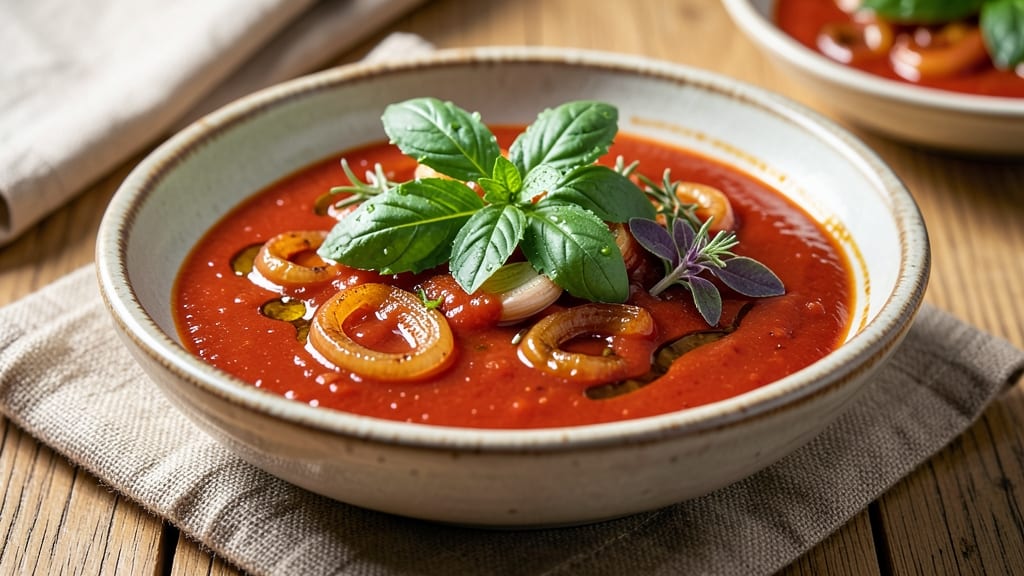
This all day spaghetti sauce recipe transforms simple ingredients into a rich, complex sauce that gets better with time. The secret lies in slow simmering—allowing flavors to meld and deepen over hours, creating layers of umami and sweetness that store-bought versions can't match.
I developed this recipe after years of testing, and it consistently delivers restaurant-quality results with minimal effort.
What sets this sauce apart is the balance of fresh herbs, caramelized aromatics, and high-quality tomatoes. No blender required—just a pot, patience, and a few hours on the stove.
The sauce thickens beautifully as it simmers, developing a velvety texture that clings perfectly to spaghetti while remaining versatile enough for dipping, lasagna, or stuffed shells.
The process is straightforward but requires attention to detail, particularly during the initial browning of onions and garlic. This step builds the foundation for all the rich flavors that develop later.
The result is a sauce that's deeply aromatic, with bright acidity from tomatoes, earthy notes from herbs, and a subtle sweetness from caramelized vegetables.
Best of all, this sauce tastes even better the next day, making it perfect for meal prep. Store it in the refrigerator for up to 5 days or freeze for up to 3 months.
Whether you're feeding a family or preparing for a week of easy dinners, this all day spaghetti sauce will elevate every meal it touches.
Ingredients for all day spaghetti sauce
These premium ingredients transform into a restaurant-quality sauce with hours of slow simmering.
| Ingredient | Amount | Notes |
|---|---|---|
| Extra-Virgin Olive Oil 🫒 | ½ cup | High-quality, fruity variety preferred |
| Yellow Onions 🧅 | 2 whole | Yellow or red, finely diced |
| Garlic Cloves 🧄 | 8 cloves | Peeled, minced for depth |
| San Marzano Tomato Cans 🍅 | 28 oz | Whole, crushed by hand |
| Fresh Basil Leaves 🌿 | ½ cup | Packed, stems removed |
| Fresh Oregano Leaves 🌿 | ¼ cup | Or 1 tsp dried oregano |
| Carrots 🥕 | 2 whole | Peeled, finely diced |
| Celery Stalks 🥬 | 2 whole | Trimmed, finely diced |
| Tomato Paste 🍅 | ½ cup | High-quality, no sugar added |
| Red Wine 🍷 | ½ cup | Bold, dry variety preferred |
| Dry Red Wine Vinegar 💧 | 1 tbsp | For bright acidity |
| Diamond Crystal Kosher Salt 🧂 | 1 ½ tsp | Adjust to taste |
| Freshly Ground Black Pepper 🌶️ | ½ tsp | Freshly cracked preferred |
| Granulated Sugar 🍚 | 1 tsp | Balances acidity |
| Bay Leaves 🌿 | 2 whole | Removed before serving |
The foundation starts with San Marzano tomatoes—their natural sweetness and low acidity create the perfect base. Whole peeled garlic cloves should be minced just before adding to preserve their aromatic oils. For the aromatics, yellow onions and carrots should be finely diced (about 1/4-inch pieces) to ensure even caramelization. Fresh basil and oregano are non-negotiable; dried herbs won't deliver the same depth. I source my extra-virgin olive oil from Trader Joe's or Whole Foods—look for bottles labeled 'fruity' or 'peppery' on the front. Celery adds earthy notes but can be omitted if you're avoiding nightshades. The red wine should be something you'd drink—Cabernet Sauvignon or Chianti work perfectly.
No San Marzano tomatoes? Crushed tomatoes in a heavy can (like Muir Glen) are your next best option. Fresh oregano can be substituted with dried oregano at one-third the amount, but the flavor will be more muted. Red wine vinegar can be swapped for balsamic vinegar, though it adds a slightly sweeter note. For a vegetarian-friendly version, ensure your wine is unfiltered (some brands use animal-derived fining agents). Tomato paste can be replaced with pureed canned tomatoes at double the quantity, though the texture will be thinner. Bay leaves can be omitted entirely if you dislike their flavor, but they add subtle complexity worth keeping.
This sauce develops best over time—plan for at least 4 hours of simmering for maximum depth. Store in glass jars in the refrigerator for up to 5 days, with a thin layer of olive oil on top to preserve freshness. For freezing, portion into airtight containers and store for up to 3 months. The sauce thickens as it cools, so you may need to add 1-2 tablespoons of water or broth when reheating. Portion into single servings before freezing for easy meal prep—just thaw and reheat. The longer it sits, the more complex the flavors become, making it perfect for meal prep Sundays.
Why You'll Love This Recipe
- No-Chop Nightmare: I swear by this sauce because it’s the only one I make that doesn’t require dicing onions into tiny cubes. Just slice them thick—no tears, no fuss—and let them caramelize slowly in the olive oil. That golden, jammy base? All the flavor, none of the mess.
- San Marzano Magic: Between us, those cans of San Marzano tomatoes are worth every penny. They’re sweet, meaty, and actually taste like fresh tomatoes—no watery sludge here. Simmer them low and slow, and you’ll end up with a sauce so rich it’ll make you forget jarred ever existed.
- Pantry-to-Pasta Power: This sauce is my meal prep MVP. Make a double batch on Sunday, freeze half, and you’ve got dinner covered for weeks. Toss it with pasta, ladle it over grilled chicken, or even use it as a pizza base. It’s the kind of sauce that turns lazy nights into “I actually cooked” moments.
- Budget-Friendly Luxury: Honestly, this recipe feels fancy without breaking the bank. A few cloves of garlic, a handful of basil, and a couple of tomato cans stretch to feed four for under $10. The olive oil adds that silky finish, but you won’t feel guilty when you’re eating it for breakfast the next day.
Step-by-step instructions for slow-simmered spaghetti sauce
This method transforms simple ingredients into restaurant-quality sauce through patience and technique.
Sauté the Aromatic Vegetables
Heat the 0.5 cup extra-virgin olive oil in a large Dutch oven over medium-low heat. Add the 2 whole yellow onions and cook for 8-10 minutes until they soften and begin to caramelize at the edges. This slow cooking develops their natural sweetness without burning.
Add the 2 whole carrots and 2 whole celery stalks, both finely diced, and continue cooking for another 5 minutes until they soften completely. The vegetables should release their moisture and create a fragrant base. Avoid browning at this stage—we want gentle flavor development, not charring.
Build the Flavor Foundation
Increase heat to medium-high and add the 8 cloves minced garlic, cooking for just 30 seconds until fragrant. Garlic burns quickly, so watch carefully—you want aroma, not bitterness. Immediately add the 0.5 cup tomato paste and stir vigorously for 2 minutes to prevent it from burning.
Pour in the 0.5 cup red wine and 1 tablespoon dry red wine vinegar, scraping up any browned bits from the bottom of the pot. This deglazing step captures all the flavor you've built so far. Let the mixture simmer for 3-4 minutes until the alcohol smell completely dissipates.
Incorporate Tomatoes and Seasonings
Add the 28 oz crushed San Marzano tomatoes, 1.5 teaspoons kosher salt, 0.5 teaspoon freshly ground black pepper, and 1 teaspoon granulated sugar. Stir well to combine, then add the 2 whole bay leaves. Bring the sauce to a gentle simmer over medium heat.
Here's where patience pays off: reduce heat to low and let the sauce simmer uncovered for 45-60 minutes. Stir occasionally to prevent sticking, but don't obsess—this is a working sauce. You're looking for a thick, rich consistency where the sauce coats the back of a spoon. The tomatoes will break down completely, creating a velvety texture.
Finish with Fresh Herbs
After the initial simmer, stir in the 0.5 cup fresh basil leaves and 0.25 cup fresh oregano leaves. These herbs add brightness and complexity that dried herbs can't match. Simmer for another 10-15 minutes to allow their flavors to meld with the sauce.
Taste and adjust seasoning if needed. The sauce should be balanced—sweet from the tomatoes and sugar, acidic from the vinegar, and rich from the wine and herbs. If it's too acidic, add a pinch more sugar. If it needs more depth, a splash of water or a pinch of salt can help. Remove and discard the bay leaves before serving.
Rest and Serve
Transfer the sauce to a clean pot or bowl and let it rest at room temperature for 30 minutes. This resting period allows flavors to fully develop and the sauce to thicken slightly. The texture will improve dramatically—it will become more cohesive and flavorful.
Reheat gently over low heat before serving, adding a splash of water if needed to reach your desired consistency. Serve immediately over al dente spaghetti, reserving some pasta water to adjust thickness if necessary. The sauce should cling beautifully to each strand, delivering layers of umami, acidity, and herbal brightness in every bite.
Pro Tips For Making All Day Spaghetti Sauce
- Sweat the Onions Slow: I used to rush this step, but low and slow—about 10 minutes until they’re translucent but not brown—lets the onions melt into the sauce instead of sitting as chunks. Skip the crowding; give them space to breathe or they’ll steam instead of caramelize.
- Crush Garlic, Don’t Mince: A quick smash with the flat of your knife releases more flavor than mincing. Toss those crushed cloves into the oil right after the onions—let them sizzle for 30 seconds before adding tomatoes, or they’ll burn before the garlic even has a chance to sing.
- Simmer, Don’t Boil: This sauce is called "all day" for a reason. After adding tomatoes, drop the heat to a bare simmer—tiny bubbles, occasional swirls. Boiling turns it watery and dull; simmering builds depth. Cover loosely and let it hum for at least 45 minutes, stirring occasionally.
- Salt the Tomatoes First: Drain the San Marzanos, but don’t rinse—those juices are gold. Toss the tomatoes with a pinch of salt (about ½ tsp) before crushing or chopping. Lets the bitterness mellow out while you prep the rest, and the sauce will taste brighter from the start. (Yes, even if you’re impatient like me.)
Flavor customization for these flavors
Sweet Heat Balance
Adjust the 1 teaspoon granulated sugar to taste—add ½ teaspoon more if your tomatoes taste tart or if you prefer a slightly sweeter sauce. For heat lovers, stir in ½ teaspoon red pepper flakes or 1 teaspoon hot honey during the final 10 minutes of simmering.
I find that Calabrian chili paste (1 teaspoon) adds a smoky depth without overpowering the herbs. 🌶️
Herb Variations
Swap out the fresh basil and oregano for other Mediterranean herbs like thyme (1 tbsp) or rosemary (½ tsp, finely chopped) for an earthier profile. For a brighter twist, add 1 tbsp fresh parsley at the end.
If you're using dried herbs, reduce amounts by ⅓—dried oregano works, but it won’t have the same freshness. 🌿
Umami Boosters
For deeper umami flavor, add 1 teaspoon fish sauce (for non-vegetarian versions) or 1 teaspoon soy sauce (vegetarian-friendly) when incorporating the tomatoes. A ½ cup mushroom broth or 2 tbsp nutritional yeast also adds richness.
I love using sun-dried tomatoes (¼ cup, chopped) in the final 15 minutes of simmering for concentrated sweetness. 💫
Acidity Adjustments
If your sauce tastes too acidic, balance it with ½ teaspoon more sugar or a pinch of brown sugar. For extra tang, add ½ teaspoon lemon zest or 1 tablespoon balsamic vinegar at the end.
A splash of orange juice (2 tbsp) brightens the sauce while adding a subtle citrus note. 🍋
Texture Tweaks
For a chunkier texture, leave some whole tomatoes in the sauce or add ½ cup diced roasted peppers at the end. For a smoother sauce, blend ½ cup of the finished sauce and stir it back in.
If the sauce is too thick, thin it with 2 tbsp water or pasta water while reheating. 🥄
Regional Twists
For a Neapolitan-inspired version, add 1 tsp fennel seeds (toasted and crushed) with the onions. A Southern Italian touch includes ½ cup pancetta or guanciale (diced), cooked until crispy before adding other ingredients.
For a California-style twist, stir in ¼ cup artichoke hearts (chopped) and 2 tbsp capers at the end. 🗺️
Nutrition facts
Frequently asked questions
Why does this sauce taste better the next day?
The long simmering process breaks down the tomatoes and vegetables, intensifying their flavors. The sauce also thickens as it cools, allowing the herbs and spices to meld more completely. This resting period is key for developing that restaurant-quality depth!
Can I make this sauce in a slow cooker?
Sauté the onions, carrots, celery, garlic, and tomato paste first, then transfer everything to your slow cooker. Cook on low for 6-8 hours or high for 4-5 hours. The slow cooker maintains gentle heat, which is perfect for developing rich flavors without constant attention.
What's the best way to reheat leftovers?
Reheat gently over low heat on the stovetop, stirring occasionally. If the sauce seems too thick, add 1-2 tablespoons of water or pasta water to loosen it. Avoid microwaving as it can make the sauce watery and lose its velvety texture.
Can I use this sauce for other dishes besides spaghetti?
This versatile sauce works perfectly for lasagna, stuffed shells, or as a marinara for chicken or meatballs. It also makes an excellent dip for crusty bread or a topping for baked potatoes. The rich flavor holds up beautifully in all these applications!
What if my sauce gets too thick while simmering?
If the sauce becomes too thick during cooking, simply add 2-3 tablespoons of water or broth and stir well. The sauce will continue to thicken as it cools, so don't worry about adjusting it too early. The final consistency should be thick enough to coat the back of a spoon but still be spoonable.