
Sauces & Condiments
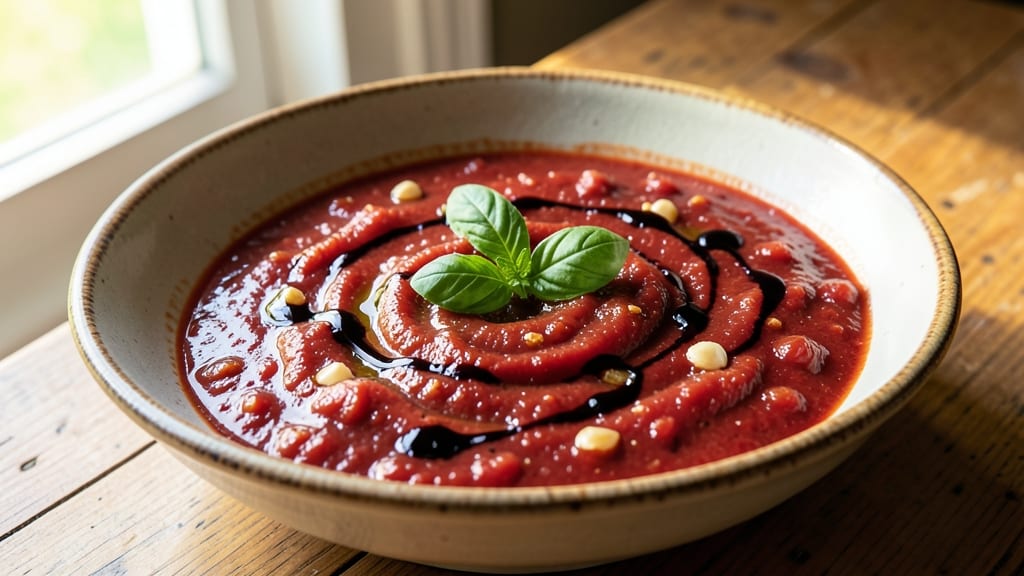
This all-day pasta sauce recipe delivers restaurant-quality depth with a slow-simmered tomato base and bright fresh herbs—perfect for batch cooking and storing.
The key lies in balancing acidity, sweetness, and umami over hours of gentle simmering, transforming simple ingredients into a versatile sauce that elevates any pasta dish from ordinary to extraordinary.
Unlike quick sauces that skimp on flavor development, this recipe builds complexity through time and technique: crushed tomatoes caramelize, garlic mellows into sweetness, and herbs infuse without bitterness.
The result is a silky, clingy sauce with just the right balance of tang and richness—ideal for spaghetti, lasagna, or baked ziti. No fancy equipment required, just patience and a few pantry staples.
What makes this sauce truly special is its long-lasting quality. Made in large batches, it keeps beautifully in the fridge for up to 5 days or freezes for 3 months, making it your go-to for busy weeks.
The texture remains velvety after reheating, and the flavor only deepens with time—proof that good things (like sauce) get better with age.
For maximum versatility, adjust the herb blend to your taste: basil for Italian dishes, oregano for Greek-inspired flavors, or even a pinch of red pepper flakes for heat. The possibilities are endless, but the foundation remains the same—simmered tomato depth that turns simple pasta into a showstopper.
Ingredients for all day pasta sauce
These twelve ingredients create a restaurant-quality tomato sauce with depth and complexity through slow simmering.
| Ingredient | Amount | Notes |
|---|---|---|
| Extra-Virgin Olive Oil 🫒 | ½ cup | High-quality, fruity variety preferred |
| Yellow Onion 🧅 | 1 whole | Finely diced for even distribution |
| Garlic Cloves 🧄 | 6 cloves | Peeled and lightly crushed |
| Crushed Tomatoes 🍅 | 28 oz | San Marzano preferred for sweetness |
| Tomato Paste 🍅 | ½ cup | High-quality, no sugar added |
| Dry Red Wine 🍷 | 1 cup | Bold variety like Cabernet Sauvignon |
| Vegetable Broth 💧 | 2 cups | Low-sodium preferred for balance |
| Fresh Basil Leaves 🌿 | ½ cup | Packed, stems removed |
| Fresh Oregano Leaves 🌿 | ¼ cup | Or substitute dried at 1/3 amount |
| Sugar 🍯 | 1 tbsp | Balances acidity, adjust to taste |
| Diamond Crystal Kosher Salt 🧂 | 1 ½ tsp | Adjust to taste, add gradually |
| Freshly Ground Black Pepper 🌶️ | ½ tsp | Freshly cracked preferred |
The foundation begins with San Marzano crushed tomatoes—their natural sweetness and low acidity create the perfect base for depth. For the wine, bold reds like Cabernet Sauvignon work best, but any dry red will do. Fresh herbs are non-negotiable here: Whole Foods or local farmers markets offer the brightest basil and oregano. If you can't find fresh, dried works at one-third the amount, but the texture won't be as velvety. The tomato paste is where the umami magic happens—look for brands without added sugar to maintain balance. For the olive oil, California-grown extra-virgin adds fruity notes that elevate the sauce's complexity.
No red wine? Substitute additional vegetable broth—just reduce the sauce longer to concentrate the flavor. Fresh herbs wilt quickly, so if you're prepping ahead, store them in damp paper towels in the fridge. The sugar can be omitted entirely if your tomatoes are particularly sweet, but it helps balance acidity in harsher varieties. For a smokier profile, add ½ teaspoon smoked paprika or a pinch of red pepper flakes. The crushed tomatoes can be swapped for whole peeled tomatoes (simmer longer), but they won't develop the same silky texture. If you're short on time, jarred marinara sauce can be used as a base, but you'll need to deglaze the pot thoroughly with wine and broth to maintain depth.
This sauce tastes even better the next day as flavors meld. Store in airtight glass containers in the fridge for up to 5 days, or freeze in 1-cup portions for 3 months. For reheating, warm over low heat and stir in a splash of water or broth if it thickens too much. The sauce thickens as it cools, so adjust consistency with a bit of broth or water before serving. Portion into ice cube trays for single-use servings—perfect for quick pasta nights. If you make a large batch, label containers with dates to track freshness, as the texture can break down after 6 months in the freezer.
Why You'll Love This Recipe
- Simmer, Not Stress: I swear by this sauce because it’s the kind of recipe that rewards patience without demanding it—just toss everything in a pot, let it bubble away while you handle the rest of dinner, and boom, rich flavor develops naturally. No stirring every five minutes, no hovering over the stove like a nervous parent.
- Garlic Bomb: Between us, that first sizzle of garlic in olive oil is my favorite part of any recipe. Here, it caramelizes just enough to coat every strand of pasta in that sweet, golden punch—no burnt bits, no overpowering bite, just perfect aromatic depth.
- Meal Prep MVP: This sauce actually improves overnight, which means I can make a double batch on Sunday, let it sit, and serve it all week—over pasta, with meatballs, or even as a quick soup base. (Yes, even on a Tuesday night.)
- Pantry Powerhouse: Five ingredients, zero specialty items, and it still delivers restaurant-quality taste. The tomato paste? That’s the secret—it thickens beautifully and cuts through the acidity of crushed tomatoes, so you’re not left with something watery or bland. Budget-friendly and foolproof.
Step-by-step instructions for all-day pasta sauce
This sauce builds depth through slow simmering—where technique matters more than timing.
Develop the Flavor Base
Heat the 0.5 cup extra-virgin olive oil in a Dutch oven over medium-low heat until shimmering but not smoking. Add the finely diced yellow onion and cook for 8-10 minutes until completely translucent and just beginning to caramelize at the edges. This slow cook time ensures the onion breaks down without burning, forming the aromatic foundation.
Add the 6 cloves garlic cloves and cook for 30 seconds until fragrant—never let them brown, or they'll turn bitter. Immediately stir in the 0.5 cup tomato paste and cook for another 2 minutes until it darkens slightly. This paste will thicken the sauce and deepen its color, creating that restaurant-quality richness.
Build the Tomato Base
Pour in the 1 cup dry red wine and scrape up any browned bits from the bottom of the pot with a wooden spoon. This deglazing captures all the flavor you've built so far. Let the wine reduce by half—about 3-4 minutes—until it coats the back of a spoon. The alcohol will evaporate, leaving behind concentrated wine flavor.
Add the 28 oz crushed tomatoes and 2 cups vegetable broth. Stir in the 1 tbsp sugar, 1.5 tsp kosher salt, and 0.5 tsp freshly ground black pepper. Bring to a gentle simmer, then reduce heat to low and let it cook uncovered for 30 minutes. This initial simmer allows the acidity to mellow while the flavors meld together.
Simmer for Depth and Concentration
After the initial 30 minutes, taste the sauce. You should notice the acidity has softened, and the flavors are beginning to concentrate. This is where patience pays off—continue simmering uncovered for another 2-3 hours until the sauce reduces by about one-third and thickens to a syrupy consistency. Stir occasionally to prevent sticking, and add a splash of water if it becomes too thick.
Here's the thing—this long simmer isn't just about reducing liquid. It's about developing complexity. The sugars in the tomatoes caramelize, the wine's tannins soften, and the herbs release their essential oils. The sauce should coat the back of a spoon and have a glossy sheen when cooled.
Finish with Fresh Herbs
About 15 minutes before the sauce is fully reduced, stir in the 0.5 cup fresh basil leaves and 0.25 cup fresh oregano leaves. These herbs should be added late to preserve their bright, fresh flavors rather than letting them cook down into the sauce. Taste and adjust seasoning—you may need to add a pinch more salt or a touch of sugar to balance the acidity.
Remove the sauce from heat and let it cool slightly. The flavors will continue developing as it rests. For the best texture, strain out the herb stems if you prefer a smoother sauce, or leave them in for a rustic finish. This sauce tastes even better the next day as the flavors fully meld together.
Pro Tips For Making All Day Pasta Sauce
- SWIM THE ONIONS: I learned this the hard way—drowning onions in olive oil until they’re translucent instead of just sweating them. Use about 2 tablespoons of oil for a medium onion, cover the pot, and let them melt down on medium-low for 8-10 minutes. You’re not searing, you’re dissolving them into the sauce, so don’t rush. (Yes, even if you’re impatient like me.)
- TOAST THE PASTE: Heat the tomato paste in the same pot before adding onions—just 1-2 minutes until it darkens slightly at the edges. This deepens the flavor way more than stirring it in cold. Skip this, and your sauce will taste flat, no matter how long you simmer.
- STIR THE TOMATOES: After adding crushed tomatoes, give the pot a hard stir with a wooden spoon to break up any clumps. Let it bubble for 3-4 minutes before lowering heat—this prevents a skin from forming on top and ensures even cooking. (Your future self will thank you.)
- SALT THE WATER: The crushed tomatoes and tomato paste already pack salt, but your pasta water shouldn’t taste like the ocean. Taste the sauce mid-simmer and adjust the pasta water’s saltiness separately—aim for a balance, not a competition. (I used to overdo it on both sides.)
Pro cooking tips for this recipe
Low-and-Slow Simmering
This sauce thrives on patience—simmering at low heat for 2-3 hours transforms simple ingredients into something extraordinary. I use a Dutch oven because its heavy base distributes heat evenly, preventing hot spots that can scorch the sauce.
Keep it uncovered to allow moisture to evaporate gradually, which concentrates the flavors. If you notice the sauce sticking, add 1-2 tablespoons of water or broth to loosen it without diluting the depth. 🔥
Deglaze Like a Pro
The wine deglazing step is where flavor magic happens. After cooking the onions and garlic, pour in the 1 cup dry red wine and let it bubble vigorously for 3-4 minutes until reduced by half. This process removes the alcohol while capturing the wine's rich, fruity notes.
Always scrape up those browned bits from the bottom of the pot—they're packed with flavor. If you don't have wine, substitute with 1 cup vegetable broth, but reduce the sauce longer to compensate for the lack of wine's depth.
Herb Timing Matters
Adding fresh herbs at the very end preserves their bright, vibrant flavors. Stir in the basil and oregano only 15 minutes before the sauce is fully reduced. If you add them too early, they'll turn bitter and lose their freshness.
For a smoother sauce, strain out the herb stems after cooking. If you prefer texture, leave them in for a rustic finish. I like to tear the basil leaves by hand rather than chopping them to maintain their delicate appearance on the plate.
Salt Gradually
Seasoning this sauce properly takes practice. Start with the 1.5 tsp kosher salt called for in the recipe, but taste frequently during the simmering process. The sauce will need more salt as it reduces because the concentration of flavors changes.
Add salt in small increments—¼ tsp at a time—and let it meld before adding more. Remember, you can always add more salt, but you can't take it out. The same goes for acidity—if the sauce tastes too sharp, add a pinch of sugar to balance it.
Texture Control Tips
This sauce should be thick enough to coat the back of a spoon when cooled, but not so thick that it becomes gluey. If it thickens too much during simmering, add 1-2 tablespoons of water or broth to loosen it.
For serving, you can thin it slightly with a splash of warm water or broth if needed. If you're using this sauce for lasagna or baked ziti, you might want it slightly thicker to hold its shape in the oven.
For spaghetti, a slightly looser consistency works better so it clings to the noodles.
Flavor Development
The real secret to this sauce is letting it rest. After removing it from heat, let it sit at room temperature for 30 minutes before tasting. The flavors will continue to meld and deepen during this time.
If possible, make this sauce a day ahead—it tastes even better the next day as the acidity mellows and the flavors become more harmonious. For maximum flavor, store it in the refrigerator overnight before serving. The cold temperature helps the flavors settle and intensify. ✨
Nutrition facts
Frequently asked questions
Can I make this sauce without wine?
Replace the 1 cup dry red wine with an equal amount of vegetable broth or even apple cider vinegar (start with 2 tablespoons and adjust to taste). For depth, add 1 teaspoon soy sauce or ½ teaspoon balsamic vinegar to mimic wine's umami. Simmer the sauce 10-15 minutes longer to concentrate flavors since broth lacks wine's alcohol content.
How do I adjust the thickness for different pasta dishes?
For spaghetti or linguine, aim for a sauce that coats the back of a spoon when cooled—thin with 1 tablespoon water or broth per cup of sauce if needed. For lasagna or baked ziti, make it slightly thicker (spoonable but not gluey) to hold its shape. If too thick, stir in 1-2 tablespoons broth while warm. Always taste first—thicker sauces need more salt as flavors concentrate.
Why does my sauce taste too acidic after simmering?
Acidity often peaks early in simmering. Balance it by adding ½ teaspoon sugar per cup of sauce (or honey) to mellow the tang. If still too sharp, add a pinch of baking soda (⅛ teaspoon)—it neutralizes acidity instantly. For prevention, use San Marzano tomatoes (naturally sweeter) and simmer uncovered to let moisture evaporate gradually. Taste frequently after 1 hour of cooking.
Can I freeze this sauce, and how does it reheat?
Freeze in 1-cup portions in airtight containers for up to 3 months. Thaw overnight in the fridge, then reheat gently on low heat with a splash of water or broth to restore silky texture. Never microwave—it creates hot spots that break down the sauce's structure. For best results, reheat until bubbling, then simmer 5 minutes uncovered to let flavors rebalance. Stir occasionally to prevent sticking.
What herbs can I substitute if I don’t have basil or oregano?
For basil, try thyme or marjoram (use ½ the amount) for earthy notes. Oregano can be swapped with dried thyme or Italian seasoning (reduce to ⅓ the amount). For a Mediterranean twist, add rosemary (¼ teaspoon) or fennel fronds for anise-like depth. Always add fresh herbs 15 minutes before the end to preserve brightness. Dried herbs should be toasted briefly in oil before adding for better flavor.